


Medical Walking Boots
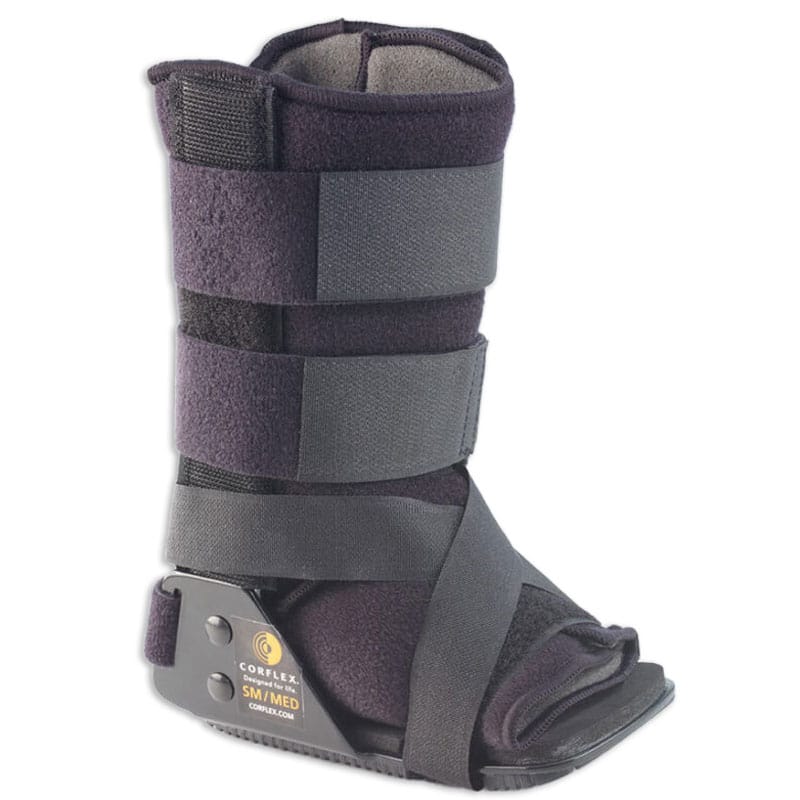
Corflex Pediatric Fixed Metal Walking Boot
In Stock
$129.95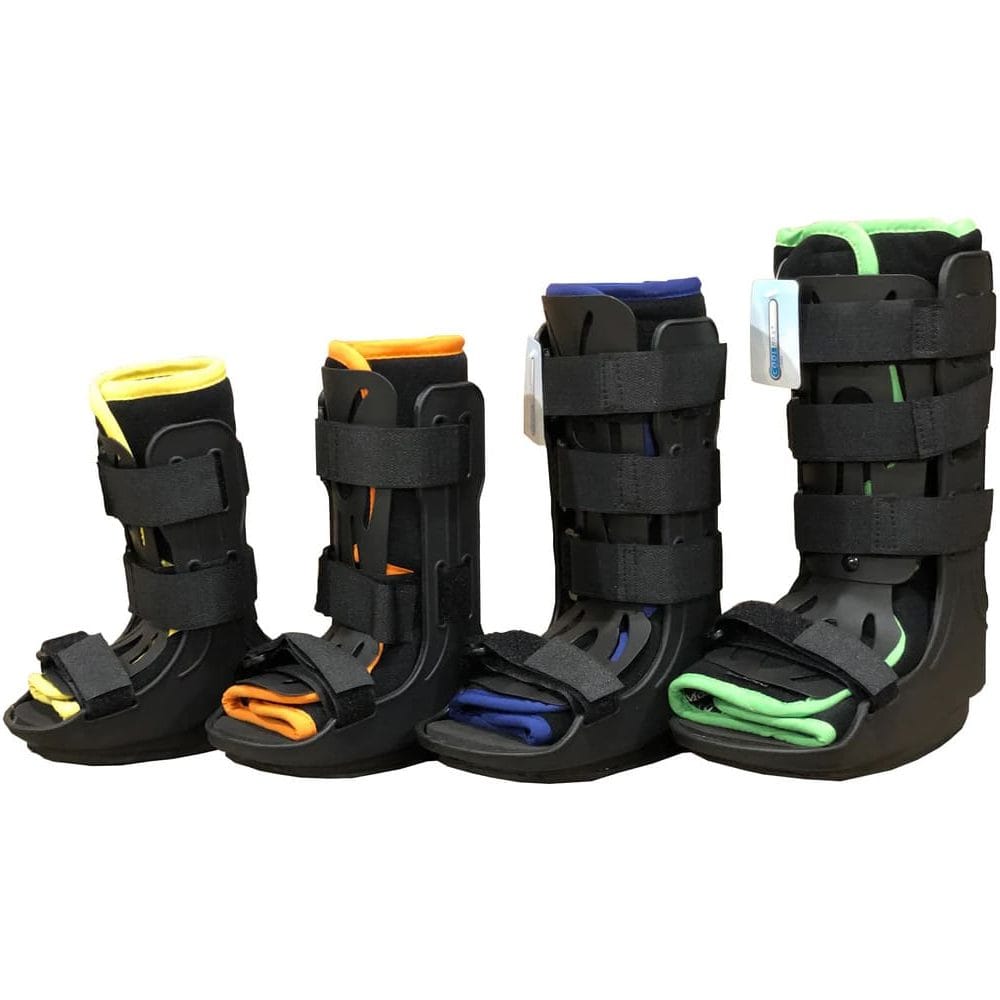
Landmark Pediatric LDK Walker Boot
In Stock
$115.99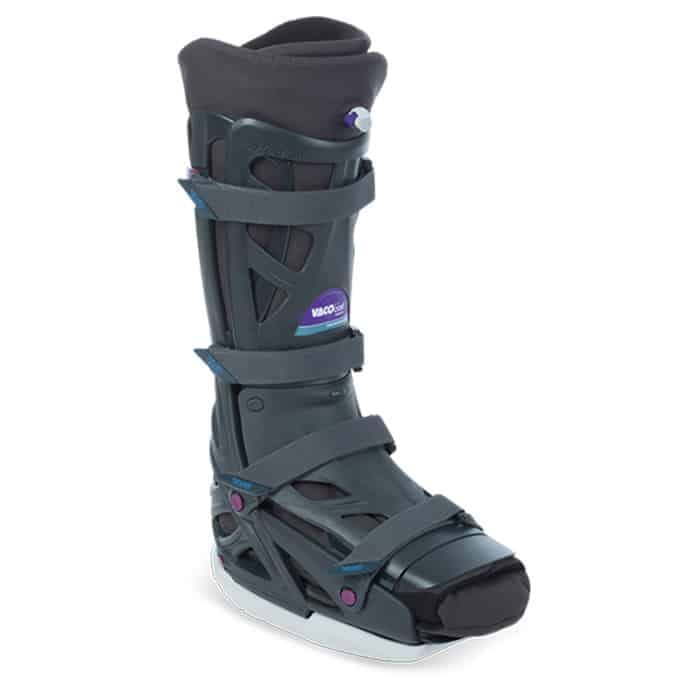
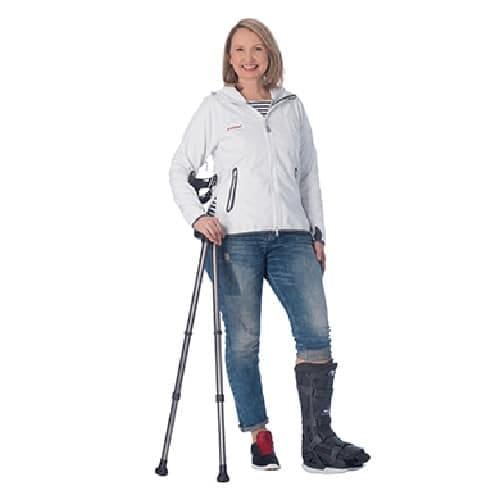
OPED VACOcast Diabetic Offloading Walking Boot
In Stock
$289.95
Ossur Formfit Walker Air – Standard Height Walking Boot
Available on backorder
$141.00
Ossur Formfit® Walker Air Short – Low-Top Walking Boot
Available on backorder
$141.00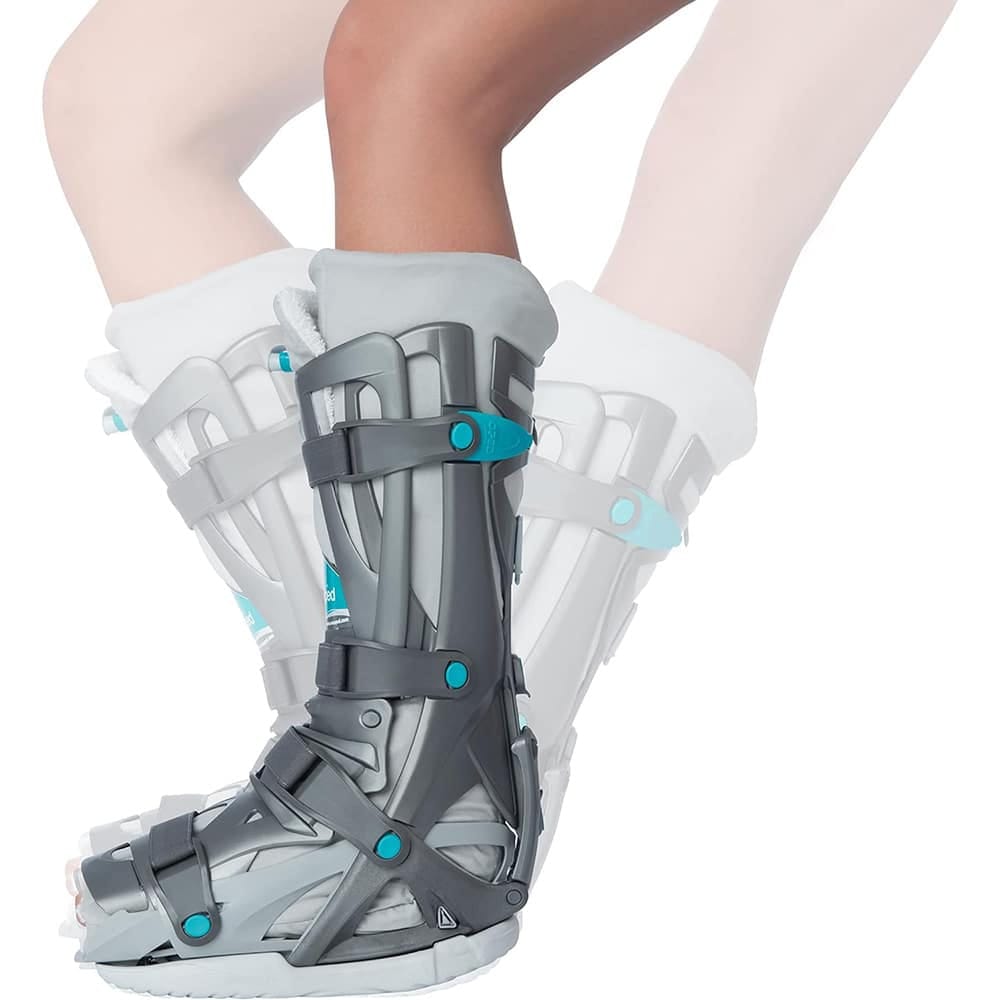
OPED VACOped Achilles Walking Boot – Original Vacuum Model Clearance
In Stock
Original price was: $449.95.$349.95Current price is: $349.95.

OPED VACOped XELGO Achilles Walking Boot
In Stock
Original price was: $495.95.$449.95Current price is: $449.95.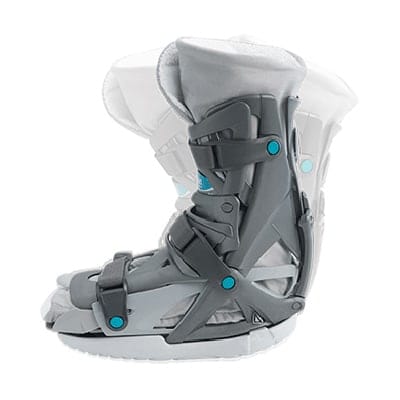
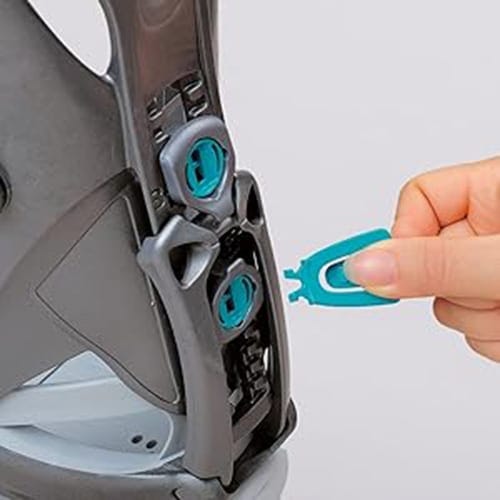
OPED VACOped Short Achilles Walking Boot
In Stock
$349.95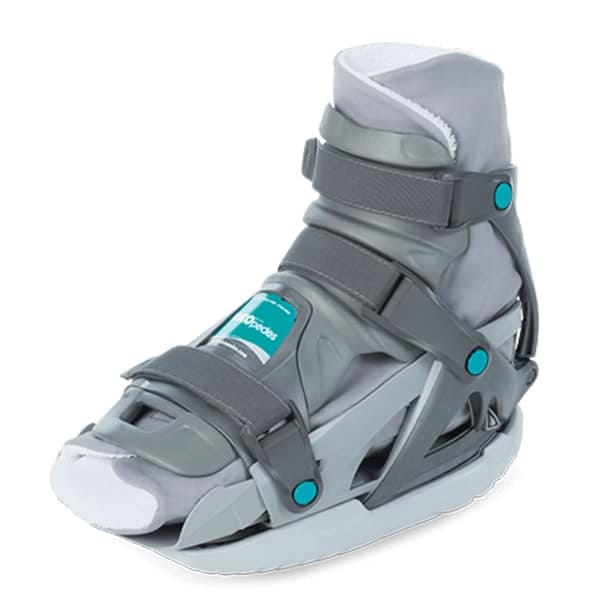
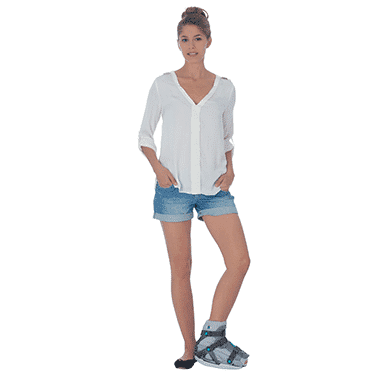
OPED VACOpedes Low-Rise Walking Boot
In Stock
$219.95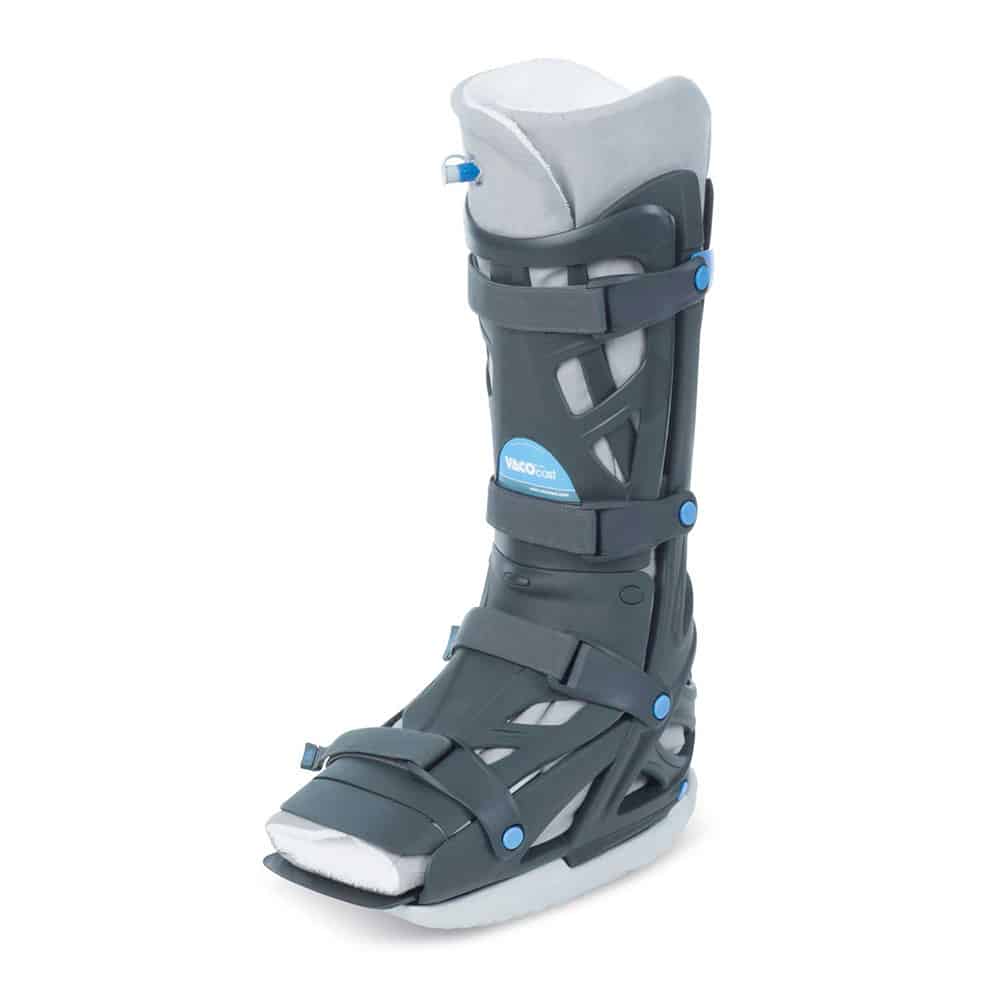
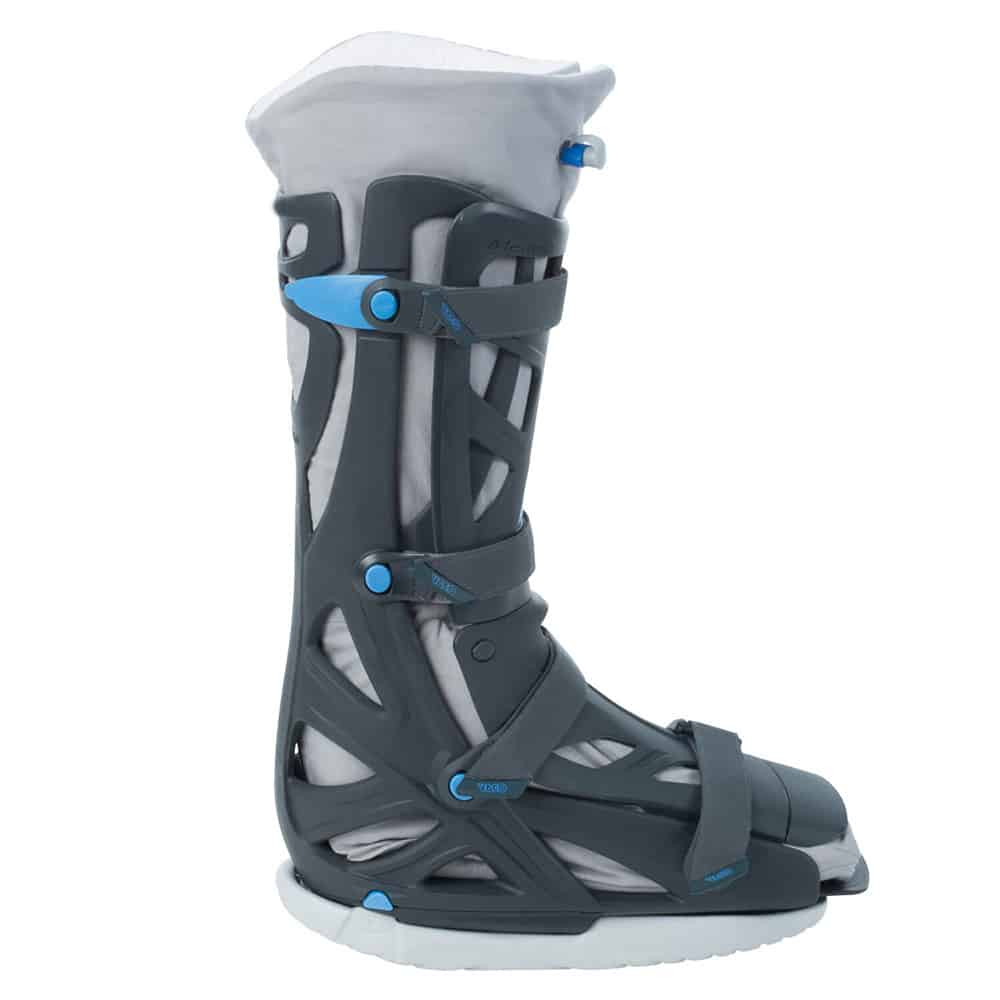
OPED VACOcast Fracture Walking Boot
In Stock
$279.95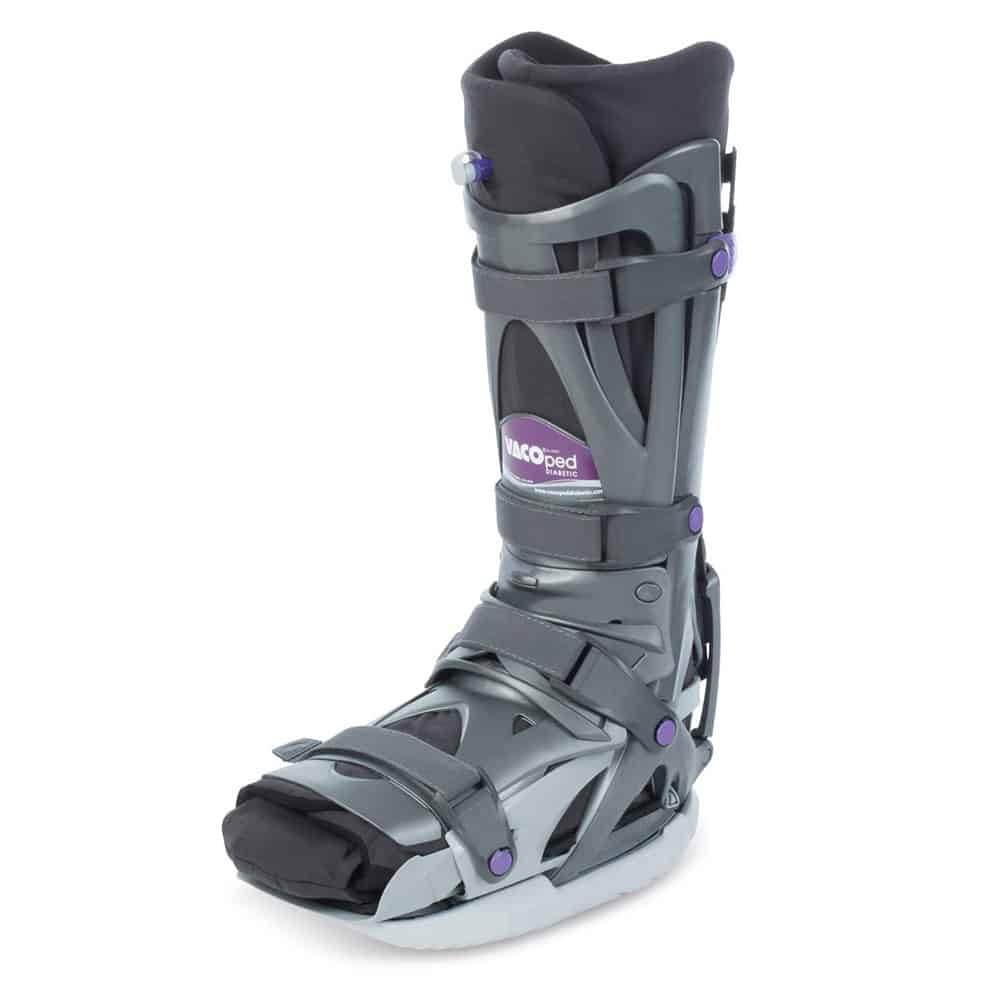
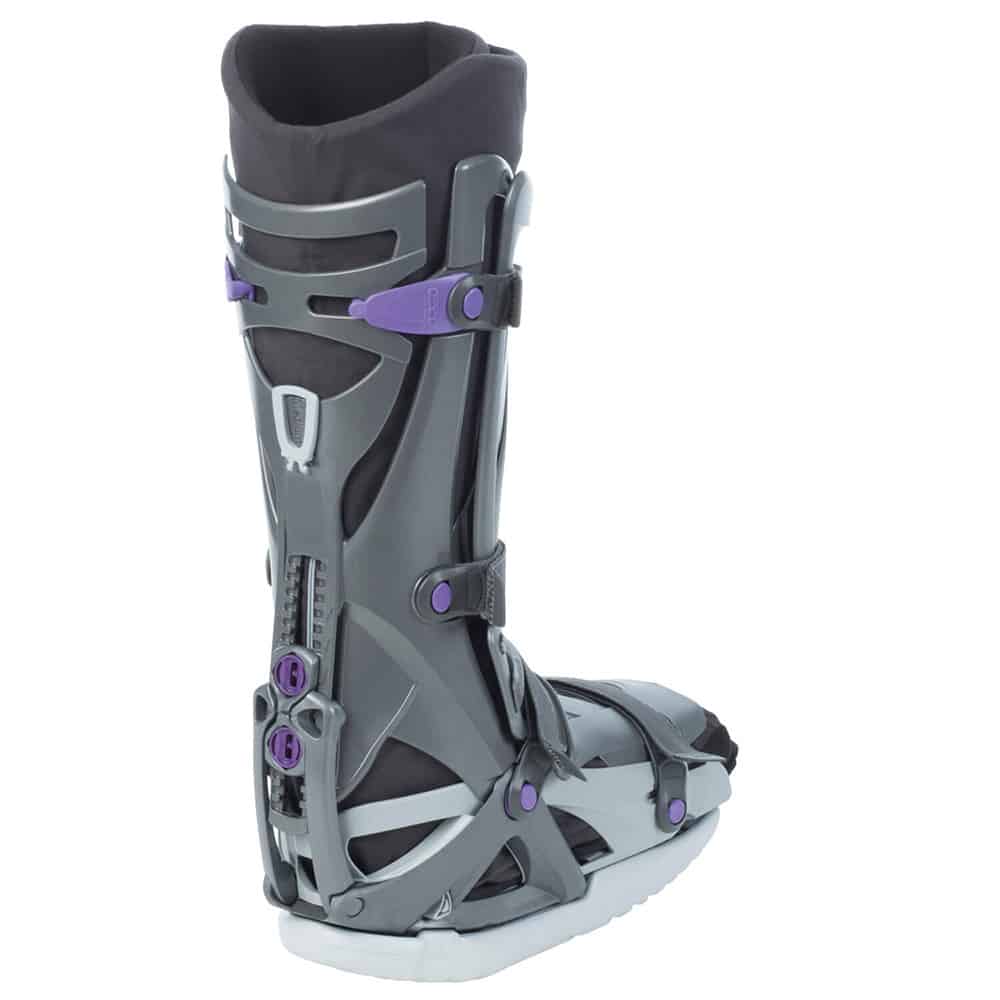
OPED VACOped Diabetic Achilles / ROM Walking Boot
In Stock
$429.95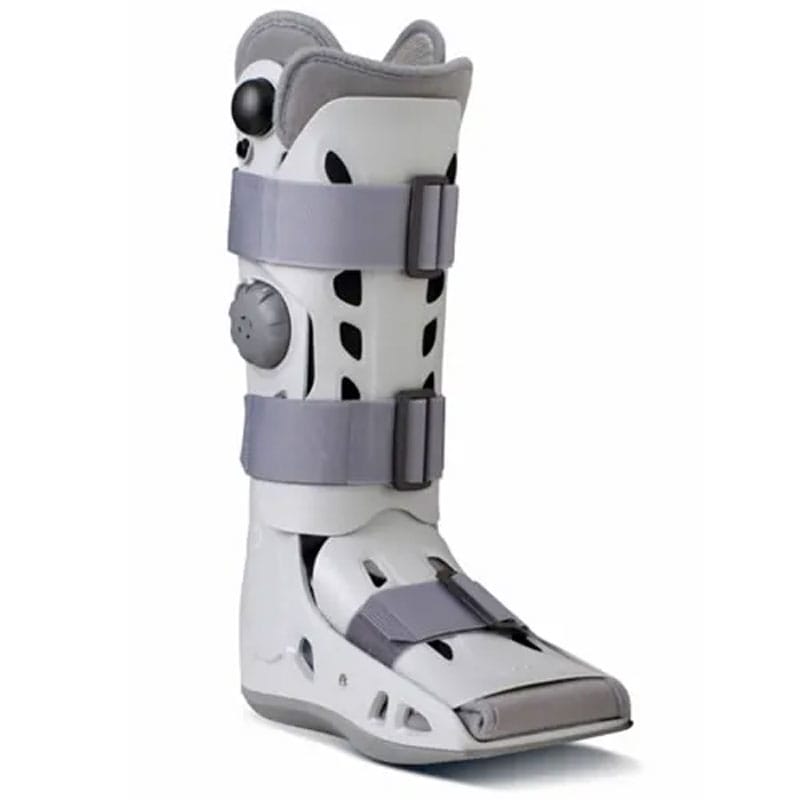
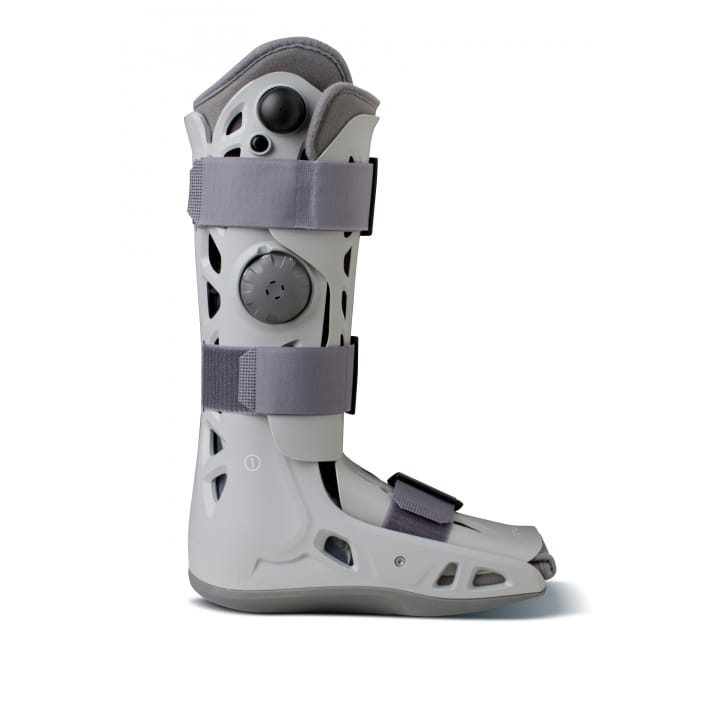
Aircast AirSelect Elite Walking Boot
In Stock
$259.95
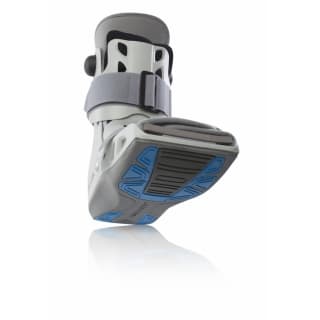
Aircast AirSelect Walking Boot – Short
In Stock
$157.95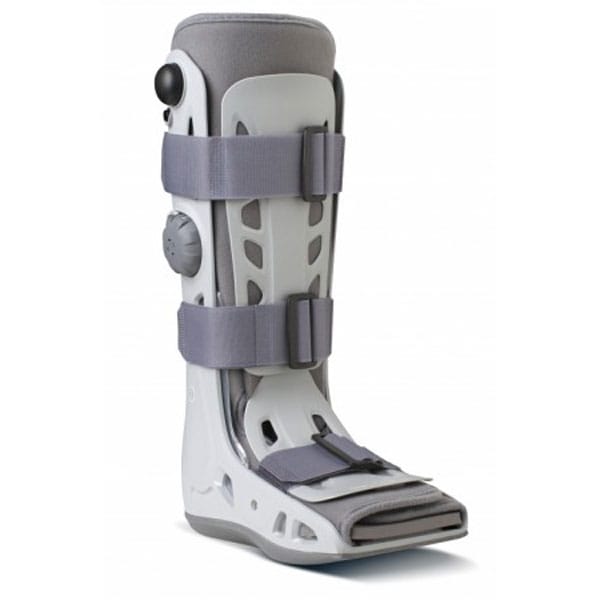
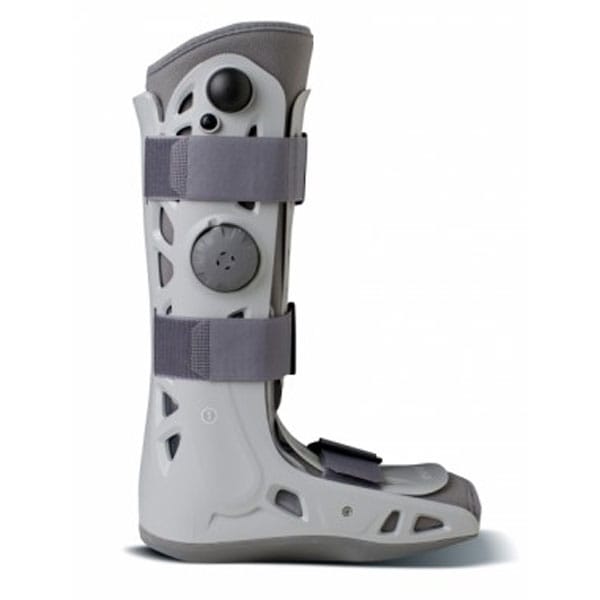
Aircast AirSelect Walking Boot – Tall/Standard
In Stock
$179.95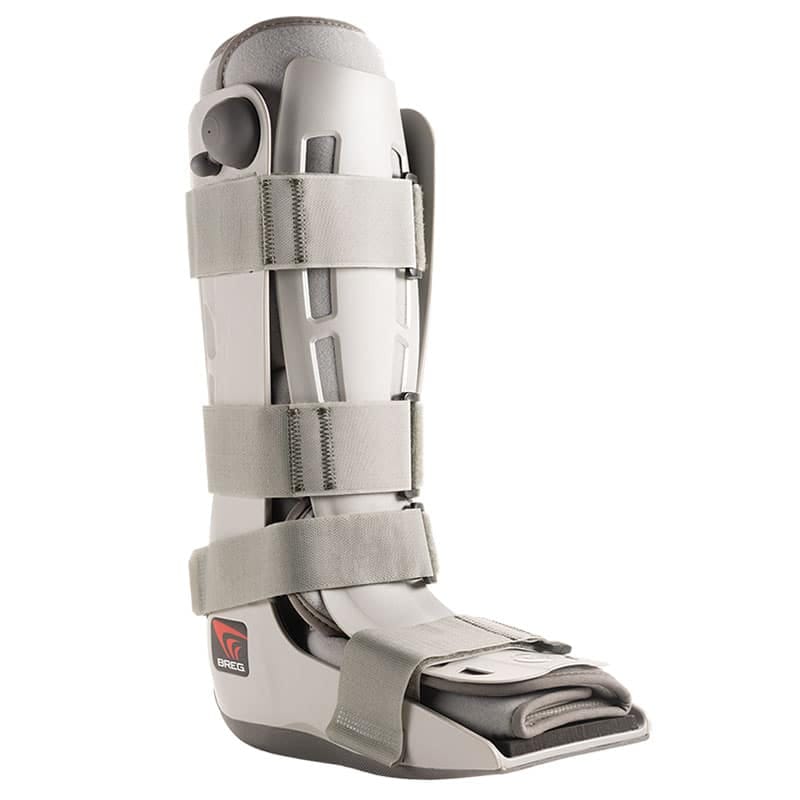
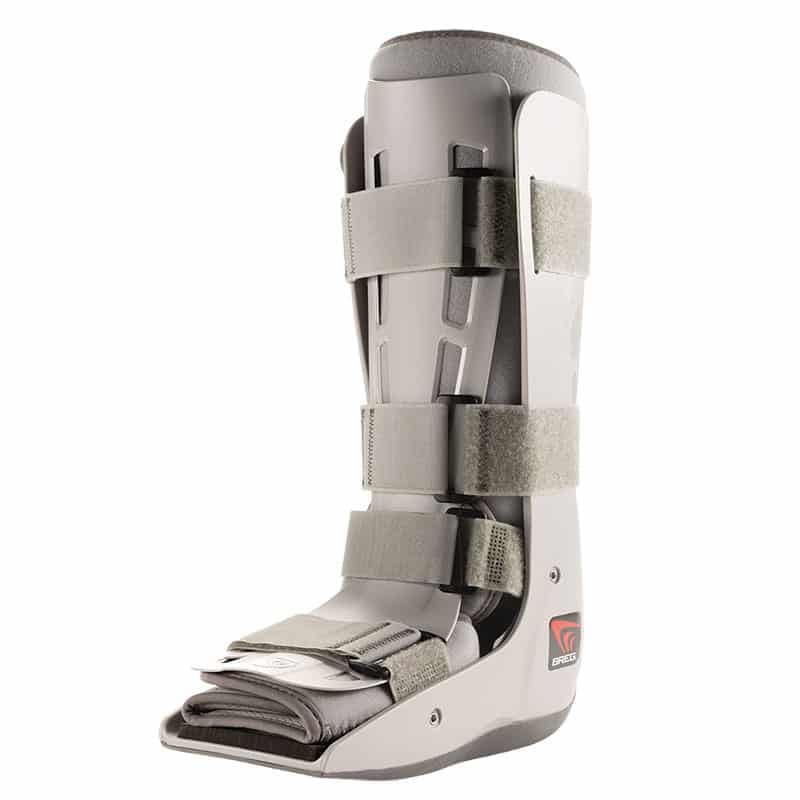
Genesis Full Shell Walker – Breg
In Stock
$159.95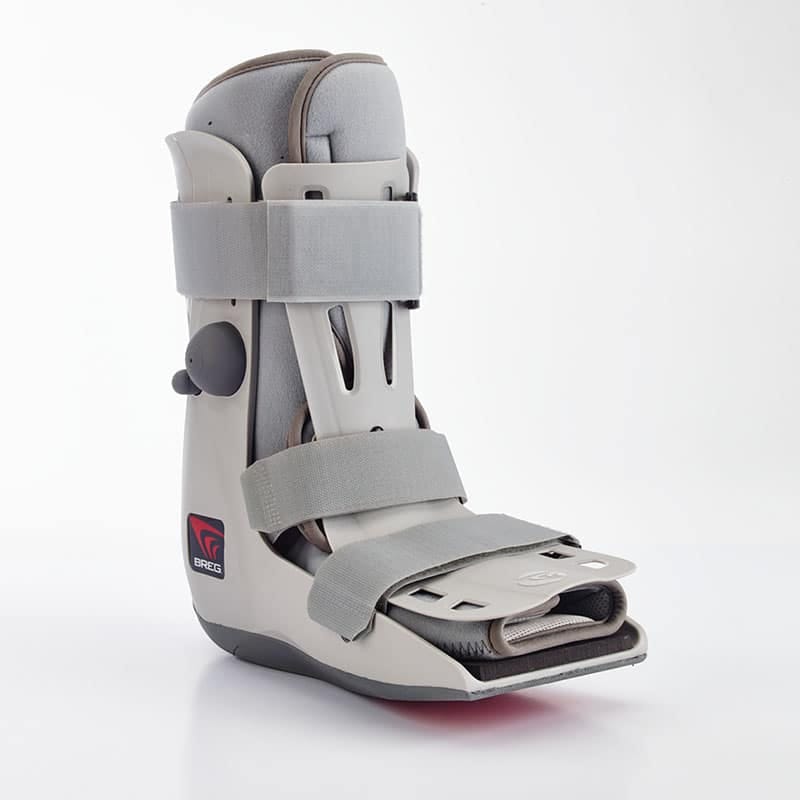
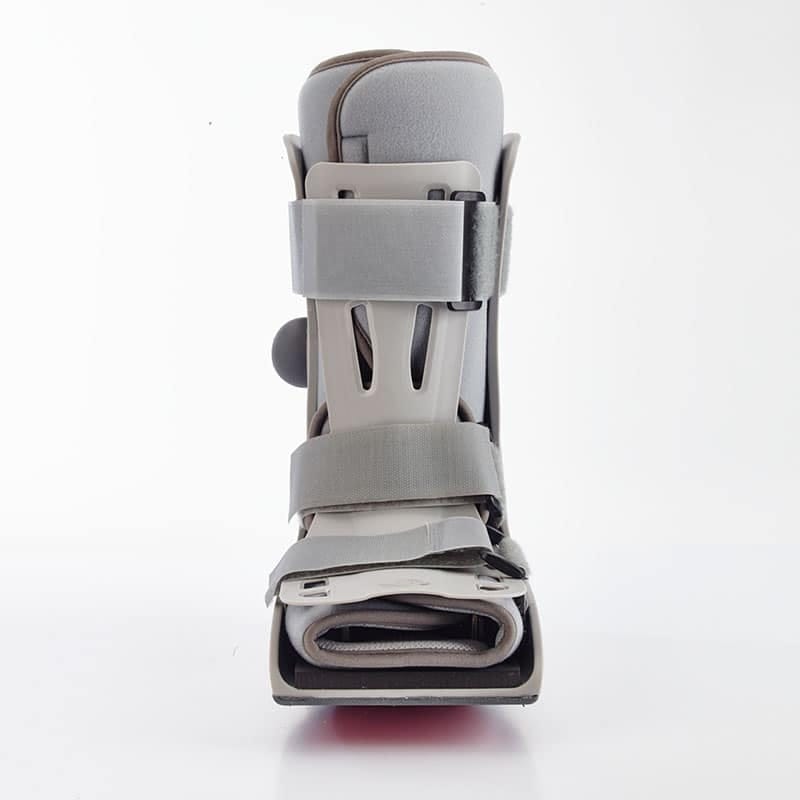
Breg Genesis Mid-Calf Full Shell Walker
In Stock(1 Units)
$159.95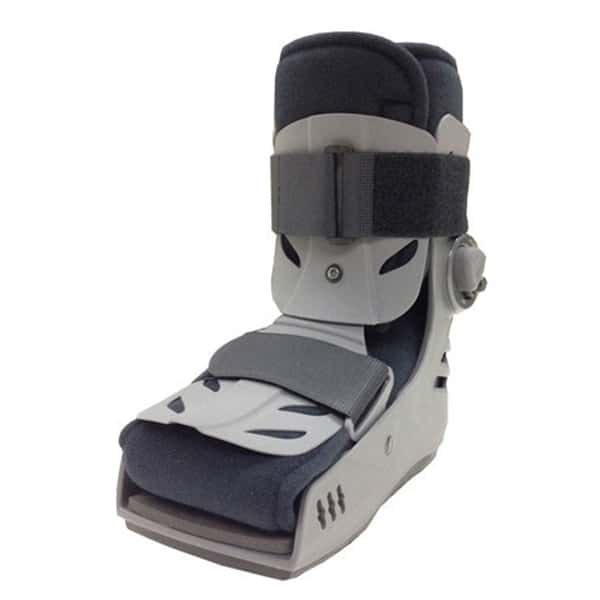
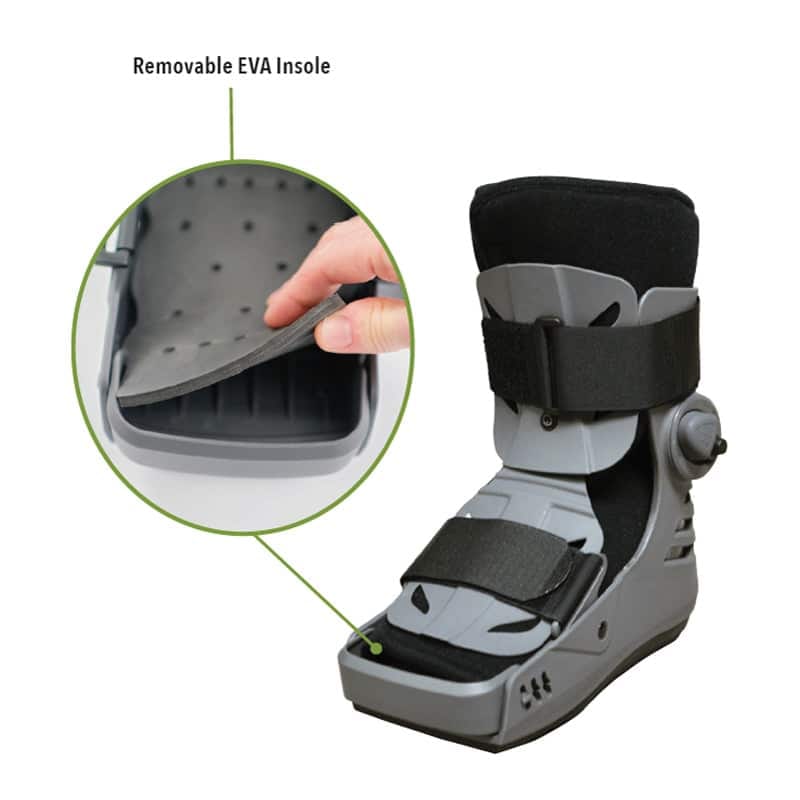
MKO Sprint Air Walker Short Walking Boot
In Stock(1 Units)
$165.95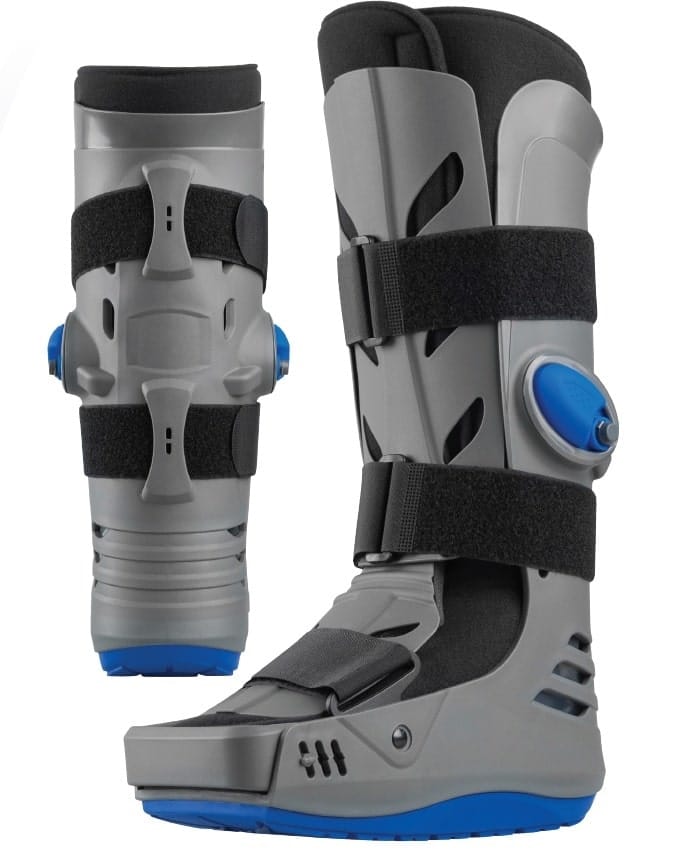
MKO Sprint® Air Walker – Tall
In Stock(1 Units)
$165.95How to Choose a Medical Walking Boot
Start with the type of boot recommended for your injury: short or tall, standard or pneumatic, and partial-shell or full-shell. Then compare sizing, liner comfort, shell coverage, toe protection, sole profile, air-cell adjustment, ease of application, and any specialized features required by your treatment plan.
The most expensive or rigid boot is not automatically the right option. The best choice is the model that provides the prescribed level of support, fits your foot and lower leg correctly, and can be used safely during your expected daily activities.
Compare Fit, Comfort and Everyday Features
Pneumatic air walkers allow the surrounding air cells to be adjusted, which can help refine the fit as swelling changes. Standard walkers may provide a simpler setup, while full-shell boots provide more rigid coverage. Rocker soles, liners, straps, toe guards, and boot weight can also affect comfort and ease of use.
Need a replacement liner, sock, pump, cover, sole, wedge, or shoe-balancing product? Visit our Walking Boot Accessories & Replacement Parts category and confirm compatibility with your boot model and size before ordering.
Check the Fit and Follow Weight-Bearing Instructions
Your heel should sit fully back in the boot, your toes should not extend beyond the footbed, and the straps should hold the foot securely without creating excessive pressure. Contact your healthcare provider if you notice persistent numbness, tingling, burning, skin irritation, colour changes, increasing pain, or pressure areas.
Wearing a walking boot does not automatically mean you can place full weight through the injured leg. Follow the non-weight-bearing, partial-weight-bearing, or full-weight-bearing instructions provided by the healthcare professional managing your recovery.
Canadian Shopping with Expert Product Guidance
The Physio Store is a Canadian healthcare retailer with more than 50 years of combined rehabilitation and orthopaedic experience. If you have been prescribed a walking boot but are uncertain about the appropriate height, size, support level, or available features, ask our product experts before ordering.
Eligible walking boots may qualify for zero-rated GST/HST when supplied under a valid written prescription for the person named in the prescription. Review our Tax Exempt Shopping instructions before completing your purchase.
Frequently Asked Questions
What is a medical walking boot?
A medical walking boot is a removable orthopaedic device designed to protect and restrict movement of the foot, ankle, or lower leg during injury recovery or after surgery. It may also be called a CAM boot, fracture boot, walker boot, walking cast, or air walker.
What does CAM boot mean?
CAM commonly means Controlled Ankle Motion. A CAM boot uses a rigid or semi-rigid frame, padded liner, fastening straps, and a supportive sole to control movement while protecting the injured area.
Is an Aircast boot the same as a CAM boot?
Aircast is a brand that manufactures medical walking boots. Shoppers sometimes use the term “air cast boot” to describe any pneumatic walking boot, but models from different brands can vary in shell design, air cells, fit, sizing, and intended use.
What is the difference between a short and tall walking boot?
A short walking boot supports the foot and lower ankle, while a tall walking boot extends farther up the lower leg. Short boots may be prescribed for certain forefoot or midfoot injuries, while tall boots may be used when greater ankle or lower-leg control is required. Follow the height recommended by your healthcare professional.
What is a pneumatic walking boot?
A pneumatic walking boot contains inflatable air cells or air bladders. These allow the fit around the foot, ankle, or lower leg to be adjusted. Inflation systems vary, so follow the instructions for the specific model.
What is the difference between a full-shell and partial-shell walking boot?
A full-shell walking boot provides more rigid coverage around the foot, ankle, and lower leg. A partial-shell or open-frame boot provides less circumferential coverage and may feel lighter. The required shell design depends on the prescribed level of protection and motion restriction.
Can a walking boot be used for a broken foot or ankle?
Walking boots are commonly used for some stable foot and ankle fractures, but not every fracture is suitable for a removable boot. Fracture stability, location, displacement, surgical treatment, and weight-bearing status should be assessed by a qualified healthcare professional.
What type of walking boot is used for an Achilles tendon injury?
Achilles tendon injuries may require a specialized walking boot that accommodates heel wedges, a plantar-flexed ankle position, or controlled range-of-motion adjustments. Do not add, remove, or change wedges or ankle settings unless instructed by the healthcare professional managing your recovery.
How do I choose the correct walking boot size?
Use the manufacturer’s sizing chart shown on the individual product page. Most walking boots are sized using regular shoe size or foot length, but the ranges can differ between brands and models. Also consider foot width, swelling, calf circumference, and any dressings worn inside the boot.
How should a medical walking boot fit?
Your heel should sit fully back in the liner, your toes should not extend beyond the footbed, and your foot should feel secure without painful pressure. The fit should not cause persistent numbness, tingling, burning, colour changes, or worsening discomfort.
Can the same walking boot be worn on either foot?
Many walking boots are designed to fit either the left or right foot, but some specialized models are side-specific. Check the product specifications before ordering.
Can I put full weight on my foot while wearing a walking boot?
Wearing a walking boot does not automatically mean full weight bearing is permitted. Follow the non-weight-bearing, partial-weight-bearing, or full-weight-bearing instructions provided by your healthcare professional and use crutches or another mobility aid when prescribed.
Should I wear a sock inside my walking boot?
A clean, smooth sock or stockinette can help absorb moisture and reduce direct contact with the liner. Avoid wrinkles, seams, or folds that could create pressure against the skin. Follow any wound-care or post-operative instructions provided by your healthcare team.
How long should I wear a medical walking boot?
Wear time depends on the diagnosis, severity of the injury, healing progress, and treatment plan. Do not discontinue the boot or progress into regular footwear solely because the injury feels better. Follow the timeline provided by the healthcare professional managing your recovery.
Should I sleep or shower while wearing a walking boot?
Instructions for sleeping, bathing, and removing the boot vary according to the injury and treatment plan. Some people are permitted to remove the boot, while others must keep the foot or ankle in a particular position. Follow your clinician’s instructions rather than general online advice.
When should I contact a healthcare professional about my walking boot?
Seek advice if the boot causes persistent numbness, tingling, burning, skin breakdown, excessive pressure, increasing swelling, colour changes, worsening pain, or difficulty maintaining the prescribed position. People with diabetes, reduced circulation, or reduced sensation should be especially careful with skin checks.
Why does one leg feel longer while wearing a walking boot?
The thick sole of a walking boot can create a temporary leg-height difference. A compatible shoe-balancing product worn on the opposite shoe may help reduce the difference, but suitability depends on your footwear, balance, mobility, and treatment requirements.
Are medical walking boots tax-free in Canada with a prescription?
Eligible walking boots may qualify for zero-rated GST/HST when supplied under a valid written prescription from a medical practitioner for the person named in the prescription. Follow The Physio Store’s Tax Exempt Shopping instructions and upload the required prescription before completing the order.
Where can I find walking boot liners and replacement parts?
Replacement liners, socks, stockinettes, covers, pumps, soles, wedges, inserts, adjustment tools, and shoe-balancing products are available in the Walking Boot Accessories & Replacement Parts category. Confirm the manufacturer, model, boot height, and size before ordering.
Medical Walking Boots for Foot & Ankle Recovery
Shop CAM boots, fracture boots, air walkers, and specialized medical walking boots for foot, ankle, Achilles, and lower-leg recovery. Compare short, tall, pneumatic, pediatric, and full-shell designs from trusted orthopaedic brands.
Answers to common questions about medical walking boots, CAM boots, sizing, fit, and support options are available below.

 SUPPORT SMALL CANADIAN BUSINESS