


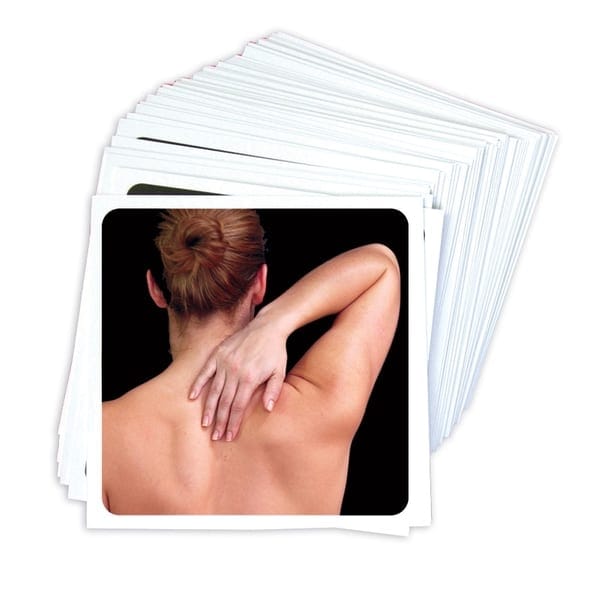

NOI Recognise Flash Cards: Shoulder
$59.95
In stock (can be backordered)

Clinical Pricing Available!
The Physio Store is offering clinical pricing for all businesses / institutions in healthcare, healthcare professionals/students and fitness industry professionals.
We highly recommend you to sign up for our clinical pricing program, which will provide you with discounts on most of our products. We will also send out exclusive monthly specials, new ideas and new products on the market. Our company values the hard work and dedication of healthcare professionals and express gratitude by offering you special pricing and monthly deals.
Close

Manufacturer Warranty
Warranty & Returns
This educational and clinical rehabilitation product is intended for guided use as part of a pain science or graded motor imagery program. Please inspect the item when it arrives and contact The Physio Store right away if there is a shipping issue, defect or order concern.
Return Policy
Final Sale Item. This product is not eligible for return, refund, or exchange once purchased.
High-Risk Medical Devices & Hygienic Products
Certain items are designated as Final Sale due to their medical, personal-use, hygienic, or electrical nature. These products cannot be restocked or resold once opened or shipped.
This includes (but is not limited to):
- Electrotherapy devices (TENS, EMS, IFC units)
- Items that come into contact with skin or bodily areas
- Personal-use rehabilitation and pain management devices
- Electrical medical equipment
For health, safety, and product integrity reasons, these items are non-returnable regardless of usage.
Clearance & Special Order Items
Products marked as Clearance, Special Order, or End-of-Line are also Final Sale and not eligible for return due to limited inventory availability.
Exceptions apply only for defective, damaged, or incorrectly shipped items reported within 5 days of delivery.
By completing your purchase, you acknowledge and agree to these Final Sale terms prior to checkout.
For full details, please review our Return & Exchange Policy.

NOI Recognise™ Flash Cards: Shoulder
NOI Recognise™ Flash Cards: Shoulder help train left and right shoulder recognition. This skill is also called laterality recognition.
Clinicians often use laterality training in graded motor imagery programs. These programs may help people with persistent shoulder pain, CRPS-related symptoms, altered body awareness or pain that makes movement feel threatening.
The cards give patients a simple way to practise shoulder recognition without moving into painful positions right away. As a result, they can support early rehabilitation before imagined movement or mirror therapy.
What Are NOI Recognise Shoulder Flash Cards Used For?
NOI Recognise Shoulder Flash Cards support the first stage of graded motor imagery. This stage focuses on left and right discrimination.
Instead of asking the person to lift, reach or rotate the painful shoulder right away, the task starts with image recognition. Therefore, the nervous system can practise in a safer and less threatening way.
Clinicians may use these cards in rehabilitation programs for:
- Persistent shoulder pain
- Complex regional pain syndrome affecting the upper limb
- Altered shoulder awareness or body perception
- Shoulder pain where reaching or lifting feels threatening
- Laterality training as part of graded motor imagery
- Clinical education and pain science programs
What Is Included?
| Product | NOI Recognise™ Flash Cards: Shoulder |
|---|---|
| Card Images | 48 total images |
| Left / Right Images | 24 left shoulder images and 24 matching right shoulder images |
| Card Size | Approximately 11 cm x 11 cm |
| Card Material | Durable plastic-coated card |
| Included Accessories | Non-permanent marker, instruction sheet, reference list and game suggestions |
| Packaging | Sturdy storage box/container |
| Use | Left/right shoulder discrimination training and graded motor imagery |
How Shoulder Laterality Training Works
With some persistent pain conditions, the brain may become slower at identifying left and right body parts. It may also become less accurate.
For example, a person may take longer to decide whether an image shows a left or right shoulder. This can happen even when the person understands the task.
Laterality training starts with a non-painful recognition exercise. The person looks at a shoulder image and decides whether it shows a left or right shoulder.
Over time, this practice may help improve recognition speed and accuracy. It may also help prepare the nervous system for later stages of graded motor imagery.
Why Shoulder Recognition Matters
Shoulder pain can make reaching, lifting or rotating the arm feel guarded or unsafe. As a result, some people avoid movement even when gentle rehabilitation is appropriate.
Laterality training gives clinicians another way to work with the nervous system before direct shoulder movement feels comfortable. It can be especially useful when exercise needs to start gently.
Why Use Physical Flash Cards?
Digital tools, such as Recognise™ apps, can be useful. However, physical cards add more variety to treatment sessions.
Clinicians can shuffle, sort, time and mark the cards during practice. They can also create simple games for clinic or home use.
Common Ways to Use the Cards
- Quick left/right shoulder image identification drills
- Timed recognition practice
- Accuracy tracking over repeated sessions
- Sorting games for rehabilitation or education
- Home practice as directed by a clinician
- Progression into imagined movement and mirror therapy programs
Who Typically Uses These Cards?
NOI Recognise Shoulder Flash Cards are commonly used by clinicians and patients involved in pain rehabilitation.
They may be used by:
- Physiotherapists
- Occupational therapists
- Pain clinics
- Rehabilitation hospitals
- University and clinical education programs
- Patients completing a guided graded motor imagery program
Available from The Physio Store in Canada
The Physio Store supplies NOI Group pain science and graded motor imagery resources in Canada. This includes books, flash cards, mirror therapy tools and related clinical education products.
Related NOI Group Resources
These shoulder flash cards can be used with other NOI Group resources. Together, they can help support a more complete graded motor imagery setup.
Frequently Asked Questions
What are NOI Recognise Shoulder Flash Cards used for?
NOI Recognise Shoulder Flash Cards are used to assess and train left/right shoulder recognition, also called laterality discrimination. They are commonly used as part of graded motor imagery for persistent shoulder pain, CRPS-related rehabilitation and altered body awareness.
How many cards are included in the NOI Recognise Shoulder Flash Card set?
The set includes 48 durable plastic-coated cards: 24 left shoulder images and 24 matching right shoulder images. It also includes a non-permanent marker, instruction sheet, reference list and game suggestions.
Are these cards used for graded motor imagery?
Yes. The shoulder flash cards are designed for the laterality training stage of graded motor imagery. They may be used before progressing to imagined movement and mirror therapy, depending on the rehabilitation plan.
Can NOI Recognise Shoulder Flash Cards help with shoulder pain?
They may help as part of a broader rehabilitation plan when shoulder pain involves altered body awareness, movement sensitivity or left/right recognition changes. They are not a stand-alone treatment and should be used with appropriate clinical guidance.
What is left/right shoulder discrimination?
Left/right shoulder discrimination is the brain’s ability to quickly and accurately identify whether an image shows a left or right shoulder. In some persistent pain conditions, this skill can become slower or less accurate.
Can I use these shoulder flash cards at home?
They can be used at home, but they are best used with guidance from a physiotherapist, occupational therapist or clinician familiar with graded motor imagery and pain rehabilitation.
Are these cards useful for frozen shoulder or rotator cuff pain?
They may be useful for some people with persistent shoulder pain, including frozen shoulder or rotator cuff-related pain, when a clinician wants to include laterality training or graded motor imagery in the treatment plan.
Do these cards replace shoulder exercises?
No. These cards do not replace exercise or clinical care. They are usually used as an early-stage recognition tool before progressing to imagined movement, mirror therapy or movement-based rehabilitation.
What is included besides the cards?
The set includes a non-permanent marker for writing on the reverse side of the cards, an instruction sheet, a reference list, game suggestions and a sturdy storage box.
Are these the same as the NOI Recognise app?
No. The flash cards are a physical tool, while the Recognise app is digital. They can complement each other by adding more variety, interaction and hands-on practice to a graded motor imagery program.
Who commonly uses NOI Recognise Shoulder Flash Cards?
They are commonly used by physiotherapists, occupational therapists, pain clinics, rehabilitation programs and patients completing graded motor imagery exercises under clinical guidance.
| Weight | 500.00000000 g |
|---|---|
| Dimensions | 12.0 × 12.0 × 5.0 cm |
| Availability |
Now available in-store at 22635 Komoka Road Komoka N0L1R0 Powered With Oliver Pos |
|---|
What are NOI Recognise Shoulder Flash Cards used for?
NOI Recognise Shoulder Flash Cards are used to assess and train left/right shoulder recognition, also called laterality discrimination. They are commonly used as part of graded motor imagery for persistent shoulder pain, CRPS-related rehabilitation and altered body awareness.
How many cards are included in the NOI Recognise Shoulder Flash Card set?
The set includes 48 durable plastic-coated cards: 24 left shoulder images and 24 matching right shoulder images. It also includes a non-permanent marker, instruction sheet, reference list and game suggestions.
Are these cards used for graded motor imagery?
Yes. The shoulder flash cards are designed for the laterality training stage of graded motor imagery. They may be used before progressing to imagined movement and mirror therapy, depending on the rehabilitation plan.
Can NOI Recognise Shoulder Flash Cards help with shoulder pain?
They may help as part of a broader rehabilitation plan when shoulder pain involves altered body awareness, movement sensitivity or left/right recognition changes. They are not a stand-alone treatment and should be used with appropriate clinical guidance.
What is left/right shoulder discrimination?
Left/right shoulder discrimination is the brain’s ability to quickly and accurately identify whether an image shows a left or right shoulder. In some persistent pain conditions, this skill can become slower or less accurate.
Can I use these shoulder flash cards at home?
They can be used at home, but they are best used with guidance from a physiotherapist, occupational therapist or clinician familiar with graded motor imagery and pain rehabilitation.
Are these cards useful for frozen shoulder or rotator cuff pain?
They may be useful for some people with persistent shoulder pain, including frozen shoulder or rotator cuff-related pain, when a clinician wants to include laterality training or graded motor imagery in the treatment plan.
Do these cards replace shoulder exercises?
No. These cards do not replace exercise or clinical care. They are usually used as an early-stage recognition tool before progressing to imagined movement, mirror therapy or movement-based rehabilitation.
What is included besides the cards?
The set includes a non-permanent marker for writing on the reverse side of the cards, an instruction sheet, a reference list, game suggestions and a sturdy storage box.
Are these the same as the NOI Recognise app?
No. The flash cards are a physical tool, while the Recognise app is digital. They can complement each other by adding more variety, interaction and hands-on practice to a graded motor imagery program.
Who commonly uses NOI Recognise Shoulder Flash Cards?
They are commonly used by physiotherapists, occupational therapists, pain clinics, rehabilitation programs and patients completing graded motor imagery exercises under clinical guidance.
You may also like…


Related products

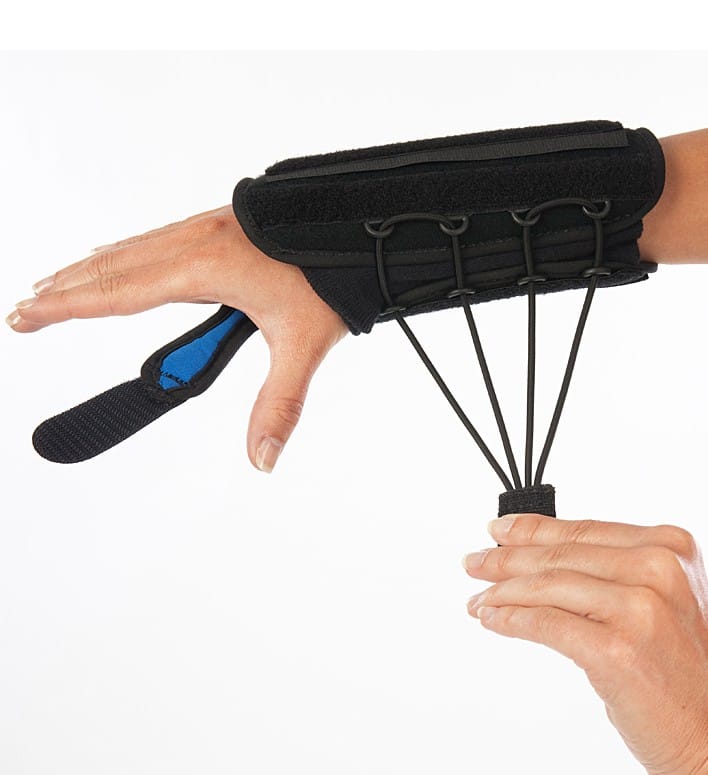
ProCare Quick-Fit II Wrist Brace
In Stock
$45.95
DonJoy OA Reaction Web Unloader Knee Brace
In Stock
$234.95
Elasto-Gel Neck/Back Support Roll
In Stock
Price range: $59.95 through $79.50
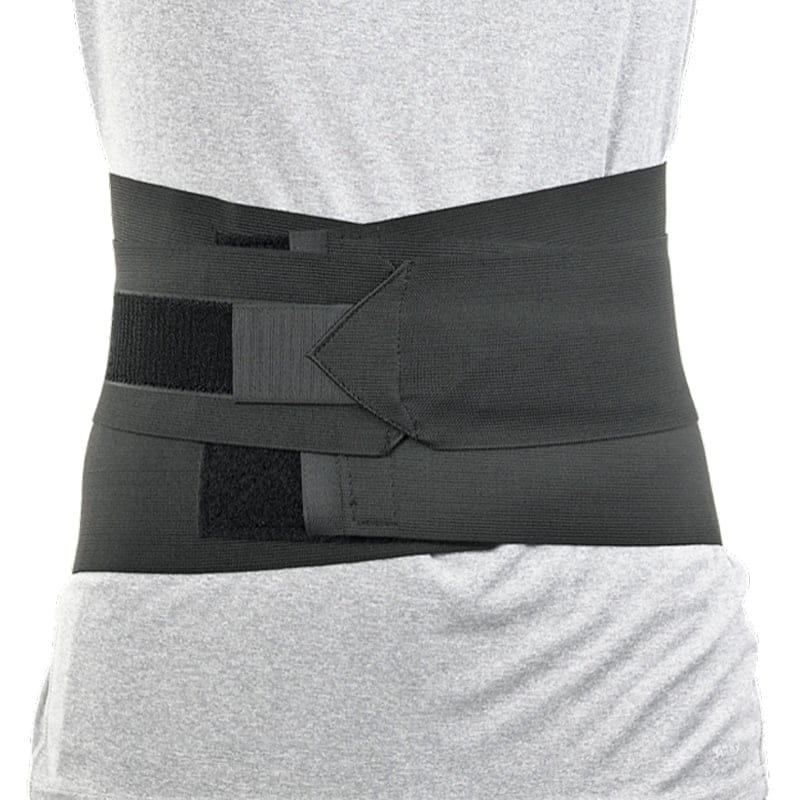
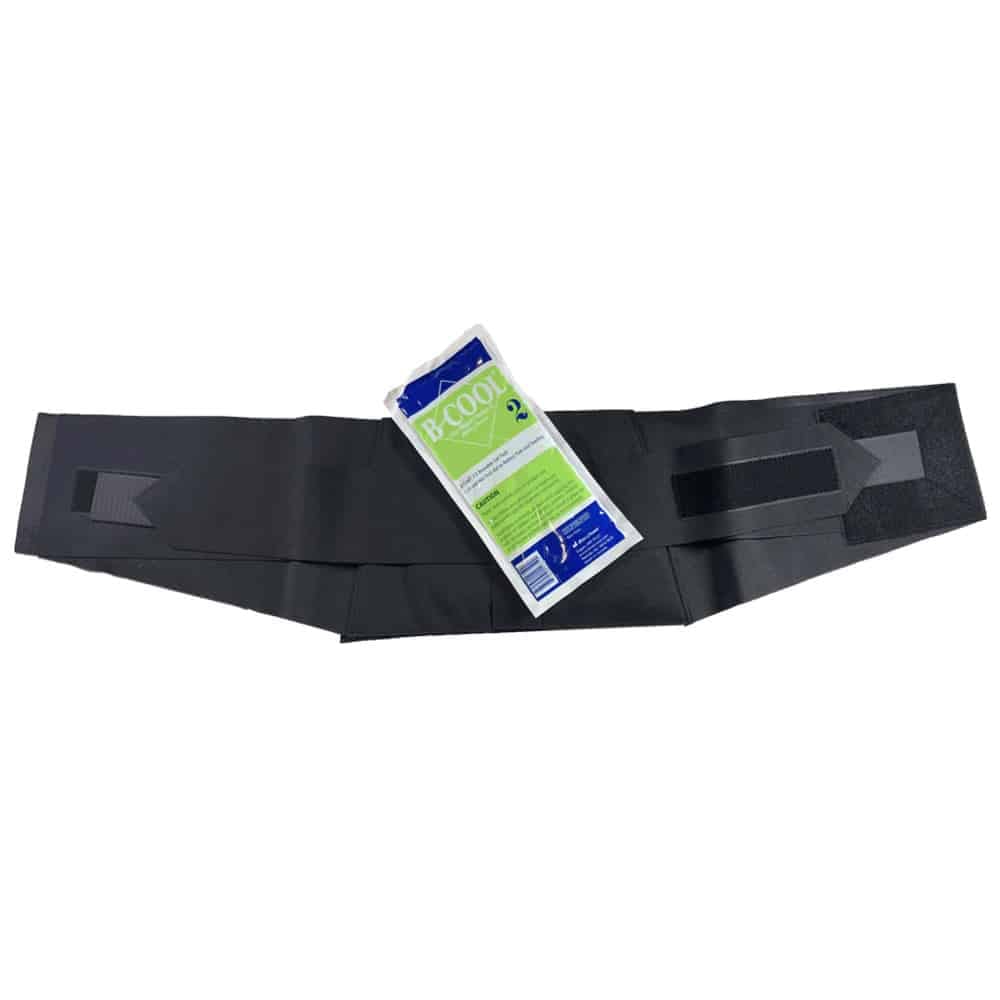
MKO Lumbosacral Support with Hot/Cold Pack
In Stock
$79.95

 SUPPORT SMALL CANADIAN BUSINESS


Reviews
There are no reviews yet