



The Graded Motor Imagery Handbook
$74.95
In stock (can be backordered)

Clinical Pricing Available!
The Physio Store is offering clinical pricing for all businesses / institutions in healthcare, healthcare professionals/students and fitness industry professionals.
We highly recommend you to sign up for our clinical pricing program, which will provide you with discounts on most of our products. We will also send out exclusive monthly specials, new ideas and new products on the market. Our company values the hard work and dedication of healthcare professionals and express gratitude by offering you special pricing and monthly deals.
Close

Manufacturer Warranty
Warranty & Returns
This book is covered by our 30-day defect guarantee from the date your order arrives. If your copy arrives with a manufacturing defect such as missing pages, misprints, or binding damage, please contact us and we’ll help make it right.
Please inspect your shipment immediately. If your order arrives damaged in transit or the incorrect item is received, notify us within 5 days of delivery so we can resolve the issue promptly.
Important: For hygiene and resale reasons, opened books are not eligible for refund. Approved warranty claims for defective items may be eligible for replacement or store credit, depending on availability.
To start a warranty or return request, contact our support team with your order number and clear photos showing the issue and packaging (if applicable). If approved, we’ll provide next steps.
Return Policy
Final Sale Item. This product is not eligible for return, refund, or exchange once purchased.
High-Risk Medical Devices & Hygienic Products
Certain items are designated as Final Sale due to their medical, personal-use, hygienic, or electrical nature. These products cannot be restocked or resold once opened or shipped.
This includes (but is not limited to):
- Electrotherapy devices (TENS, EMS, IFC units)
- Items that come into contact with skin or bodily areas
- Personal-use rehabilitation and pain management devices
- Electrical medical equipment
For health, safety, and product integrity reasons, these items are non-returnable regardless of usage.
Clearance & Special Order Items
Products marked as Clearance, Special Order, or End-of-Line are also Final Sale and not eligible for return due to limited inventory availability.
Exceptions apply only for defective, damaged, or incorrectly shipped items reported within 5 days of delivery.
By completing your purchase, you acknowledge and agree to these Final Sale terms prior to checkout.
For full details, please review our Return & Exchange Policy.

The Graded Motor Imagery Handbook
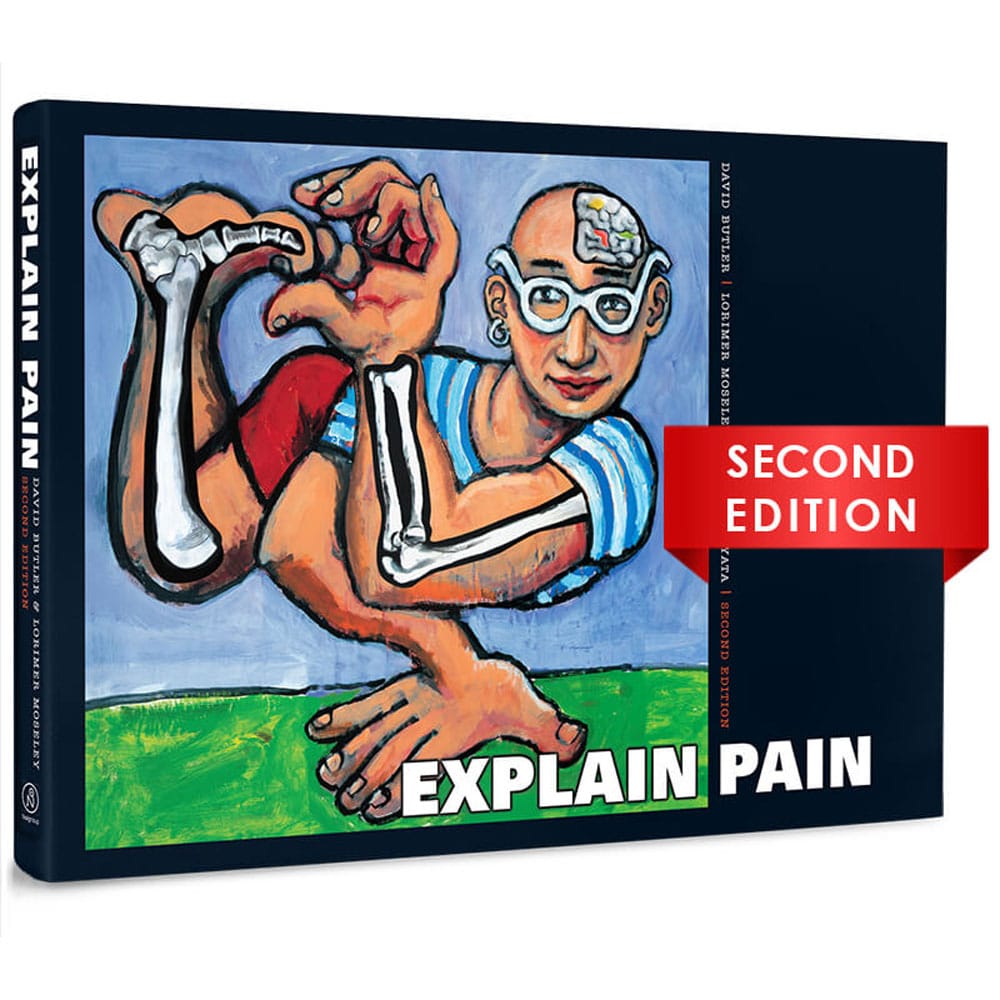
The Graded Motor Imagery Handbook by Noigroup is a practical guide to understanding and applying graded motor imagery, often shortened to GMI. Written by David Butler, Lorimer Moseley and Tim Beames, this handbook is designed for clinicians, students and people learning more about pain rehabilitation, neuroplasticity and brain-based movement retraining.
Graded motor imagery is commonly used in rehabilitation programs for complex pain and movement problems, especially when pain, sensitivity, altered body awareness or fear of movement makes direct exercise difficult. The GMI process is usually introduced in stages, beginning with left/right discrimination, then explicit motor imagery, and progressing toward mirror therapy when appropriate.
What is graded motor imagery?
- A staged rehabilitation process used for complex pain and movement problems
- Often used when the nervous system has become protective or sensitive
- Includes left/right discrimination, imagined movement and mirror therapy
- Designed to gradually exercise the brain before progressing physical movement
- Commonly used in pain science, physiotherapy, occupational therapy and neuro-rehabilitation settings
Why This Handbook Is Useful
This updated Noigroup handbook provides a deeper understanding of graded motor imagery and how it can be applied clinically. NOI notes that the text has been refreshed, the references expanded, and Chapter 5 rewritten with detailed instructions for using the full GMI toolkit.
Helpful for clinicians and pain rehabilitation programs
- Explains the science and clinical reasoning behind graded motor imagery
- Breaks down the three-stage GMI process in a practical way
- Supports clinicians working with complex pain, neuropathic pain and movement sensitivity
- Connects GMI concepts with tools such as Recognise apps and mirror therapy
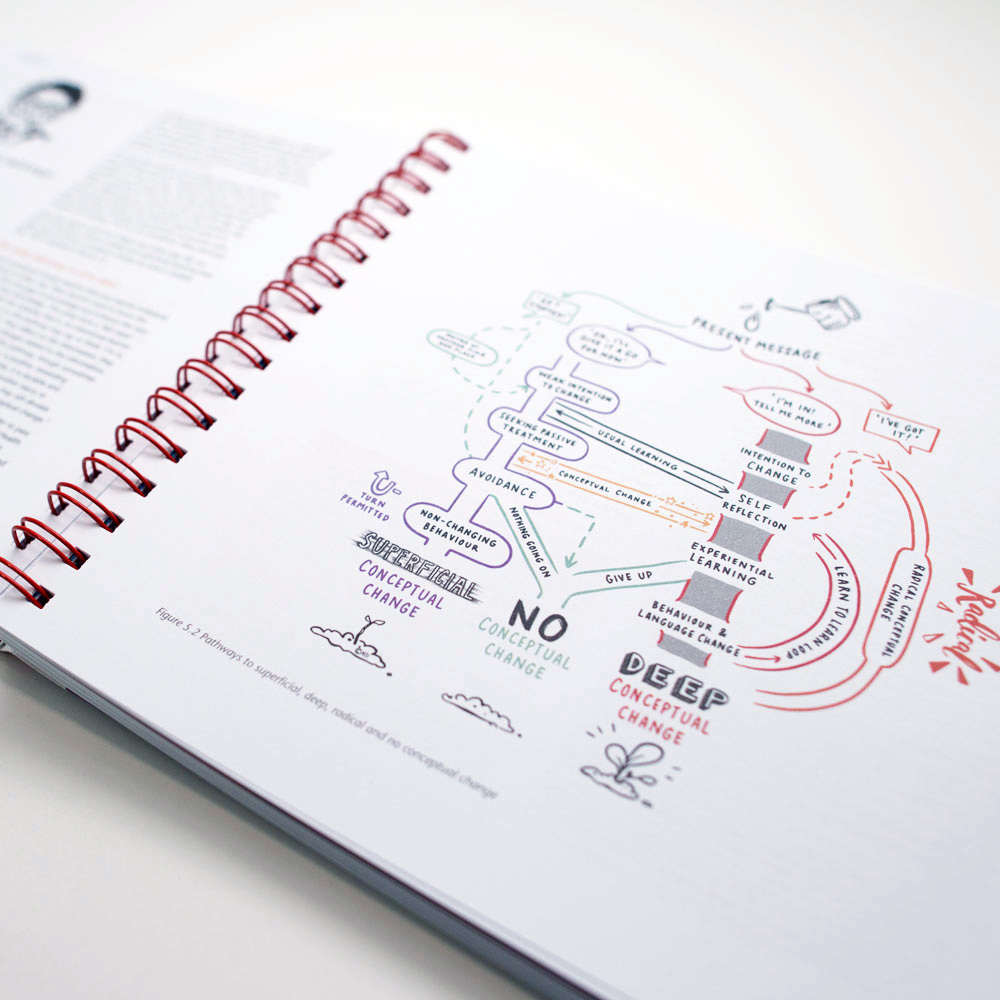
- Includes illustrations and diagrams to support learning
- Useful for physiotherapists, occupational therapists, rehabilitation professionals and students
The Three Stages of Graded Motor Imagery
NOI describes graded motor imagery as a three-stage process. These stages are generally used sequentially, but they may also require a flexible approach based on the person’s symptoms, progress and clinical reasoning.
Stage 1: Left/right discrimination
- The person practises recognizing whether images show a left or right body part.
- This stage is commonly supported by NOI Recognise apps or flash cards.
- The goal is to train speed and accuracy in body-part recognition.
Stage 2: Explicit motor imagery
- The person imagines movement without physically moving the affected body part.
- This can help activate movement-related brain areas without directly provoking the painful area.
- Imagery may be graded carefully based on pain, confidence and sensitivity.
Stage 3: Mirror therapy
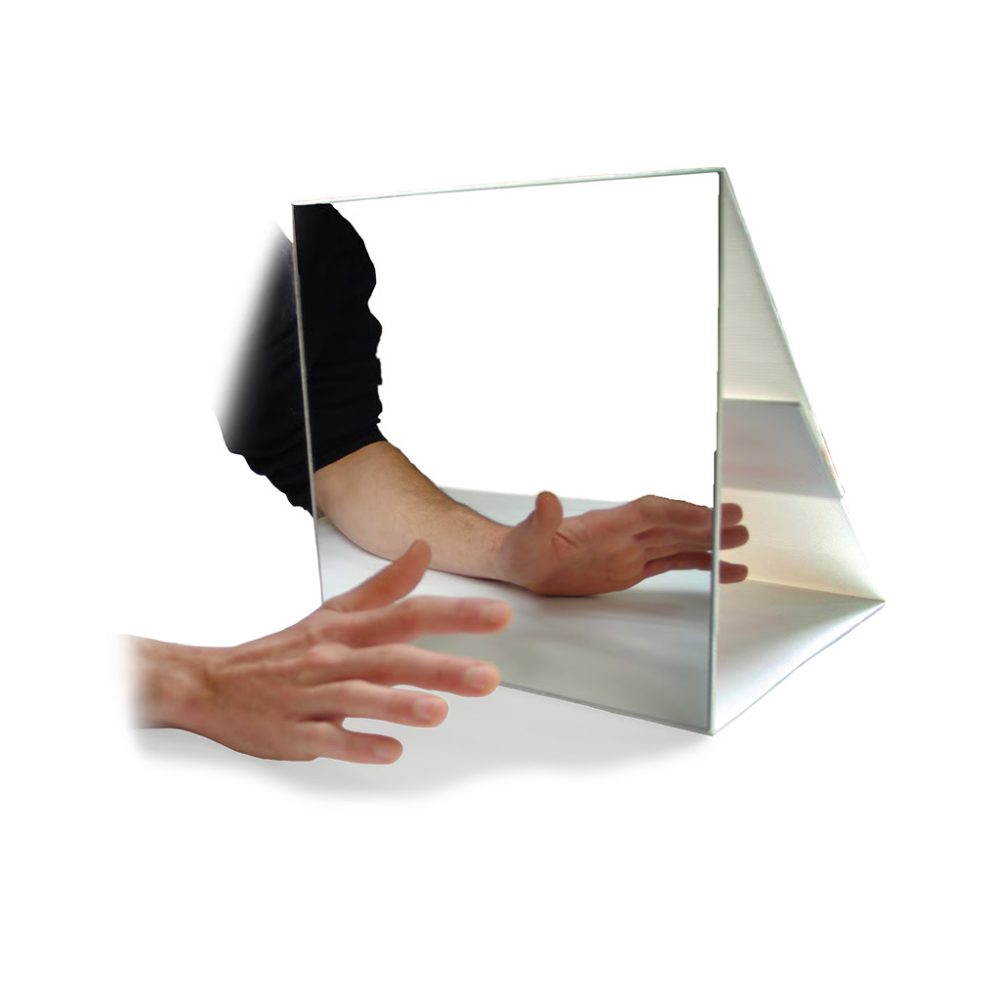
- Mirror therapy uses a mirror to create the visual illusion of comfortable movement.
- The non-affected limb is reflected in the mirror while the affected limb is hidden from view.
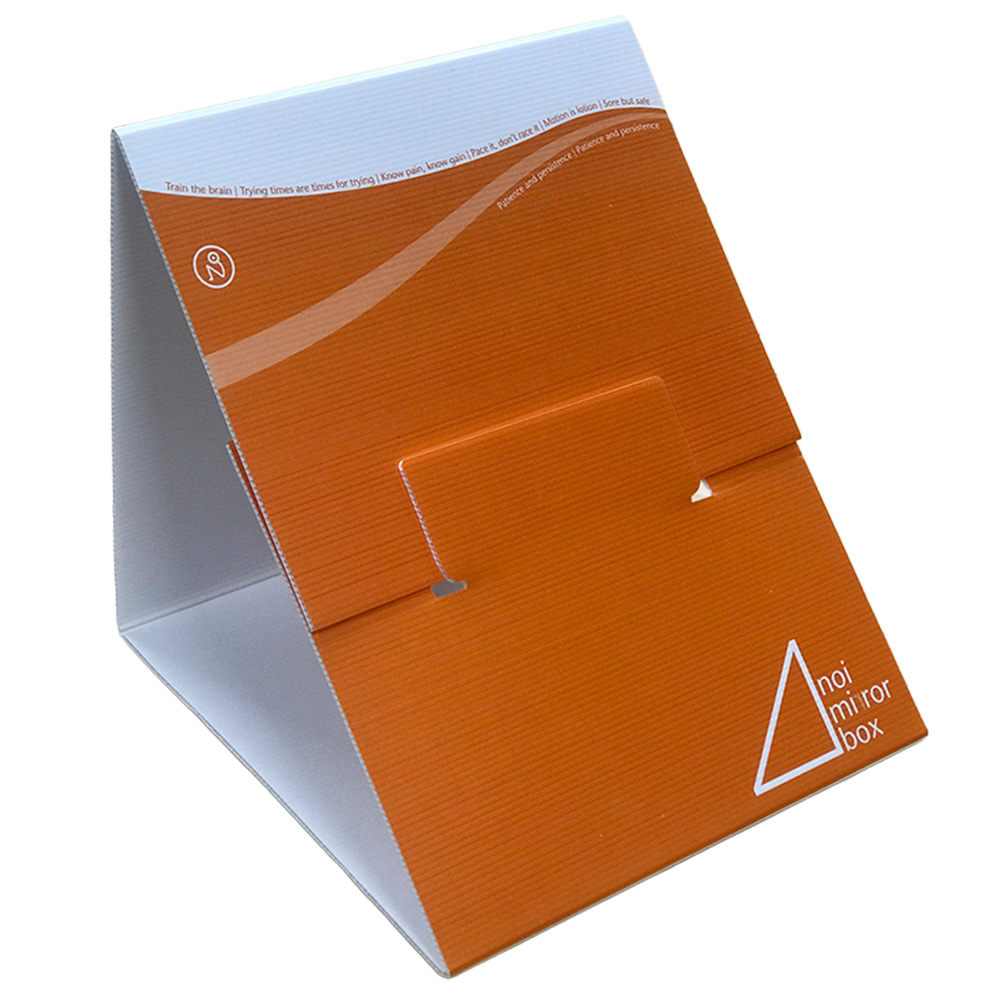
- This stage is often supported by a mirror box when appropriate.
Who Is This Book For?
The Graded Motor Imagery Handbook is a strong fit for healthcare professionals and students who want a clearer understanding of GMI in clinical practice. It may also be helpful for patients who are working with a clinician and want to better understand the process behind their rehabilitation program.
Common readers include
- Physiotherapists
- Occupational therapists
- Hand therapists
- Pain clinicians
- Rehabilitation professionals
- Students in physiotherapy, occupational therapy, kinesiology or rehabilitation programs
- Patients following a clinician-guided graded motor imagery program
Common Clinical Topics
May support learning around
- Complex pain and neuropathic pain rehabilitation
- Complex regional pain syndrome (CRPS)
- Phantom limb pain
- Altered body awareness
- Movement sensitivity and fear of movement
- Post-injury or post-immobilization rehabilitation
- Mirror therapy programs
- Left/right discrimination training
- Recognise app use in clinical practice
About the Authors
Written by leading pain science educators
- David Butler brings a clinical and educational perspective to pain science, curiosity and patient learning.
- Lorimer Moseley contributes a research-focused perspective on pain, neuroscience and the brain’s representation of the body.
- Tim Beames adds clinical reasoning and patient-therapist narratives to help explain progression through the GMI stages.
Product Details
| Title | The Graded Motor Imagery Handbook |
|---|---|
| Authors | Prof G. Lorimer Moseley, Dr David S. Butler, Timothy B. Beames |
| Brand / Publisher | Noigroup |
| Product Type | Print book |
| ISBN | 978-0-9872467-5-2 |
| Format | Canadian half wire-bound |
| Length | 136 pages including illustrations and diagrams |
| SKU | BTGMIB |
Helpful NOI Resources
Apps, evidence and learning links
Available from The Physio Store in Canada
The Physio Store supplies Noigroup books and pain science resources across Canada. Clinical pricing and volume options may be available for healthcare professionals, universities, hospitals, clinics and organizations purchasing multiple copies.
Related Products and Categories
Build a graded motor imagery toolkit
Frequently Asked Questions
What is The Graded Motor Imagery Handbook about?
The Graded Motor Imagery Handbook explains the science and clinical use of graded motor imagery, including left/right discrimination, explicit motor imagery and mirror therapy. It is designed to help clinicians and learners understand how GMI can be used in complex pain and movement rehabilitation.
Who wrote The Graded Motor Imagery Handbook?
The handbook was written by Prof G. Lorimer Moseley, Dr David S. Butler and Timothy B. Beames, three well-known contributors to pain science, clinical reasoning and graded motor imagery education.
What is graded motor imagery?
Graded motor imagery, or GMI, is a staged rehabilitation process that helps exercise the brain before progressing physical movement. It commonly includes left/right discrimination, imagined movements and mirror therapy.
Is this book for clinicians or patients?
The handbook is especially useful for physiotherapists, occupational therapists, pain clinicians, hand therapists and rehabilitation students. It may also be helpful for patients who are working with a clinician and want to better understand their graded motor imagery program.
What conditions is graded motor imagery used for?
Graded motor imagery is commonly discussed in relation to complex pain and movement problems, including neuropathic pain, complex regional pain syndrome (CRPS), phantom limb pain, altered body awareness and movement sensitivity. It should be applied based on clinical reasoning and individual presentation.
Does this book explain mirror therapy?
Yes. Mirror therapy is one of the three commonly described stages of graded motor imagery. The handbook helps explain how mirror therapy fits into the broader GMI process.
Does this book discuss the Recognise apps?
Yes. NOI notes that the handbook update reflects the evolution of Recognise online software into the more accessible Recognise apps. Recognise apps are commonly used for left/right discrimination training.
What is the format of the book?
The Graded Motor Imagery Handbook is a print book in Canadian half wire-bound format. It has 136 pages and includes illustrations and diagrams.
What is the ISBN for The Graded Motor Imagery Handbook?
The ISBN is 978-0-9872467-5-2.
Can clinics, hospitals or universities order multiple copies?
Yes. The Physio Store can support clinical and volume inquiries for healthcare professionals, hospitals, universities, clinics and organizations that need multiple Noigroup books or pain science resources.
Is graded motor imagery the same as mirror therapy?
No. Mirror therapy is one stage of graded motor imagery. GMI usually starts with left/right discrimination, then progresses to imagined movement, and may then include mirror therapy when appropriate.
Should graded motor imagery be done with a clinician?
For complex pain, CRPS, phantom limb pain, stroke rehabilitation or highly sensitive symptoms, graded motor imagery is best introduced with guidance from a qualified clinician familiar with pain science and rehabilitation.
| Weight | 480 g |
|---|---|
| Dimensions | 28 × 30 × 2 cm |
| Availability |
Now available in-store at 22635 Komoka Road Komoka N0L1R0 Powered With Oliver Pos |
|---|
What is The Graded Motor Imagery Handbook about?
The Graded Motor Imagery Handbook explains the science and clinical use of graded motor imagery, including left/right discrimination, explicit motor imagery and mirror therapy. It is designed to help clinicians and learners understand how GMI can be used in complex pain and movement rehabilitation.
Who wrote The Graded Motor Imagery Handbook?
The handbook was written by Prof G. Lorimer Moseley, Dr David S. Butler and Timothy B. Beames, three well-known contributors to pain science, clinical reasoning and graded motor imagery education.
What is graded motor imagery?
Graded motor imagery, or GMI, is a staged rehabilitation process that helps exercise the brain before progressing physical movement. It commonly includes left/right discrimination, imagined movements and mirror therapy.
Is this book for clinicians or patients?
The handbook is especially useful for physiotherapists, occupational therapists, pain clinicians, hand therapists and rehabilitation students. It may also be helpful for patients who are working with a clinician and want to better understand their graded motor imagery program.
What conditions is graded motor imagery used for?
Graded motor imagery is commonly discussed in relation to complex pain and movement problems, including neuropathic pain, complex regional pain syndrome (CRPS), phantom limb pain, altered body awareness and movement sensitivity. It should be applied based on clinical reasoning and individual presentation.
Does this book explain mirror therapy?
Yes. Mirror therapy is one of the three commonly described stages of graded motor imagery. The handbook helps explain how mirror therapy fits into the broader GMI process.
Does this book discuss the Recognise apps?
Yes. NOI notes that the handbook update reflects the evolution of Recognise online software into the more accessible Recognise apps. Recognise apps are commonly used for left/right discrimination training.
What is the format of the book?
The Graded Motor Imagery Handbook is a print book in Canadian half wire-bound format. It has 136 pages and includes illustrations and diagrams.
What is the ISBN for The Graded Motor Imagery Handbook?
The ISBN is 978-0-9872467-5-2.
Can clinics, hospitals or universities order multiple copies?
Yes. The Physio Store can support clinical and volume inquiries for healthcare professionals, hospitals, universities, clinics and organizations that need multiple Noigroup books or pain science resources.
Is graded motor imagery the same as mirror therapy?
No. Mirror therapy is one stage of graded motor imagery. GMI usually starts with left/right discrimination, then progresses to imagined movement, and may then include mirror therapy when appropriate.
Should graded motor imagery be done with a clinician?
For complex pain, CRPS, phantom limb pain, stroke rehabilitation or highly sensitive symptoms, graded motor imagery is best introduced with guidance from a qualified clinician familiar with pain science and rehabilitation.
You may also like…


Related products
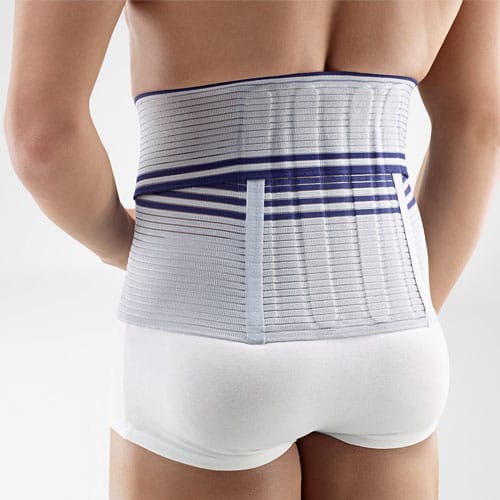
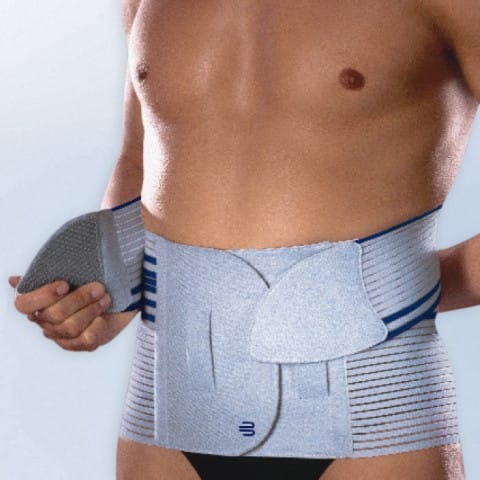
Bauerfeind LordoLoc Lower Back Brace
In Stock
$267.00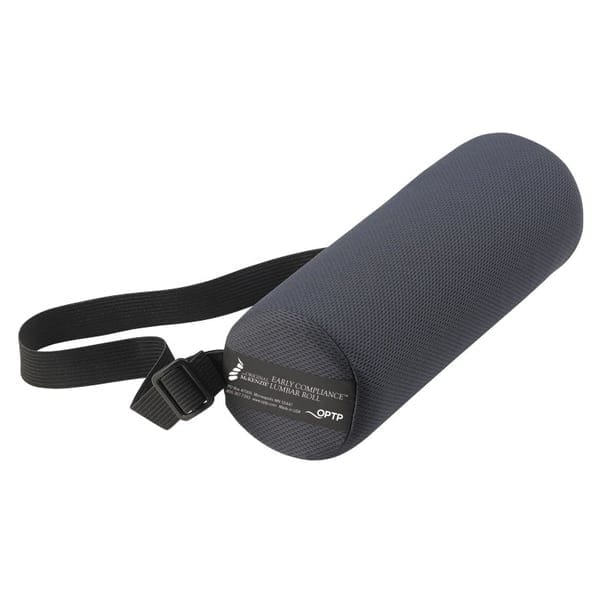
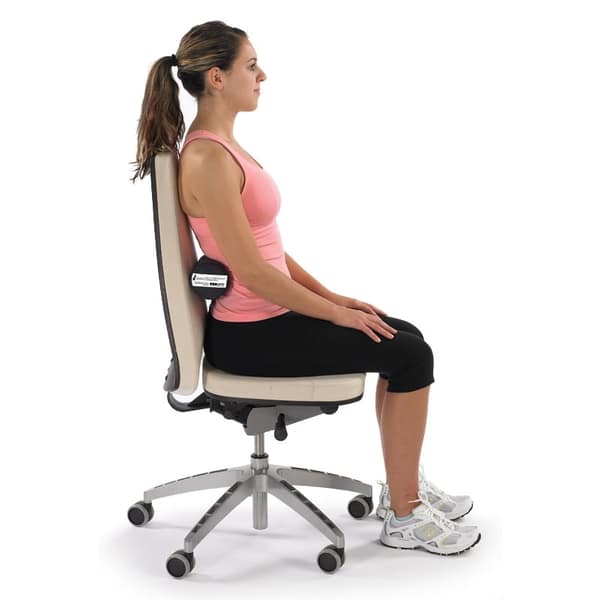
Original McKenzie Early Compliance Lumbar Roll
In Stock(25 Units)
Original price was: $39.95.$28.95Current price is: $28.95.



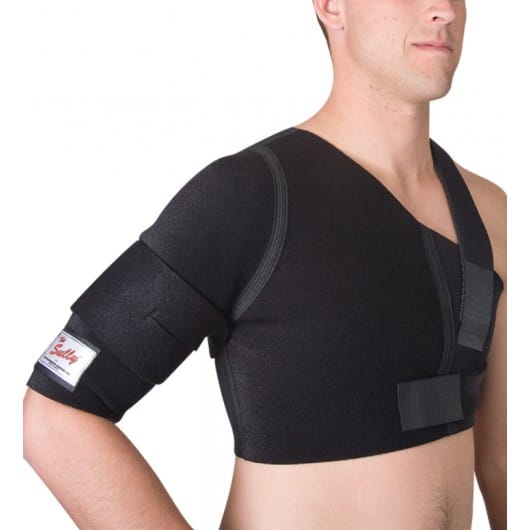
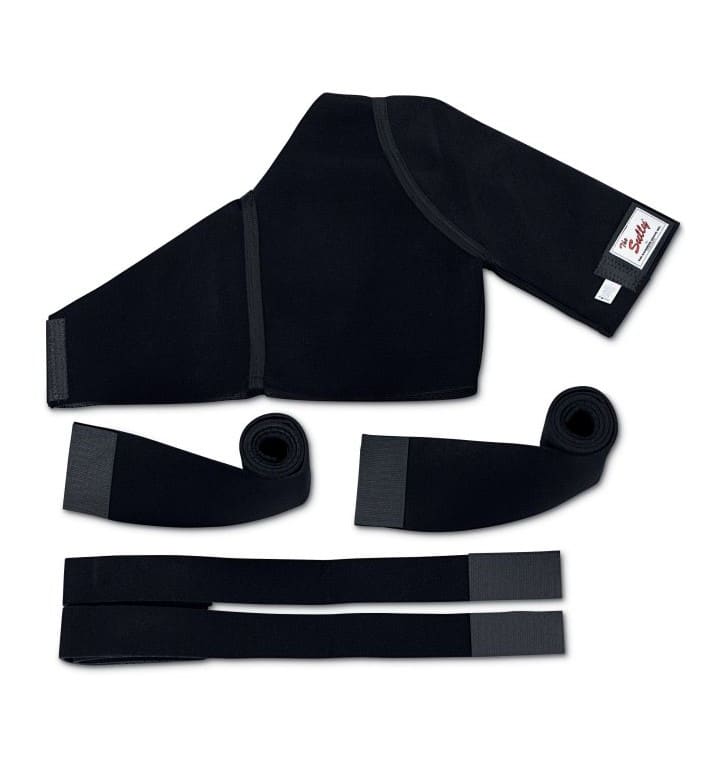
DonJoy Sully® Shoulder Stabilizer Brace
In Stock
$349.95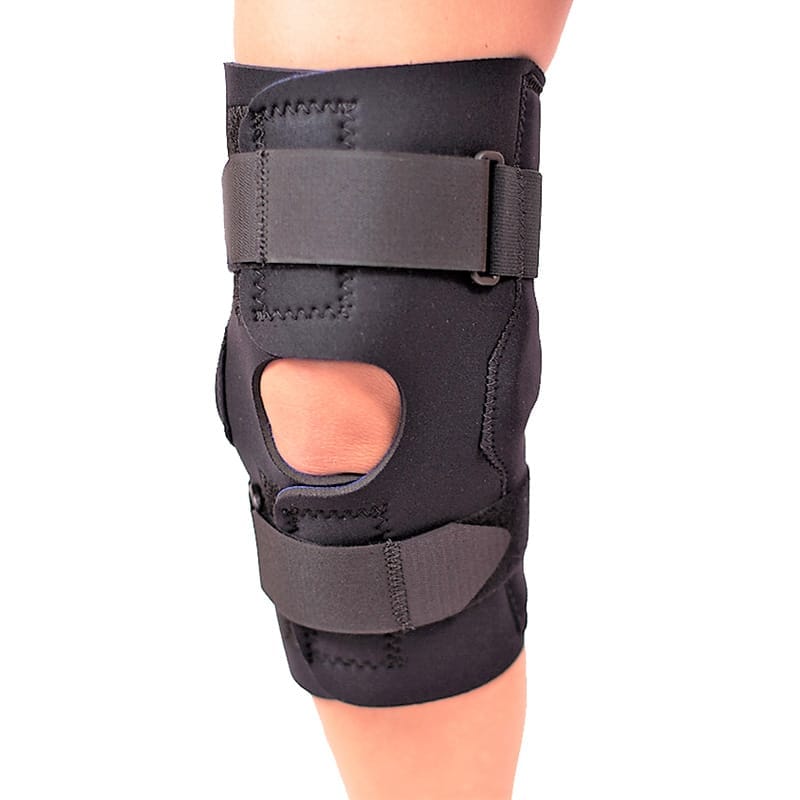
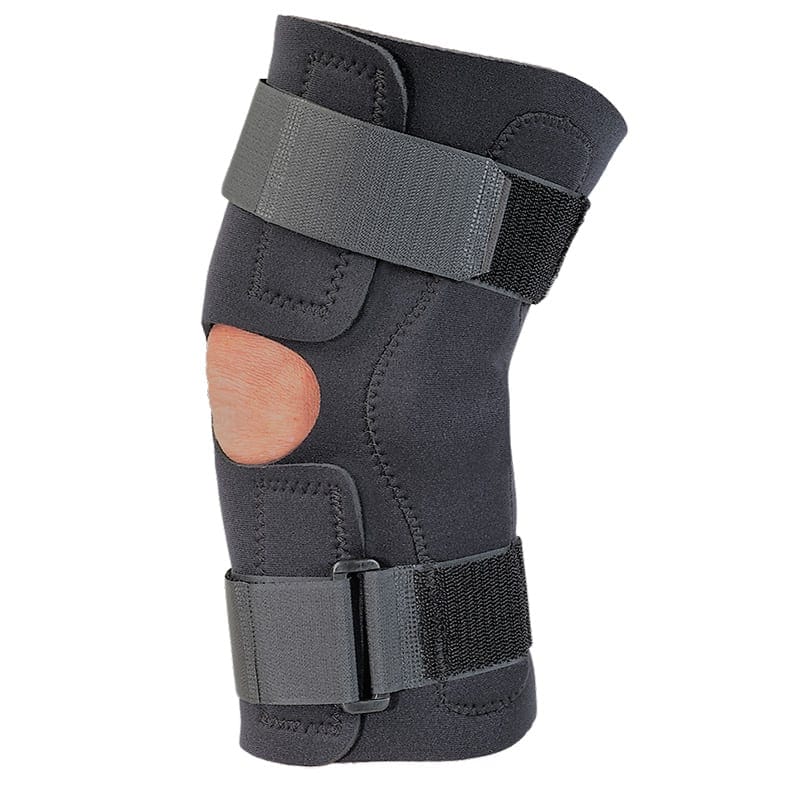
MKO Hinged Knee Wrap
In Stock
$89.99
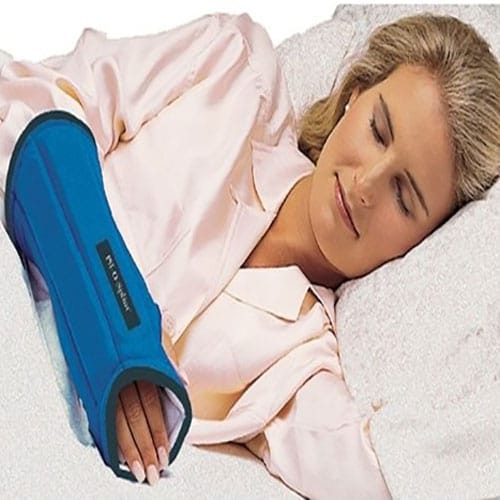
Procare Imak Pil-O-Splint – Wrist Night Splint
In Stock
$66.95

 SUPPORT SMALL CANADIAN BUSINESS


Reviews
There are no reviews yet