



NOI Recognise Flash Cards: Hand
$59.95
In stock (can be backordered)

Clinical Pricing Available!
The Physio Store is offering clinical pricing for all businesses / institutions in healthcare, healthcare professionals/students and fitness industry professionals.
We highly recommend you to sign up for our clinical pricing program, which will provide you with discounts on most of our products. We will also send out exclusive monthly specials, new ideas and new products on the market. Our company values the hard work and dedication of healthcare professionals and express gratitude by offering you special pricing and monthly deals.
Close

Manufacturer Warranty
Warranty & Returns
This book is covered by our 30-day defect guarantee from the date your order arrives. If your copy arrives with a manufacturing defect such as missing pages, misprints, or binding damage, please contact us and we’ll help make it right.
Please inspect your shipment immediately. If your order arrives damaged in transit or the incorrect item is received, notify us within 5 days of delivery so we can resolve the issue promptly.
Important: For hygiene and resale reasons, opened books are not eligible for refund. Approved warranty claims for defective items may be eligible for replacement or store credit, depending on availability.
To start a warranty or return request, contact our support team with your order number and clear photos showing the issue and packaging (if applicable). If approved, we’ll provide next steps.
Return Policy
Final Sale Item. This product is not eligible for return, refund, or exchange once purchased.
High-Risk Medical Devices & Hygienic Products
Certain items are designated as Final Sale due to their medical, personal-use, hygienic, or electrical nature. These products cannot be restocked or resold once opened or shipped.
This includes (but is not limited to):
- Electrotherapy devices (TENS, EMS, IFC units)
- Items that come into contact with skin or bodily areas
- Personal-use rehabilitation and pain management devices
- Electrical medical equipment
For health, safety, and product integrity reasons, these items are non-returnable regardless of usage.
Clearance & Special Order Items
Products marked as Clearance, Special Order, or End-of-Line are also Final Sale and not eligible for return due to limited inventory availability.
Exceptions apply only for defective, damaged, or incorrectly shipped items reported within 5 days of delivery.
By completing your purchase, you acknowledge and agree to these Final Sale terms prior to checkout.
For full details, please review our Return & Exchange Policy.

NOI Recognise Flash Cards: Hand
NOI Recognise Flash Cards: Hand are designed for clinicians and rehabilitation professionals who use Graded Motor Imagery, laterality training, and pain science-based rehabilitation strategies.
The cards help assess and train a person’s ability to quickly recognise left and right hand images. This skill is often called left/right discrimination or laterality recognition. In some persistent pain conditions, the brain’s ability to quickly and accurately identify left and right body parts may become altered. Therefore, laterality training may be used as an early stage in a broader Graded Motor Imagery program.
Clinical Tool for Graded Motor Imagery
- Designed for left/right hand discrimination training
- Useful as part of a comprehensive Graded Motor Imagery program
- Can be used for assessment, practice, games, and home programming
- Helps add variety beyond app-based laterality training
- Designed for use under appropriate clinical guidance
What Are Recognise Hand Flash Cards Used For?
NOI Recognise Hand Flash Cards are used to test and train whether a person can identify hand images as left or right. The cards show hands in different positions and orientations, requiring the user to make quick left/right decisions without physically moving into painful positions.
This makes the cards especially useful when direct movement may be uncomfortable, limited, or not yet appropriate. As a result, they can support early-stage rehabilitation where the goal is to work with the brain’s representation of movement before progressing to more direct physical tasks.
Part of the Graded Motor Imagery Process
Graded Motor Imagery, often shortened to GMI, is a structured rehabilitation approach that may include:
- Left/right discrimination training
- Motor imagery
- Mirror therapy
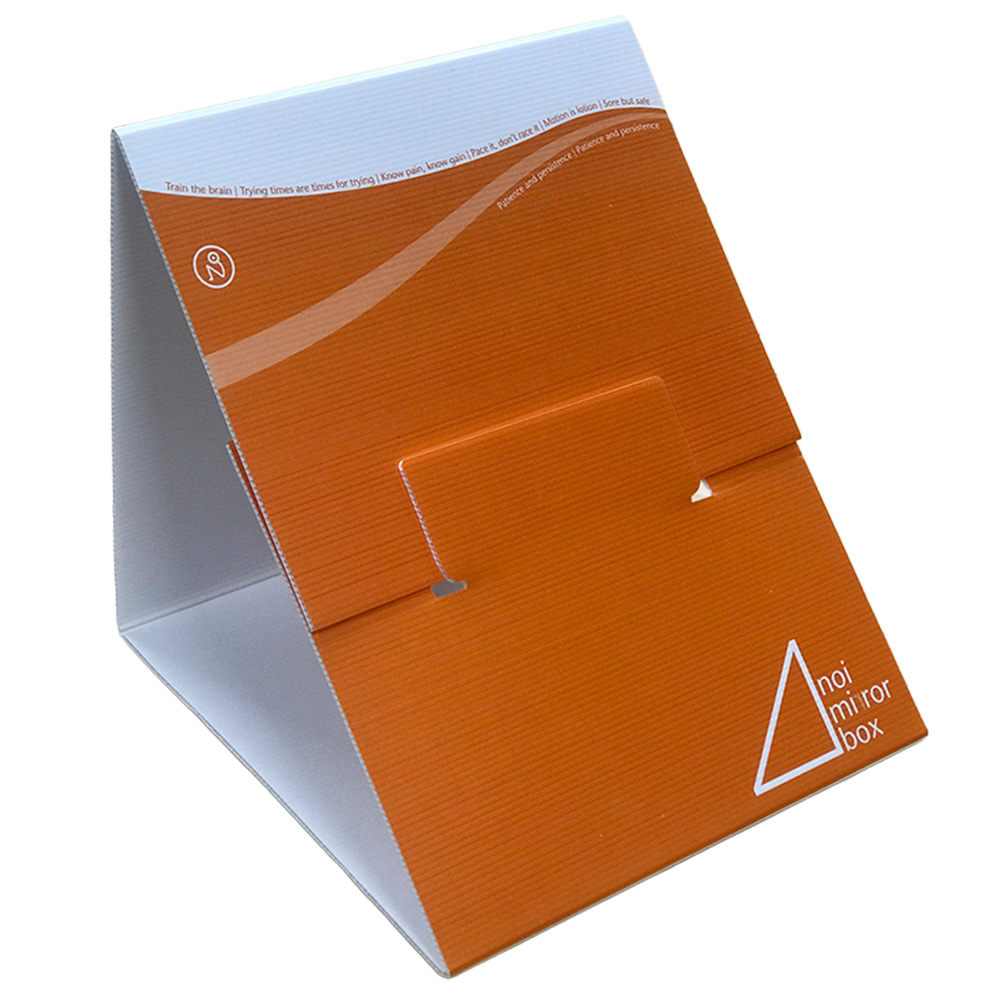
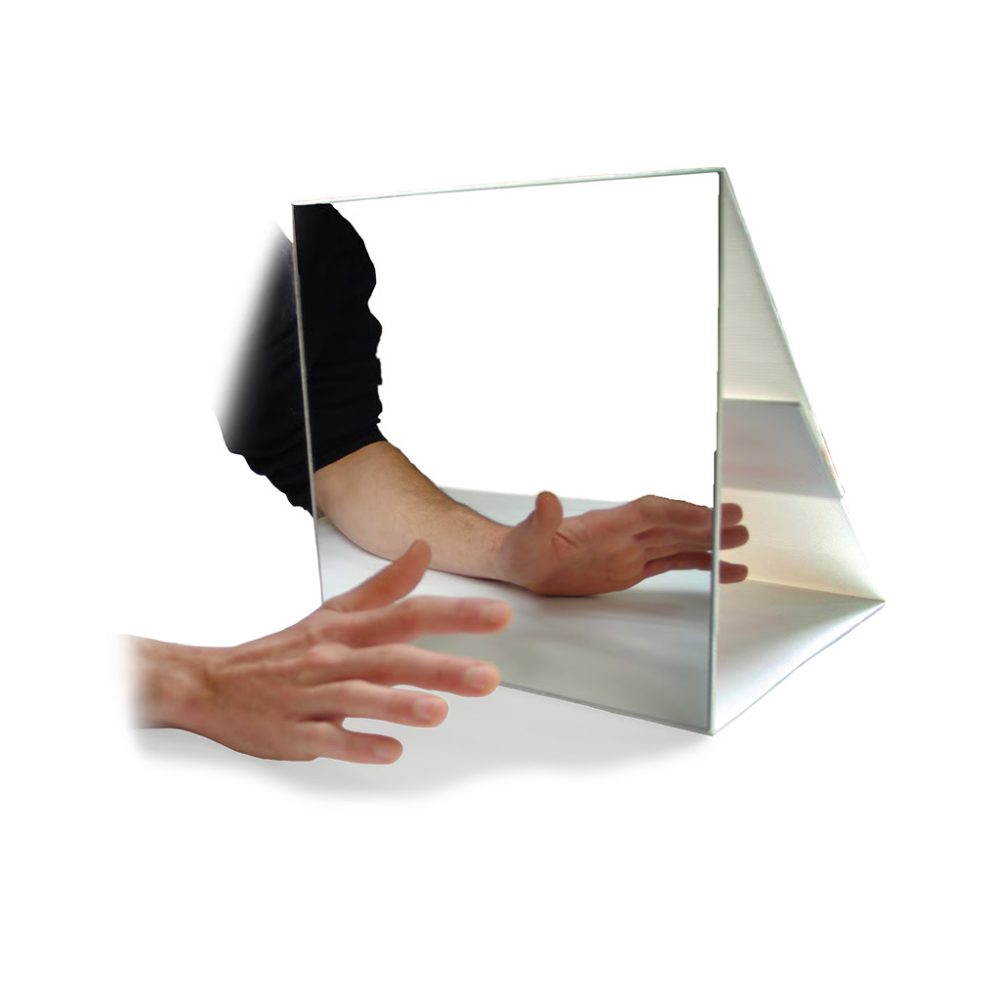
The Recognise Hand Flash Cards are mainly used in the left/right discrimination stage. They can also be used alongside the Recognise App, the NOI Mirror Box, and The Graded Motor Imagery Handbook for a more complete clinical program.
Good to Know
- These cards are not general children’s flash cards.
- They are intended as a clinical rehabilitation and pain science education tool.
- They should be used as part of an appropriate assessment and treatment plan.
- For persistent pain, CRPS, phantom limb pain, or complex presentations, clinical guidance is recommended.
What Is Included?
- 48 hand image cards
- 24 left hand images
- 24 matching right hand images
- Durable plastic-coated card construction
- Non-permanent marker for writing on the reverse side
- Instruction sheet
- Reference list
- Suggestions for games and practice activities
- Sturdy box or storage container
Who Uses NOI Recognise Hand Flash Cards?
These flash cards are commonly used by clinicians and educators who work with pain, rehabilitation, motor control, and body awareness.
- Physiotherapists
- Occupational therapists
- Pain clinicians
- Hand therapists
- Rehabilitation clinics
- Hospitals and university programs
- Clinicians using Graded Motor Imagery or pain neuroscience education
Common Clinical Applications
NOI Recognise Hand Flash Cards may be considered in rehabilitation programs involving:
- Persistent hand or wrist pain
- Complex regional pain syndrome, often called CRPS
- Phantom limb pain
- Altered body perception or laterality recognition changes
- Upper limb pain where movement is painful or threatening
- Graded Motor Imagery education and training
Clinical Use Reminder
- These cards are a rehabilitation tool, not a stand-alone cure.
- They are best used within a structured treatment plan.
- Progression should be based on the individual’s symptoms, tolerance, and clinical presentation.
Product Details
| Product Name | NOI Recognise Flash Cards: Hand |
|---|---|
| Brand | NOI Group |
| Product Type | Clinical flash cards / Graded Motor Imagery tool |
| Body Region | Hand |
| Training Focus | Left/right hand discrimination |
| Card Count | 48 image cards |
| Image Breakdown | 24 left hand images and 24 matching right hand images |
| Material | Durable plastic-coated cards |
| Included Accessories | Non-permanent marker, instruction sheet, reference list, game suggestions, and storage container |
| Recommended Use | For use under clinical guidance as part of a Graded Motor Imagery program |
How These Cards Support Rehabilitation
The cards can be used to create quick recognition tasks, timed sorting activities, matching exercises, and clinician-guided games. Because the images vary in position and orientation, they encourage the user to practise identifying left and right hands without needing to repeatedly move into painful ranges.
This can be especially helpful when the goal is to build confidence, improve recognition speed, and gradually prepare the nervous system for later stages of movement-based rehabilitation.
Related NOI Group Products
- NOI Recognise Flash Cards: Foot
- NOI Recognise Flash Cards: Back
- NOI Recognise Flash Cards: Neck
- NOI Recognise Flash Cards: Shoulder
- NOI Recognise Flash Cards: Knee
- NOI Mirror Box
- The Graded Motor Imagery Handbook
- Explain Pain resources
Available from The Physio Store in Canada
The Physio Store carries NOI Group pain science and Graded Motor Imagery resources for Canadian clinicians, clinics, universities, hospitals, and rehabilitation programs. Clinical and volume pricing may be available for eligible healthcare and educational accounts.
Videos
Frequently Asked Questions
What are NOI Recognise Hand Flash Cards used for?
NOI Recognise Hand Flash Cards are used to assess and train left/right hand discrimination. They are commonly used as part of a Graded Motor Imagery rehabilitation program for people with persistent pain, altered body awareness, or difficulty quickly identifying left and right hand images.
What is left/right discrimination?
Left/right discrimination is the ability to quickly recognise whether an image shows a left or right body part. In rehabilitation, this skill is often trained before progressing to imagined movement or mirror therapy.
Are these cards part of Graded Motor Imagery?
Yes. Recognise Hand Flash Cards are used in the laterality or left/right discrimination stage of Graded Motor Imagery. They may be used alongside motor imagery, mirror therapy, the Recognise App, and The Graded Motor Imagery Handbook.
How many cards are included?
Each set includes 48 hand image cards, with 24 left hand images and 24 matching right hand images.
What comes with the NOI Recognise Hand Flash Card set?
The set includes durable plastic-coated cards, a non-permanent marker, an instruction sheet, a reference list, game suggestions, and a sturdy storage container.
Who commonly uses these hand flash cards?
They are commonly used by physiotherapists, occupational therapists, hand therapists, pain clinicians, rehabilitation clinics, hospitals, and university programs that teach or apply Graded Motor Imagery.
Can patients use these flash cards at home?
They may be used at home when recommended by a clinician. For persistent pain, CRPS, phantom limb pain, or complex symptoms, it is best to use them as part of a guided treatment plan.
Are these cards only for hand pain?
They are designed specifically for hand laterality training, so they are most relevant for hand, wrist, and upper limb rehabilitation programs. NOI also makes Recognise Flash Card sets for other body regions.
Are these the same as the Recognise App?
No. The flash cards are physical cards, while the Recognise App is digital. Many clinicians use both because physical cards can add variety, social interaction, games, and hands-on practice.
Can these cards help with CRPS?
They may be used as part of a Graded Motor Imagery program for complex pain presentations such as CRPS, but they should not be viewed as a stand-alone treatment. Clinical assessment and guidance are recommended.
Are the cards durable?
Yes. The cards are made from durable plastic-coated card material, making them suitable for repeated clinic use.
Is this product returnable?
We recommend treating this as a final sale educational and clinical-use item once opened, especially because it is a handled card-based product used in clinical or home therapy settings.
| Weight | 480 g |
|---|---|
| Dimensions | 28 × 30 × 2 cm |
| Availability |
Now available in-store at 22635 Komoka Road Komoka N0L1R0 Powered With Oliver Pos |
|---|
What are NOI Recognise Hand Flash Cards used for?
NOI Recognise Hand Flash Cards are used to assess and train left/right hand discrimination. They are commonly used as part of a Graded Motor Imagery rehabilitation program for people with persistent pain, altered body awareness, or difficulty quickly identifying left and right hand images.
What is left/right discrimination?
Left/right discrimination is the ability to quickly recognise whether an image shows a left or right body part. In rehabilitation, this skill is often trained before progressing to imagined movement or mirror therapy.
Are these cards part of Graded Motor Imagery?
Yes. Recognise Hand Flash Cards are used in the laterality or left/right discrimination stage of Graded Motor Imagery. They may be used alongside motor imagery, mirror therapy, the Recognise App, and The Graded Motor Imagery Handbook.
How many cards are included?
Each set includes 48 hand image cards, with 24 left hand images and 24 matching right hand images.
What comes with the NOI Recognise Hand Flash Card set?
The set includes durable plastic-coated cards, a non-permanent marker, an instruction sheet, a reference list, game suggestions, and a sturdy storage container.
Who commonly uses these hand flash cards?
They are commonly used by physiotherapists, occupational therapists, hand therapists, pain clinicians, rehabilitation clinics, hospitals, and university programs that teach or apply Graded Motor Imagery.
Can patients use these flash cards at home?
They may be used at home when recommended by a clinician. For persistent pain, CRPS, phantom limb pain, or complex symptoms, it is best to use them as part of a guided treatment plan.
Are these cards only for hand pain?
They are designed specifically for hand laterality training, so they are most relevant for hand, wrist, and upper limb rehabilitation programs. NOI also makes Recognise Flash Card sets for other body regions.
Are these the same as the Recognise App?
No. The flash cards are physical cards, while the Recognise App is digital. Many clinicians use both because physical cards can add variety, social interaction, games, and hands-on practice.
Can these cards help with CRPS?
They may be used as part of a Graded Motor Imagery program for complex pain presentations such as CRPS, but they should not be viewed as a stand-alone treatment. Clinical assessment and guidance are recommended.
Are the cards durable?
Yes. The cards are made from durable plastic-coated card material, making them suitable for repeated clinic use.
Is this product returnable?
We recommend treating this as a final sale educational and clinical-use item once opened, especially because it is a handled card-based product used in clinical or home therapy settings.
You may also like…


Related products
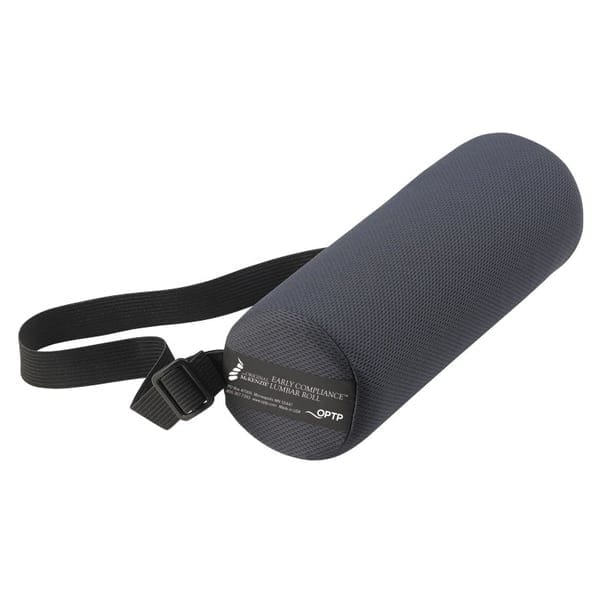
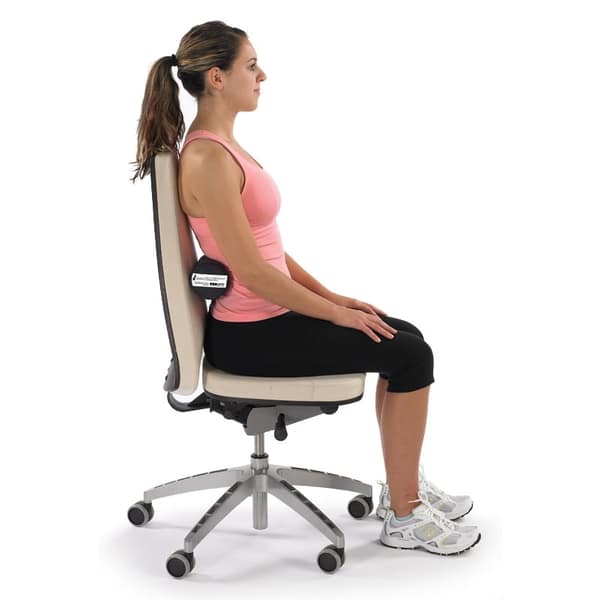
Original McKenzie Early Compliance Lumbar Roll
In Stock(25 Units)
Original price was: $39.95.$28.95Current price is: $28.95.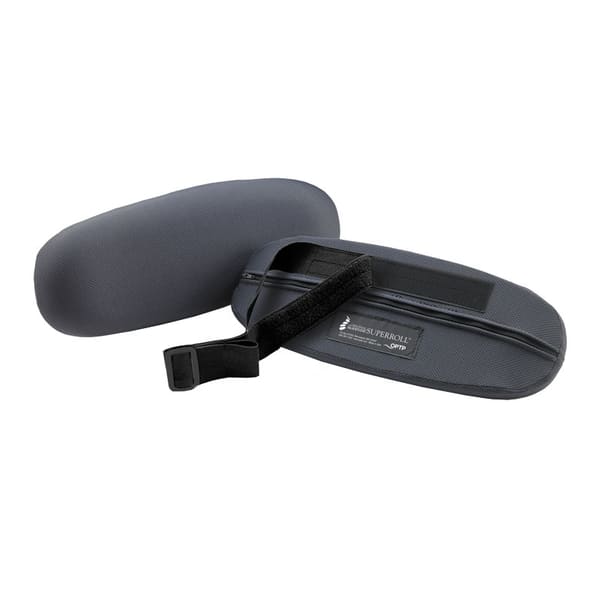
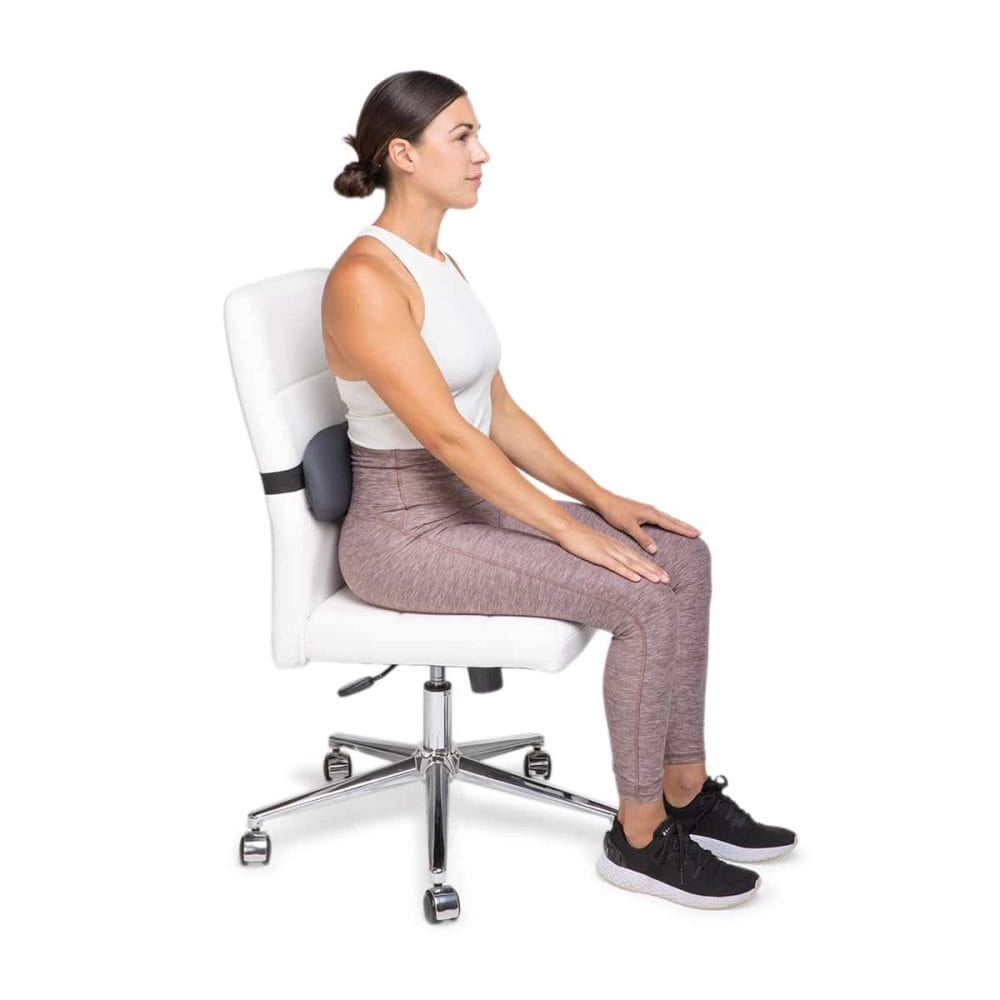
Original McKenzie SuperRoll Back Support
In Stock(21 Units)
Original price was: $64.95.$59.95Current price is: $59.95.
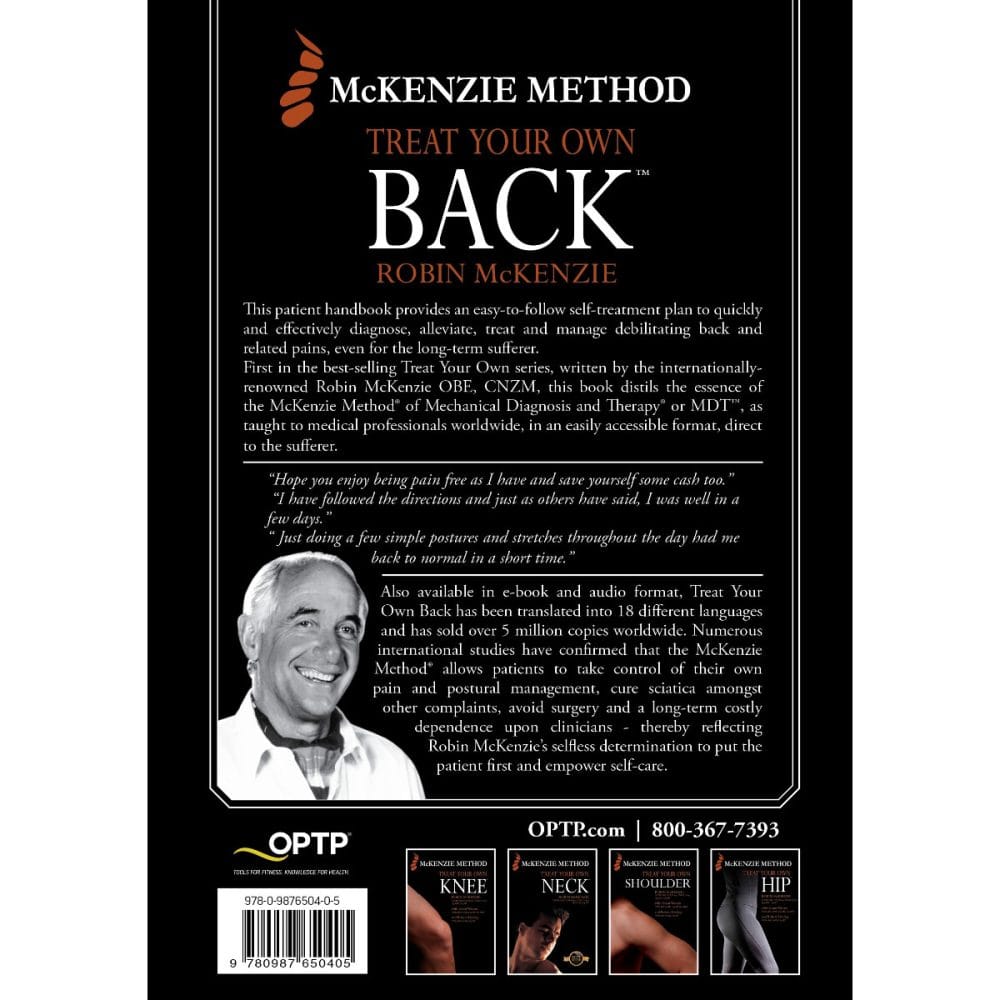
Treat Your Own Back – 9th Edition (McKenzie Method Book)
In Stock(50 Units)
Original price was: $18.95.$11.95Current price is: $11.95.

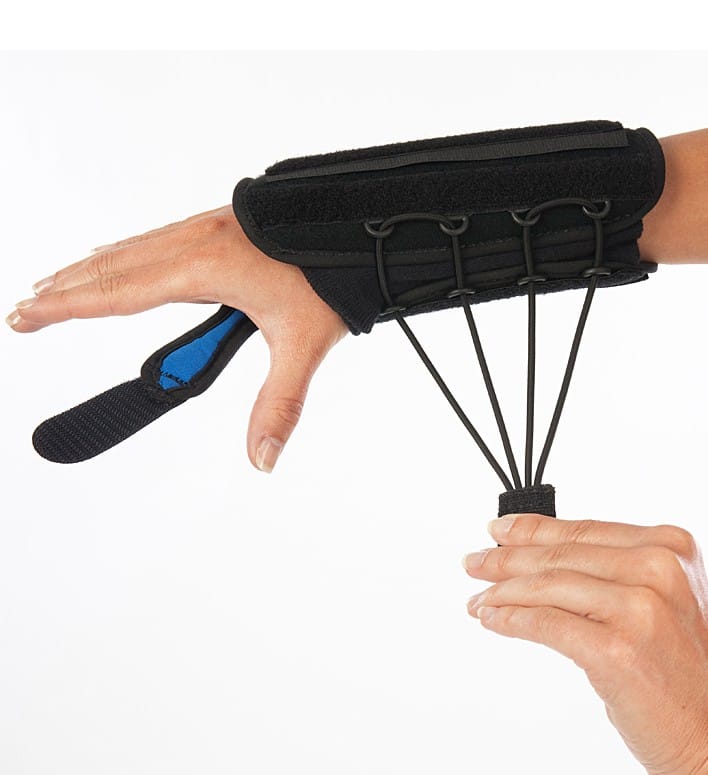
ProCare Quick-Fit II Wrist Brace
In Stock
$45.95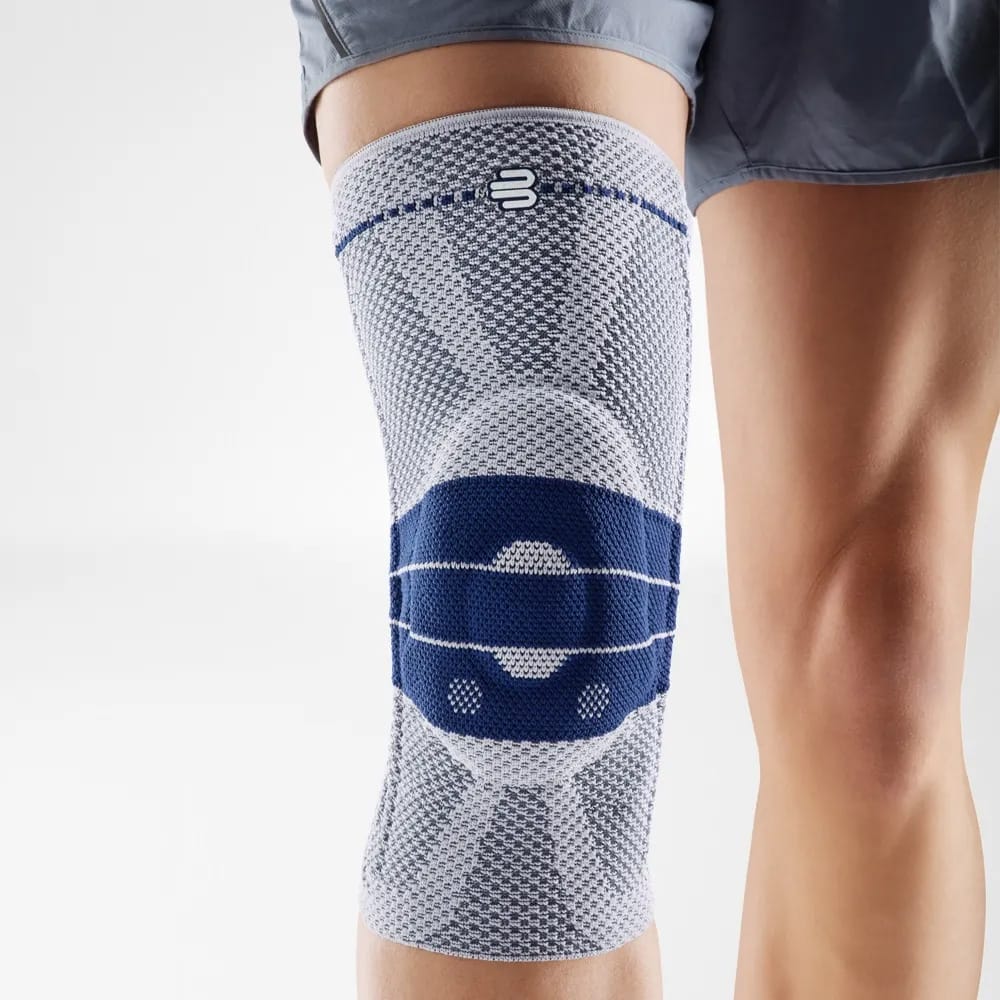
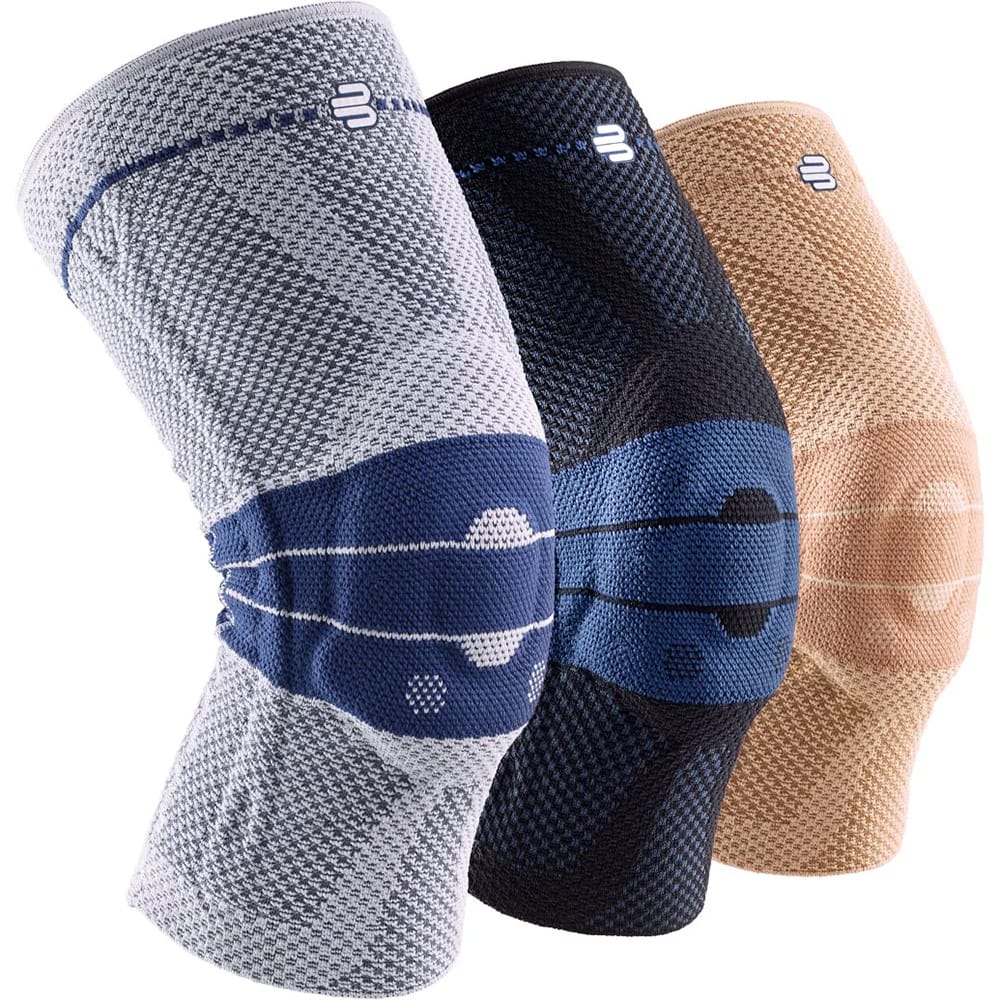
Bauerfeind GenuTrain Knee Brace (New Edition)
In Stock(2 Units)
$200.00
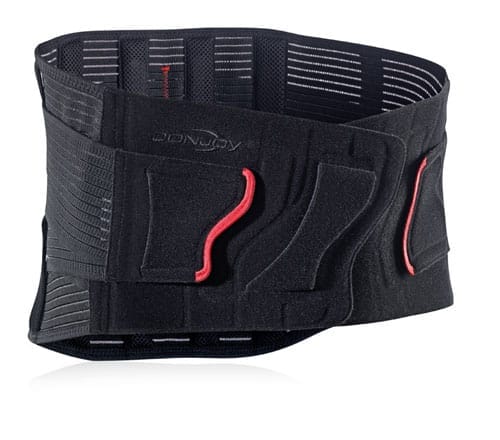
Donjoy Actistrap Back Support
In Stock
$119.95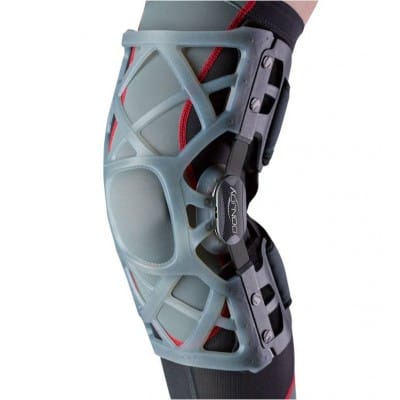
DonJoy OA Reaction Web Unloader Knee Brace
In Stock
$234.95
 SUPPORT SMALL CANADIAN BUSINESS


Reviews
There are no reviews yet