

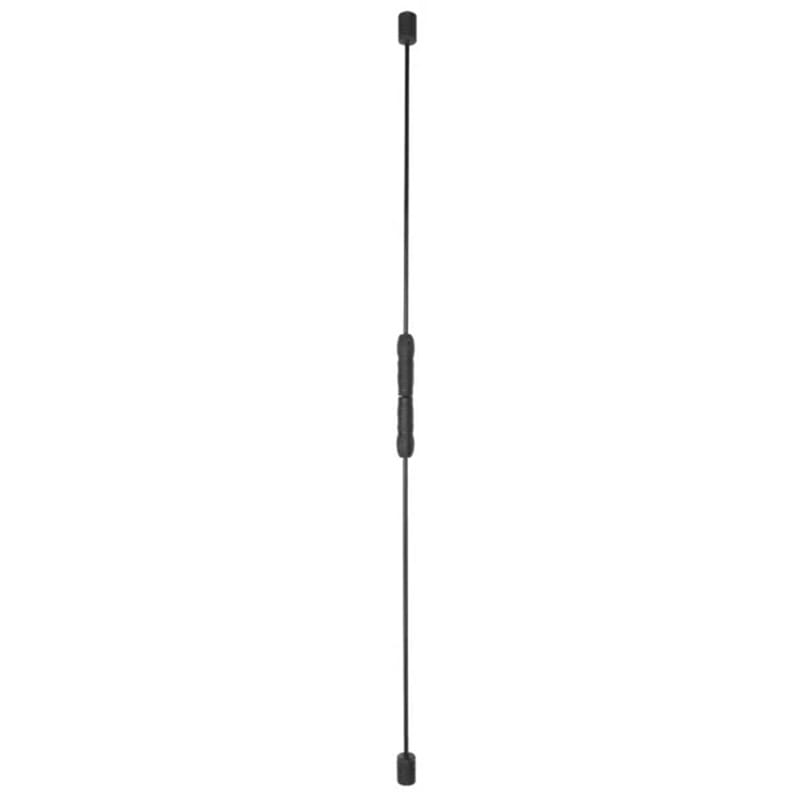

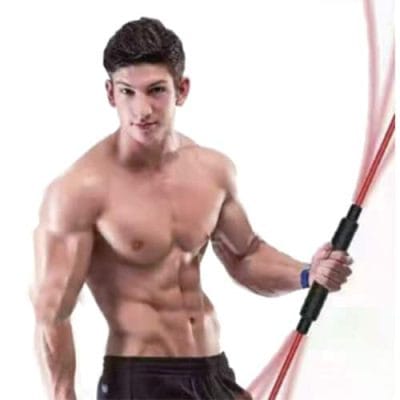
Physiotherapy Room Stability Flexible Body Pole – Shoulder & Core Trainer
$49.95
Reactive Shoulder & Core Stability Training
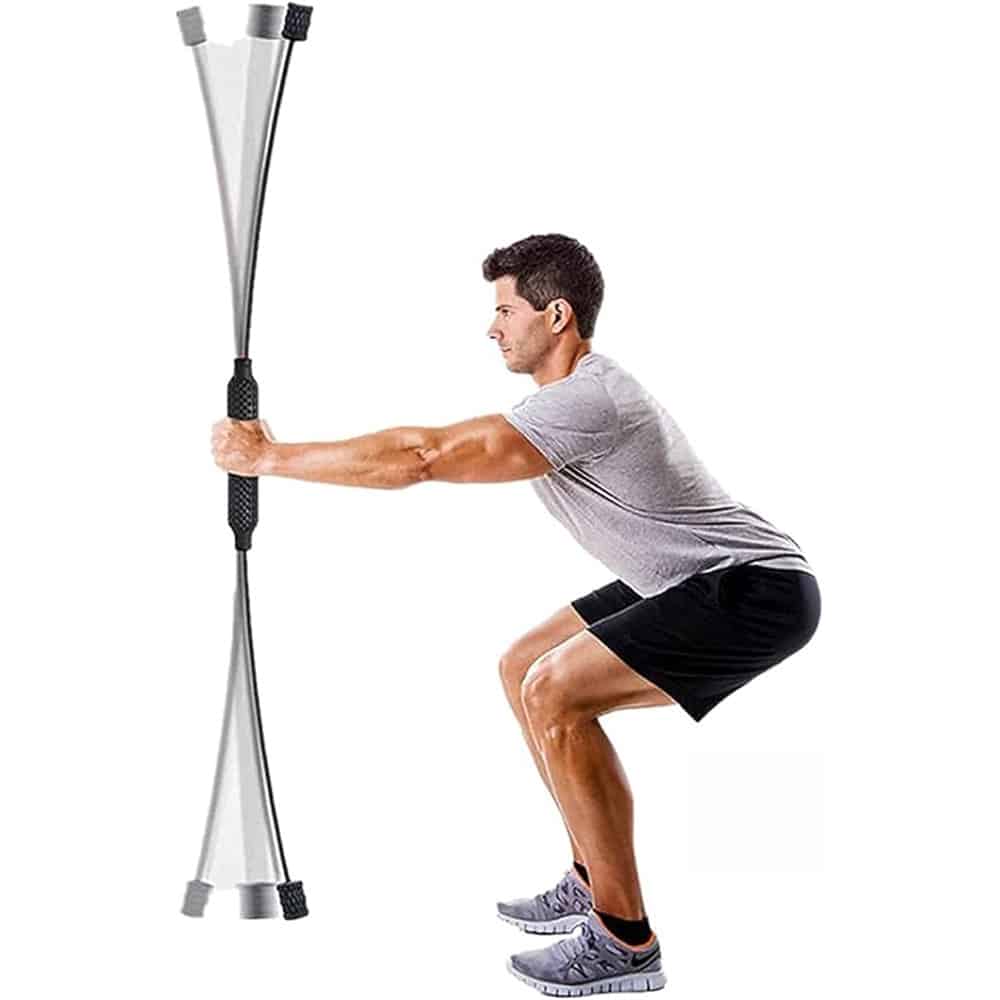
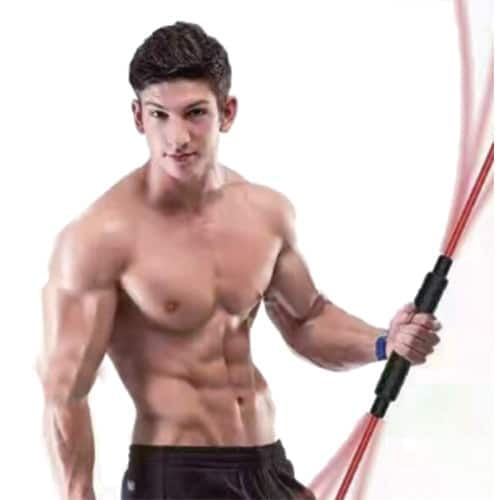
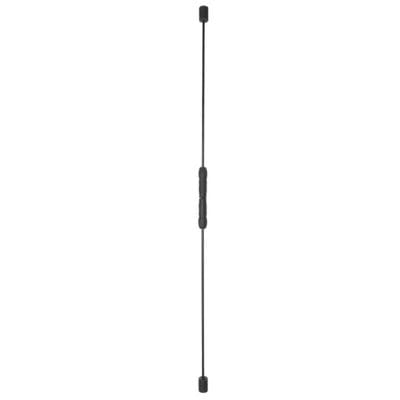
The Physiotherapy Room Stability Flexible Body Pole creates a controlled oscillation that challenges your body to steady the movement. Use it for shoulder stability, scapular control, core activation, postural endurance and integrated full-body exercise.
Easy to Start and Simple to Progress
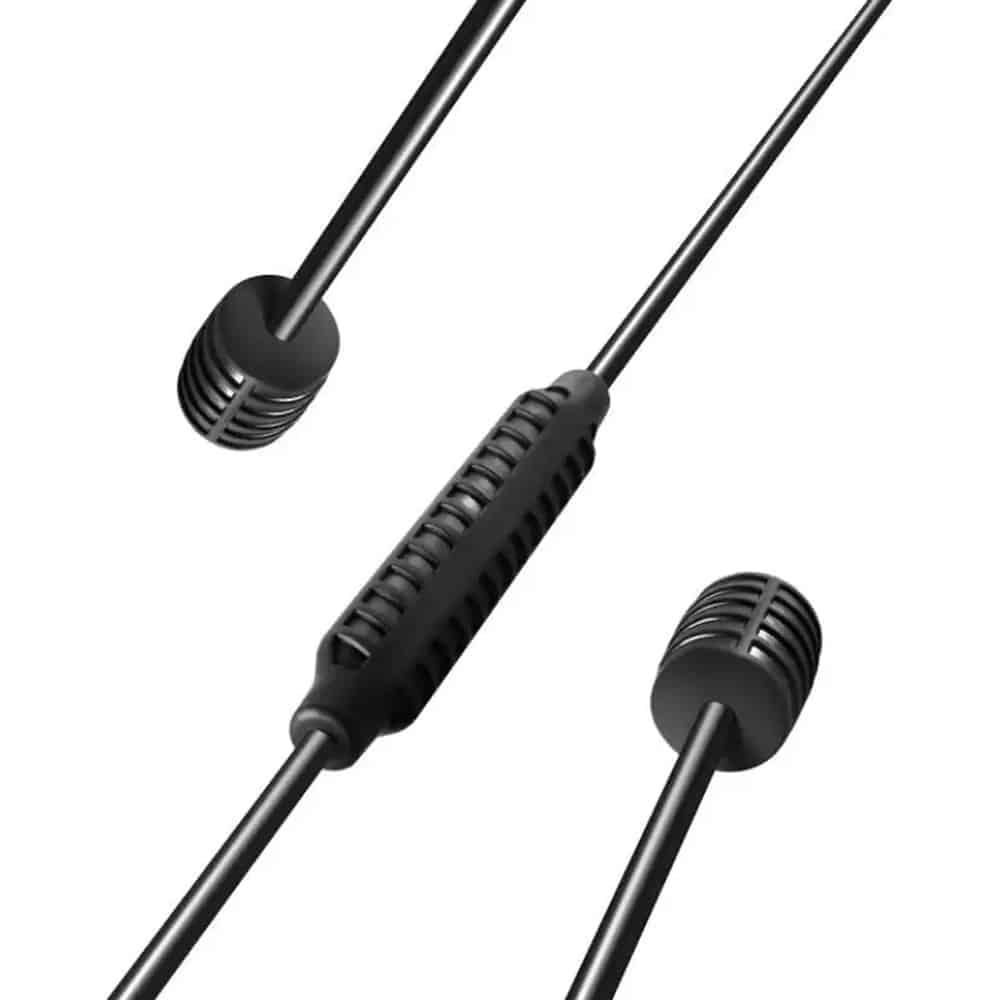
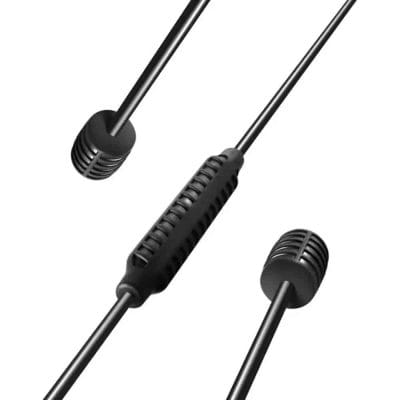
Hold the textured centre grip and use short, quick movements to set the pole in motion. Begin with two hands and a stable stance, then progress by changing the arm position, exercise duration, stance or grip under the direction of your physiotherapist or qualified healthcare professional.

Clinical Pricing Available!
The Physio Store is offering clinical pricing for all businesses / institutions in healthcare, healthcare professionals/students and fitness industry professionals.
We highly recommend you to sign up for our clinical pricing program, which will provide you with discounts on most of our products. We will also send out exclusive monthly specials, new ideas and new products on the market. Our company values the hard work and dedication of healthcare professionals and express gratitude by offering you special pricing and monthly deals.
Close

Manufacturer Warranty
Warranty Coverage
The Physiotherapy Room Stability Flexible Body Pole is covered by a 1-year warranty against manufacturing defects from the date of delivery.
Please inspect the product when it arrives and contact The Physio Store promptly if it is damaged, incomplete or defective. Photos may be requested to help assess the issue.
Warranty coverage does not include damage caused by misuse, impact, improper storage, modification, normal wear or use outside the product’s intended exercise purpose.
Return Policy
30-Day Return Window. Returns are accepted within 30 days of delivery for items that have been opened or tried on, provided they remain in resellable condition.
To qualify for a refund, items must be returned clean, complete, and in like-new condition with all original components, instructions, and product/identification labels intact. Please pack returns securely (ideally in a secondary shipping box) to prevent damage in transit.
Restocking fees may apply. If an item is returned used, damaged, missing packaging/instructions, or not in resellable condition, a restocking fee of up to 25% may be deducted from the refund.
International orders are final sale. Orders shipped outside of Canada are not eligible for return or exchange.
For full details and return instructions, please review our Return & Exchange Policy.

Reactive Training for the Shoulder, Core and Entire Kinetic Chain
The Physiotherapy Room Stability Flexible Body Pole uses controlled oscillation to challenge the muscles that steady the shoulder, shoulder blade and trunk. It is a versatile exercise tool for physiotherapy clinics, rehabilitation facilities, fitness settings and professionally guided home exercise programs.
Unlike a dumbbell or exercise band, the Flexible Body Pole continually changes direction while it oscillates. Your body must respond to these rapid changes while maintaining the selected arm position and posture.
This creates a coordinated stability challenge that can involve the shoulders, arms, upper back, abdominals, spinal stabilizers, hips and legs depending on the exercise position.
How Does the Flexible Body Pole Work?
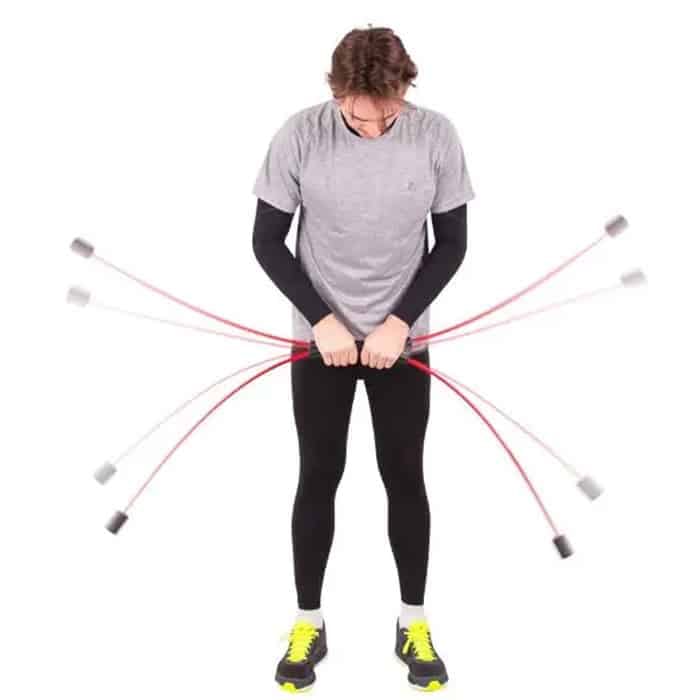
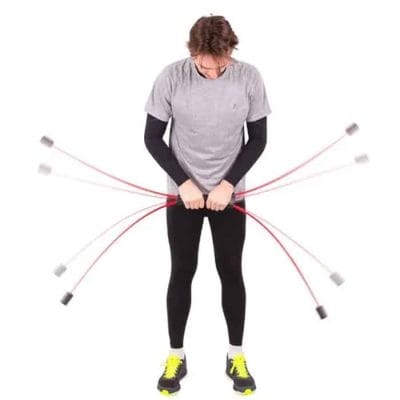
Hold the pole at the textured centre grip and use short, quick movements to start a rhythmic oscillation. Once the ends begin moving, your goal is to maintain the rhythm while keeping the rest of your body controlled.
You Control the Exercise Intensity
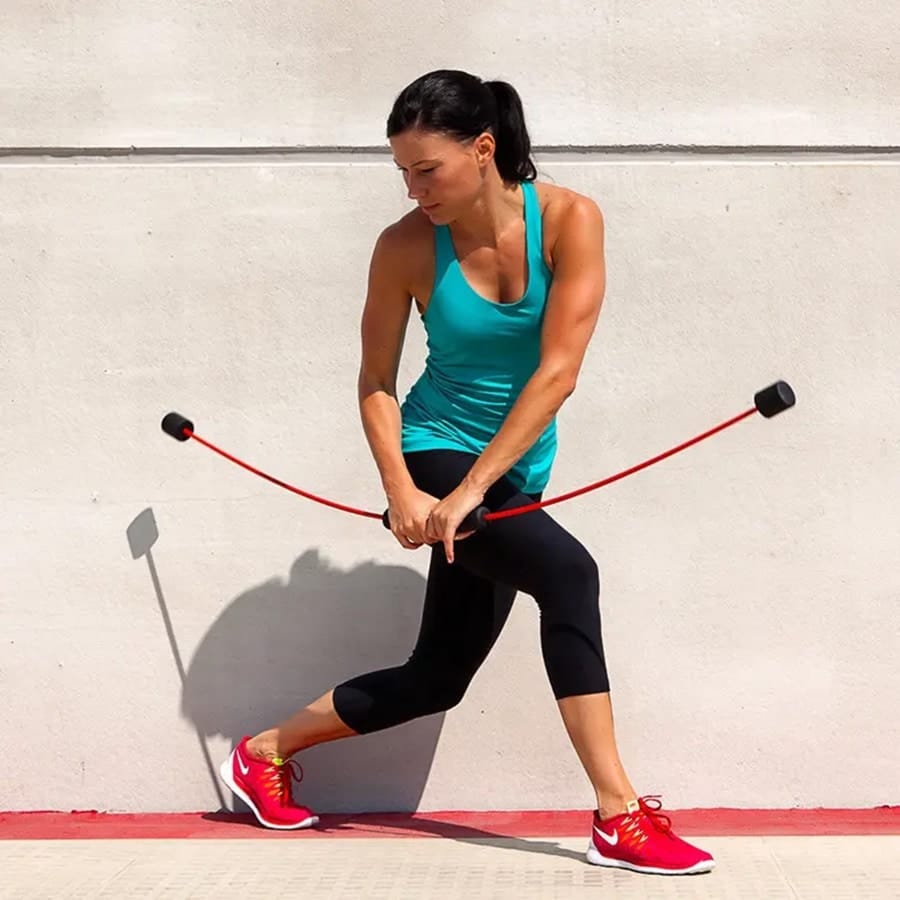
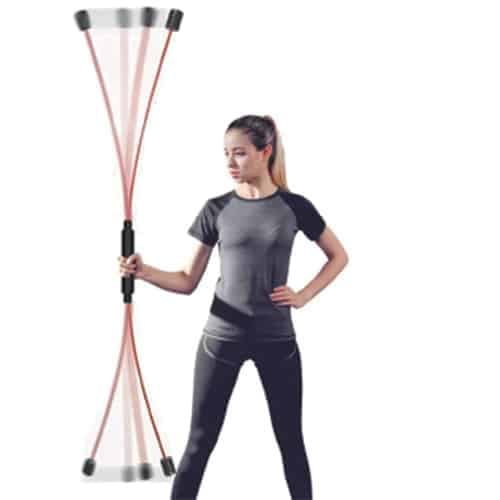
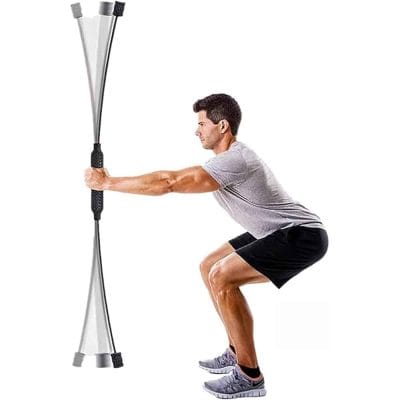
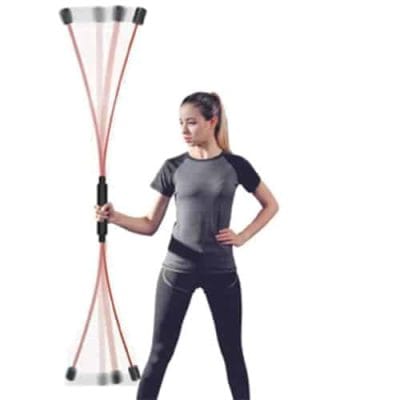
Smaller movements create a gentle oscillation, while stronger movements produce a larger bend and greater reactive demand. The exercise can also be progressed by changing arm position, using one hand, increasing duration, narrowing the stance or adding a squat, lunge or balance activity.
Benefits of Flexible Body Pole Exercise
- Challenges the muscles that stabilize the shoulder and shoulder blade.
- Encourages coordinated activation between the shoulder, trunk and lower body.
- Provides a proprioceptive challenge by requiring the body to respond to continuous movement.
- Helps develop postural control and muscular endurance.
- Allows resistance to be adjusted by changing the force and size of the oscillation.
- Supports two-handed, one-handed, standing, seated and balance-based exercises.
- Offers multiple exercise progressions without requiring added weights or resistance bands.
Useful for Customers and Healthcare Professionals
For Physiotherapy and Rehabilitation Clinics
The Flexible Body Pole can be incorporated into appropriately selected exercises for shoulder control, scapular coordination, trunk stabilization, postural endurance and kinetic-chain training.
Clinicians can progress an exercise by adjusting:
- One-handed or two-handed use
- Arm position and shoulder elevation
- Direction of oscillation
- Size and force of the movement
- Exercise duration
- Standing, seated, kneeling or split-stance positions
- Stable, narrowed or single-leg support
- Static holds or combined functional movements
For Guided Home and Fitness Exercise
The pole provides a compact way to add reactive shoulder and core training to a home exercise program. It is particularly useful when a physiotherapist, chiropractor, athletic therapist or qualified trainer has provided specific exercises and progression instructions.
Six Flexible Body Pole Exercises
| Exercise | How to Perform It | Primary Challenge | Level |
|---|---|---|---|
| Two-Hand Front Oscillation | Hold the pole horizontally in front of the chest or shoulders. Use short forward-and-back movements while keeping the trunk steady. | Shoulder, scapular and core control | Beginner |
| Two-Hand Vertical Oscillation | Hold the pole vertically in front of the body. Create a small side-to-side oscillation while maintaining an upright posture. | Shoulder girdle and trunk stability | Beginner |
| Low Core Brace | Hold the pole in front of the waist with both hands. Maintain a small oscillation without allowing the shoulders or trunk to rotate. | Core activation and postural endurance | Beginner |
| Single-Arm Front Hold | Hold the pole in one hand in front of the body. Maintain a controlled oscillation while keeping the shoulder blade and trunk steady. | Unilateral shoulder stability | Intermediate |
| Split-Stance or Squat Hold | Maintain a two-handed oscillation while holding a comfortable split stance, mini squat or athletic position. | Shoulder-to-core kinetic-chain control | Intermediate |
| Overhead Oscillation | Hold the pole overhead with both hands and use small up-and-down movements while keeping the ribs, trunk and shoulders controlled. | Overhead shoulder and core control | Advanced |
How to Get the Pole Oscillating
- Stand with your feet approximately shoulder-width apart and your knees relaxed.
- Hold the centre grip lightly with one or two hands while keeping your wrists in a neutral position.
- Use a short, quick push-and-pull movement to start the ends moving.
- Once a rhythm develops, reduce unnecessary arm movement and concentrate on controlling your posture.
- Keep breathing normally and avoid shrugging the shoulders toward the ears.
Suggested Starting Routine
New users can begin with two or three basic exercises. Try approximately 10 to 20 seconds of controlled oscillation, followed by a rest period. Repeat each exercise two or three times.
Exercise duration can gradually progress toward 30 to 60 seconds when the movement remains comfortable and controlled. Rehabilitation patients should follow the duration and progression recommended by their treating healthcare professional.
Important Exercise Guidance
Allow sufficient clearance around both ends of the pole before beginning. Start with a small oscillation and a stable two-handed position. Stop if an exercise causes sharp pain, increasing pain, numbness, dizziness or a worsening of symptoms. People recovering from surgery, an acute injury, a shoulder dislocation or significant instability should obtain professional guidance before using this product.
What Is Included?
- 1 Physiotherapy Room Stability Flexible Body Pole
- Access to The Physio Store shoulder and core exercise guide
Product Specifications
| Brand | Physiotherapy Room |
|---|---|
| Product Type | Flexible oscillating exercise pole |
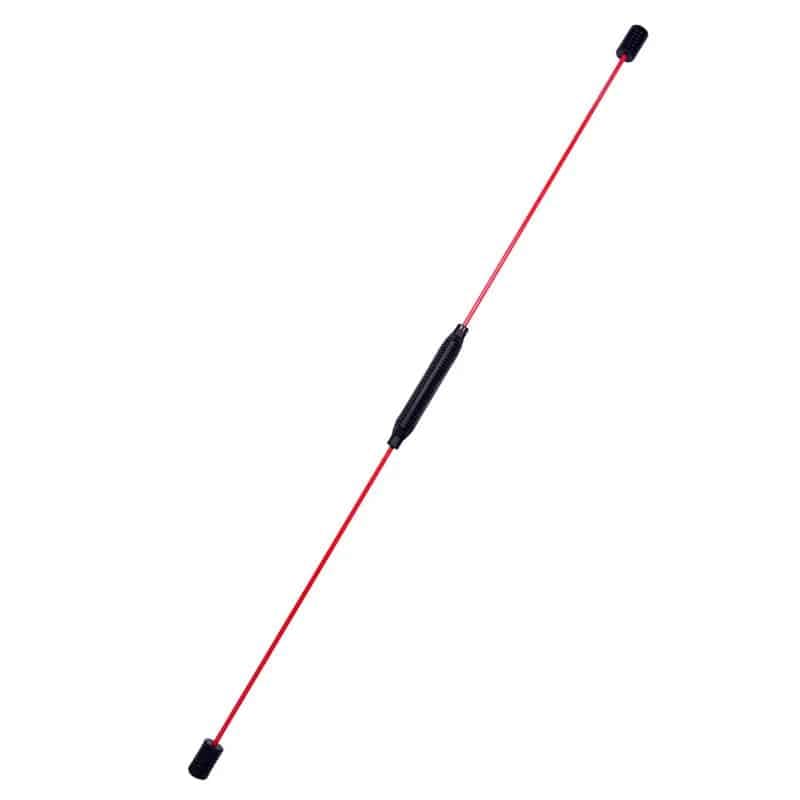
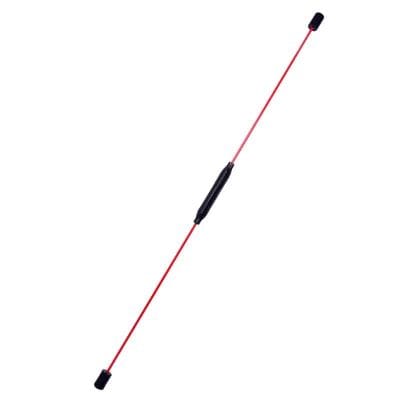
| Overall Length | Approximately 152 cm / 5 ft |
| Listed Weight | Approximately 790 g |
| Grip | Textured centre grip for one-handed or two-handed exercise |
| Resistance | User-generated reactive resistance |
| Colour Options | Black, Light Blue, Light Pink, Red and Yellow |
| Recommended Environments | Physiotherapy clinics, rehabilitation facilities, fitness settings and guided home exercise |
| Warranty | 1 year against manufacturing defects |
Documents
 Flexible Body Pole Shoulder & Core Exercise Guide – 11 Exercises
Frequently Asked Questions
What does a flexible body pole do?
A flexible body pole oscillates when the user makes short, quick movements through the centre grip. The changing direction of the pole creates reactive resistance that challenges the muscles responsible for controlling the shoulders, shoulder blades, trunk and posture.
Is this product the same as a Bodyblade?
No. The Physiotherapy Room Stability Flexible Body Pole uses a similar oscillating exercise concept, but it is not manufactured, branded or sold as a Bodyblade product.
Can the Flexible Body Pole be used for shoulder rehabilitation?
A physiotherapist or other qualified healthcare professional may incorporate oscillating pole exercises into an appropriate shoulder rehabilitation program. Suitability depends on the injury, symptoms, stage of recovery and individual exercise goals.
Does the Flexible Body Pole strengthen the rotator cuff?
Oscillating exercises can challenge the muscles that help control and stabilize the shoulder, including muscles of the rotator cuff and shoulder blade. It should not be considered a treatment by itself, and rehabilitation exercises should be selected according to the individual condition.
Can it be used for core exercises?
Yes. Maintaining an oscillation while keeping the trunk steady creates a reactive challenge for the abdominal, back and postural muscles. Adding a squat, split stance or balance position can involve more of the kinetic chain.
Is the Flexible Body Pole suitable for beginners?
Yes. Beginners should start with both hands on the centre grip, a shoulder-width stance and a small oscillation. More challenging one-handed, overhead or balance exercises can be added as control improves.
How long should each exercise be performed?
A new user can begin with approximately 10 to 20 seconds of controlled movement and repeat the exercise two or three times. Exercise duration may gradually progress toward 30 to 60 seconds when good form can be maintained. Follow the instructions of your healthcare professional when using the pole for rehabilitation.
How do I get the pole to start moving?
Hold the centre grip lightly and make short, quick push-and-pull movements with your hands. Once the ends begin moving rhythmically, concentrate on maintaining the oscillation without using large arm movements.
Does the resistance level adjust?
The resistance is controlled by the user. A small oscillation creates a gentler challenge, while stronger movements and a larger bend increase the reactive demand. Arm position, stance, grip and exercise duration can also change the difficulty.
Can the pole be used with one hand?
Yes. One-handed exercises provide a more focused unilateral shoulder and trunk challenge. They are generally more difficult than two-handed exercises and should be introduced only when the user can maintain comfortable, controlled movement.
Can it be used while sitting?
Yes. Seated exercises may be used when an exercise program calls for greater trunk support or when standing is not appropriate. Ensure that the seat is stable and that there is enough clearance for both ends of the pole.
Does the product include exercises?
The product page includes access to The Physio Store Flexible Body Pole Shoulder and Core Exercise Guide, which illustrates 11 exercise positions and progressions.
What colours are available?
The Physiotherapy Room Stability Flexible Body Pole is available in Black, Light Blue, Light Pink, Red and Yellow. All colour options provide the same size, grip and exercise function.
How long is the Flexible Body Pole?
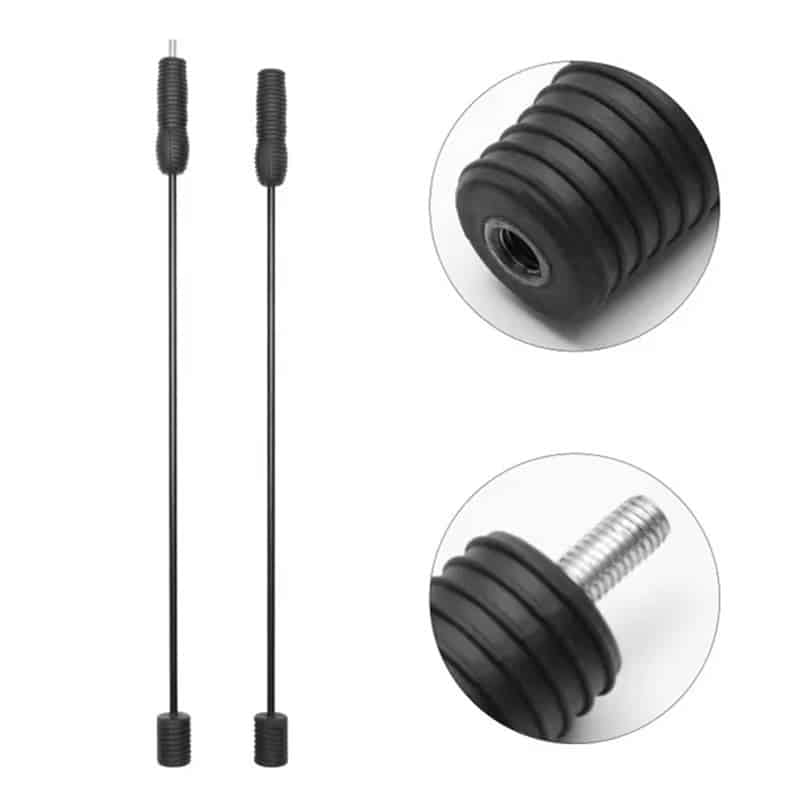
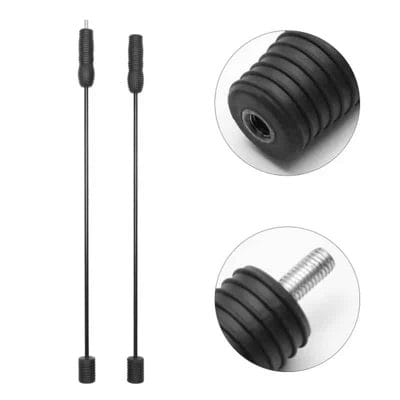
The assembled Flexible Body Pole is approximately 152 cm, or 5 feet, long.
When should I consult a physiotherapist before using it?
Obtain professional guidance if you are recovering from surgery, a recent dislocation, an acute shoulder injury, significant instability or unexplained pain. Stop using the pole if an exercise causes sharp pain, increasing pain, numbness, dizziness or worsening symptoms.
| Weight | 790 g |
|---|---|
| Dimensions | 83 × 9 × 5 cm |
| Colour | Black, Light Blue, Light Pink, Red, Yellow |
| Availability |
Now available in-store at 22635 Komoka Road Komoka N0L1R0 Powered With Oliver Pos |
|---|
What does a flexible body pole do?
A flexible body pole oscillates when the user makes short, quick movements through the centre grip. The changing direction of the pole creates reactive resistance that challenges the muscles responsible for controlling the shoulders, shoulder blades, trunk and posture.
Is this product the same as a Bodyblade?
No. The Physiotherapy Room Stability Flexible Body Pole uses a similar oscillating exercise concept, but it is not manufactured, branded or sold as a Bodyblade product.
Can the Flexible Body Pole be used for shoulder rehabilitation?
A physiotherapist or other qualified healthcare professional may incorporate oscillating pole exercises into an appropriate shoulder rehabilitation program. Suitability depends on the injury, symptoms, stage of recovery and individual exercise goals.
Does the Flexible Body Pole strengthen the rotator cuff?
Oscillating exercises can challenge the muscles that help control and stabilize the shoulder, including muscles of the rotator cuff and shoulder blade. It should not be considered a treatment by itself, and rehabilitation exercises should be selected according to the individual condition.
Can it be used for core exercises?
Yes. Maintaining an oscillation while keeping the trunk steady creates a reactive challenge for the abdominal, back and postural muscles. Adding a squat, split stance or balance position can involve more of the kinetic chain.
Is the Flexible Body Pole suitable for beginners?
Yes. Beginners should start with both hands on the centre grip, a shoulder-width stance and a small oscillation. More challenging one-handed, overhead or balance exercises can be added as control improves.
How long should each exercise be performed?
A new user can begin with approximately 10 to 20 seconds of controlled movement and repeat the exercise two or three times. Exercise duration may gradually progress toward 30 to 60 seconds when good form can be maintained. Follow the instructions of your healthcare professional when using the pole for rehabilitation.
How do I get the pole to start moving?
Hold the centre grip lightly and make short, quick push-and-pull movements with your hands. Once the ends begin moving rhythmically, concentrate on maintaining the oscillation without using large arm movements.
Does the resistance level adjust?
The resistance is controlled by the user. A small oscillation creates a gentler challenge, while stronger movements and a larger bend increase the reactive demand. Arm position, stance, grip and exercise duration can also change the difficulty.
Can the pole be used with one hand?
Yes. One-handed exercises provide a more focused unilateral shoulder and trunk challenge. They are generally more difficult than two-handed exercises and should be introduced only when the user can maintain comfortable, controlled movement.
Can it be used while sitting?
Yes. Seated exercises may be used when an exercise program calls for greater trunk support or when standing is not appropriate. Ensure that the seat is stable and that there is enough clearance for both ends of the pole.
Does the product include exercises?
The product page includes access to The Physio Store Flexible Body Pole Shoulder and Core Exercise Guide, which illustrates 11 exercise positions and progressions.
What colours are available?
The Physiotherapy Room Stability Flexible Body Pole is available in Black, Light Blue, Light Pink, Red and Yellow. All colour options provide the same size, grip and exercise function.
How long is the Flexible Body Pole?
The assembled Flexible Body Pole is approximately 152 cm, or 5 feet, long.
When should I consult a physiotherapist before using it?
Obtain professional guidance if you are recovering from surgery, a recent dislocation, an acute shoulder injury, significant instability or unexplained pain. Stop using the pole if an exercise causes sharp pain, increasing pain, numbness, dizziness or worsening symptoms.
You may also like…

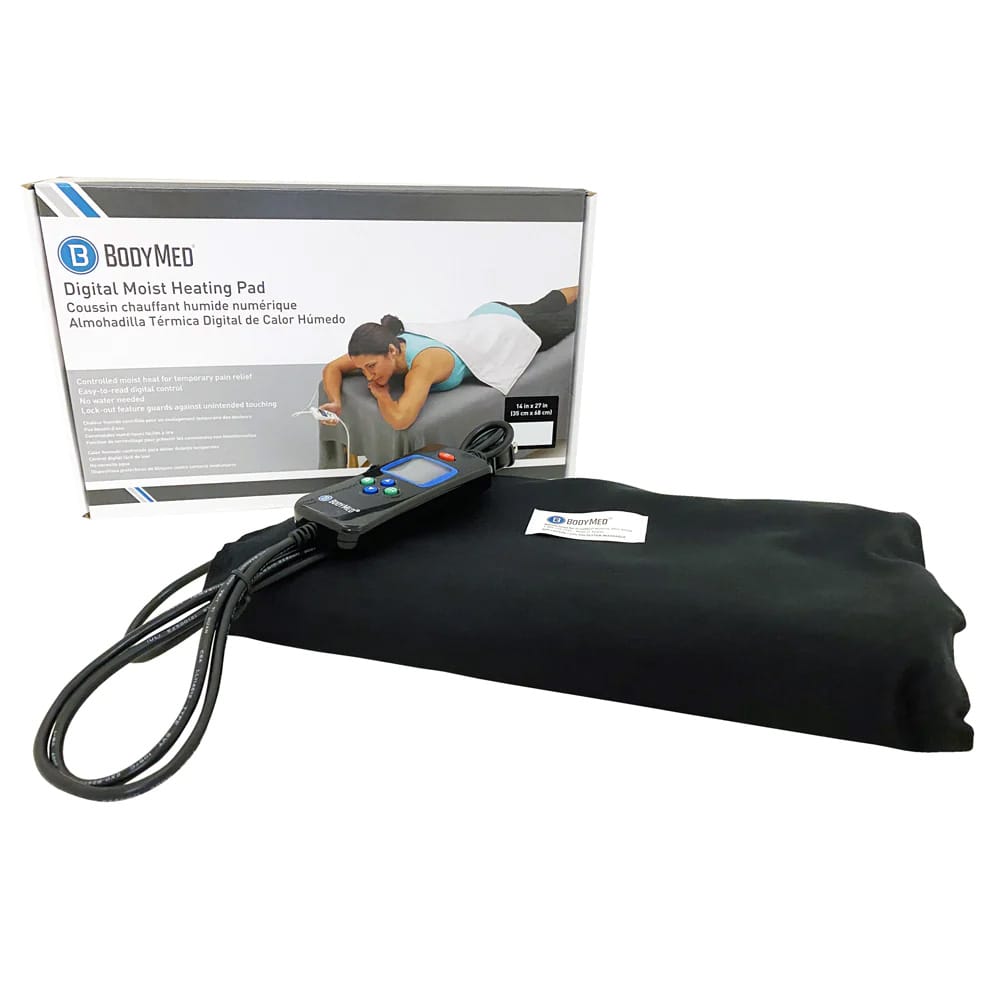
BodyMed Digital Moist Heating Pad – 14″ x 27″
Out of stock
$109.95



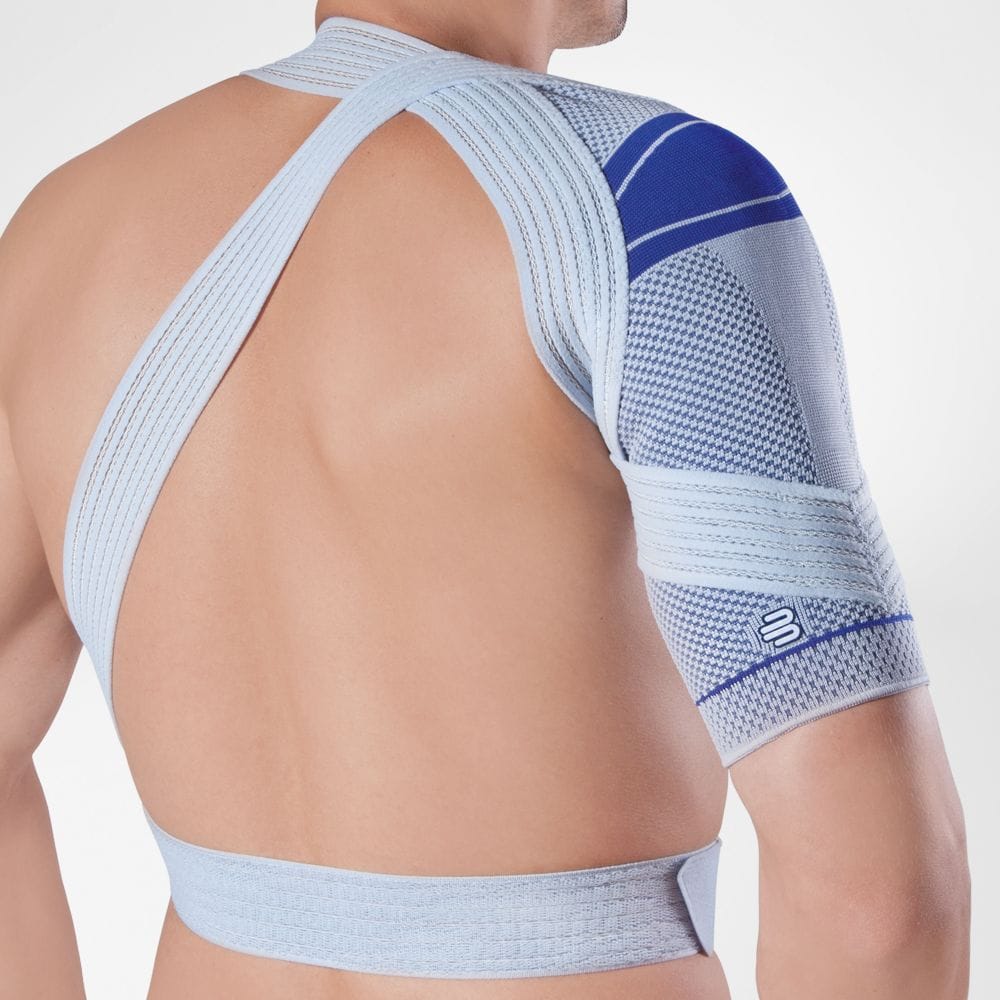
Bauerfeind OmoTrain Shoulder Stabilizer Support Brace
In Stock
$310.00
Related products

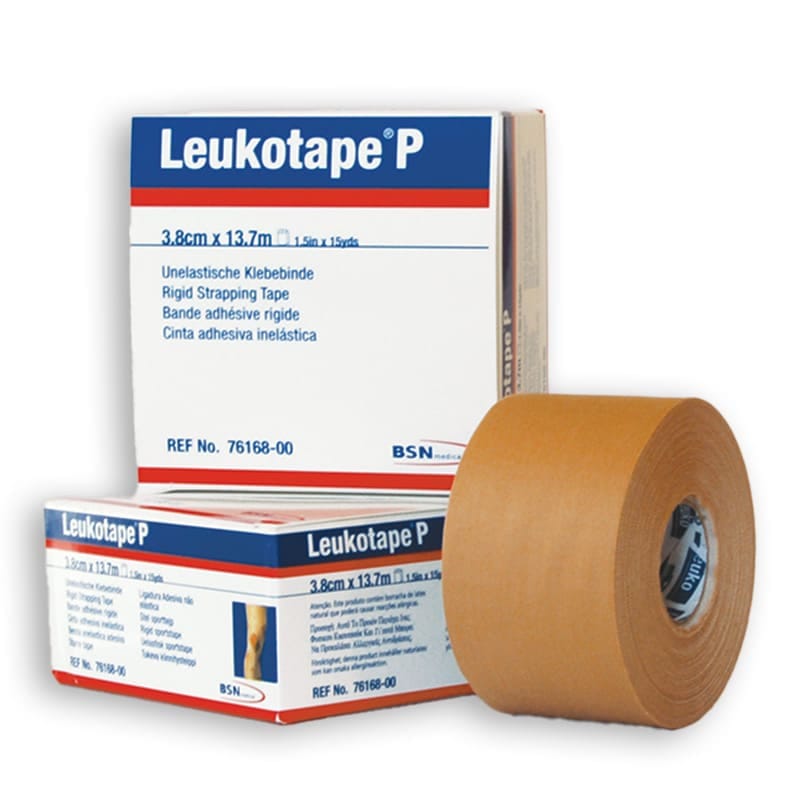
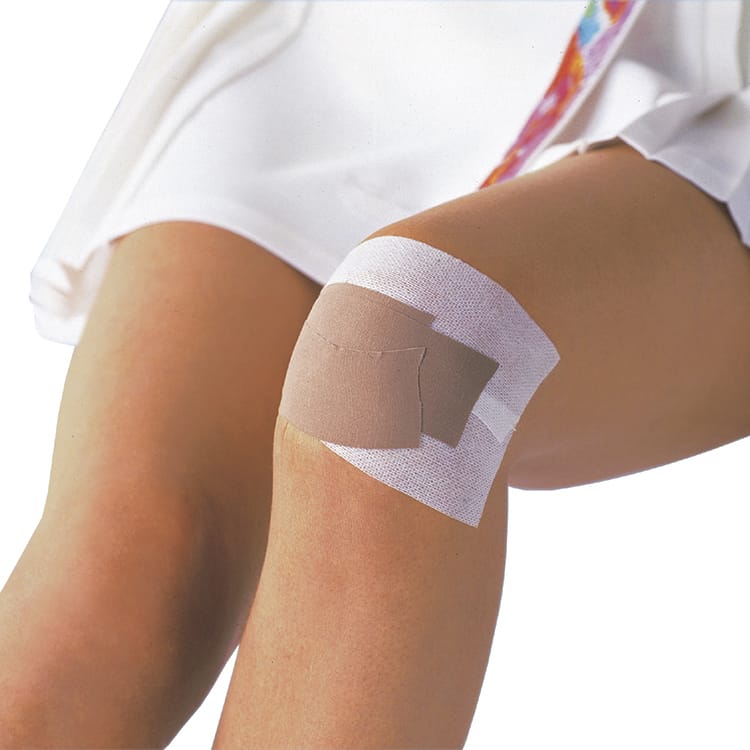
BSN Medical Leukotape P Rigid Strapping Tape – 1.5″ x 15 yd
Available on backorder
Original price was: $15.95.$11.95Current price is: $11.95.
Breg Slingshot 3 Shoulder Sling
In Stock(4 Units)
$195.00

 SUPPORT SMALL CANADIAN BUSINESS

1 review for Physiotherapy Room Stability Flexible Body Pole – Shoulder & Core Trainer