Tomland Medical Skull Model with Cervical Vertebrae, Nerves & Blood Vessels
$99.95
In stock (can be backordered)

Clinical Pricing Available!
The Physio Store is offering clinical pricing for all businesses / institutions in healthcare, healthcare professionals/students and fitness industry professionals.
We highly recommend you to sign up for our clinical pricing program, which will provide you with discounts on most of our products. We will also send out exclusive monthly specials, new ideas and new products on the market. Our company values the hard work and dedication of healthcare professionals and express gratitude by offering you special pricing and monthly deals.
Close
Proudly Canadian-Owned and Operated Company!
This product comes from a Proudly Canadian Company, with its owners and headquarters based right here in Canada. As a locally owned business, we are committed to providing high-quality products while supporting our community and economy. By choosing this product, you are supporting a Canadian company dedicated to excellence, customer care, and innovation. Thank you for supporting local!
Close

Manufacturer Warranty
Warranty Coverage
Return Policy
30-Day Return Window. Returns are accepted within 30 days of delivery for items that remain new and unopened.
Unopened condition required. Security seals must remain intact and packaging must not be opened. Items must be returned in original, unused condition for full product credit.
All law labels, identification labels, manuals, and original packaging must remain attached and undamaged. Please pack returns carefully in a secondary shipping box to prevent damage in transit.
If an item is returned opened, used, or not in resellable condition, the return will not be accepted. You will be contacted regarding return shipping fees to have the item shipped back to you.
If we do not receive instructions regarding return shipment within 30 days, you authorize us to dispose of the item on your behalf.
International orders are final sale. Orders shipped outside of Canada are not eligible for return or exchange.
For complete eligibility requirements and return instructions, please review our Return & Exchange Policy.

Tomland Medical Skull Model with Cervical Vertebrae, Nerves & Blood Vessels
The Tomland Medical Skull Model with Cervical Vertebrae is a practical anatomy model for clinics, classrooms and patient education. It shows a plain skull mounted with cervical vertebrae, nerves and blood vessels, making it more useful than a basic skull model for explaining the relationship between the head, jaw, neck and upper spine.
This model is well suited for physiotherapy, chiropractic, massage therapy, medical education and general health-science teaching. It can help students and patients better understand skull anatomy, the cervical spine, jaw movement, and the passage of nerves and blood vessels through the neck region.
Educational Skull & Cervical Spine Model
- Plain skull model with cervical vertebrae
- Shows nerves and blood vessels running through the cervical region
- Skull cap opens to allow viewing inside the skull
- Skull can be removed from the stand for closer demonstration
- Spring-loaded jaw allows the mouth to open and close
- Mounted on a display stand for clinic or classroom use
Why Use This Skull and Cervical Spine Model?
A skull model with cervical vertebrae can make head, neck and jaw anatomy easier to explain. Instead of using diagrams alone, clinicians and instructors can point directly to the skull, jaw, upper cervical spine, nerves and blood vessels.
As a result, this model is useful for patient education, student training and basic anatomy review. It is especially helpful when explaining the connection between the skull, cervical spine and surrounding neurovascular structures.
Helpful For Demonstrating
- Basic skull anatomy
- Jaw position and mouth opening
- Upper cervical spine anatomy
- Relationship between the skull and neck
- Nerves and blood vessels in the cervical region
- General head, neck and cervical-spine education
Who Is It For?
Common Users
- Physiotherapy clinics
- Chiropractic clinics
- Massage therapy clinics and schools
- Medical and nursing classrooms
- Dental, health-science and anatomy education programs
- Kinesiology and rehabilitation programs
- Patient education areas in clinics
Product Features
- Economical skull and cervical spine anatomy model
- Plain skull design without muscle staining
- Includes cervical vertebrae with visible nerves and blood vessels
- Opening skull cap for viewing the inside of the skull
- Removable skull for hands-on demonstration
- Spring-loaded jaw for basic mouth-opening demonstration
- Mounted on a stand for display and teaching
- Useful for clinics, classrooms and training programs
Product Specifications
| Brand | Tomland Medical |
|---|---|
| Product Type | Skull model with cervical vertebrae |
| Anatomy Shown | Skull, jaw, cervical vertebrae, nerves and blood vessels |
| Skull Style | Plain skull without muscle staining |
| Jaw | Spring-loaded movable jaw |
| Skull Cap | Opens to view the inside of the skull |
| Removable Skull | Yes |
| Display | Mounted on stand |
| Use | Educational and patient demonstration use |
| Ideal For | Clinics, classrooms, training programs and patient education |
Good to Know
- This is an economical teaching model designed for general anatomy education.
- It is best suited for visual demonstrations and basic anatomical review.
- It is not intended for diagnosis, surgical planning, dental treatment planning or implant fitting.
- Exact details, colour and finish may vary slightly between production batches.
Tomland Medical Anatomy Models
Warranty Coverage
Frequently Asked Questions
What is the Tomland Medical Skull Model with Cervical Vertebrae used for?
This model is used for anatomy education, patient demonstrations and classroom teaching. It helps show the skull, jaw, cervical vertebrae, nerves and blood vessels in a visual format.
Does this skull model include cervical vertebrae?
Yes. This model includes cervical vertebrae below the skull, making it useful for explaining the relationship between the skull, neck and upper spine.
Does the model show nerves and blood vessels?
Yes. The model includes nerves and blood vessels running through the cervical vertebrae area, which helps with basic head and neck anatomy education.
Can the skull be removed from the stand?
Yes. The skull can be removed from the stand for closer viewing and hands-on demonstration.
Does the skull open?
Yes. The skull cap opens so the inside of the skull can be viewed during teaching or demonstration.
Does the jaw move?
Yes. The model has a spring-loaded jaw, allowing the mouth to open and close for basic jaw and skull demonstrations.
Does this model have muscle staining?
No. This is a plain skull model without muscle staining, making it a clean and simple option for general anatomy education.
Is this skull model suitable for physiotherapy clinics?
Yes. Physiotherapy clinics can use this model to explain head, neck, jaw and upper cervical spine anatomy to patients.
Can chiropractors use this skull and cervical spine model?
Yes. Chiropractic clinics may use it to demonstrate skull, cervical vertebrae and neck anatomy in a simple visual format.
Is this model useful for massage therapy education?
Yes. Massage therapy schools and clinics can use it to review basic skull, jaw, neck and cervical anatomy.
Is this model intended for diagnosis or treatment planning?
No. This model is intended for education and demonstration only. It should not be used for diagnosis, surgical planning, dental treatment planning or implant fitting.
Who commonly uses this type of skull anatomy model?
Common users include physiotherapists, chiropractors, massage therapists, anatomy instructors, health-science teachers, rehabilitation students and clinic staff.
| Weight | 800 g |
|---|---|
| Dimensions | 30 × 20 × 20 cm |
| Availability |
Now available in-store at 22635 Komoka Road Komoka N0L1R0 Powered With Oliver Pos |
|---|
What is the Tomland Medical Skull Model with Cervical Vertebrae used for?
This model is used for anatomy education, patient demonstrations and classroom teaching. It helps show the skull, jaw, cervical vertebrae, nerves and blood vessels in a visual format.
Does this skull model include cervical vertebrae?
Yes. This model includes cervical vertebrae below the skull, making it useful for explaining the relationship between the skull, neck and upper spine.
Does the model show nerves and blood vessels?
Yes. The model includes nerves and blood vessels running through the cervical vertebrae area, which helps with basic head and neck anatomy education.
Can the skull be removed from the stand?
Yes. The skull can be removed from the stand for closer viewing and hands-on demonstration.
Does the skull open?
Yes. The skull cap opens so the inside of the skull can be viewed during teaching or demonstration.
Does the jaw move?
Yes. The model has a spring-loaded jaw, allowing the mouth to open and close for basic jaw and skull demonstrations.
Does this model have muscle staining?
No. This is a plain skull model without muscle staining, making it a clean and simple option for general anatomy education.
Is this skull model suitable for physiotherapy clinics?
Yes. Physiotherapy clinics can use this model to explain head, neck, jaw and upper cervical spine anatomy to patients.
Can chiropractors use this skull and cervical spine model?
Yes. Chiropractic clinics may use it to demonstrate skull, cervical vertebrae and neck anatomy in a simple visual format.
Is this model useful for massage therapy education?
Yes. Massage therapy schools and clinics can use it to review basic skull, jaw, neck and cervical anatomy.
Is this model intended for diagnosis or treatment planning?
No. This model is intended for education and demonstration only. It should not be used for diagnosis, surgical planning, dental treatment planning or implant fitting.
Who commonly uses this type of skull anatomy model?
Common users include physiotherapists, chiropractors, massage therapists, anatomy instructors, health-science teachers, rehabilitation students and clinic staff.
You may also like…


Related products
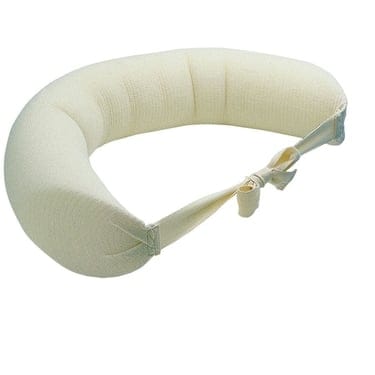
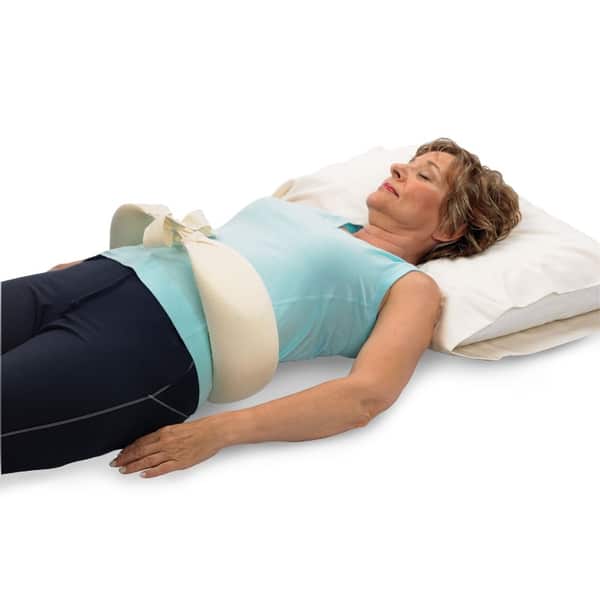
Original McKenzie Lumbar Night roll
In Stock
Price range: $55.95 through $69.95


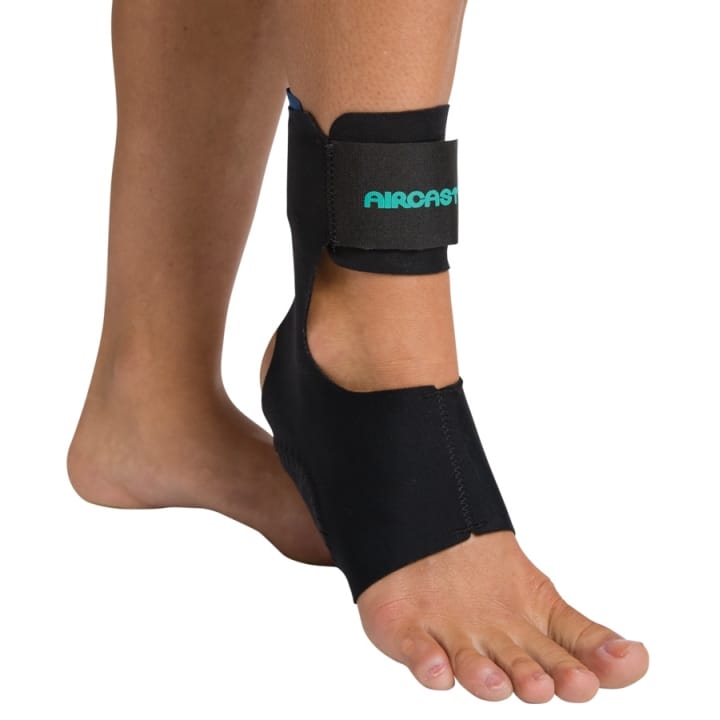
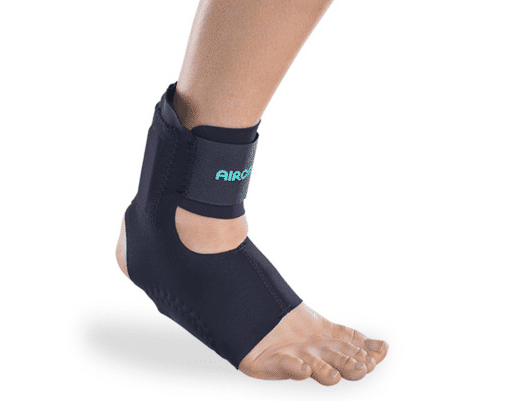
Aircast AirHeel Plantar Fasciitis Foot Sleeve
In Stock
Price range: $89.99 through $94.95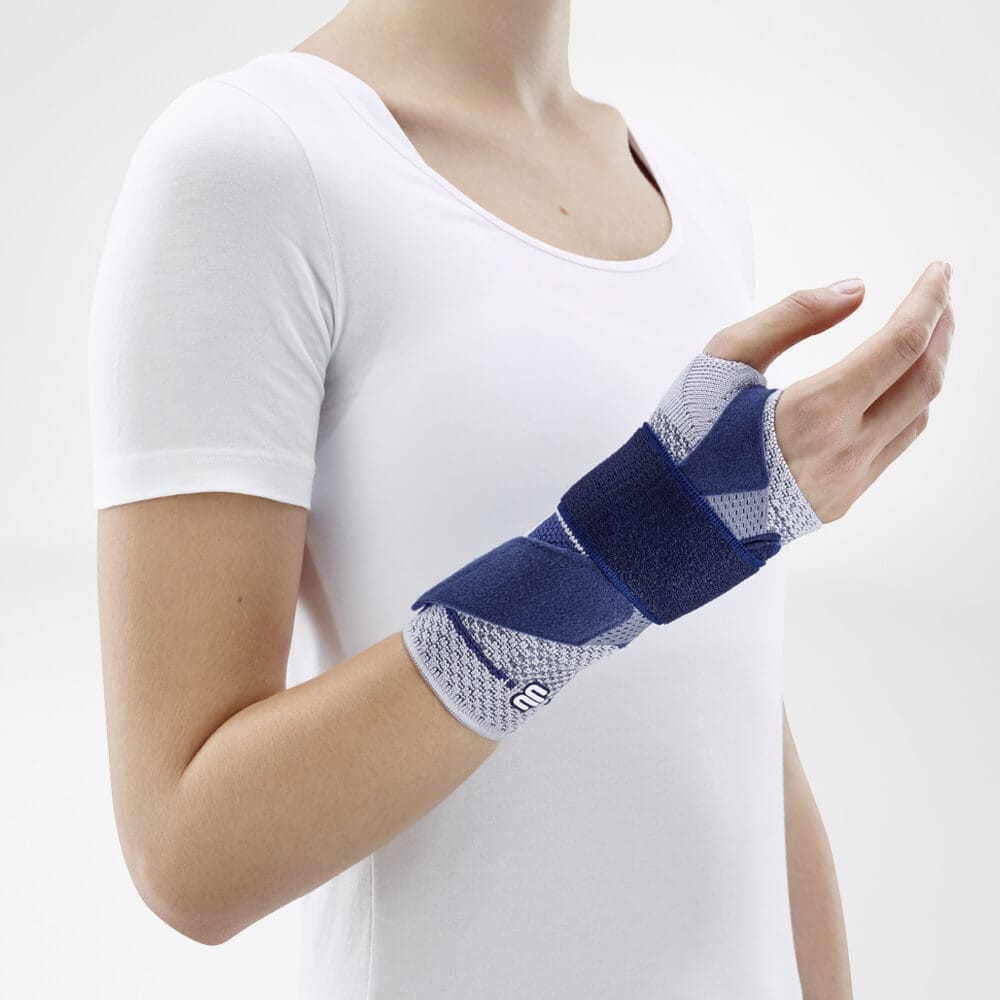
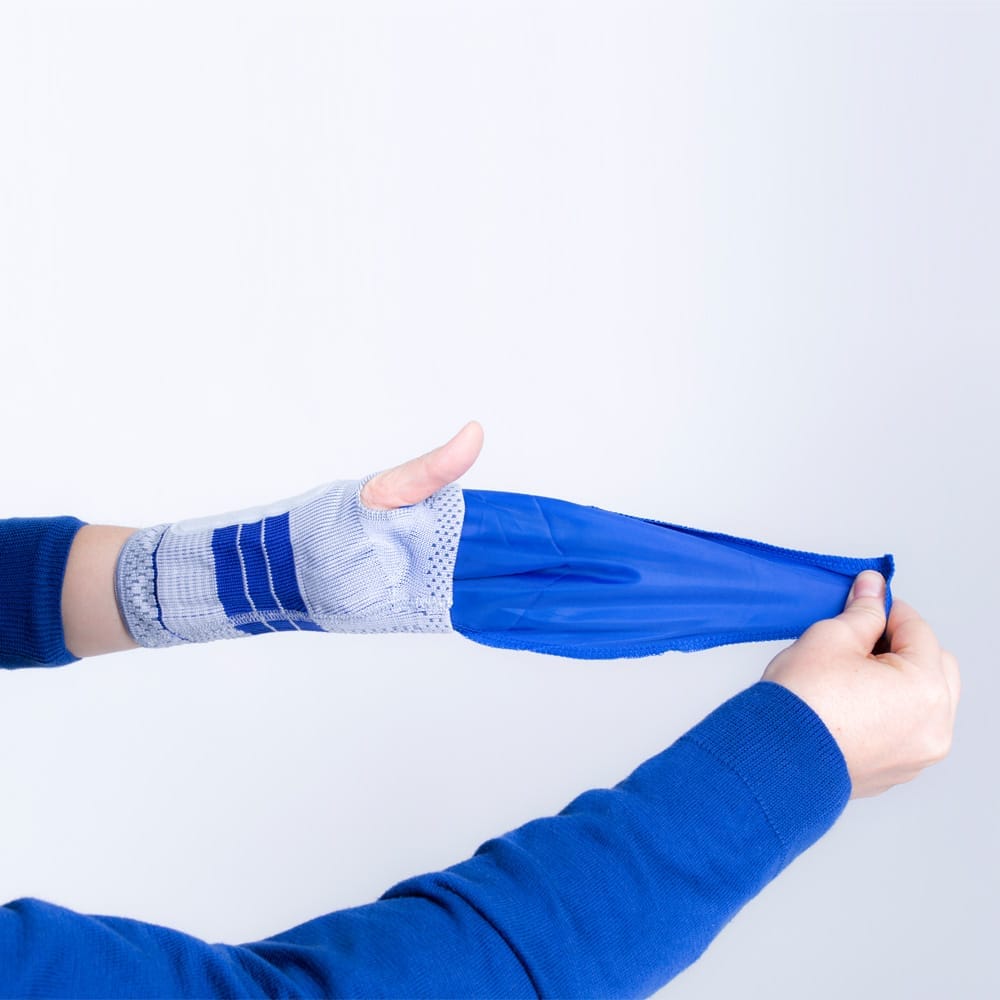
Bauerfeind ManuTrain Wrist Brace
In Stock
$195.00
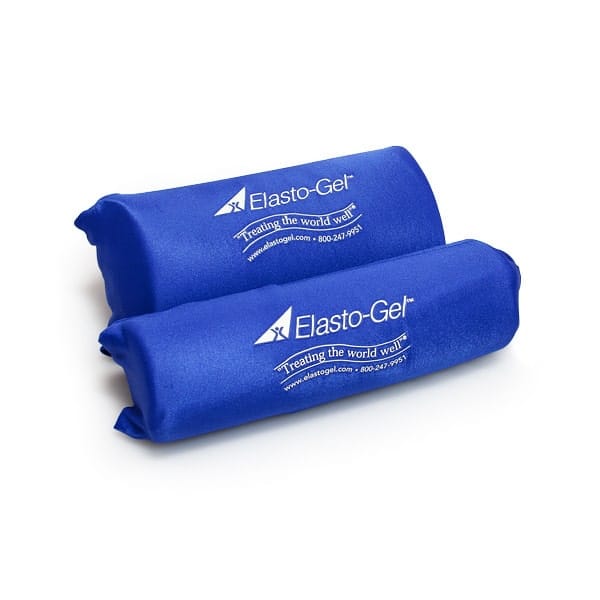
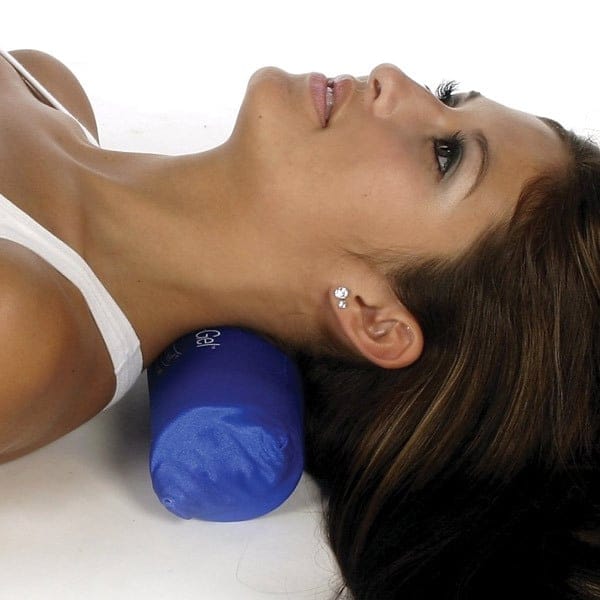
Elasto-Gel Neck/Back Support Roll
In Stock
Price range: $59.95 through $79.50

 SUPPORT SMALL CANADIAN BUSINESS