Tomland Medical Life-Size Lumbar Spine Model with Sacrum, Nerves & Herniated Disc
$69.95
In stock (can be backordered)

Clinical Pricing Available!
The Physio Store is offering clinical pricing for all businesses / institutions in healthcare, healthcare professionals/students and fitness industry professionals.
We highly recommend you to sign up for our clinical pricing program, which will provide you with discounts on most of our products. We will also send out exclusive monthly specials, new ideas and new products on the market. Our company values the hard work and dedication of healthcare professionals and express gratitude by offering you special pricing and monthly deals.
Close
Proudly Canadian-Owned and Operated Company!
This product comes from a Proudly Canadian Company, with its owners and headquarters based right here in Canada. As a locally owned business, we are committed to providing high-quality products while supporting our community and economy. By choosing this product, you are supporting a Canadian company dedicated to excellence, customer care, and innovation. Thank you for supporting local!
Close

Manufacturer Warranty
Return Policy
30-Day Return Window. Returns are accepted within 30 days of delivery for items that remain new and unopened.
Unopened condition required. Security seals must remain intact and packaging must not be opened. Items must be returned in original, unused condition for full product credit.
All law labels, identification labels, manuals, and original packaging must remain attached and undamaged. Please pack returns carefully in a secondary shipping box to prevent damage in transit.
If an item is returned opened, used, or not in resellable condition, the return will not be accepted. You will be contacted regarding return shipping fees to have the item shipped back to you.
If we do not receive instructions regarding return shipment within 30 days, you authorize us to dispose of the item on your behalf.
International orders are final sale. Orders shipped outside of Canada are not eligible for return or exchange.
For complete eligibility requirements and return instructions, please review our Return & Exchange Policy.

Tomland Medical Life-Size Lumbar Spine Model with Sacrum, Nerves & Herniated Disc
The Tomland Medical Life-Size Lumbar Spine Model is a practical anatomy model for explaining the lower spine in clinics, classrooms and healthcare training settings. It shows the lumbar vertebrae, intervertebral discs, spinal nerves, spinal cord, sacrum and a herniated disc example, making it useful for patient education and hands-on teaching.
This model is especially helpful when discussing low back pain, disc problems, sciatica, nerve irritation, posture, spinal movement and rehabilitation goals. Instead of relying only on diagrams or verbal explanations, clinicians and educators can point directly to the relevant spinal structures.
Useful for Patient Education and Clinical Demonstration
- Helps explain lumbar spine anatomy in a clear, visual way
- Useful for discussing low back pain, disc problems and nerve irritation
- Includes lumbar vertebrae, intervertebral discs, spinal nerves, spinal cord and sacrum
- Helpful for physiotherapy, chiropractic, massage therapy and healthcare education settings
Why Use a Lumbar Spine Model?
A lumbar spine model can make patient conversations easier. Many people have difficulty visualizing where the discs, nerves and vertebrae are located. With a physical model, you can demonstrate the relationship between the lower back, sacrum, discs and spinal nerves.
This can be helpful when explaining conditions such as disc herniation, sciatica, degenerative changes, spinal stiffness, postural strain and movement-related back pain. It can also support conversations about exercise, treatment planning and rehabilitation goals.
Common Uses
Ideal For
- Physiotherapy clinics
- Chiropractic offices
- Massage therapy clinics
- Medical offices and rehabilitation centres
- Colleges, universities and healthcare training programs
- Patient education, classroom teaching and clinic display
Anatomy Shown
This lumbar spine model includes key lower back structures that are commonly discussed in clinical and educational settings. The supplier describes the model as consisting of five lumbar vertebrae with intervertebral discs, lumbar nerves and spinal cord, and notes that it shows the main nerves and a herniated disc example. The supplier also lists the product dimensions as 14.37 × 4.52 × 0.2 inches and the item weight as 1.92 lb. Source: supplier product information.
| Model Type | Life-size lumbar spine anatomy model |
|---|---|
| Anatomy Included | Lumbar vertebrae, intervertebral discs, spinal nerves, spinal cord and sacrum |
| Condition Example | Includes a herniated disc demonstration feature |
| Display | Removable stand for clinic, classroom or shelf display |
| Approximate Supplier Dimensions | 14.37 × 4.52 × 4.52 inches |
| Approximate Supplier Weight | 1.92 lb |
| Brand | Tomland Medical |
| Use | Clinical education, patient teaching, healthcare training and anatomical study |
Helpful for Explaining Low Back Conditions
This model is a useful tool for explaining how the lower spine is structured and how different tissues relate to one another. For example, clinicians can use the model to show how spinal nerves exit the lower back, how discs sit between vertebrae and how the lumbar spine connects with the sacrum.
Good to Know
- This is an educational and demonstration model, not a diagnostic tool
- The model can be used to support patient understanding during clinical conversations
- The removable stand makes it easy to display on a desk, shelf, counter or treatment-room surface
- It can be wiped clean with water and a cloth according to the supplier’s product information
Tomland Medical Anatomy Models
Tomland Medical anatomy models are selected for practical healthcare education, patient demonstration and clinical teaching. This lumbar spine model is a good starting point for clinics and classrooms that frequently explain low back pain, spinal nerves, disc anatomy and rehabilitation concepts.
Available from a Canadian Healthcare Supplier
The Physio Store supplies Tomland Medical anatomy models and clinical education tools to customers across Canada, including physiotherapy clinics, chiropractic offices, massage therapy clinics, schools, universities, hospitals and rehabilitation programs.
Frequently Asked Questions
What is the Tomland Medical Life-Size Lumbar Spine Model used for?
The Tomland Medical Life-Size Lumbar Spine Model is used for anatomy education, patient teaching and clinical demonstration. It helps explain the lumbar vertebrae, intervertebral discs, spinal nerves, sacrum and disc-related conditions.
Is this lumbar spine model useful for explaining low back pain?
Yes. This model is helpful for explaining low back anatomy, disc problems, nerve irritation, sciatica, posture, spinal movement and rehabilitation goals.
Does this spine model show spinal nerves?
Yes. The model includes lumbar nerves, making it useful for explaining how nerves relate to the lower spine, discs and sacrum.
Does this model show a herniated disc?
Yes. The model includes a herniated disc demonstration feature, which can help explain disc-related back pain and possible nerve irritation.
Who would use this lumbar spine model?
This model is commonly used by physiotherapists, chiropractors, massage therapists, educators, students, rehabilitation clinics, medical offices and healthcare training programs.
Is this model suitable for chiropractic clinics?
Yes. Chiropractic clinics can use this lumbar spine model to explain spinal anatomy, disc position, nerve pathways, posture and lower back conditions.
Is this model suitable for physiotherapy clinics?
Yes. Physiotherapy clinics can use it to explain low back pain, sciatica, movement issues, exercise goals and rehabilitation plans.
Does the model come with a stand?
Yes. The model includes a removable stand, making it suitable for display in clinics, classrooms, treatment rooms or teaching spaces.
Can this model be cleaned?
The supplier describes the model as easy to wipe clean with water and a cloth. Avoid harsh cleaners unless confirmed safe for the material.
Is this lumbar spine model a diagnostic tool?
No. This model is for education and demonstration only. It can help explain anatomy and conditions, but it does not replace assessment, diagnosis or treatment from a qualified healthcare professional.
| Weight | 870 g |
|---|---|
| Dimensions | 30 × 11 × 11 cm |
| Availability |
Now available in-store at 22635 Komoka Road Komoka N0L1R0 Powered With Oliver Pos |
|---|
What is the Tomland Medical Life-Size Lumbar Spine Model used for?
The Tomland Medical Life-Size Lumbar Spine Model is used for anatomy education, patient teaching and clinical demonstration. It helps explain the lumbar vertebrae, intervertebral discs, spinal nerves, sacrum and disc-related conditions.
Is this lumbar spine model useful for explaining low back pain?
Yes. This model is helpful for explaining low back anatomy, disc problems, nerve irritation, sciatica, posture, spinal movement and rehabilitation goals.
Does this spine model show spinal nerves?
Yes. The model includes lumbar nerves, making it useful for explaining how nerves relate to the lower spine, discs and sacrum.
Does this model show a herniated disc?
Yes. The model includes a herniated disc demonstration feature, which can help explain disc-related back pain and possible nerve irritation.
Who would use this lumbar spine model?
This model is commonly used by physiotherapists, chiropractors, massage therapists, educators, students, rehabilitation clinics, medical offices and healthcare training programs.
Is this model suitable for chiropractic clinics?
Yes. Chiropractic clinics can use this lumbar spine model to explain spinal anatomy, disc position, nerve pathways, posture and lower back conditions.
Is this model suitable for physiotherapy clinics?
Yes. Physiotherapy clinics can use it to explain low back pain, sciatica, movement issues, exercise goals and rehabilitation plans.
Does the model come with a stand?
Yes. The model includes a removable stand, making it suitable for display in clinics, classrooms, treatment rooms or teaching spaces.
Can this model be cleaned?
The supplier describes the model as easy to wipe clean with water and a cloth. Avoid harsh cleaners unless confirmed safe for the material.
Is this lumbar spine model a diagnostic tool?
No. This model is for education and demonstration only. It can help explain anatomy and conditions, but it does not replace assessment, diagnosis or treatment from a qualified healthcare professional.
You may also like…


Related products
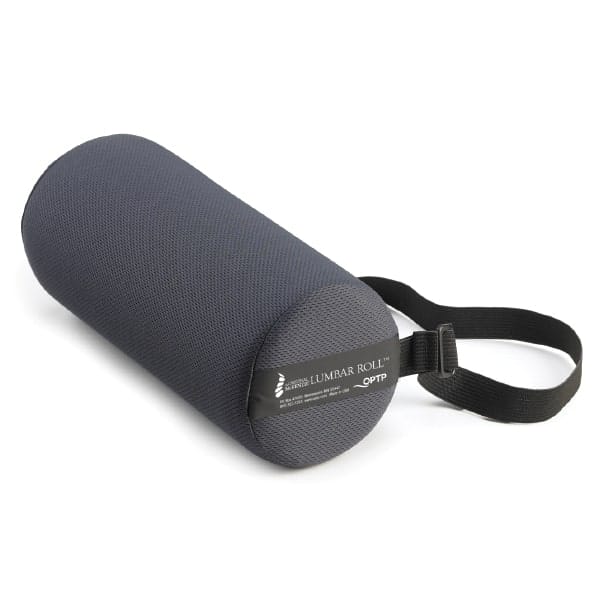
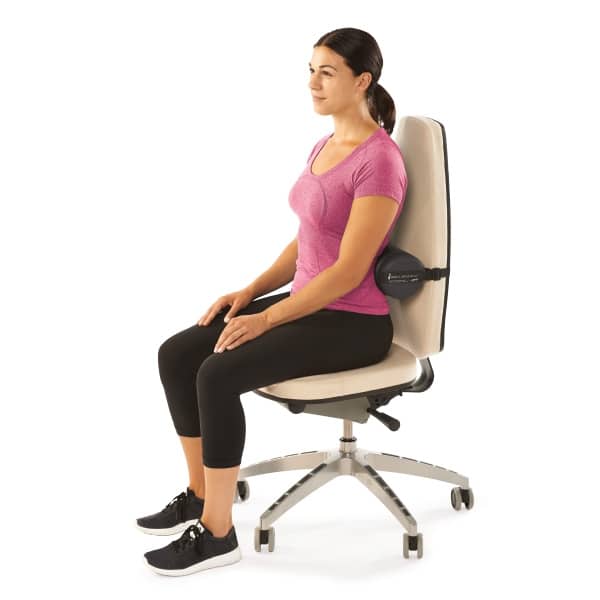
Original McKenzie Lumbar Roll – Standard Density
Available on backorder
Original price was: $43.95.$32.95Current price is: $32.95.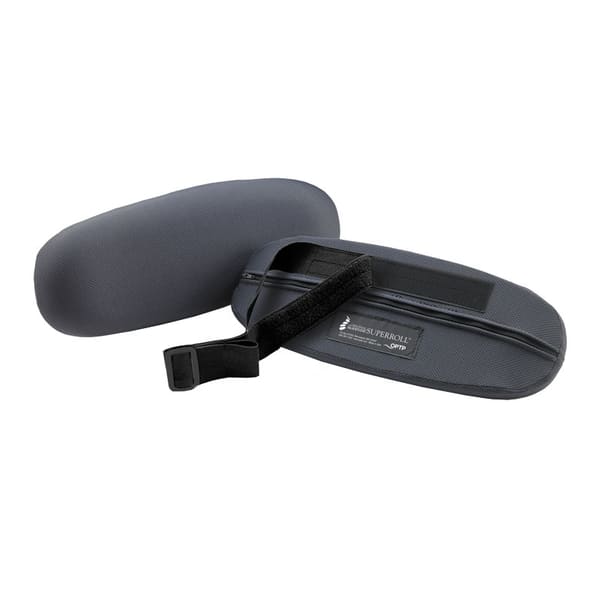
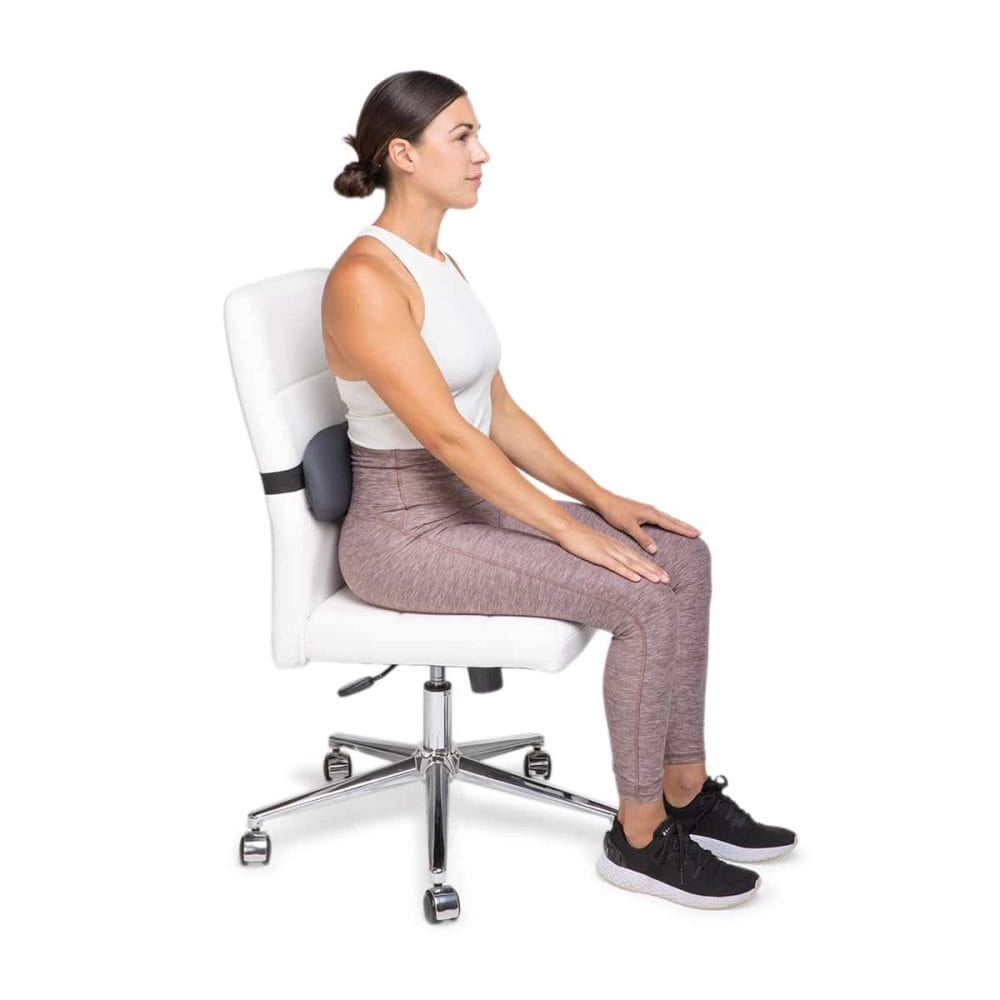
Original McKenzie SuperRoll Back Support
In Stock(21 Units)
Original price was: $64.95.$59.95Current price is: $59.95.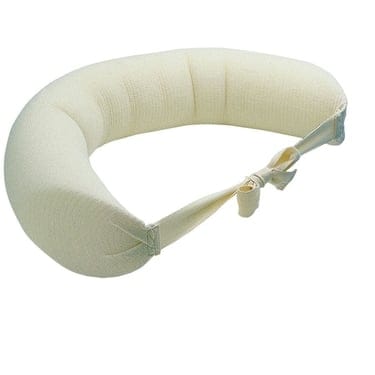
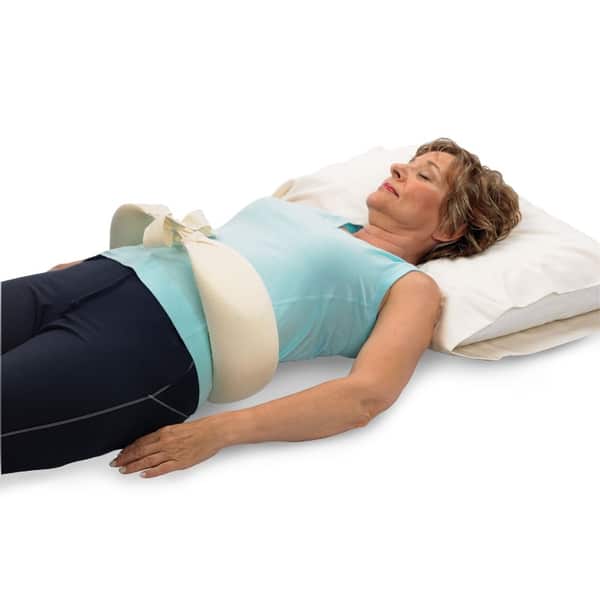
Original McKenzie Lumbar Night roll
In Stock
Price range: $55.95 through $69.95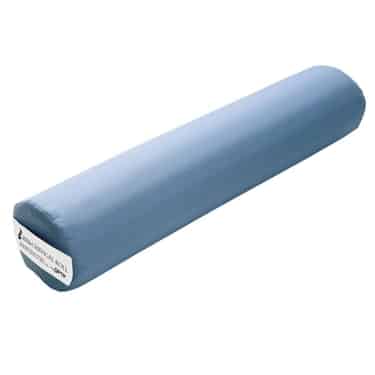
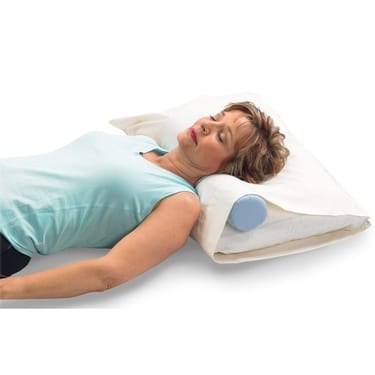
Original McKenzie Neck (Cervical) Roll
In Stock(15 Units)
Original price was: $37.95.$29.95Current price is: $29.95.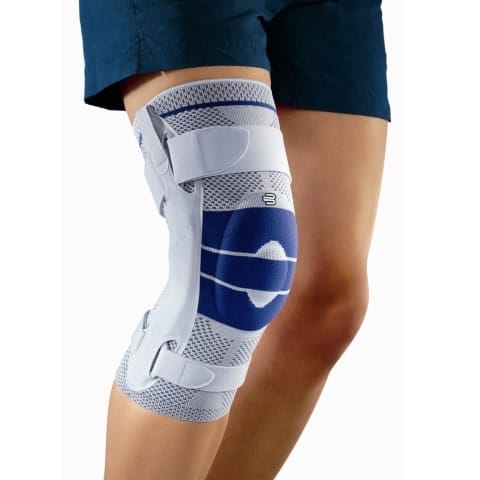
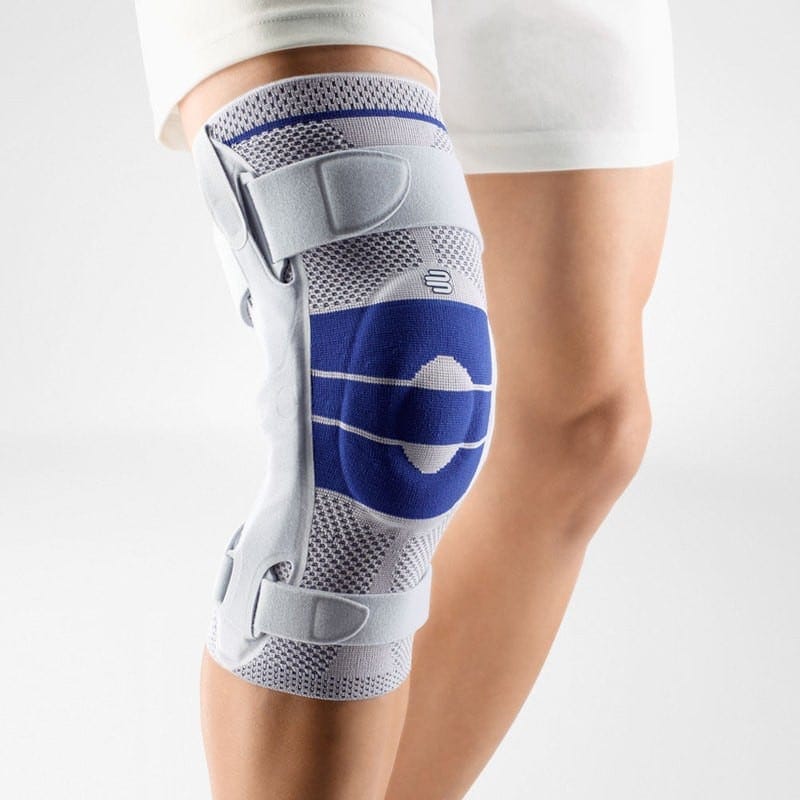
Bauerfeind GenuTrain S Knee Brace
In Stock
$400.00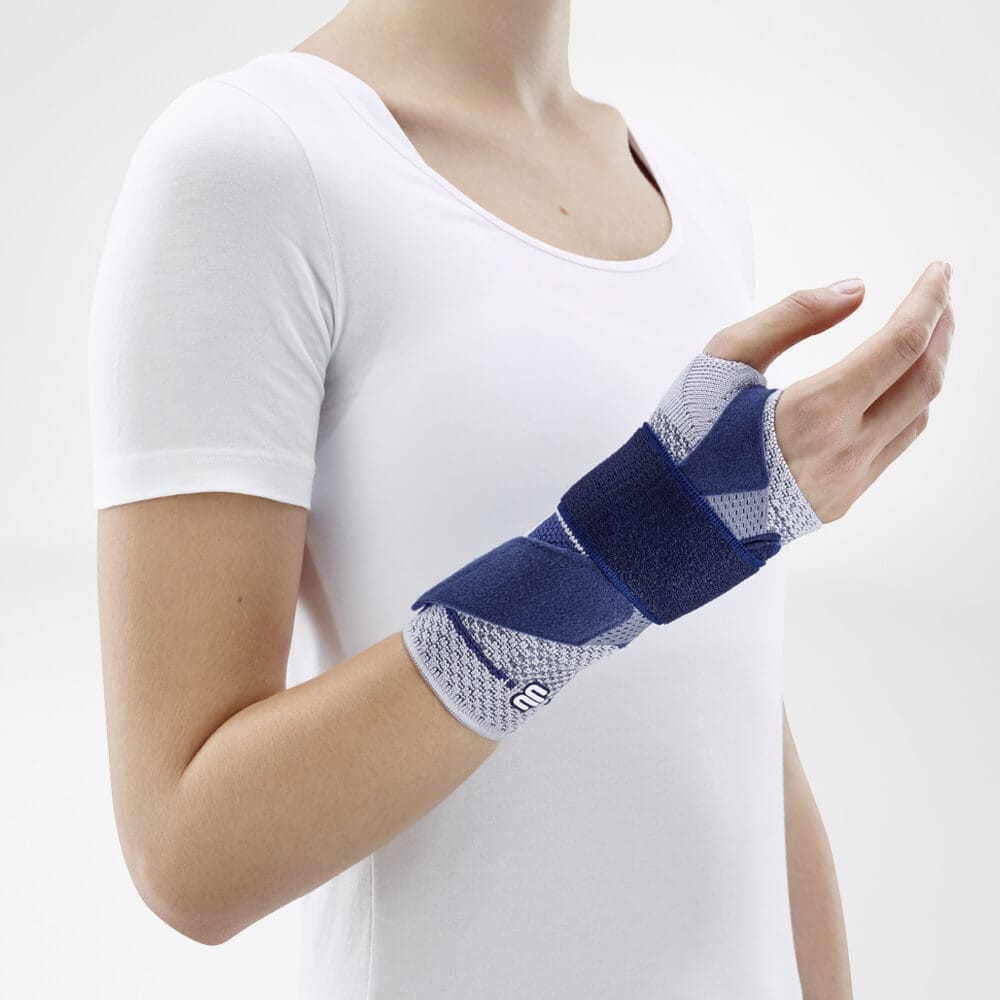
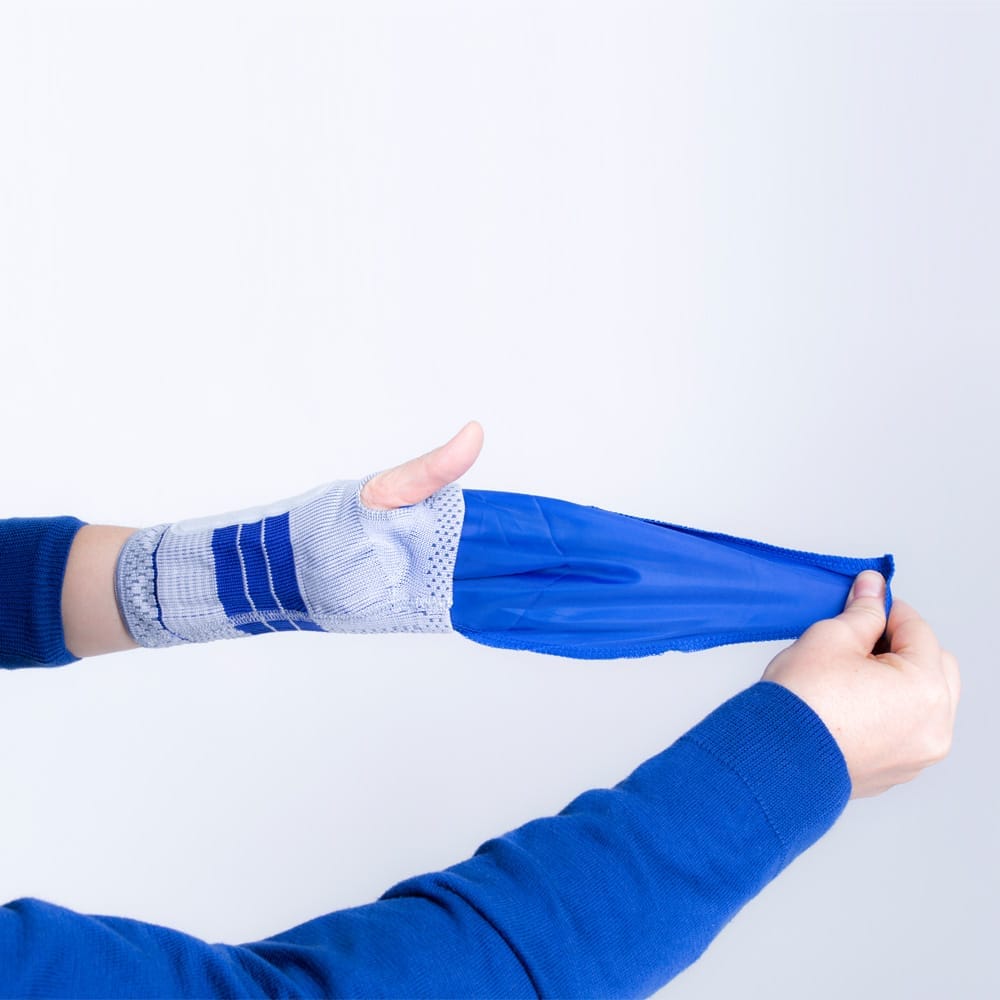
Bauerfeind ManuTrain Wrist Brace
In Stock
$195.00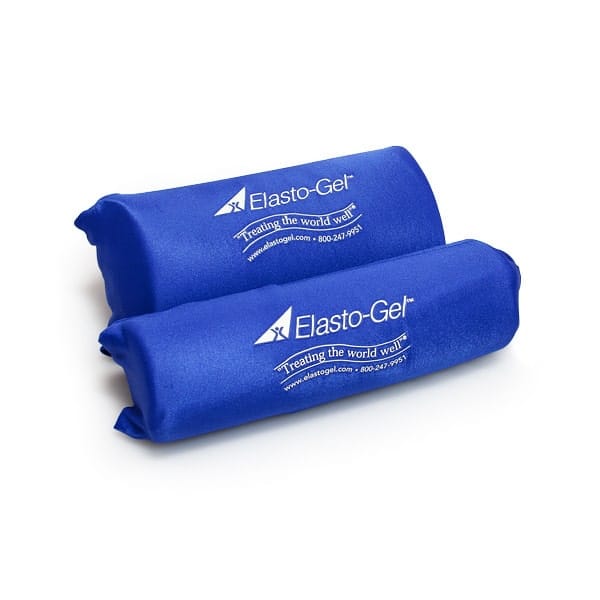
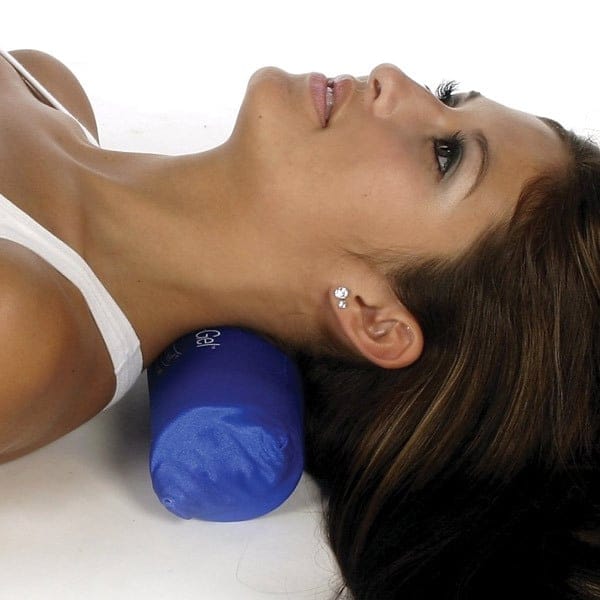
Elasto-Gel Neck/Back Support Roll
In Stock
Price range: $59.95 through $79.50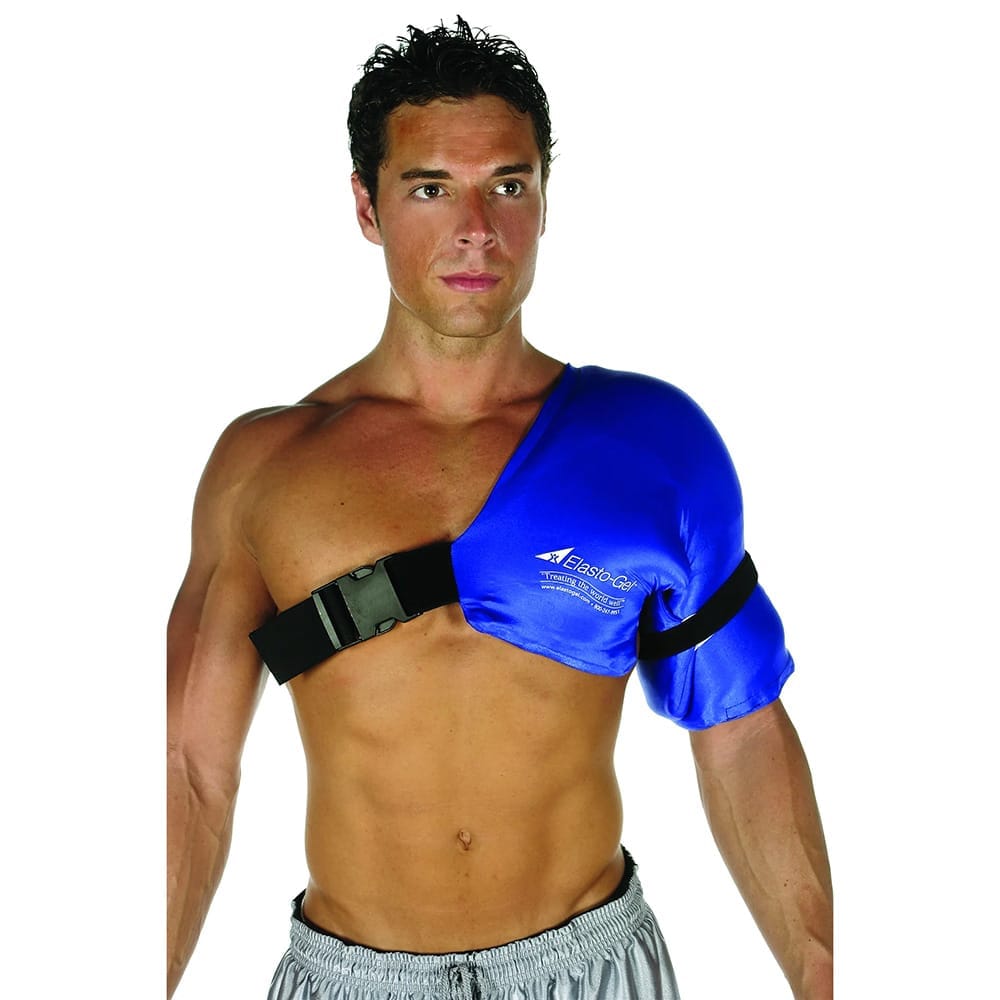
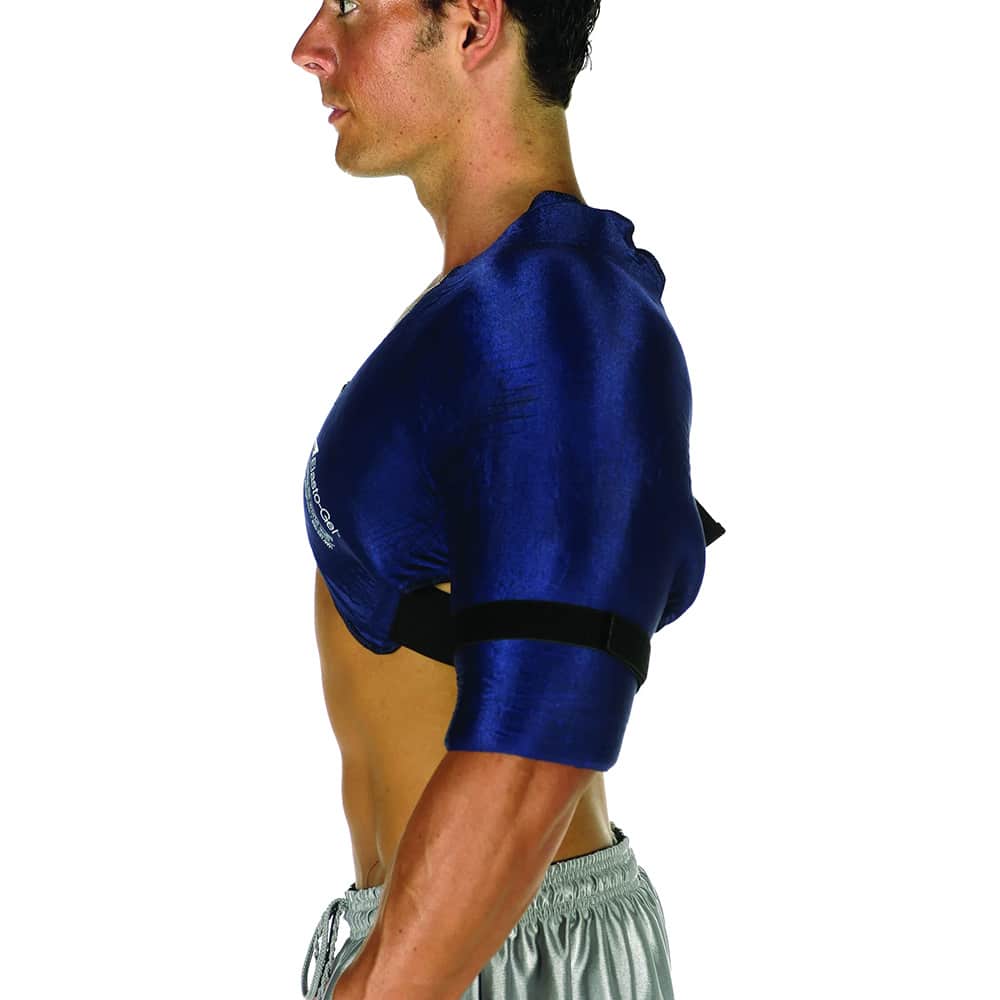
Elasto-Gel Shoulder Sleeve
In Stock
Price range: $129.95 through $144.95
 SUPPORT SMALL CANADIAN BUSINESS