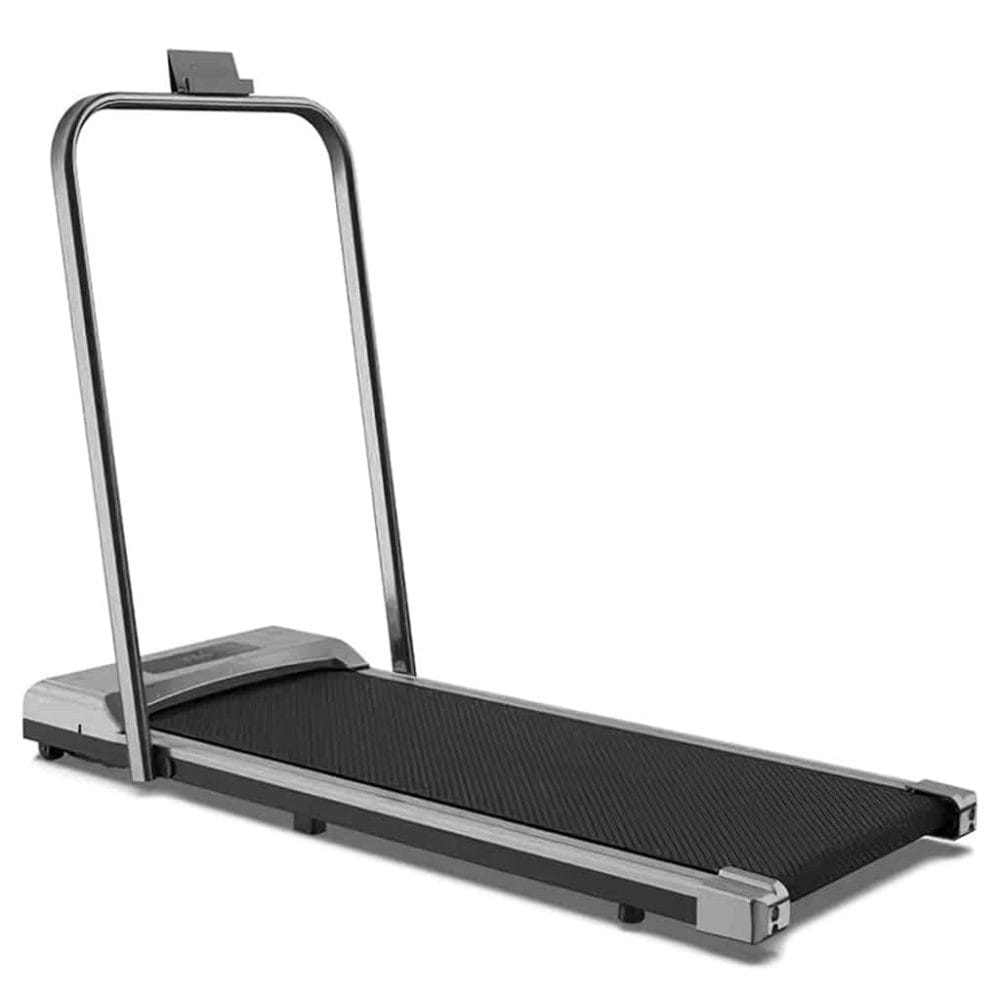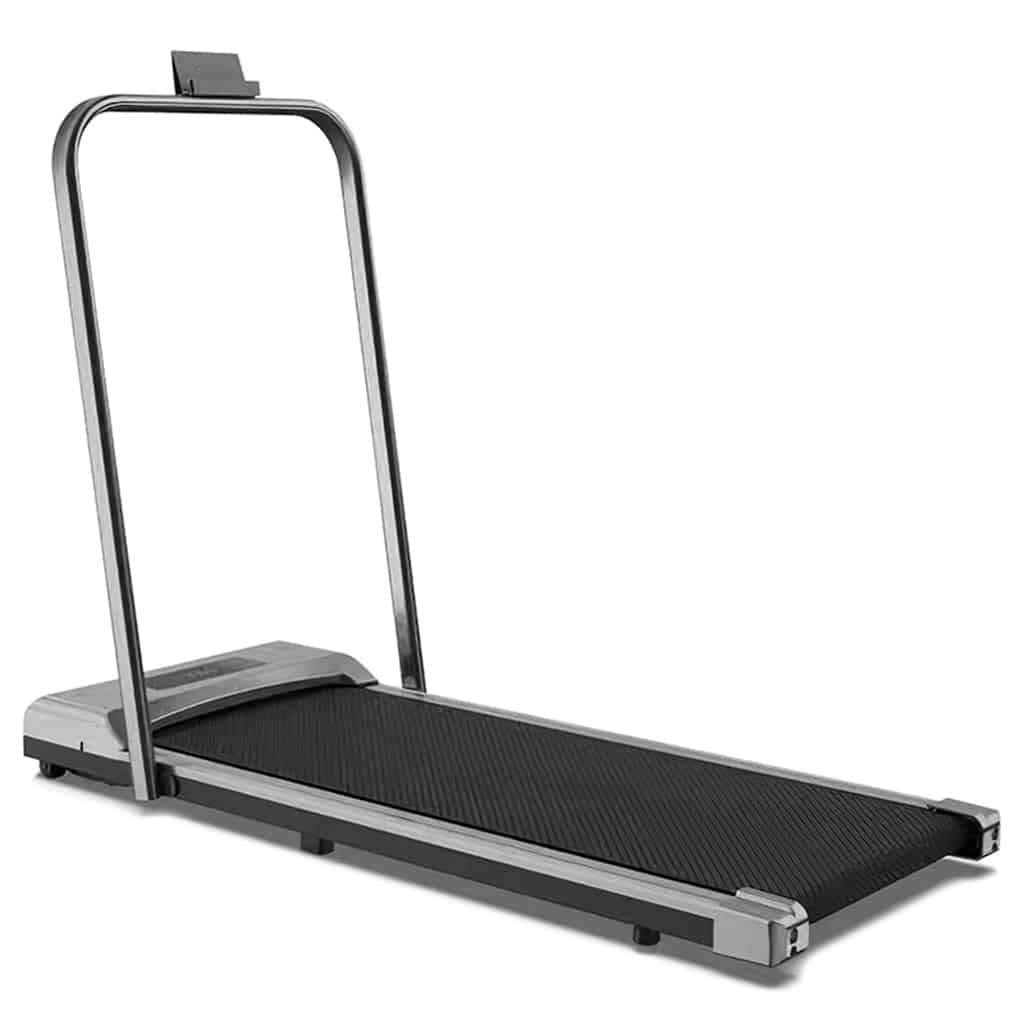

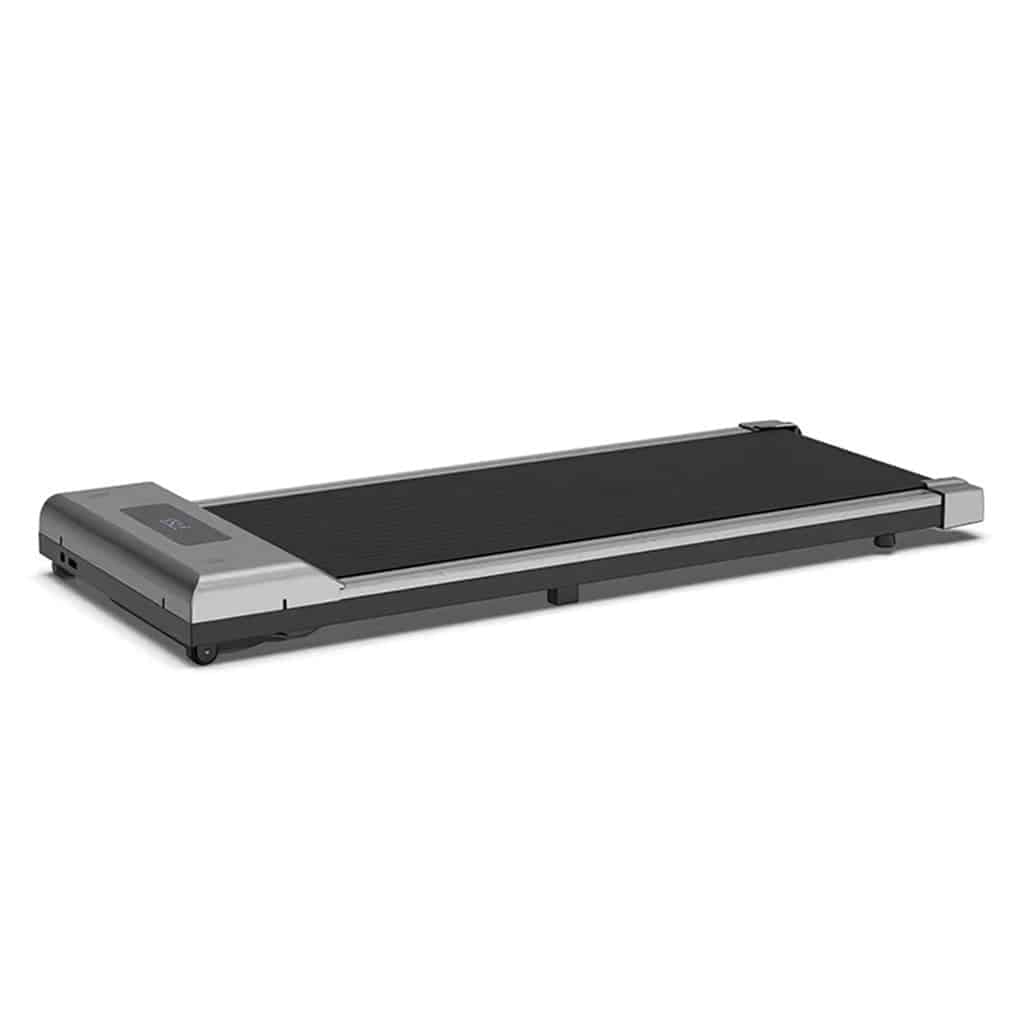
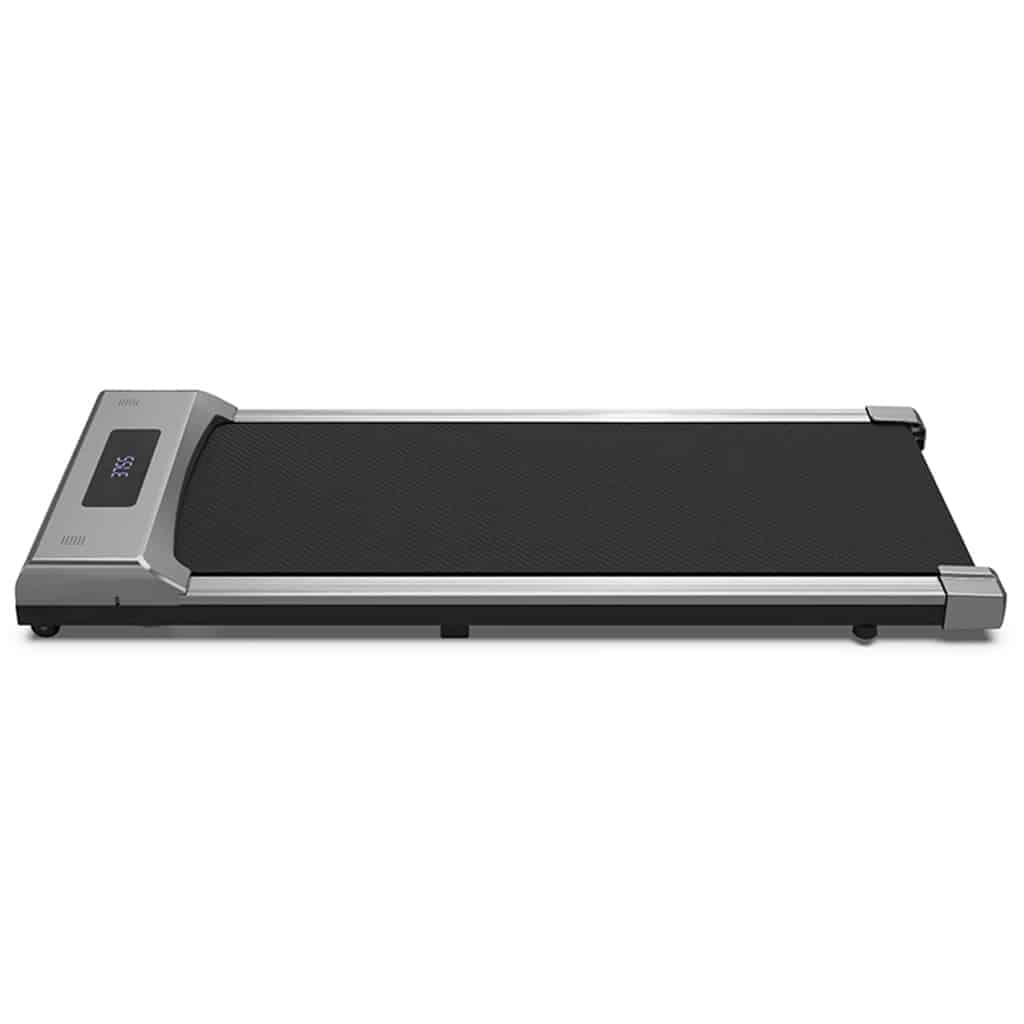
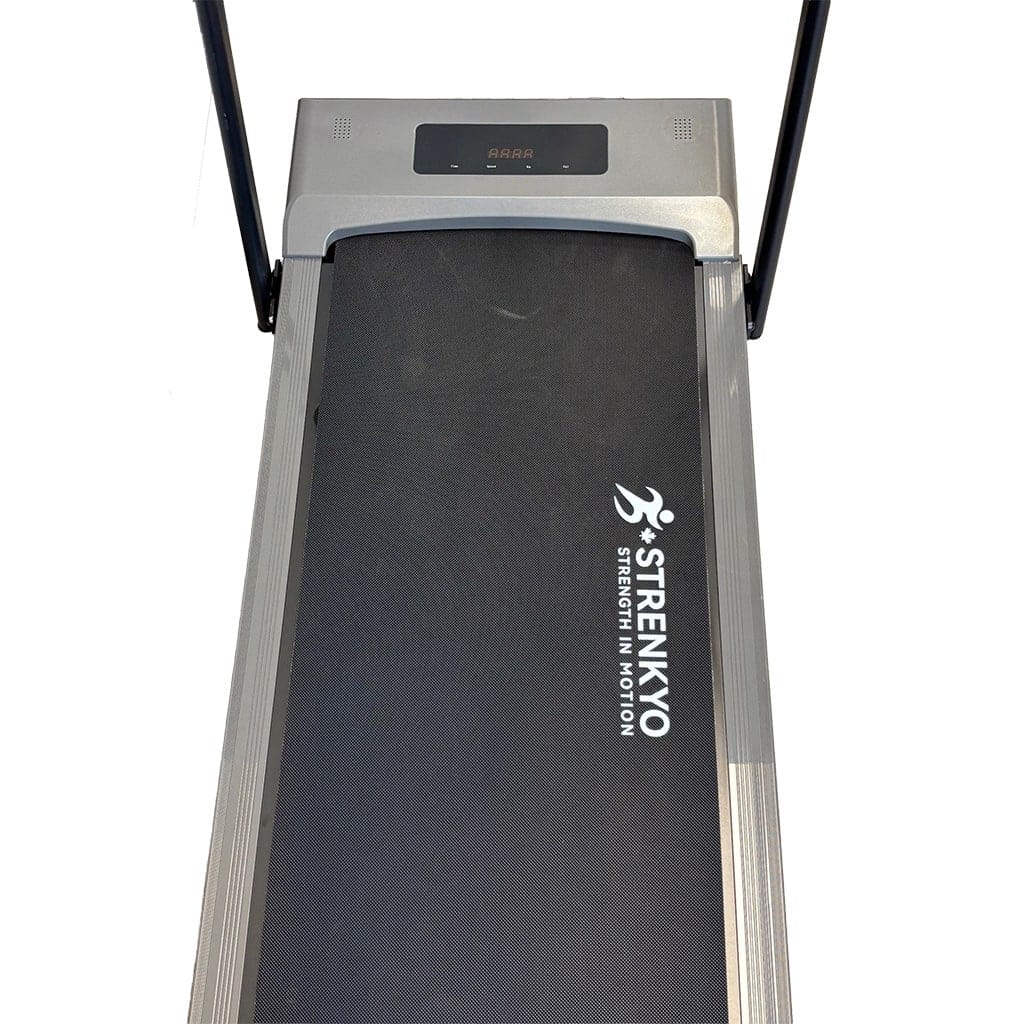
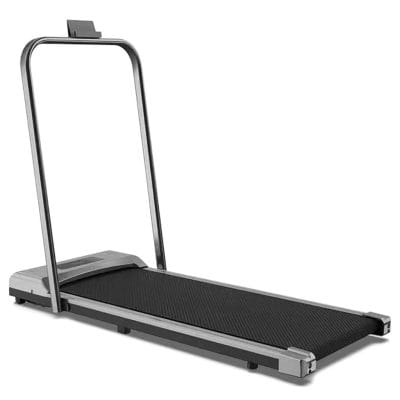
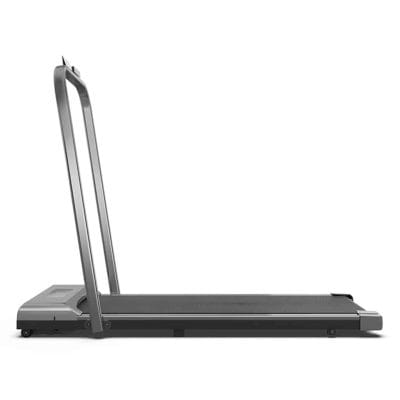
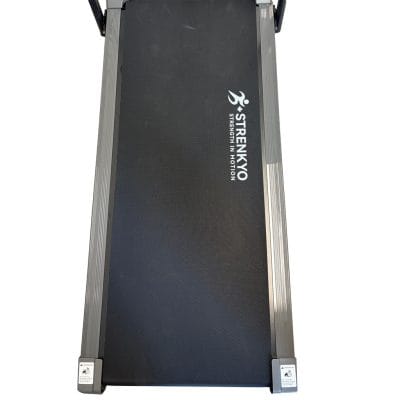
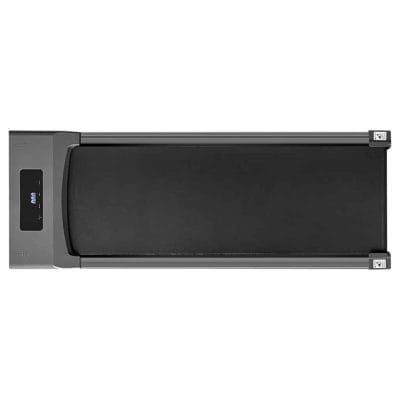
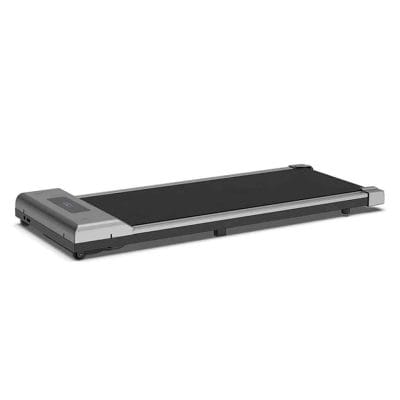
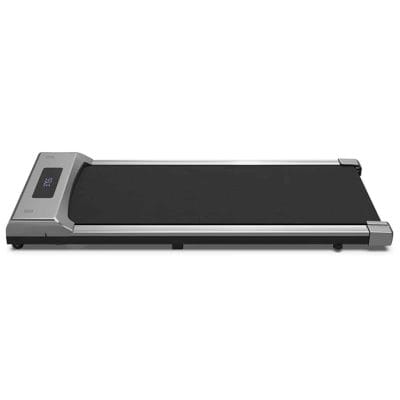
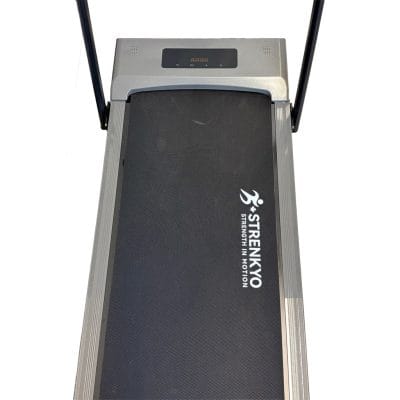
Strenkyo Walking Treadmill with Handles
$299.95
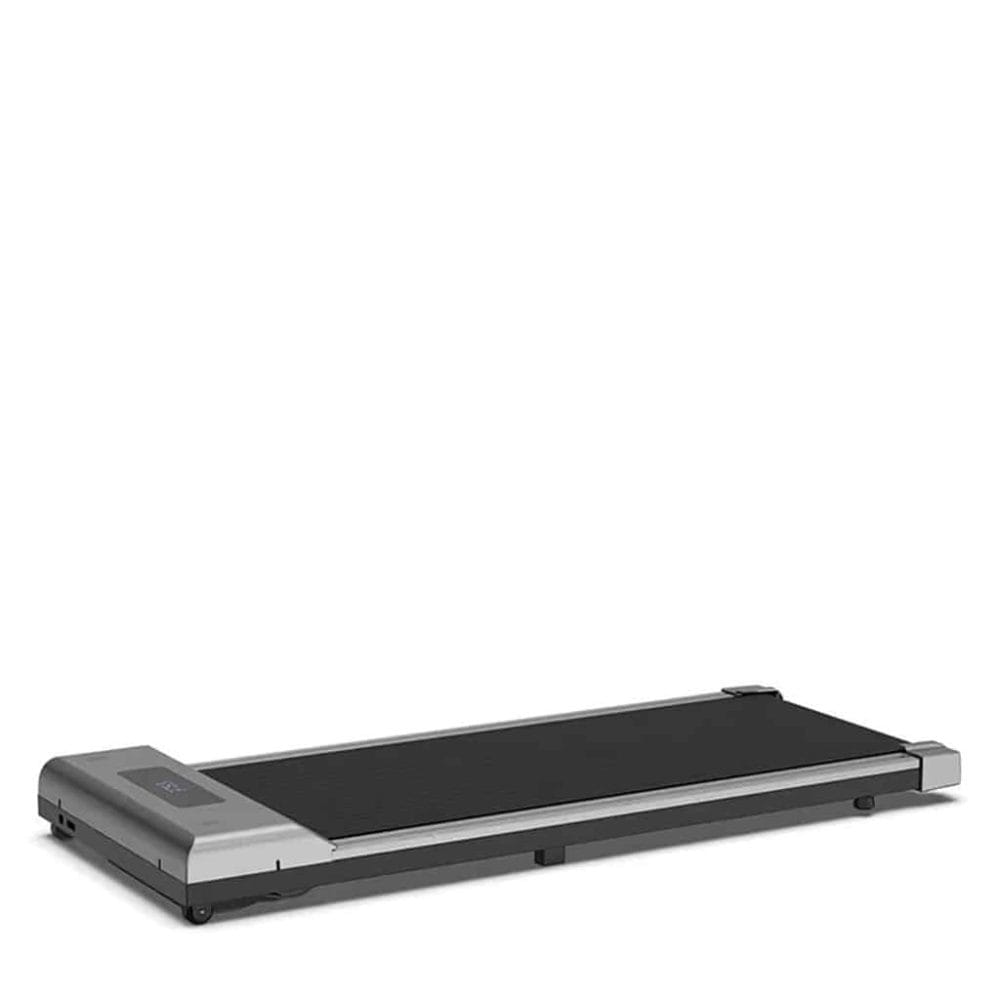
Stay active with the Strenkyo Walking Treadmill with Handles — designed in Canada for safe, stable indoor walking. Ideal for seniors, rehabilitation, or anyone who wants added support while walking at home or in the office.
Unfortunately this item has been discontinued.

Clinical Pricing Available!
The Physio Store is offering clinical pricing for all businesses / institutions in healthcare, healthcare professionals/students and fitness industry professionals.
We highly recommend you to sign up for our clinical pricing program, which will provide you with discounts on most of our products. We will also send out exclusive monthly specials, new ideas and new products on the market. Our company values the hard work and dedication of healthcare professionals and express gratitude by offering you special pricing and monthly deals.
Close
Proudly Canadian-Owned and Operated Company!
This product comes from a Proudly Canadian Company, with its owners and headquarters based right here in Canada. As a locally owned business, we are committed to providing high-quality products while supporting our community and economy. By choosing this product, you are supporting a Canadian company dedicated to excellence, customer care, and innovation. Thank you for supporting local!
Close

Manufacturer Warranty
Manufacturer’s Warranty
The Strenkyo Walking Treadmill is backed by a 1-Year Warranty covering manufacturing defects and workmanship issues.
If you experience any problems with your treadmill during the warranty period, please contact our customer service team at customerservice@physiostore.ca for support and assistance.
Warranty does not cover normal wear and tear, misuse, or damage caused by improper setup.
Return Policy
30-Day Return Window. Returns are accepted within 30 days of delivery for items that have been opened or tried on, provided they remain in resellable condition.
To qualify for a refund, items must be returned clean, complete, and in like-new condition with all original components, instructions, and product/identification labels intact. Please pack returns securely (ideally in a secondary shipping box) to prevent damage in transit.
Restocking fees may apply. If an item is returned used, damaged, missing packaging/instructions, or not in resellable condition, a restocking fee of up to 25% may be deducted from the refund.
International orders are final sale. Orders shipped outside of Canada are not eligible for return or exchange.
For full details and return instructions, please review our Return & Exchange Policy.

Strenkyo Walking Treadmill with Handles
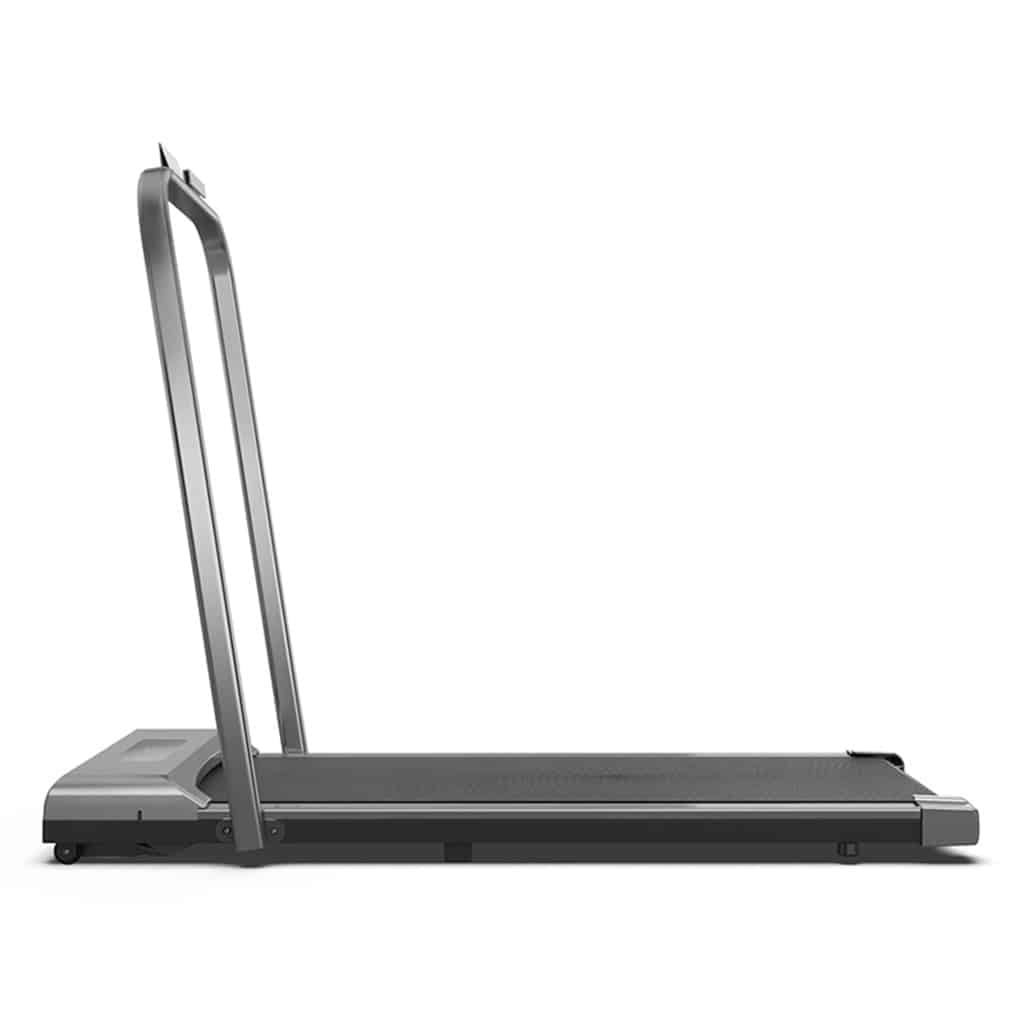
The Strenkyo Walking Treadmill with Handles makes indoor walking safe, comfortable, and accessible. Built with a durable steel frame and compact profile, this treadmill is perfect for seniors, rehabilitation, or anyone who wants the added stability of supportive handles. Designed for home use, it fits easily into small spaces without compromising performance.
Feature Highlights
- Designed for home use – safe, reliable, and easy to use indoors
- Supportive side handles – provides balance and confidence while walking
- Durable steel frame – built for stability and long-lasting use
- Adjustable speed – 1–10 km/h (0.6–6.2 mph), ideal for walking and light jogging
- Weight capacity – supports up to 110–120 kg (242–265 lbs)
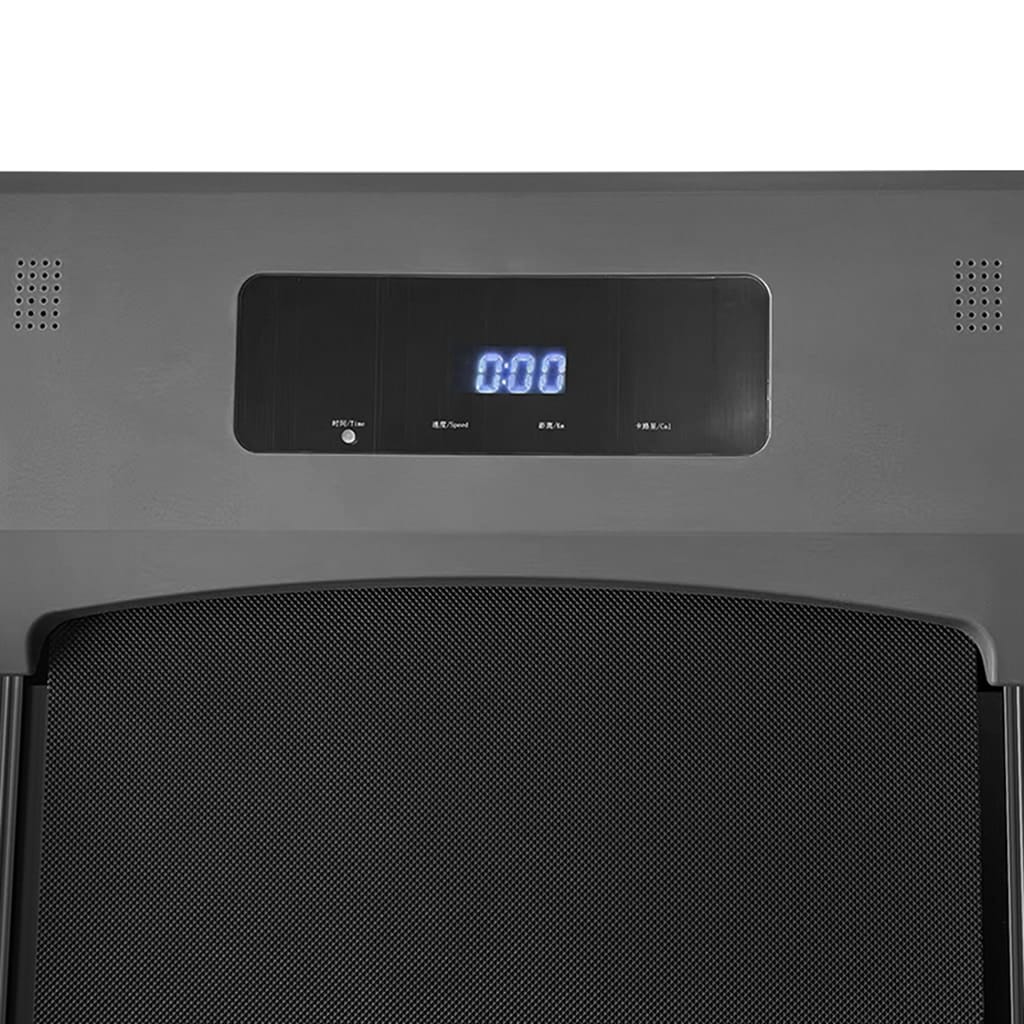
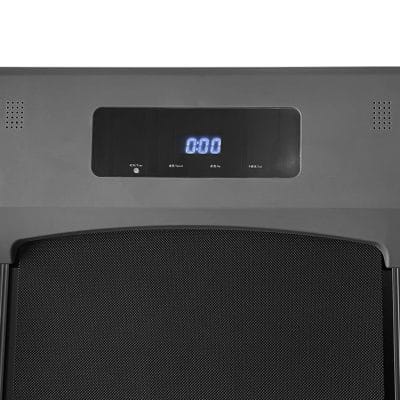
- LED display – monitor time, speed, distance, and calories
- Compact design – fits into apartments, condos, and small rooms
- High Quality Motor – Quiet 45 db and Powerful 2.5 HP peak power and 0.65 rated power, brushless motor.
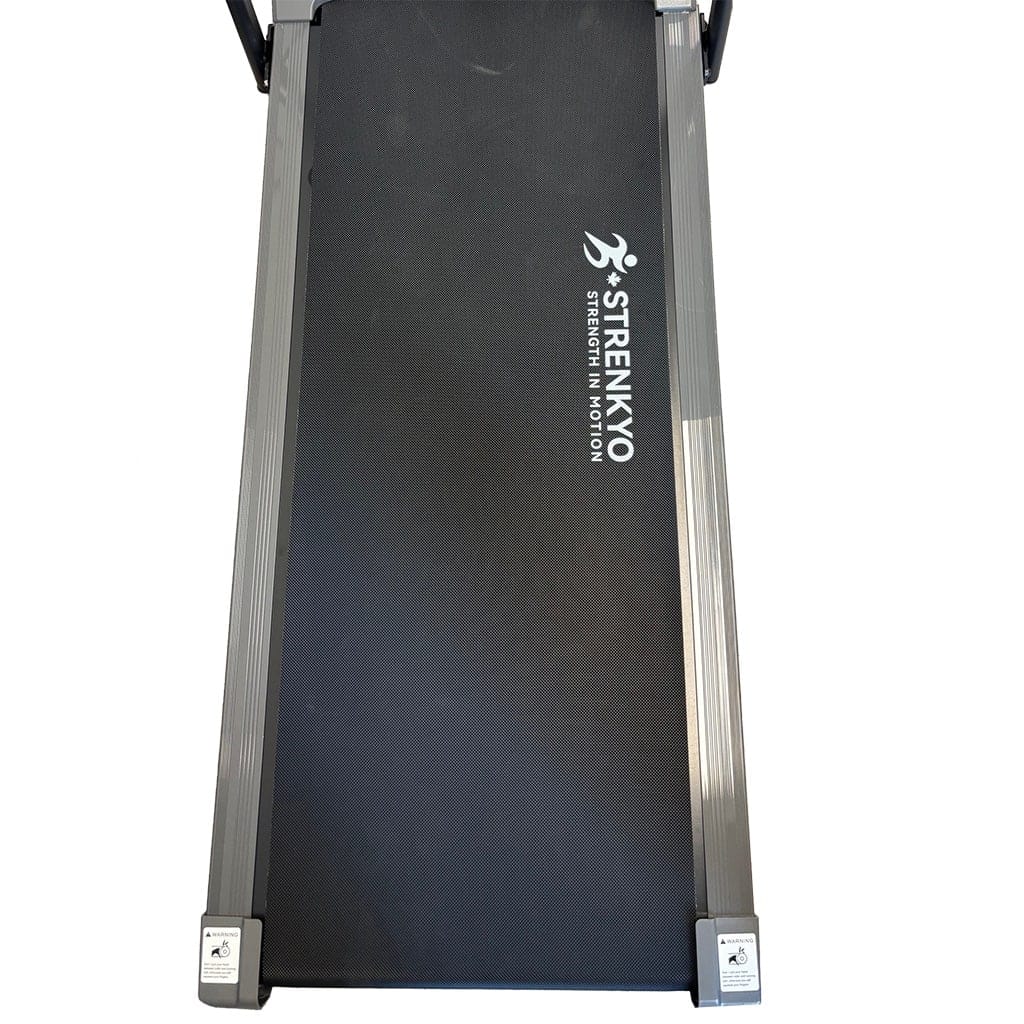
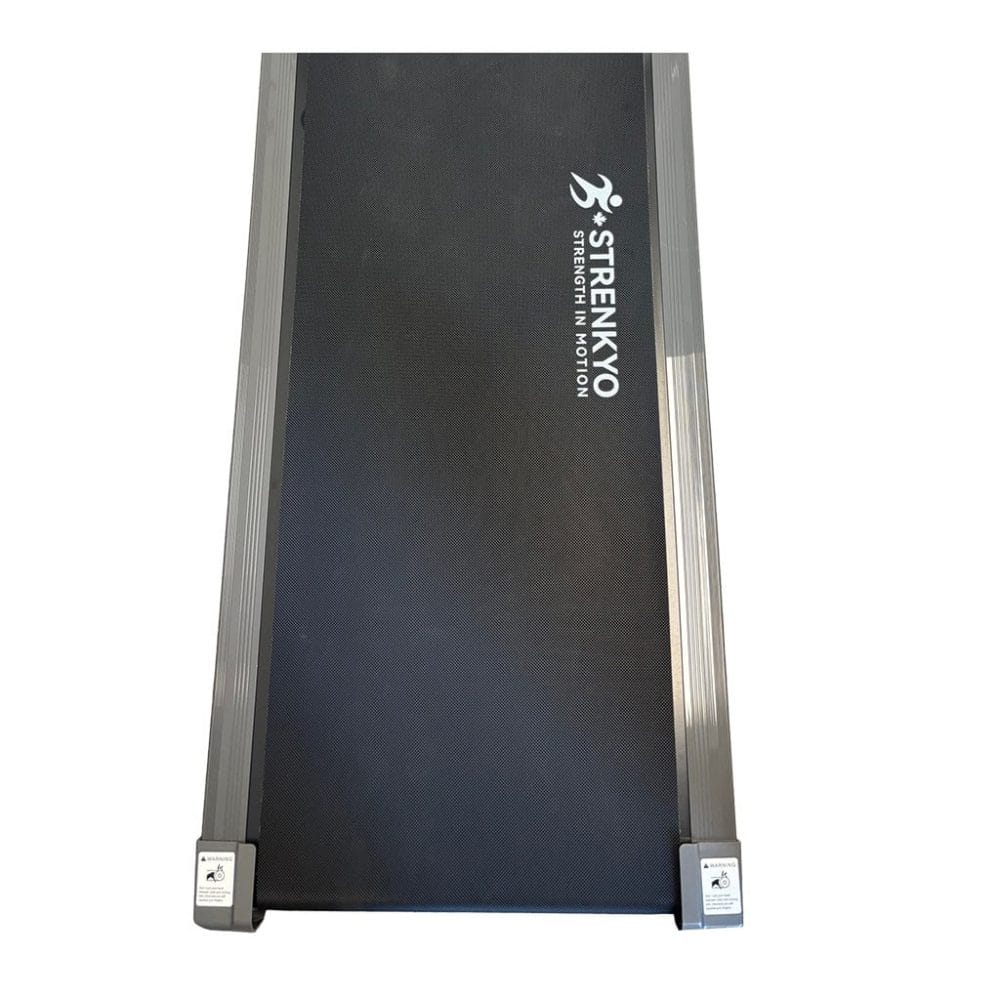
- Large Walking Surface – 40 cm wide x 100 cm in length (15.7 inches wide x 39.4 inches in length)
Strenkyo Walking Treadmill Specifications
| Specification | Details |
|---|---|
| Product Size | 121 × 50 × 12.4 cm (47.6 × 19.7 × 4.9 in) |
| Walking Surface Area | 100 × 40 cm (39.4 × 15.7 in) |
| Packaging Size | 130.5 × 58.5 × 13.5 cm (51.4 × 23.0 × 5.3 in) |
| Net Weight | 21 kg (46.3 lbs) |
| Gross Weight | 22.5 kg (49.6 lbs) |
| Max Load | 110–120 kg (242–265 lbs) |
| Speed Range | 1–10 km/h (0.6–6.2 mph) |
| Features | Time, speed, distance, calories |
Understanding Walking Pace
Walking speed varies from person to person, but most adults find a comfortable pace between 4.0 and 6.5 km/h (2.5 – 4.0 mph). A beginner or casual walker may enjoy a slower pace of around 5 km/h (3.1 mph), while a brisk, fitness-focused walk often reaches 6–6.5 km/h (3.7 – 4.0 mph). The right pace depends on your fitness level, age, terrain, and personal goals.
Factors That Influence Walking Speed
- Fitness level: Beginners may feel comfortable at 3.5–5 km/h (2.2–3.1 mph), while trained individuals can maintain 6–7.5 km/h (3.7–4.7 mph) or more.
- Age: Older adults and children often prefer slower speeds around 3.5 km/h (2.2 mph).
- Terrain: Uphill or uneven surfaces slow your pace, while flat, firm ground allows for faster walking.
- Health & fitness goals: An easy “health walk” is typically around 5 km/h (3.1 mph), while a brisk walk for cardiovascular fitness is closer to 6–6.5 km/h (3.7–4.0 mph).
How to Find Your Comfortable Speed
- Start moderately: Walk at a pace where your breathing increases but you can still talk in full sentences.
- Adjust as needed: If you’re breathless or uncomfortable, slow down; if it feels too easy, increase speed slightly.
- Track heart rate: A moderate walking pace usually aligns with 50–60% of your maximum heart rate.
Walking Pace Comparison Chart
Easy / Beginner
3.5 – 5 km/h
(2.2 – 3.1 mph)
Best for new walkers and casual daily pace.
Comfortable / Average
5 – 6 km/h
(3.1 – 3.7 mph)
Ideal for everyday health walking.
Brisk / Fitness
6 – 6.5 km/h
(3.7 – 4.0 mph)
Great for cardio, weight loss, and endurance.
Advanced / Fast
6.5 – 7.5+ km/h
(4.0 – 4.7+ mph)
For fit walkers and power walking sessions.
Compare Strenkyo Walking Treadmills
| Feature | With Handles | Slim Under-Desk |
|---|---|---|
| Design | Includes supportive side handles for balance | Ultra-slim walking pad without handles |
| Best For | Seniors, rehabilitation, safe walking | Home office, under-desk walking, small spaces |
| Speed Range | 1–10 km/h (0.6–6.2 mph) | 1–6 km/h (0.6–3.7 mph) |
| Max Load | 120 kg (265 lbs) | 120 kg (265 lbs) |
| Display | LED display: time, speed, distance, calories | LED display: time, speed, distance, calories |
| Walking Surface | 40 cm x 100 cm (15.7″ x 39.4″) | 40 cm x 100 cm (15.7″ x 39.4″) |
| Storage | Compact, folds into small spaces | Slides under desks/furniture for storage |
See the Strenkyo Slim Walking Treadmill (Without Handles)
Frequently Asked Questions
What makes the Strenkyo Walking Treadmill with Handles different from a regular running treadmill?
The Strenkyo Walking Treadmill with Handles is designed specifically for comfortable, lower-impact walking rather than fast running. It typically has a slightly shorter deck, a walking-speed focused motor, and safety handles that give you extra balance support. This makes it ideal for daily step goals, active recovery, and gentle cardio if you have joint pain, are returning from injury, or simply prefer walking over running.
Should I choose the Strenkyo treadmill with handles or the one without handles?
If you like a bit of extra security, have any balance concerns, or want something easier for starting a new fitness routine, the version with handles is usually the better choice. The handle-free version is great if you want a cleaner look, more freedom of arm movement, or plan to use it under a standing desk. Functionally, both provide smooth, steady walking, but the handles add an extra layer of confidence and support.
Is walking on a treadmill actually good for my health, or should I focus on other cardio?
Walking on a treadmill is one of the most researched and supported forms of exercise for heart health, blood pressure, blood sugar control, and weight management. Studies show that consistent moderate walking can lower cardiovascular risk, improve mood, and reduce all-cause mortality when done regularly over time. It’s also easier on the joints than running, which is helpful if you have knee, hip, or back issues.
How fast should I walk on the Strenkyo Walking Treadmill to improve my fitness?
For most adults, a brisk walking pace is around 4–6 km/h, but the “right” speed depends on your fitness level. You should be breathing heavier than usual but still able to speak in short sentences. If you’re new to exercise or recovering from an injury, start slower (2–4 km/h) and gradually increase speed or duration as it feels comfortable.
How long should I walk on the treadmill each day to see benefits?
A good starting goal is at least 20–30 minutes of walking most days of the week. Many guidelines suggest aiming for 150 minutes of moderate-intensity activity per week. You can break this into shorter bouts, like 10–15 minutes at a time, which still provides meaningful health benefits when done consistently.
Is a walking treadmill safe if I have knee or hip arthritis?
For many people with knee or hip osteoarthritis, walking on a treadmill can be a safe and joint-friendly option compared with high-impact activities. The flat, predictable surface and ability to control speed make it easier to stay within a comfortable range. However, it’s always best to check with your physiotherapist or healthcare provider, especially if you have significant pain, recent surgery, or other medical conditions.
Can I use the Strenkyo Walking Treadmill with Handles as an under-desk treadmill while working?
Yes, the Strenkyo walking treadmill can be used at slower speeds while you work at a standing desk. Most people find 1–3 km/h comfortable for “walk while you work” setups. The handle version gives you something to hold when you’re not typing, while the handle-free version usually slides more easily under a desk. Just make sure your desk height and monitor position are adjusted to avoid neck or back strain.
Is using a walking treadmill better than just trying to hit 10,000 steps a day outdoors?
Both are excellent options, and they can work together. A walking treadmill makes it easier to stay consistent when the weather is bad, it’s dark outside, or you’re short on time. Research suggests that regular movement and total step count over the day matter more than where you walk. Using your treadmill at home or in the office can help you reliably reach your daily step targets.
Will walking on a treadmill help with weight loss?
Walking on a treadmill can support weight loss when combined with appropriate nutrition. Regular walking increases the number of calories you burn each day and helps maintain muscle mass, which supports your metabolism. Gradually increasing your walking time, frequency, or incline (if available) is an effective, sustainable way to boost daily energy expenditure.
Is it okay to use the Strenkyo treadmill every day?
For most people, daily walking is not only safe but encouraged. As long as you listen to your body, build up gradually, and adjust your speed and duration based on how you feel, daily walking can improve cardiovascular fitness, energy levels, and overall health. If you notice unusual pain, dizziness, or symptoms that concern you, stop and speak with a healthcare professional.
I’m new to exercise. How should I start using the Strenkyo Walking Treadmill?
Start simple and consistent. Begin with 10–15 minutes at a comfortable pace where you can talk easily. Use the handles if you feel unsure on your feet. After a week or two, slowly increase your time by 3–5 minutes per session, or slightly increase your speed. The goal is to build a routine you can keep up for months, not just days.
Can walking on a treadmill help with my blood pressure and blood sugar?
Yes. Regular moderate-intensity walking has been shown to help reduce blood pressure and improve how your body handles blood sugar. Even short, frequent walks after meals may help smooth out post-meal blood sugar spikes. If you live with high blood pressure or diabetes, it’s important to follow your clinician’s advice, monitor your numbers, and progress your walking program gradually.
Is the Strenkyo Walking Treadmill noisy? Will it bother others in my home or condo?
Walking treadmills are generally quieter than full-size running treadmills because they are used at lower speeds and create less impact with each step. Many users find them suitable for apartments or condos, especially if placed on a mat to help reduce vibration and noise transfer through the floor. Actual noise will depend on your speed, body weight, and flooring.
What’s the advantage of having sturdy handles on a walking treadmill?
Handles provide extra stability and confidence, particularly when you’re starting out, increasing speed, or if you have any balance concerns. They can be helpful for older adults, people recovering from injury, and anyone who feels safer having something to hold. Handles also make it easier to step on and off the treadmill in a controlled way.
Can I still get a good workout on a walking treadmill even if I don’t run?
Absolutely. You can progress your walking workouts by increasing speed, time, or incline (if available), or by adding intervals where you alternate between easier and brisker paces. Many evidence-based guidelines recognize brisk walking as a highly effective form of cardiovascular exercise, especially when done consistently over the long term.
Are there any people who should be cautious about using a walking treadmill?
Yes. If you have a history of heart disease, chest pain, uncontrolled blood pressure, recent surgery, major balance problems, or you are pregnant and unsure what’s safe, you should speak with your doctor or physiotherapist before starting. They can help you decide on safe speeds, durations, and whether you should use handles for extra support.
| Weight | 22500 g |
|---|---|
| Dimensions | 130.5 × 58.5 × 13.5 cm |
| Country of Origin | China |
| HS Code | 9506919010 |
What makes the Strenkyo Walking Treadmill with Handles different from a regular running treadmill?
The Strenkyo Walking Treadmill with Handles is designed specifically for comfortable, lower-impact walking rather than fast running. It typically has a slightly shorter deck, a walking-speed focused motor, and safety handles that give you extra balance support. This makes it ideal for daily step goals, active recovery, and gentle cardio if you have joint pain, are returning from injury, or simply prefer walking over running.
Should I choose the Strenkyo treadmill with handles or the one without handles?
If you like a bit of extra security, have any balance concerns, or want something easier for starting a new fitness routine, the version with handles is usually the better choice. The handle-free version is great if you want a cleaner look, more freedom of arm movement, or plan to use it under a standing desk. Functionally, both provide smooth, steady walking, but the handles add an extra layer of confidence and support.
Is walking on a treadmill actually good for my health, or should I focus on other cardio?
Walking on a treadmill is one of the most researched and supported forms of exercise for heart health, blood pressure, blood sugar control, and weight management. Studies show that consistent moderate walking can lower cardiovascular risk, improve mood, and reduce all-cause mortality when done regularly over time. It’s also easier on the joints than running, which is helpful if you have knee, hip, or back issues.
How fast should I walk on the Strenkyo Walking Treadmill to improve my fitness?
For most adults, a brisk walking pace is around 4–6 km/h, but the “right” speed depends on your fitness level. You should be breathing heavier than usual but still able to speak in short sentences. If you’re new to exercise or recovering from an injury, start slower (2–4 km/h) and gradually increase speed or duration as it feels comfortable.
How long should I walk on the treadmill each day to see benefits?
A good starting goal is at least 20–30 minutes of walking most days of the week. Many guidelines suggest aiming for 150 minutes of moderate-intensity activity per week. You can break this into shorter bouts, like 10–15 minutes at a time, which still provides meaningful health benefits when done consistently.
Is a walking treadmill safe if I have knee or hip arthritis?
For many people with knee or hip osteoarthritis, walking on a treadmill can be a safe and joint-friendly option compared with high-impact activities. The flat, predictable surface and ability to control speed make it easier to stay within a comfortable range. However, it’s always best to check with your physiotherapist or healthcare provider, especially if you have significant pain, recent surgery, or other medical conditions.
Can I use the Strenkyo Walking Treadmill with Handles as an under-desk treadmill while working?
Yes, the Strenkyo walking treadmill can be used at slower speeds while you work at a standing desk. Most people find 1–3 km/h comfortable for “walk while you work” setups. The handle version gives you something to hold when you’re not typing, while the handle-free version usually slides more easily under a desk. Just make sure your desk height and monitor position are adjusted to avoid neck or back strain.
Is using a walking treadmill better than just trying to hit 10,000 steps a day outdoors?
Both are excellent options, and they can work together. A walking treadmill makes it easier to stay consistent when the weather is bad, it’s dark outside, or you’re short on time. Research suggests that regular movement and total step count over the day matter more than where you walk. Using your treadmill at home or in the office can help you reliably reach your daily step targets.
Will walking on a treadmill help with weight loss?
Walking on a treadmill can support weight loss when combined with appropriate nutrition. Regular walking increases the number of calories you burn each day and helps maintain muscle mass, which supports your metabolism. Gradually increasing your walking time, frequency, or incline (if available) is an effective, sustainable way to boost daily energy expenditure.
Is it okay to use the Strenkyo treadmill every day?
For most people, daily walking is not only safe but encouraged. As long as you listen to your body, build up gradually, and adjust your speed and duration based on how you feel, daily walking can improve cardiovascular fitness, energy levels, and overall health. If you notice unusual pain, dizziness, or symptoms that concern you, stop and speak with a healthcare professional.
I’m new to exercise. How should I start using the Strenkyo Walking Treadmill?
Start simple and consistent. Begin with 10–15 minutes at a comfortable pace where you can talk easily. Use the handles if you feel unsure on your feet. After a week or two, slowly increase your time by 3–5 minutes per session, or slightly increase your speed. The goal is to build a routine you can keep up for months, not just days.
Can walking on a treadmill help with my blood pressure and blood sugar?
Yes. Regular moderate-intensity walking has been shown to help reduce blood pressure and improve how your body handles blood sugar. Even short, frequent walks after meals may help smooth out post-meal blood sugar spikes. If you live with high blood pressure or diabetes, it’s important to follow your clinician’s advice, monitor your numbers, and progress your walking program gradually.
Is the Strenkyo Walking Treadmill noisy? Will it bother others in my home or condo?
Walking treadmills are generally quieter than full-size running treadmills because they are used at lower speeds and create less impact with each step. Many users find them suitable for apartments or condos, especially if placed on a mat to help reduce vibration and noise transfer through the floor. Actual noise will depend on your speed, body weight, and flooring.
What’s the advantage of having sturdy handles on a walking treadmill?
Handles provide extra stability and confidence, particularly when you’re starting out, increasing speed, or if you have any balance concerns. They can be helpful for older adults, people recovering from injury, and anyone who feels safer having something to hold. Handles also make it easier to step on and off the treadmill in a controlled way.
Can I still get a good workout on a walking treadmill even if I don’t run?
Absolutely. You can progress your walking workouts by increasing speed, time, or incline (if available), or by adding intervals where you alternate between easier and brisker paces. Many evidence-based guidelines recognize brisk walking as a highly effective form of cardiovascular exercise, especially when done consistently over the long term.
Are there any people who should be cautious about using a walking treadmill?
Yes. If you have a history of heart disease, chest pain, uncontrolled blood pressure, recent surgery, major balance problems, or you are pregnant and unsure what’s safe, you should speak with your doctor or physiotherapist before starting. They can help you decide on safe speeds, durations, and whether you should use handles for extra support.
You may also like…
Related products
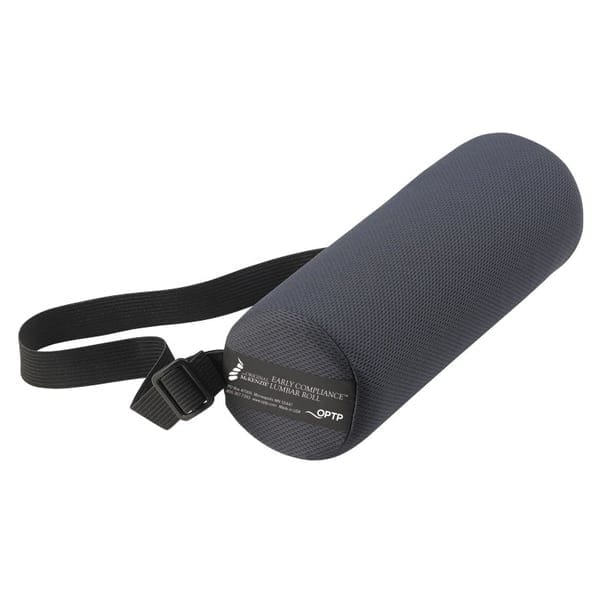
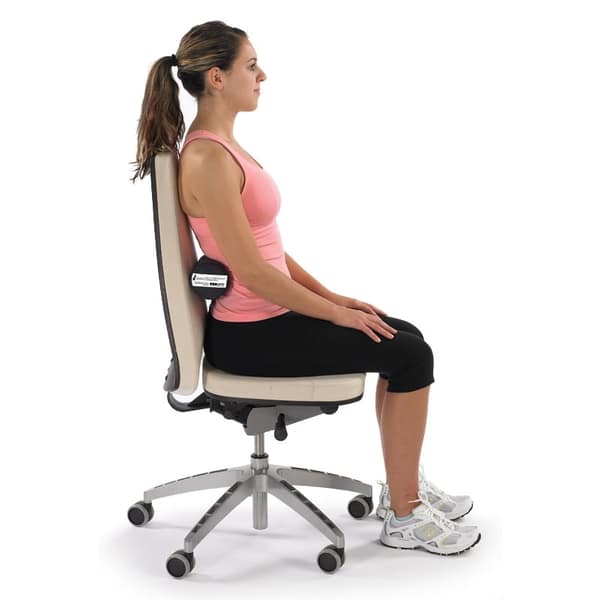
Original McKenzie Early Compliance Lumbar Roll
In Stock(25 Units)
Original price was: $39.95.$28.95Current price is: $28.95.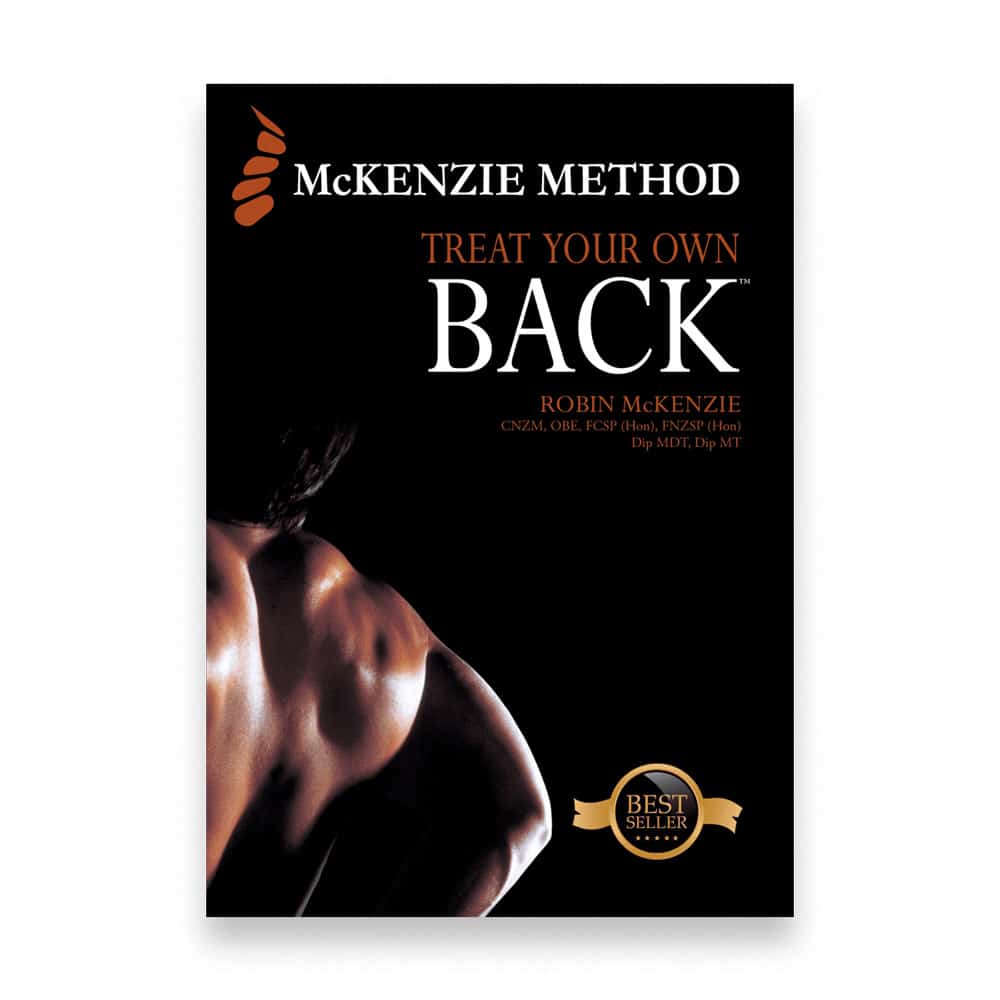
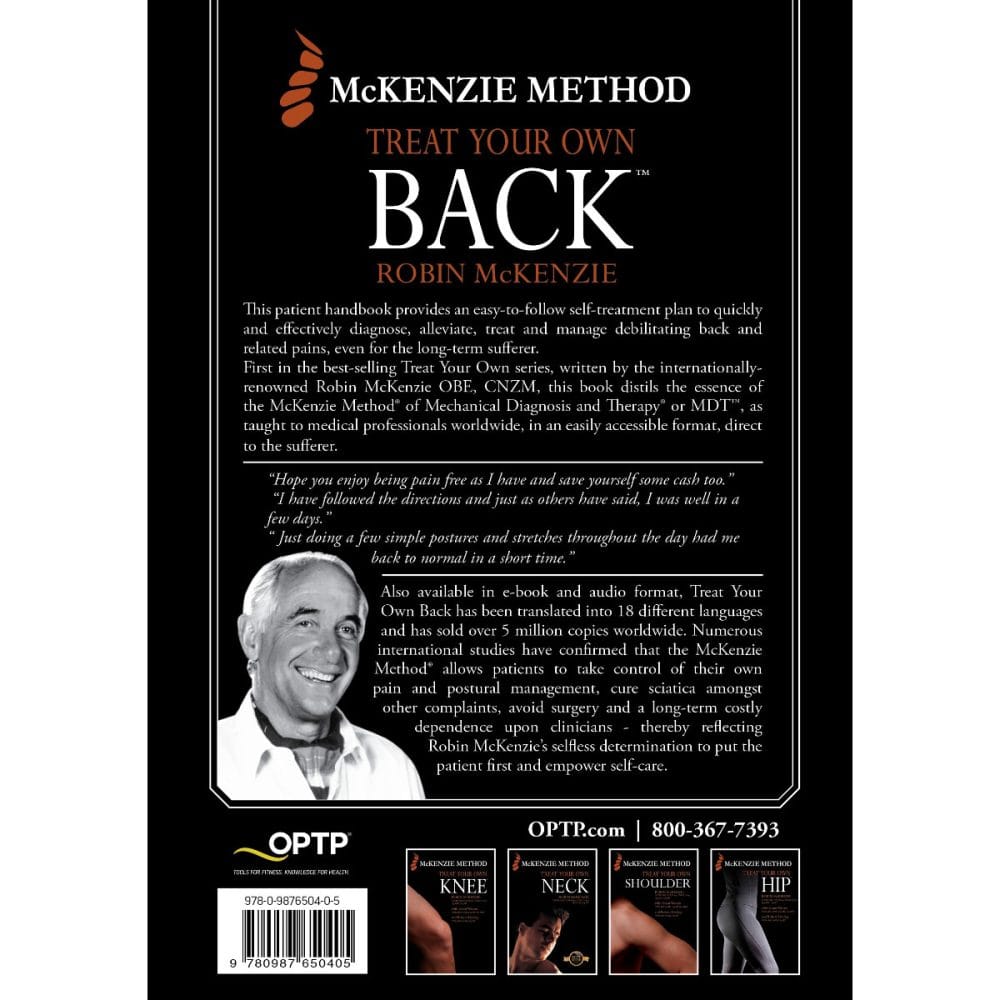
Treat Your Own Back – 9th Edition (McKenzie Method Book)
In Stock(50 Units)
Original price was: $18.95.$11.95Current price is: $11.95.

Treat Your Own Neck – 5th Edition (McKenzie Method Book)
In Stock(48 Units)
Original price was: $18.95.$11.95Current price is: $11.95.
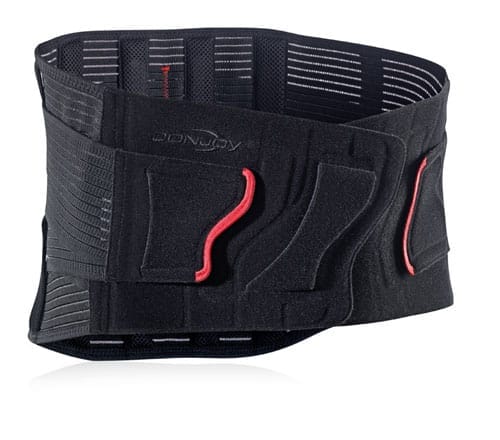
Donjoy Actistrap Back Support
In Stock
$119.95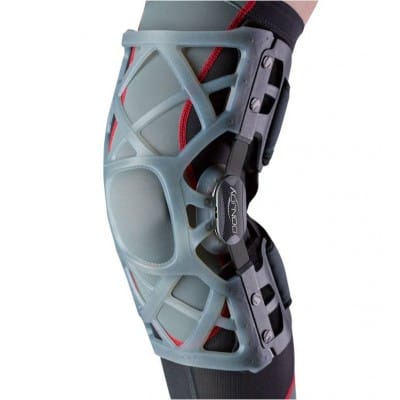
DonJoy OA Reaction Web Unloader Knee Brace
In Stock
$234.95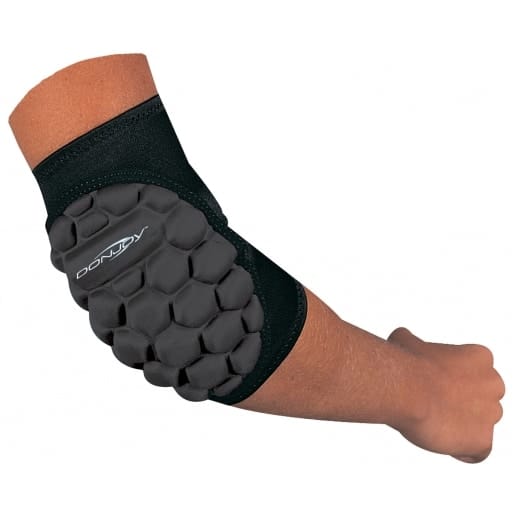
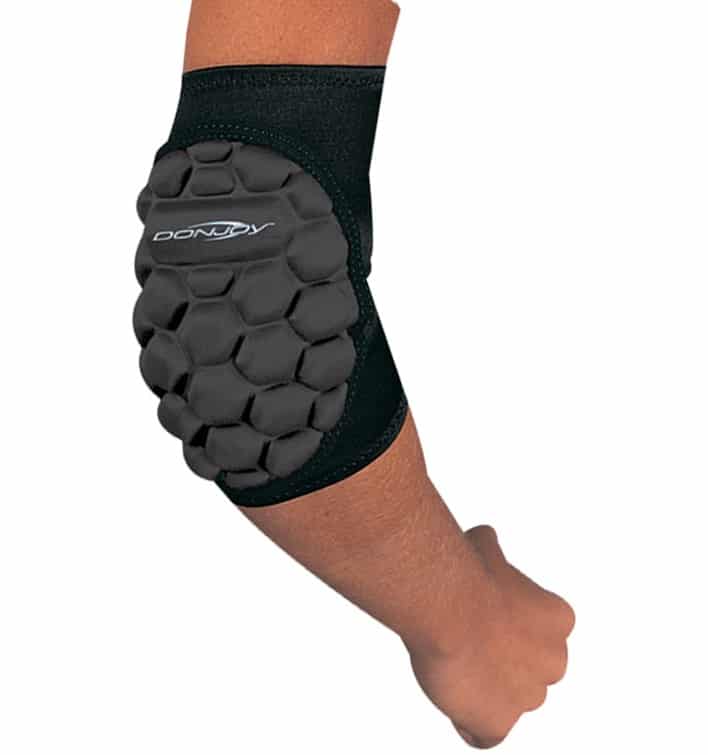
DonJoy Spider Elbow Pad
In Stock
$66.95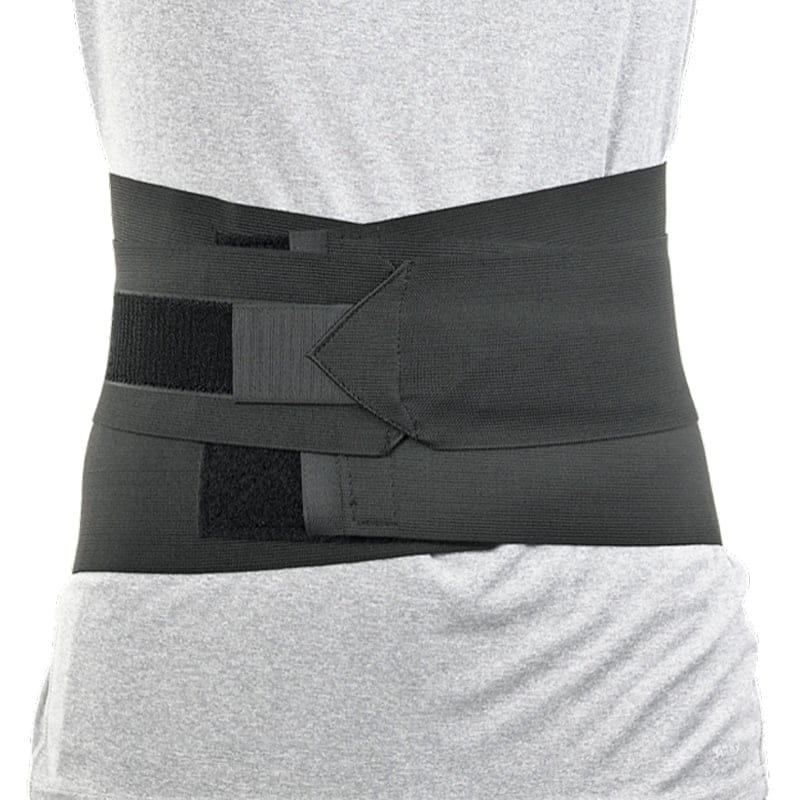
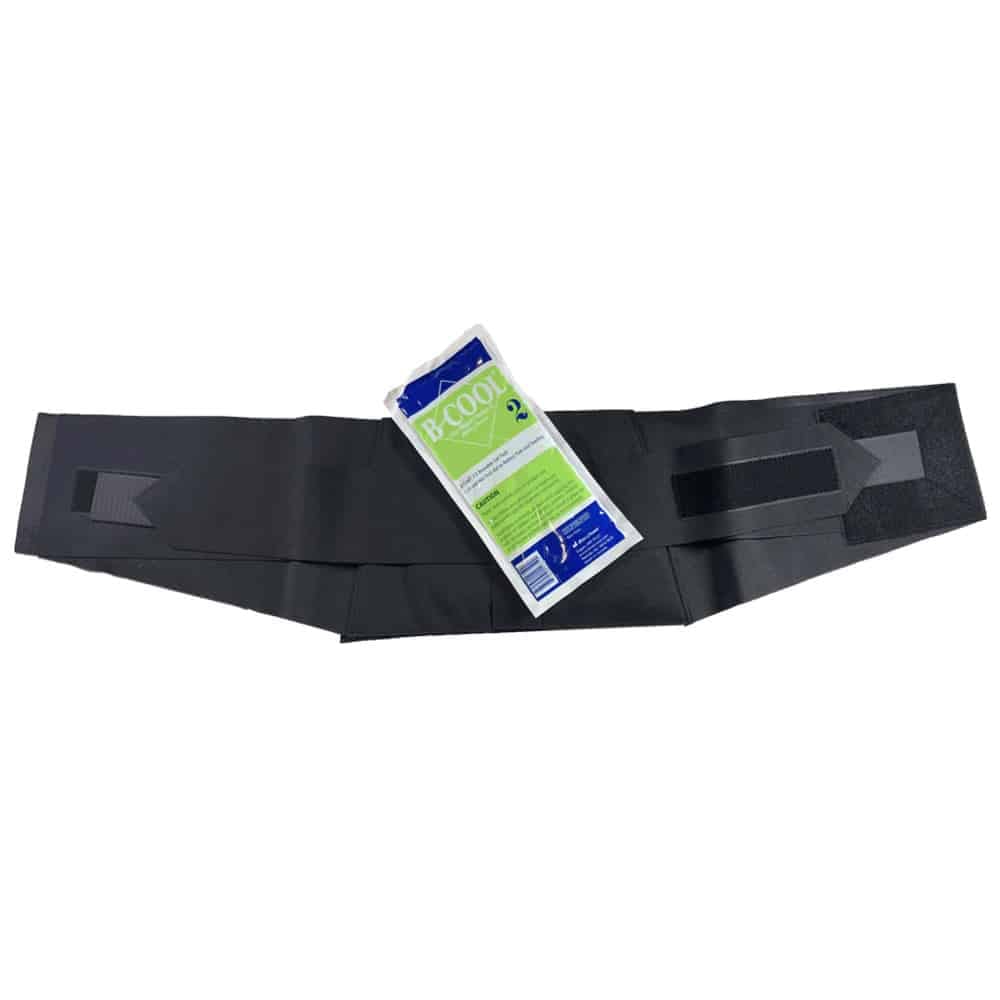
MKO Lumbosacral Support with Hot/Cold Pack
In Stock
$79.95
Procare Imak Pil-O-Splint – Wrist Night Splint
In Stock
$66.95
 SUPPORT SMALL CANADIAN BUSINESS