


Range of Motion & Measuring Devices


Baseline Bubble Inclinometer
In Stock
Price range: $109.95 through $199.95

Baseline Plastic Goniometer – 12 Inch Arms
In Stock
Price range: $19.95 through $29.95

Baseline Plastic Goniometer – 8 Inch Arms
In Stock
Price range: $11.95 through $18.95
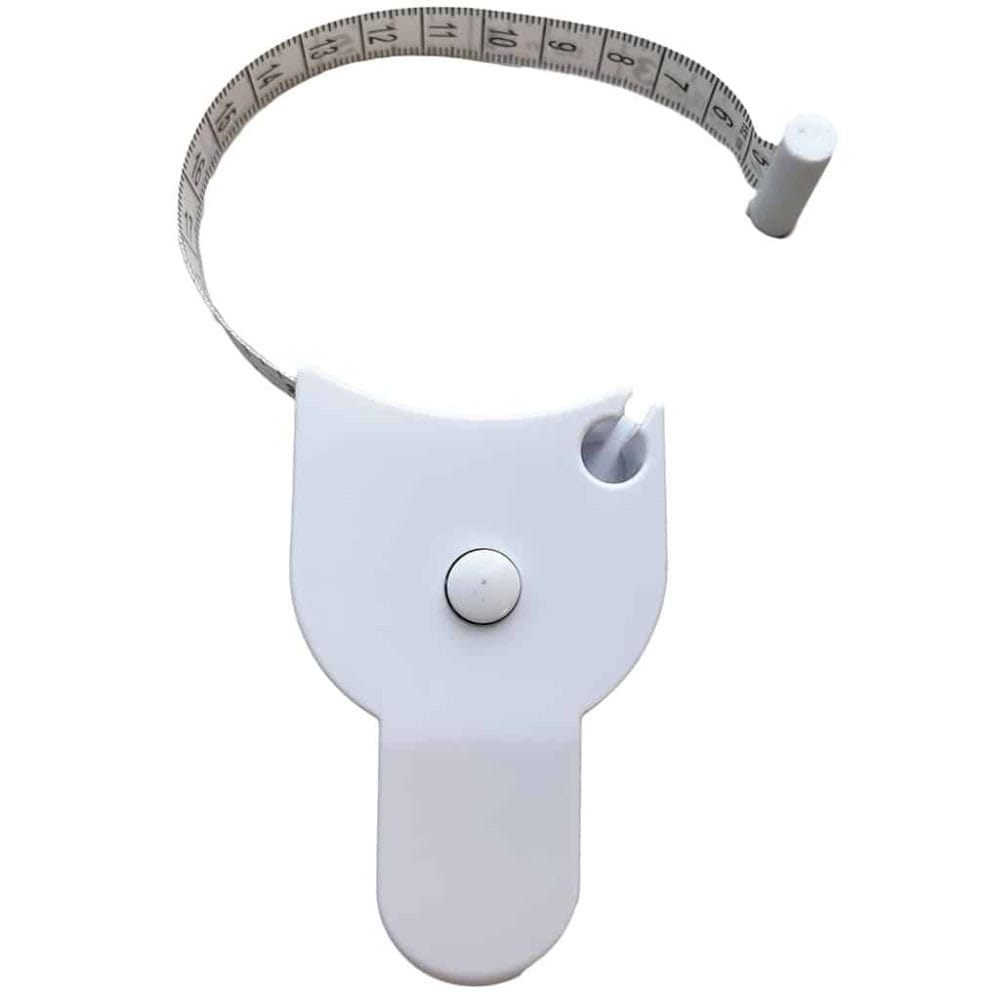
Physio Store Circumference Tape Measure
In Stock(495 Units)
Original price was: $7.95.$5.95Current price is: $5.95.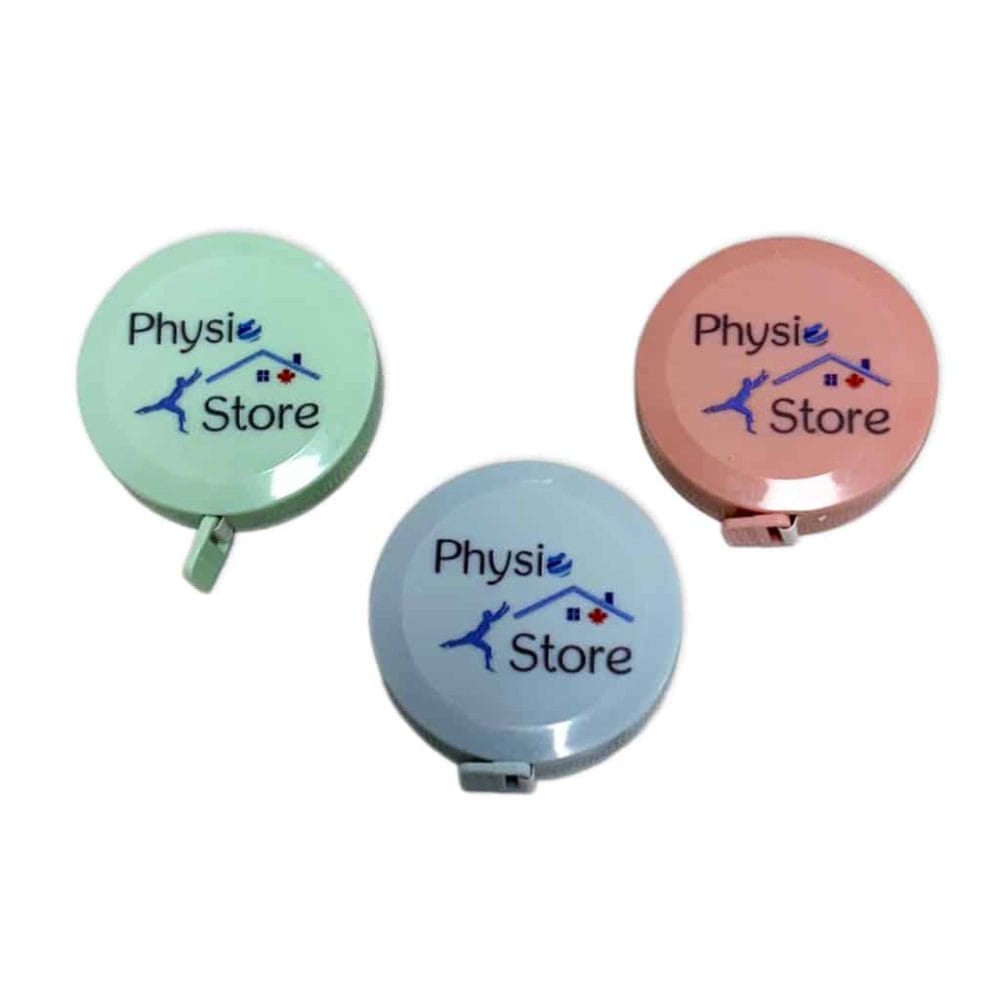
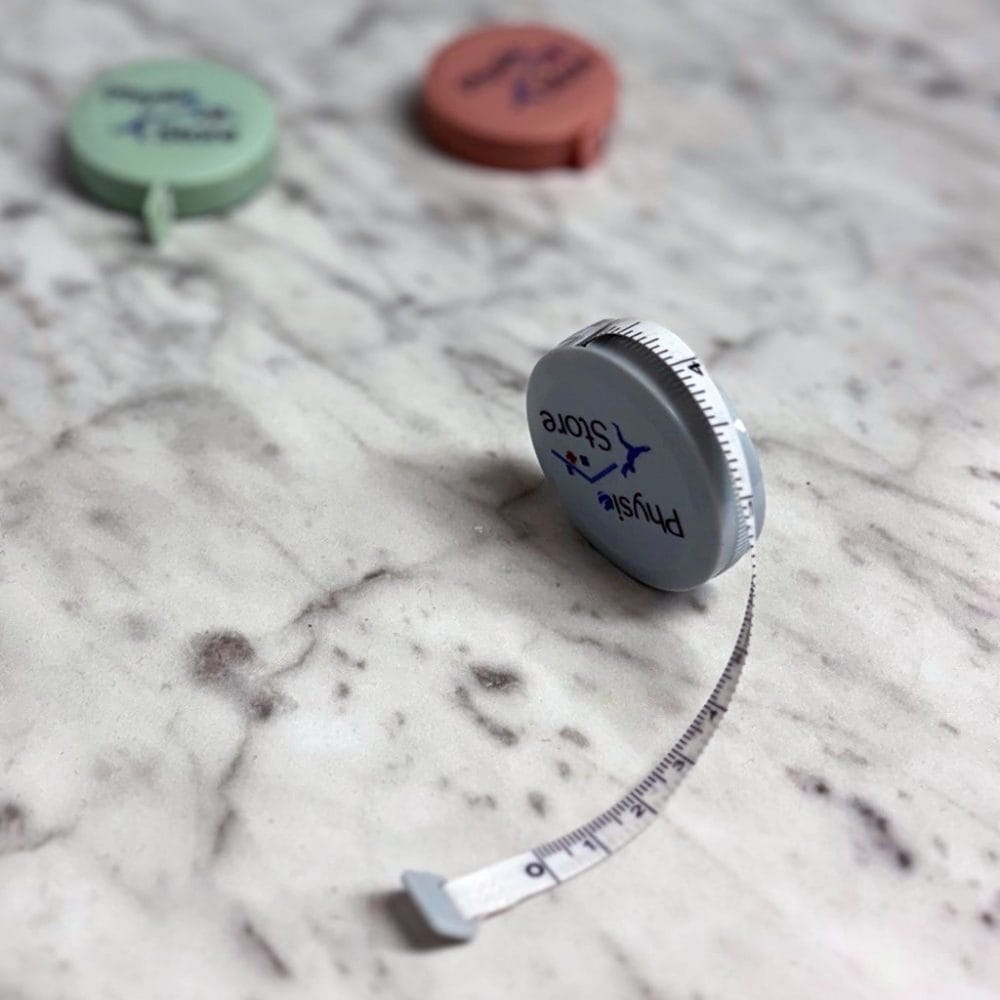
Physio Store Mini Round Tape Measure
In Stock
$4.95Accurate Joint Mobility Measurement
Range of motion measuring devices allow clinicians to assess joint movement accurately. Tools such as goniometers help measure joint angles and provide objective data that supports rehabilitation assessments.
Commonly Used in Physiotherapy and Orthopedic Assessments
Range of motion tools are widely used by physiotherapists, chiropractors, athletic therapists, and sports medicine professionals when evaluating joint mobility and functional movement.
Important for Tracking Rehabilitation Progress
By measuring joint movement over time, clinicians can monitor recovery after injury or surgery. These measurements help determine whether treatment plans are improving mobility and function.
Need Help Choosing Clinical Measurement Tools?
Our team has over 50 years of combined experience supplying physiotherapy clinics and healthcare professionals across Canada. If you need help selecting the right range of motion measuring device for your clinic, we’re happy to help.
Proudly Canadian
PhysioStore is a Canadian company supplying physiotherapy, rehabilitation, and clinical equipment to healthcare professionals and individuals across Canada.
Frequently Asked Questions
What are range of motion measuring devices used for?
Range of motion measuring devices are used to measure how far a joint can move. Physiotherapists and healthcare professionals use these tools to assess joint mobility, identify movement limitations, and track rehabilitation progress.
What is a goniometer used for in physiotherapy?
A goniometer is used to measure joint angles and range of motion. It helps clinicians evaluate flexibility, monitor rehabilitation progress, and document mobility changes during treatment.
Why is measuring range of motion important?
Measuring range of motion helps healthcare professionals identify joint restrictions, evaluate injuries, and monitor improvements during rehabilitation. These measurements provide objective information that supports treatment planning.
Who uses range of motion measuring tools?
Range of motion measuring devices are commonly used by physiotherapists, chiropractors, athletic therapists, occupational therapists, and sports medicine professionals.
What joints are commonly measured with ROM devices?
Range of motion measurements are commonly taken at the shoulder, elbow, wrist, hip, knee, ankle, and spine to evaluate mobility and functional movement.
What is the difference between a goniometer and an inclinometer?
A goniometer measures joint angles using two arms aligned with the bones around a joint. An inclinometer measures the angle of movement relative to gravity and is often used for spinal assessments.
Are digital range of motion devices more accurate?
Digital devices can provide precise readings and may be easier to read, but traditional manual goniometers remain widely used in physiotherapy because they are reliable, affordable, and simple to use.
Can range of motion tools be used for sports injury assessments?
Yes. Range of motion measurements are commonly used in sports medicine to evaluate joint mobility after injury and to track recovery during rehabilitation programs.
Are range of motion measurements used after surgery?
Yes. After orthopedic surgery, physiotherapists often measure range of motion regularly to monitor recovery and ensure the joint is regaining mobility.
Do physiotherapy students learn to use range of motion tools?
Yes. Range of motion measurement is a fundamental clinical skill taught in physiotherapy, athletic therapy, and rehabilitation education programs.
Range of Motion Measuring Devices for Physiotherapy and Rehabilitation Assessment
Range of motion measuring devices are used by physiotherapists, chiropractors, athletic therapists, and rehabilitation professionals to evaluate joint mobility and track progress during recovery. These tools help clinicians measure how far a joint can move and monitor improvements during treatment.

 SUPPORT SMALL CANADIAN BUSINESS