



Baseline Bubble Inclinometer
Price range: $109.95 through $199.95
Clinical Range of Motion Measurement
The Baseline® Bubble Inclinometer is a simple mechanical tool for measuring joint and spinal range of motion in degrees. It is used by physiotherapists, chiropractors, occupational therapists, physicians, athletic therapists and rehabilitation clinics for patient assessment, progress tracking and clinical documentation.
Single or 2-Piece Set
Choose the single inclinometer for everyday joint and general ROM testing, or select the 2-piece set when you need dual inclinometer measurements for neck and back assessment protocols.

Clinical Pricing Available!
The Physio Store is offering clinical pricing for all businesses / institutions in healthcare, healthcare professionals/students and fitness industry professionals.
We highly recommend you to sign up for our clinical pricing program, which will provide you with discounts on most of our products. We will also send out exclusive monthly specials, new ideas and new products on the market. Our company values the hard work and dedication of healthcare professionals and express gratitude by offering you special pricing and monthly deals.
Close

Manufacturer Warranty
Manufacturer Warranty
Baseline® Bubble Inclinometer Warranty
The Baseline® Bubble Inclinometer is covered by Fabrication Enterprises’ minimum 1-year manufacturer warranty against defects in materials and workmanship under normal use.
If a warranty issue occurs, the manufacturer may repair or replace the product at its discretion. Warranty coverage does not apply to damage caused by misuse, dropping, impact, improper cleaning, unauthorized modification, normal wear, or use outside normal clinical measurement purposes.
Before Requesting Warranty Support
Please keep your original order information and contact The Physio Store if you believe your Baseline Bubble Inclinometer has a manufacturer defect. We can help review the issue and guide you through the next step for warranty support.
Return Policy
30-Day Return Window. Returns are accepted within 30 days of delivery for items that remain new and unopened.
Unopened condition required. Security seals must remain intact and packaging must not be opened. Items must be returned in original, unused condition for full product credit.
All law labels, identification labels, manuals, and original packaging must remain attached and undamaged. Please pack returns carefully in a secondary shipping box to prevent damage in transit.
If an item is returned opened, used, or not in resellable condition, the return will not be accepted. You will be contacted regarding return shipping fees to have the item shipped back to you.
If we do not receive instructions regarding return shipment within 30 days, you authorize us to dispose of the item on your behalf.
International orders are final sale. Orders shipped outside of Canada are not eligible for return or exchange.
For complete eligibility requirements and return instructions, please review our Return & Exchange Policy.

Baseline® Bubble Inclinometer for Clinical Range of Motion Testing
The Baseline Bubble Inclinometer is a simple, reliable tool for measuring joint and spinal range of motion in degrees. It gives clinicians an easy way to document objective movement during assessment, treatment planning, progress reviews and return-to-work evaluations.
Unlike digital devices, this mechanical inclinometer does not require batteries, charging or software. Place it near the joint or body segment being tested, turn the dial to zero, move the patient through the desired range, and read the range travelled directly from the dial.
Practical ROM Measurement for Clinics
This inclinometer can be used for common range of motion testing of the neck, spine, shoulder, elbow, wrist, MCP joints, hip, knee and ankle. It is a useful everyday tool for physiotherapists, chiropractors, occupational therapists, physicians, athletic therapists, kinesiologists, hospitals, rehabilitation clinics and healthcare training programs.
Choose a Single Inclinometer or 2-Piece Set
This product is available as either a single inclinometer or a 2-piece set. Both options use the same mechanical bubble inclinometer. The difference is how the clinician plans to measure.
| Package Option | Best For | Typical Customer |
|---|---|---|
| Single Inclinometer | General joint ROM testing and many routine clinical measurements | Physiotherapy clinics, chiropractic clinics, occupational therapy, sports medicine, students and general rehab use |
| 2-Piece Set | Dual inclinometer techniques for neck and back measurement protocols | Clinics that regularly assess cervical ROM, lumbar ROM, impairment, function, disability, FCEs or IMEs |
Why Would You Need the 2-Piece Set?
The 2-piece set is not just a spare inclinometer. It is used when a protocol requires two inclinometers to measure at the same time. This is commonly called a dual inclinometer technique.
Dual inclinometer testing is especially useful for spinal range of motion because the spine rarely moves in perfect isolation. For example, when a patient bends forward during lumbar flexion, some movement comes from the lumbar spine and some movement comes from the pelvis or hips. If you only use one inclinometer, that extra body movement can affect the reading.
How Dual Inclinometer Measurement Works
With a 2-piece set, one inclinometer is placed on a reference area and the second inclinometer is placed on the moving segment. The clinician then compares the two readings. This helps account for movement from nearby body regions and gives a more specific measurement of the area being tested.
For example, during lumbar flexion, one inclinometer may be positioned near the upper lumbar or thoracolumbar region while the second is positioned near the sacral or pelvic reference point. As the patient bends forward, the clinician subtracts the lower reading from the upper reading to estimate lumbar motion more accurately.
Example: Lumbar Flexion Testing
A clinician may place one inclinometer over the upper lumbar or thoracolumbar landmark and the second inclinometer over a lower reference landmark such as the sacral area. The patient bends forward, both readings are recorded, and the lower reference reading is subtracted from the upper reading.
This method helps reduce the influence of pelvic motion. As a result, the clinician can better document true lumbar or thoracolumbar range of motion rather than recording a total body bending movement.
Clinical Education: When the 2-Piece Set Makes Sense
The 2-piece set is most useful when spinal motion needs to be measured with greater consistency. It can help clinicians follow assessment methods that require two inclinometers, especially for cervical and lumbar testing.
| Clinical Situation | Why Two Inclinometers Help |
|---|---|
| Lumbar ROM Assessment | Helps separate lumbar movement from pelvic or hip motion during bending tasks. |
| Cervical ROM Assessment | Supports protocols that compare movement between a reference segment and the moving cervical region. |
| Functional Capacity Evaluations | Provides a repeatable setup for documenting spinal mobility during work-related assessment. |
| Independent Medical Examinations | Helps support more structured ROM measurement when detailed reporting is required. |
| Impairment and Disability Reports | Useful when the clinician needs objective ROM values and consistent retesting methods. |
| Progress Tracking | Allows the same method to be repeated over time to compare treatment response. |
What Does the Research Say?
Research on inclinometer measurement supports an important clinical point: the tool matters, but the testing method matters too. Accurate landmarking, consistent placement and trained examiners improve reliability.
Evidence-Informed Use
Studies on dual inclinometer measurement have found that double inclinometer techniques can provide reliable thoracolumbar and lumbar ROM measurements when clinicians use accurate landmarks and consistent methods. Cervical research has also shown that both single and dual bubble inclinometry can be reliable for cervical lateral flexion, although the two methods may produce different values.
For that reason, clinicians should choose the method that matches their assessment protocol and use the same setup when comparing future measurements.
Common Joint and Spine Applications
| Assessment Area | Common Measurements |
|---|---|
| Neck / Cervical Spine | Flexion, extension, lateral flexion and rotation |
| Spine | Flexion, extension, lateral movement and spinal curvature plotting |
| Shoulder | Flexion, extension, abduction, adduction and rotation |
| Elbow | Flexion, extension, pronation and supination |
| Wrist and MCP Joints | Flexion, extension, abduction and adduction |
| Hip | Flexion, extension, abduction, adduction and rotation |
| Knee | Flexion, extension and rotation |
| Ankle | Dorsiflexion and plantarflexion |
Product Specifications
| Feature | Single Inclinometer | 2-Piece Set |
|---|---|---|
| Item Number | 12-1056 | 12-1056-2 |
| UPC | 714905014962 | 714905042323 |
| Measurement Type | Mechanical bubble inclinometer | Two mechanical bubble inclinometers |
| Measurement Display | Degrees on dial | Degrees on dial |
| Power Required | No batteries required | No batteries required |
| Dimensions | 4″ x 0.2″ x 4″ | 4″ x 0.2″ x 4″ each |
| Weight | 0.3 lb | 0.6 lb |
| Measurement Tolerance | ±1 degree | ±1 degree |
| Included | Bubble inclinometer, protective carry case and instruction manual | Two bubble inclinometers, protective carry case and instruction manual |
Clinical Use Tips
For best results, verify calibration before each use, clean the device between patients, zero the dial before measurement, apply consistent gentle pressure and store the inclinometer in its protective case. Use the same landmarks and patient position when comparing measurements over time.
Available in Canada from The Physio Store
The Physio Store supplies Baseline evaluation and measurement tools to physiotherapy clinics, chiropractic clinics, occupational therapists, athletic therapists, hospitals, universities and rehabilitation professionals across Canada.
Documents
Downloads

Frequently Asked Questions
What is the Baseline Bubble Inclinometer used for?
The Baseline Bubble Inclinometer is used to measure joint and spinal range of motion in degrees. Clinicians use it for physical therapy assessments, chiropractic exams, occupational therapy evaluations, sports medicine testing, rehabilitation progress tracking and clinical documentation.
What joints can I measure with the Baseline Bubble Inclinometer?
It can be used for many common range of motion measurements, including the neck, spine, shoulder, elbow, wrist, MCP joints, hip, knee and ankle. It is useful when a clinician needs an objective ROM measurement in degrees.
What is the difference between the single inclinometer and the 2-piece set?
The single inclinometer is ideal for everyday joint range of motion testing. The 2-piece set includes two inclinometers for dual inclinometer techniques, which are commonly used in some cervical spine and lumbar spine measurement protocols.
Why would a clinician need two bubble inclinometers?
Two inclinometers allow the clinician to measure motion at two points at the same time. This is helpful for spinal ROM testing because it can reduce the effect of nearby body movement, such as pelvic motion during lumbar flexion testing.
Is the 2-piece set better for lumbar range of motion testing?
The 2-piece set is usually the better choice for clinicians who regularly perform lumbar ROM testing. Using two inclinometers helps separate lumbar spine movement from pelvic or hip movement when the correct landmarks and technique are used.
How is a dual inclinometer used for lumbar flexion?
In a typical dual inclinometer method, one inclinometer is placed near an upper spinal landmark and the second is placed near a lower reference point such as the sacral area. As the patient bends forward, the clinician records both readings and subtracts the lower reading from the upper reading to estimate lumbar motion more accurately.
Can the Baseline Bubble Inclinometer be used for cervical range of motion?
Yes. It can be used for cervical range of motion measurements such as flexion, extension, side bending and rotation. Some clinicians use one inclinometer for basic cervical ROM testing, while others use two inclinometers when following a dual inclinometer protocol.
Who should choose the 2-piece Baseline Bubble Inclinometer set?
The 2-piece set is recommended for physiotherapists, chiropractors, occupational therapists, physicians, FCE evaluators, IME assessors and clinics that regularly perform detailed neck or back range of motion testing.
Does the Baseline Bubble Inclinometer require batteries?
No. The Baseline Bubble Inclinometer is a mechanical measurement tool. It does not require batteries, charging, software or a digital display.
Is a bubble inclinometer better than a goniometer?
A bubble inclinometer and a goniometer are both useful ROM tools. A goniometer is often used for many extremity joints, while an inclinometer can be easier for certain spinal, shoulder, hip and body-segment measurements where gravity-based angle measurement is helpful.
Is the Baseline Bubble Inclinometer suitable for students?
Yes. It is a practical learning tool for physiotherapy, chiropractic, occupational therapy, athletic therapy, kinesiology and other healthcare programs. Students can use it to learn objective range of motion measurement and documentation.
How accurate is the Baseline Bubble Inclinometer?
The manufacturer lists a measurement tolerance of ±1 degree when the inclinometer is used properly. For the most consistent results, clinicians should use the same landmarks, patient position and testing method each time.
Can this be used for functional capacity evaluations or impairment assessments?
Yes. The Baseline Bubble Inclinometer, especially the 2-piece set, is commonly used by clinicians who need objective ROM values for functional capacity evaluations, independent medical examinations, impairment reports and return-to-work assessments.
How do I care for the Baseline Bubble Inclinometer?
Clean the device between patients, verify calibration before use, avoid dropping or impacting the tool, and store it in the protective case when not in use.
Which option should I buy for a clinic?
Choose the single inclinometer if you mainly perform general joint range of motion testing. Choose the 2-piece set if your clinic regularly measures cervical or lumbar spine motion, performs FCEs, IMEs, impairment evaluations or detailed spinal ROM assessments.
| Weight | N/A |
|---|---|
| Dimensions | N/A |
| Package Option | Single Inclinometer, 2-Piece Set |
| HS Code | 9017.80.90.00 |
| Availability |
Now available in-store at 22635 Komoka Road Komoka N0L1R0 Powered With Oliver Pos |
|---|
What is the Baseline Bubble Inclinometer used for?
The Baseline Bubble Inclinometer is used to measure joint and spinal range of motion in degrees. Clinicians use it for physical therapy assessments, chiropractic exams, occupational therapy evaluations, sports medicine testing, rehabilitation progress tracking and clinical documentation.
What joints can I measure with the Baseline Bubble Inclinometer?
It can be used for many common range of motion measurements, including the neck, spine, shoulder, elbow, wrist, MCP joints, hip, knee and ankle. It is useful when a clinician needs an objective ROM measurement in degrees.
What is the difference between the single inclinometer and the 2-piece set?
The single inclinometer is ideal for everyday joint range of motion testing. The 2-piece set includes two inclinometers for dual inclinometer techniques, which are commonly used in some cervical spine and lumbar spine measurement protocols.
Why would a clinician need two bubble inclinometers?
Two inclinometers allow the clinician to measure motion at two points at the same time. This is helpful for spinal ROM testing because it can reduce the effect of nearby body movement, such as pelvic motion during lumbar flexion testing.
Is the 2-piece set better for lumbar range of motion testing?
The 2-piece set is usually the better choice for clinicians who regularly perform lumbar ROM testing. Using two inclinometers helps separate lumbar spine movement from pelvic or hip movement when the correct landmarks and technique are used.
How is a dual inclinometer used for lumbar flexion?
In a typical dual inclinometer method, one inclinometer is placed near an upper spinal landmark and the second is placed near a lower reference point such as the sacral area. As the patient bends forward, the clinician records both readings and subtracts the lower reading from the upper reading to estimate lumbar motion more accurately.
Can the Baseline Bubble Inclinometer be used for cervical range of motion?
Yes. It can be used for cervical range of motion measurements such as flexion, extension, side bending and rotation. Some clinicians use one inclinometer for basic cervical ROM testing, while others use two inclinometers when following a dual inclinometer protocol.
Who should choose the 2-piece Baseline Bubble Inclinometer set?
The 2-piece set is recommended for physiotherapists, chiropractors, occupational therapists, physicians, FCE evaluators, IME assessors and clinics that regularly perform detailed neck or back range of motion testing.
Does the Baseline Bubble Inclinometer require batteries?
No. The Baseline Bubble Inclinometer is a mechanical measurement tool. It does not require batteries, charging, software or a digital display.
Is a bubble inclinometer better than a goniometer?
A bubble inclinometer and a goniometer are both useful ROM tools. A goniometer is often used for many extremity joints, while an inclinometer can be easier for certain spinal, shoulder, hip and body-segment measurements where gravity-based angle measurement is helpful.
Is the Baseline Bubble Inclinometer suitable for students?
Yes. It is a practical learning tool for physiotherapy, chiropractic, occupational therapy, athletic therapy, kinesiology and other healthcare programs. Students can use it to learn objective range of motion measurement and documentation.
How accurate is the Baseline Bubble Inclinometer?
The manufacturer lists a measurement tolerance of ±1 degree when the inclinometer is used properly. For the most consistent results, clinicians should use the same landmarks, patient position and testing method each time.
Can this be used for functional capacity evaluations or impairment assessments?
Yes. The Baseline Bubble Inclinometer, especially the 2-piece set, is commonly used by clinicians who need objective ROM values for functional capacity evaluations, independent medical examinations, impairment reports and return-to-work assessments.
How do I care for the Baseline Bubble Inclinometer?
Clean the device between patients, verify calibration before use, avoid dropping or impacting the tool, and store it in the protective case when not in use.
Which option should I buy for a clinic?
Choose the single inclinometer if you mainly perform general joint range of motion testing. Choose the 2-piece set if your clinic regularly measures cervical or lumbar spine motion, performs FCEs, IMEs, impairment evaluations or detailed spinal ROM assessments.
You may also like…


Baseline Plastic Goniometer – 12 Inch Arms
In Stock
Price range: $19.95 through $29.95

Baseline Plastic Goniometer – 8 Inch Arms
In Stock
Price range: $11.95 through $18.95Related products


Baseline Babinski Hammer – Latex-Free
In Stock
Price range: $21.95 through $23.95


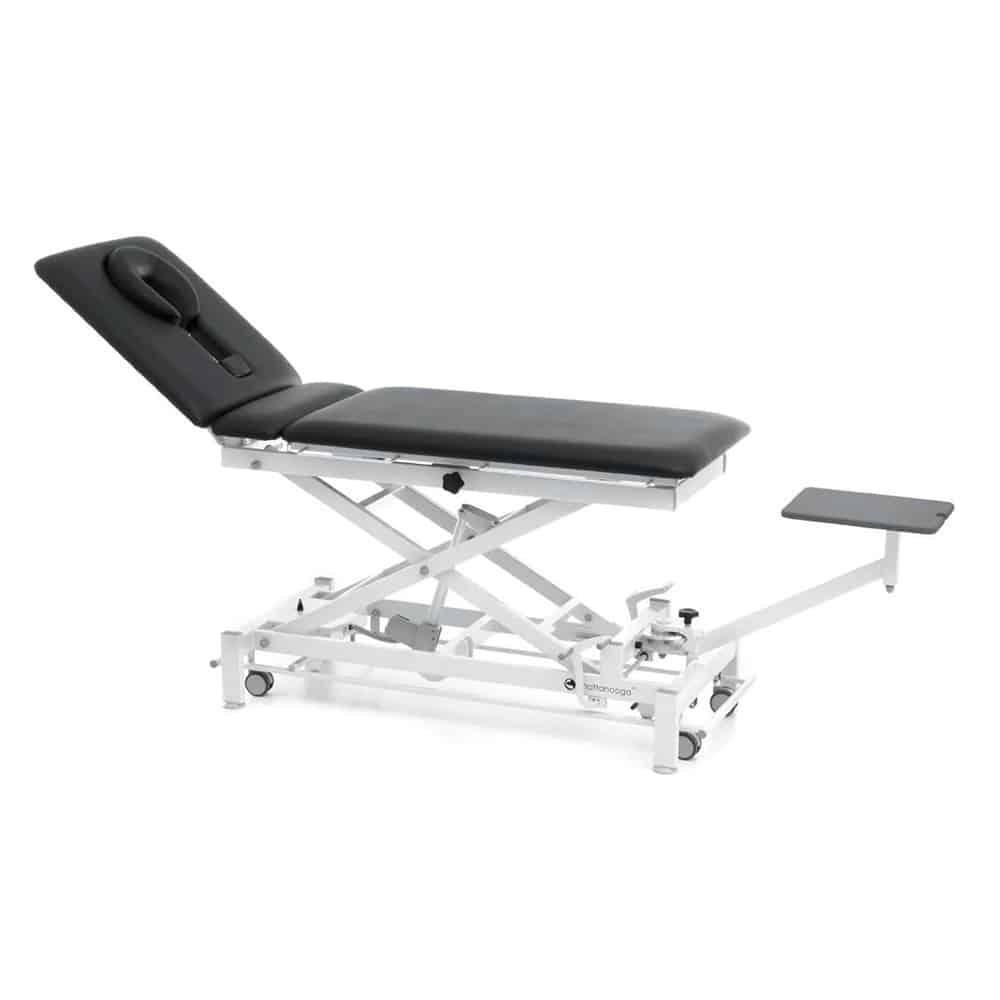
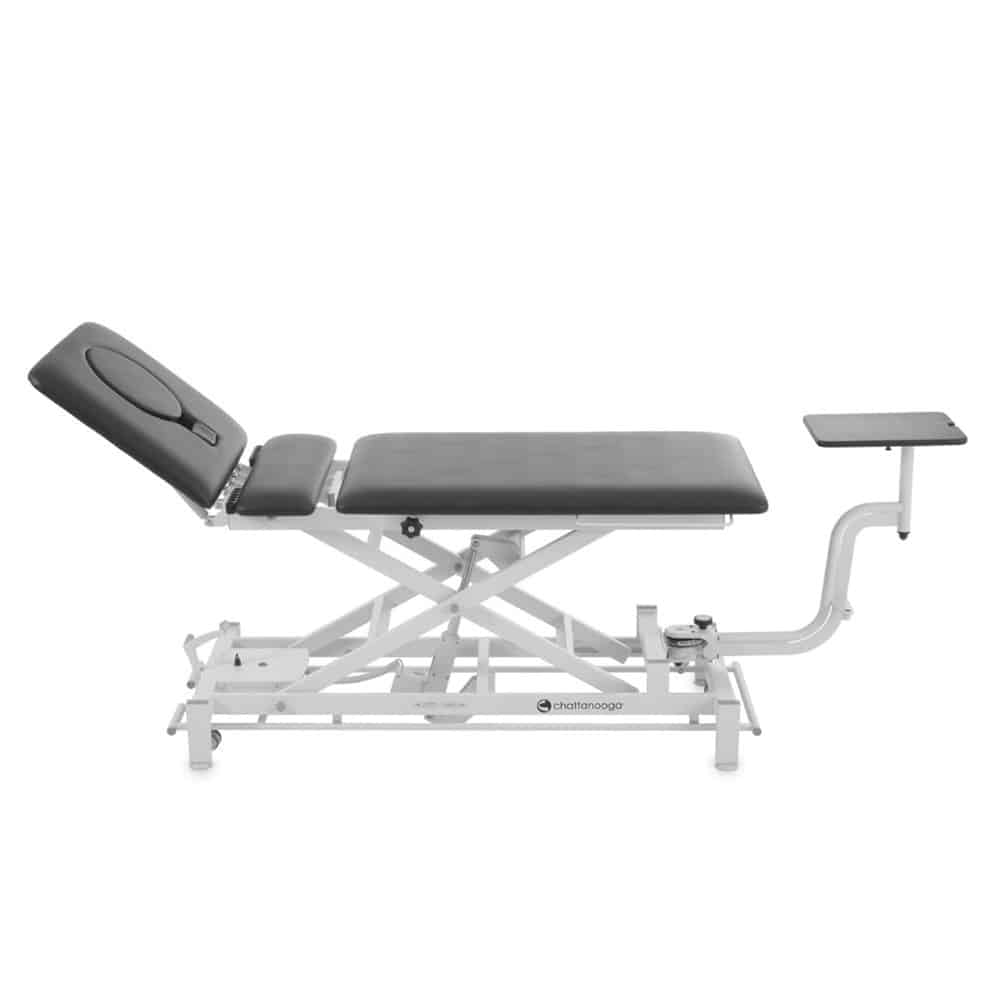
Chattanooga Galaxy TTET300 Traction Table – 3 Section
Available on backorder
$4,495.00


Physio Store Mini Round Tape Measure
In Stock
$4.95

 SUPPORT SMALL CANADIAN BUSINESS


Reviews
There are no reviews yet