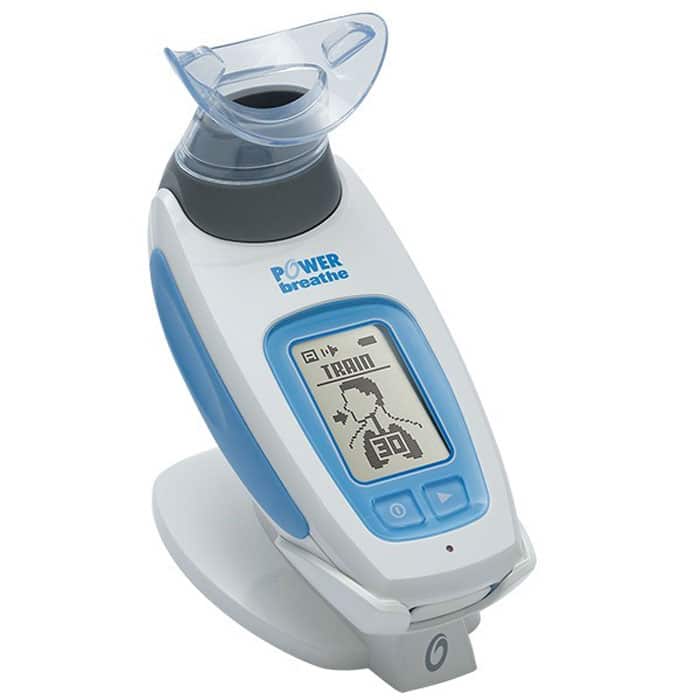
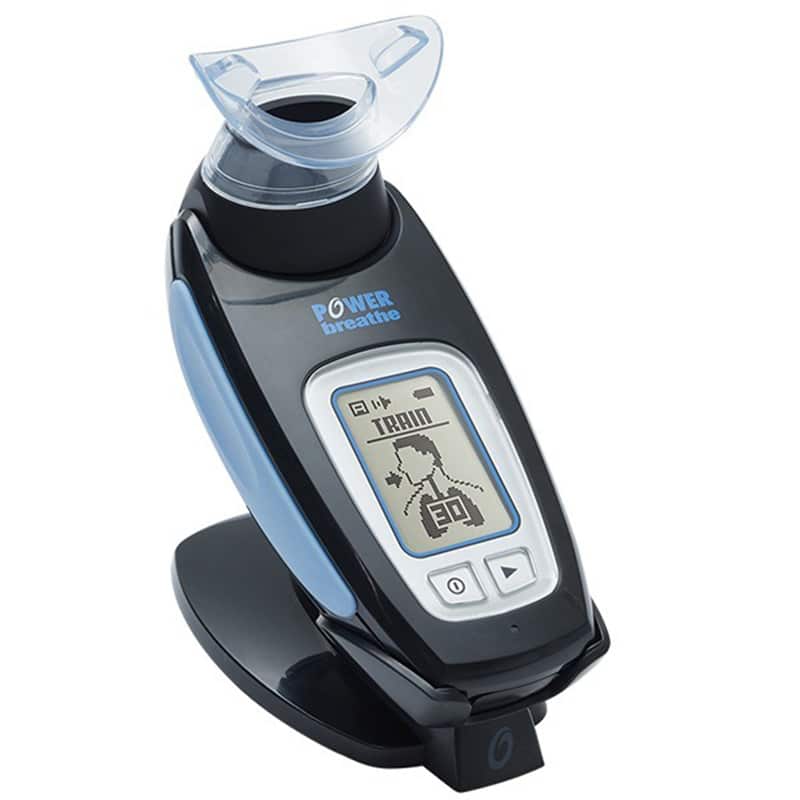
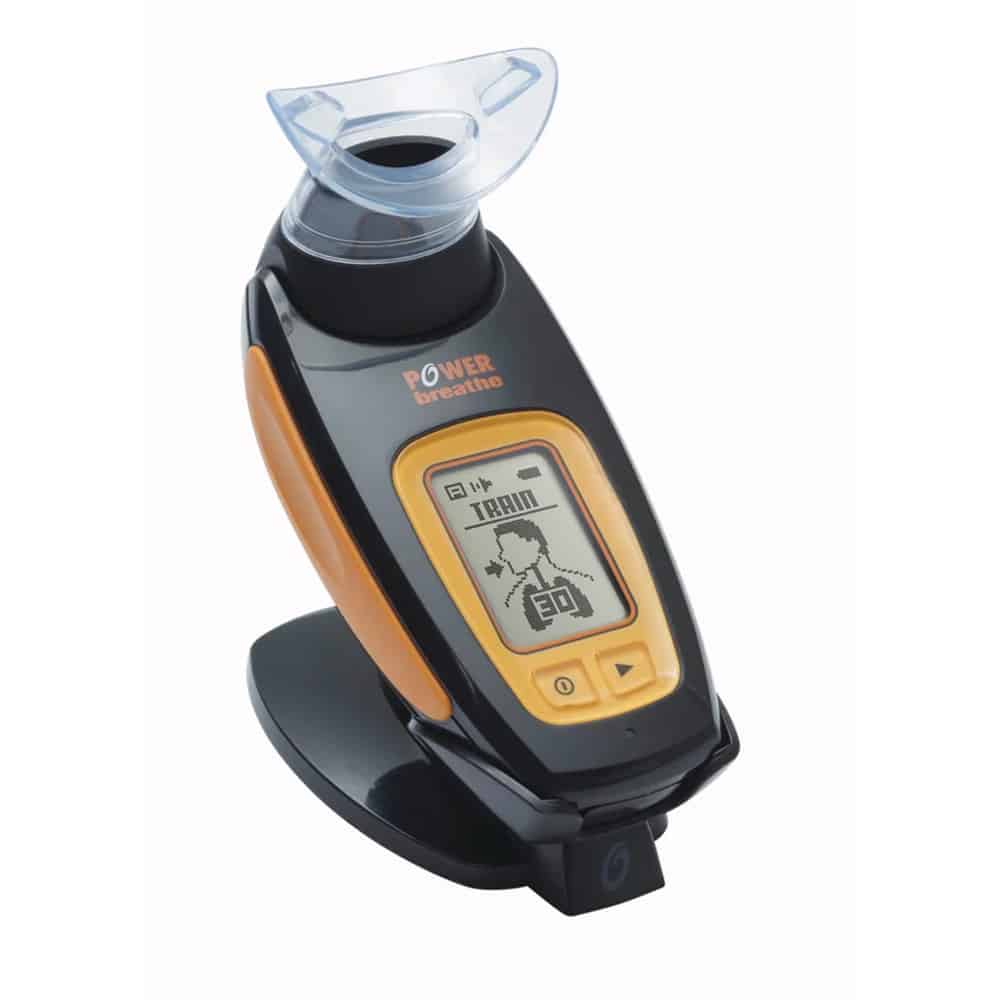
POWERbreathe K3 IMT
$799.95
In stock (can be backordered)

Clinical Pricing Available!
The Physio Store is offering clinical pricing for all businesses / institutions in healthcare, healthcare professionals/students and fitness industry professionals.
We highly recommend you to sign up for our clinical pricing program, which will provide you with discounts on most of our products. We will also send out exclusive monthly specials, new ideas and new products on the market. Our company values the hard work and dedication of healthcare professionals and express gratitude by offering you special pricing and monthly deals.
Close

Manufacturer Warranty
Manufacturer warranty
The POWERbreathe K3 inspiratory muscle trainer includes a manufacturer warranty covering defects in materials and workmanship under normal use.
This warranty does not cover damage resulting from misuse, improper cleaning, accidental damage, or normal wear of components such as mouthpieces. Warranty service may require proof of purchase.
For assistance with warranty support, please contact our customer service team.
Return Policy
30-Day Return Window. Returns are accepted within 30 days of delivery for items that remain new and unopened.
Unopened condition required. Security seals must remain intact and packaging must not be opened. Items must be returned in original, unused condition for full product credit.
All law labels, identification labels, manuals, and original packaging must remain attached and undamaged. Please pack returns carefully in a secondary shipping box to prevent damage in transit.
If an item is returned opened, used, or not in resellable condition, the return will not be accepted. You will be contacted regarding return shipping fees to have the item shipped back to you.
If we do not receive instructions regarding return shipment within 30 days, you authorize us to dispose of the item on your behalf.
International orders are final sale. Orders shipped outside of Canada are not eligible for return or exchange.
For complete eligibility requirements and return instructions, please review our Return & Exchange Policy.

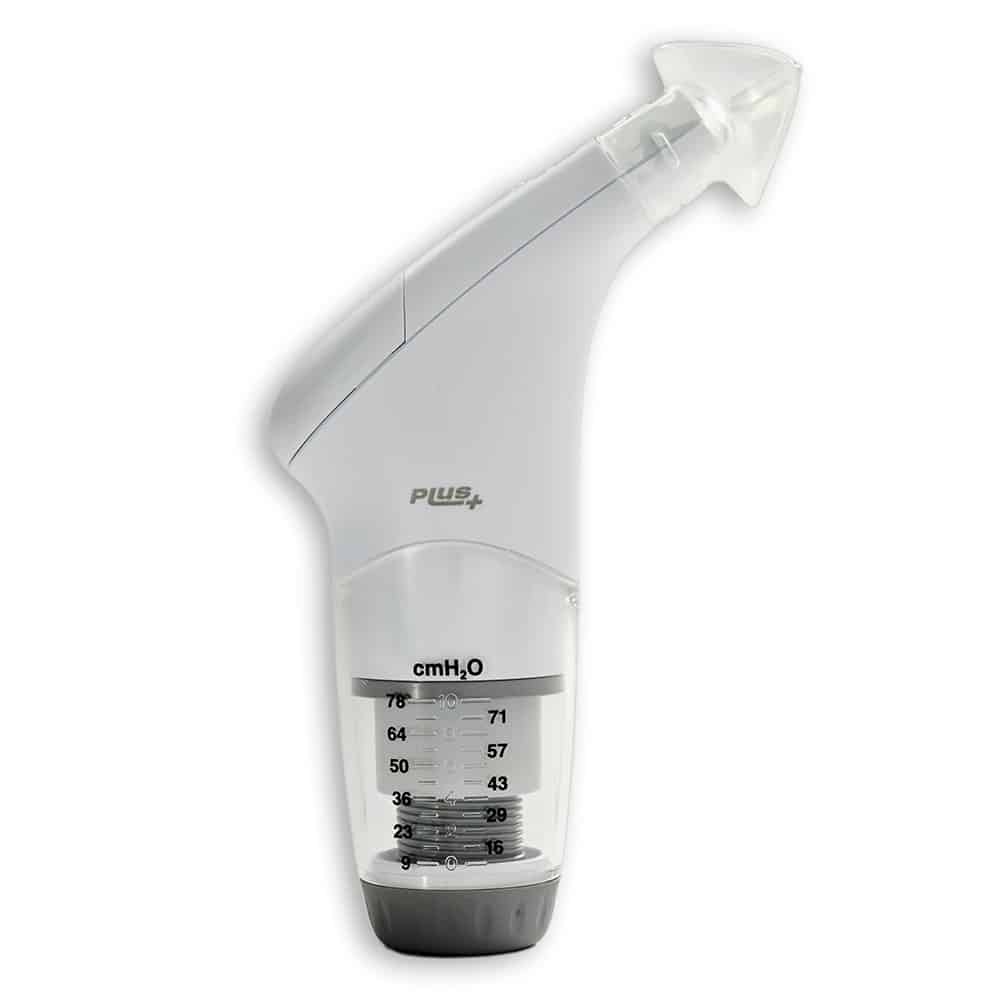
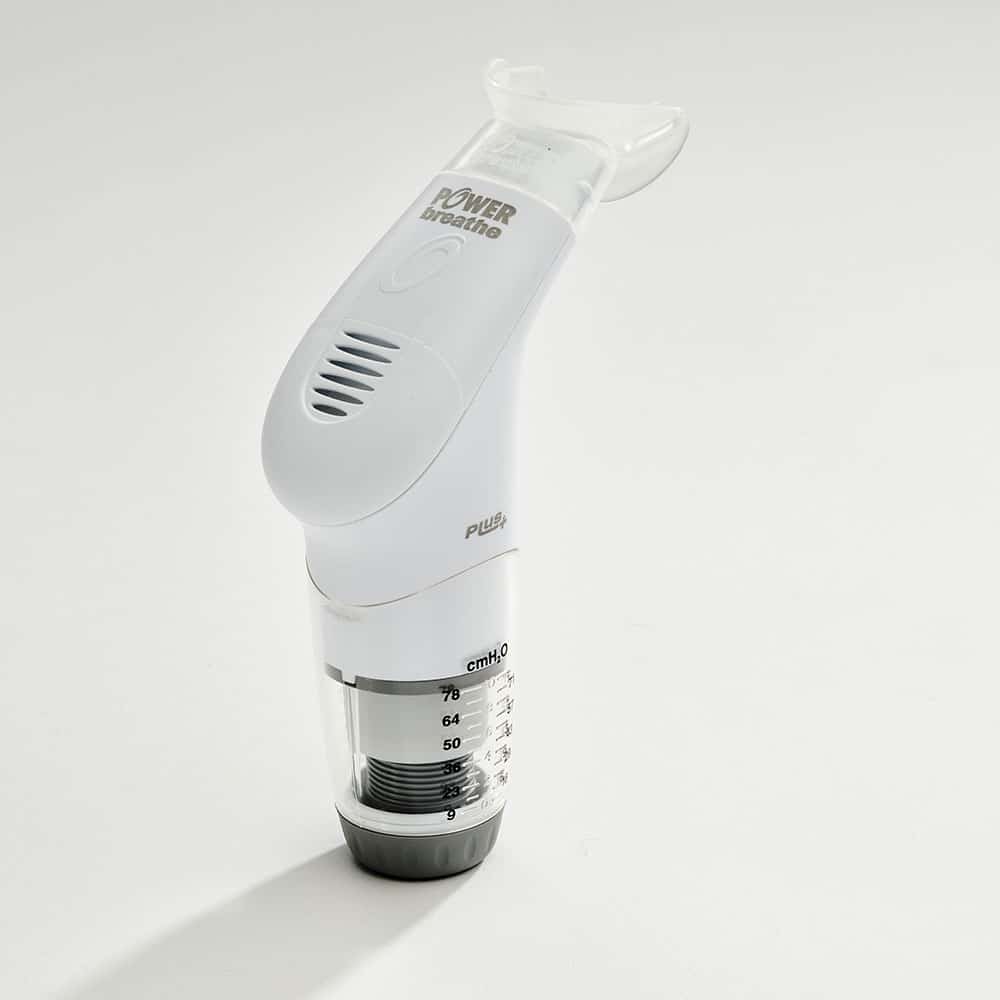
POWERbreathe K3 Inspiratory Muscle Trainer (IMT)
The POWERbreathe K3 is an advanced electronic inspiratory muscle training (IMT) device designed to strengthen the muscles responsible for breathing. Using intelligent electronically controlled resistance, the K3 provides progressive resistance training for the diaphragm and other inspiratory muscles.
Unlike simple breathing trainers that use fixed resistance levels, the POWERbreathe K3 uses a patented tapered flow resistance system that adapts resistance throughout each breath. This allows the device to match the natural strength profile of the inspiratory muscles and provide a more effective breathing workout.
Training data is displayed on the device’s integrated LCD screen, allowing users to monitor inspiratory muscle performance and track training progress.
Advanced electronic inspiratory muscle training
The POWERbreathe K3 uses an electronically controlled rotary valve to generate resistance during inhalation. This intelligent system adapts resistance during each breath, helping users train their breathing muscles more effectively than traditional fixed-resistance breathing trainers.
Automatic training adjustment
At the beginning of each training session the device performs a short breathing assessment and automatically adjusts resistance based on your inspiratory strength. This allows the device to safely challenge breathing muscles while adapting to improvements over time.
Clinically researched breathing training
Inspiratory muscle training with POWERbreathe devices has been studied in sports science and respiratory rehabilitation research. Training the muscles responsible for inhalation may help improve breathing efficiency, respiratory muscle endurance, and exercise performance.
How Inspiratory Muscle Training Works
Inspiratory muscle training strengthens the muscles responsible for inhalation, including the diaphragm and intercostal muscles. During training the POWERbreathe device creates resistance as you inhale, forcing the breathing muscles to work harder.
Over time this resistance training can improve breathing muscle strength, breathing efficiency, and respiratory endurance.
Inspiratory muscle training is commonly used by:
- Endurance athletes
- Cyclists and runners
- Swimmers
- Respiratory therapists and physiotherapists
- Pulmonary rehabilitation patients
- Individuals seeking to improve breathing strength
Learn more about Inspiratory Muscle Training (IMT) and how breathing resistance training works.
Intelligent Tapered Flow Resistance
The POWERbreathe K-Series uses a patented Intelligent Tapered Flow Resistance system that dynamically adjusts resistance throughout each breath.
Traditional pressure threshold breathing trainers apply constant resistance during inhalation. The POWERbreathe K3 instead provides higher resistance at the beginning of inhalation when inspiratory muscles are strongest and gradually reduces resistance as the lungs fill with air.
This allows users to:
- Perform longer inhalations
- Engage a wider range of breathing muscles
- Improve inspiratory flow rate
- Increase tidal breathing volume
At the beginning of each training session the device measures maximum breathing capability. Resistance is then automatically adjusted to match the user’s inspiratory muscle strength.
Key Features
- Electronic tapered flow resistance system
- Automatic inspiratory muscle strength assessment
- Single Breath Test measuring inspiratory strength
- Peak inspiratory flow and inhaled volume measurement
- Warm-up and cool-down breathing modes
- Integrated LCD training display
- Training history storing the previous 36 sessions
POWERbreathe K-Series Comparison
The POWERbreathe K-Series includes several electronic inspiratory muscle training devices. While all K-Series models use the same patented tapered flow resistance technology, the main differences are software connectivity, depth of analysis, and customization features.
| Feature | K3 | K4 | K5 |
|---|---|---|---|
| Electronic tapered flow resistance | Yes | Yes | Yes |
| Automatic inspiratory strength assessment | Yes | Yes | Yes |
| Training session history | 36 sessions | 36 sessions | 36 sessions |
| Breathe-Link software connectivity | No | Yes | Yes |
| Live on-screen training feedback | No | Yes | Yes |
| Advanced software analysis | No | Yes | Yes |
| Pro Analysis View | No | No | Yes |
| Custom Mode / custom sessions | No | No | Yes |
| Software user profiles | Not applicable | Up to 10 | Up to 30 |
| Best suited for | Advanced standalone training | Connected training and analysis | Most advanced analysis and customization |
What’s Included
- POWERbreathe K3 inspiratory muscle trainer
- Charging cradle
- Thermoplastic elastomer mouthpiece
- Nose clip
- Storage pouch
- 4 cleansing tablets
- French / English user manual
Cleaning & Maintenance
Proper cleaning helps maintain hygiene and ensure the breathing trainer continues to function correctly.
After use, rinse the mouthpiece with warm water and allow it to air dry completely before the next training session.
For deeper cleaning, the removable mouthpiece components can be cleaned using POWERbreathe cleaning tablets dissolved in water.
The electronic components of the POWERbreathe K3 should never be submerged in water. Only removable parts such as the mouthpiece should be cleaned using the tablet solution.
POWERbreathe K-Series Accessories
POWERbreathe K-Series devices can be used in both personal training and clinical environments. Several accessories are available to support hygiene, multi-user testing, and replacement of key components.
TrySafe® filters for multi-user testing
The POWERbreathe TrySafe® Filter is a disposable single-use filter designed to create a hygienic barrier between the user and the breathing trainer. These filters are commonly used in physiotherapy clinics, pulmonary rehabilitation programs, and sports performance labs when multiple users are training or being tested with the same device.
K-Series spacer
The POWERbreathe spacer allows a TrySafe® filter or other 22mm respiratory connector to attach to the device. This accessory is typically required when using filters, respiratory masks, or oxygen mask adapters with the POWERbreathe K-Series.
K-Series valve head replacement
The removable POWERbreathe K-Series valve head contains the airflow control mechanism used to generate resistance during inspiratory muscle training. Over time the valve head may need replacement due to wear, hygiene requirements, or heavy clinical use.
Replacing the valve head helps ensure the device continues to deliver accurate resistance and reliable inspiratory muscle training performance.
Related POWERbreathe Accessories
- POWERbreathe TrySafe Filters
- POWERbreathe K-Series Spacer
- POWERbreathe K-Series Valve Head
- POWERbreathe Cleaning Tablets
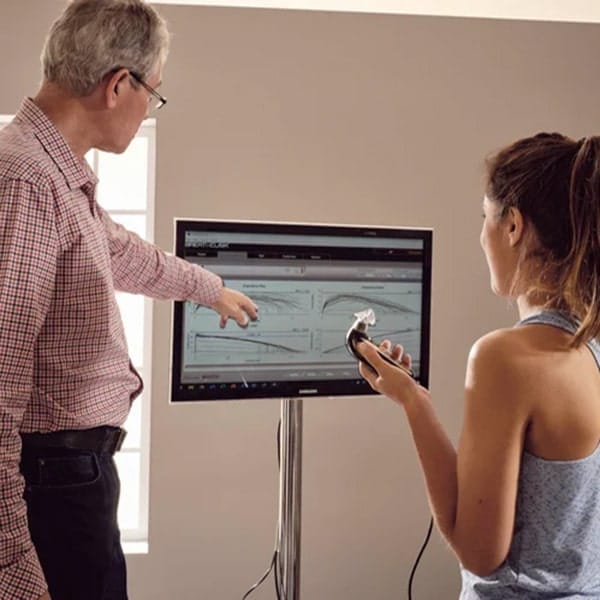
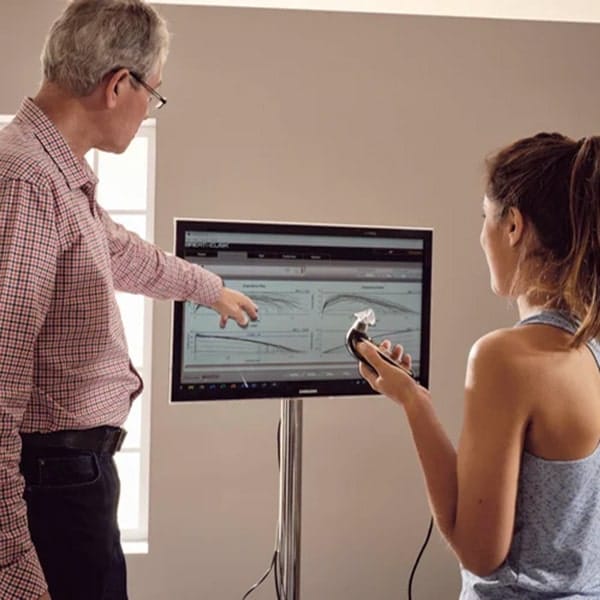
Inspiratory Muscle Training Demonstration
Used in sports science and respiratory training
Inspiratory muscle training devices such as POWERbreathe are commonly used in sports performance programs, pulmonary rehabilitation clinics, and respiratory training research. Breathing resistance training is designed to strengthen the muscles responsible for inhalation, including the diaphragm.
Related Inspiratory Muscle Training Products
- POWERbreathe K5 Inspiratory Muscle Trainer
- POWERbreathe K4 Inspiratory Muscle Trainer
- POWERbreathe Cleaning Tablets
- Understanding Inspiratory Muscle Training
Frequently Asked Questions
What is the POWERbreathe K3 used for?
The POWERbreathe K3 is an electronic inspiratory muscle training device designed to strengthen the muscles used for breathing. By creating controlled resistance during inhalation, the device helps improve breathing muscle strength, respiratory endurance, and breathing efficiency.
How does the POWERbreathe K3 breathing trainer work?
The POWERbreathe K3 uses an electronically controlled tapered flow resistance system that adapts resistance during each breath. Resistance is highest at the beginning of inhalation and gradually decreases as the lungs fill with air, matching the natural strength profile of the inspiratory muscles.
What is inspiratory muscle training (IMT)?
Inspiratory muscle training is a form of breathing exercise that strengthens the muscles responsible for inhalation, including the diaphragm and intercostal muscles. Training with resistance devices such as POWERbreathe can help improve breathing strength and respiratory endurance.
Who should use the POWERbreathe K3?
The POWERbreathe K3 is used by endurance athletes, physiotherapists, respiratory therapists, pulmonary rehabilitation programs, and individuals who want to improve breathing strength and respiratory performance.
When should the POWERbreathe K-Series valve head be replaced?
The valve head may need replacement if the device is used frequently, shared between multiple users in clinical environments, or if the airflow resistance becomes inconsistent. Replacing the valve head helps maintain accurate breathing resistance during inspiratory muscle training.
What is the difference between the POWERbreathe K3, K4, and K5?
All POWERbreathe K-Series devices use the same electronically controlled tapered flow resistance technology to train the inspiratory muscles. The K3 is the advanced standalone model with on-device feedback. The K4 adds Breathe-Link software connectivity for live on-screen feedback and deeper training analysis. The K5 is the most advanced model, adding Pro Analysis View, Custom Mode, advanced test functions, fuller data review, and greater multi-user capacity in the software.
How often should the POWERbreathe K3 be used?
Most inspiratory muscle training programs recommend performing approximately 30 breaths twice per day. Many users begin to notice improvements in breathing strength and endurance within four to six weeks of consistent training.
Can the POWERbreathe K3 help athletes improve performance?
Inspiratory muscle training can help athletes improve breathing efficiency and reduce respiratory muscle fatigue during exercise. Many endurance athletes incorporate breathing resistance training into their conditioning programs.
How do you clean the POWERbreathe K3 device?
The removable mouthpiece should be rinsed regularly with warm water. For deeper cleaning, removable components can be cleaned using POWERbreathe cleaning tablets dissolved in water.
Can the POWERbreathe K3 device be shared between users?
For hygiene reasons breathing trainers are typically intended for personal use. Sharing the device between users is not recommended unless appropriate cleaning and infection control procedures are followed.
How long does it take to see results with inspiratory muscle training?
Many users report improvements in breathing endurance and reduced breathlessness after four to six weeks of regular inspiratory muscle training.
Can inspiratory muscle training help reduce breathlessness during exercise?
Inspiratory muscle training strengthens the muscles used for breathing, including the diaphragm. Improving breathing muscle strength may help reduce respiratory muscle fatigue and improve breathing efficiency during physical activity.
When should the POWERbreathe K-Series valve head be replaced?
The valve head may need replacement if the device is used frequently, shared between multiple users in clinical environments, or if the airflow resistance becomes inconsistent. Replacing the valve head helps maintain accurate breathing resistance during inspiratory muscle training.
When should POWERbreathe accessories such as filters or valve heads be used?
POWERbreathe accessories are commonly used when devices are shared between multiple users or used in clinical environments. TrySafe filters provide a hygienic barrier, spacers allow filters or respiratory connectors to attach to the device, and replacement valve heads help maintain accurate breathing resistance during training.
When should a POWERbreathe TrySafe filter be used?
A TrySafe filter should be used when a POWERbreathe device is shared between multiple users, such as in physiotherapy clinics, respiratory testing environments, or sports performance labs. The filter creates a hygienic barrier between the user and the device.
| Weight | 495 g |
|---|---|
| Dimensions | 22 × 16 × 8 cm |
| Country of Origin | Taiwan |
| HS Code | 90192090 |
| Availability |
Now available in-store at 22635 Komoka Road Komoka N0L1R0 Powered With Oliver Pos |
|---|
What is the POWERbreathe K3 used for?
The POWERbreathe K3 is an electronic inspiratory muscle training device designed to strengthen the muscles used for breathing. By creating controlled resistance during inhalation, the device helps improve breathing muscle strength, respiratory endurance, and breathing efficiency.
How does the POWERbreathe K3 breathing trainer work?
The POWERbreathe K3 uses an electronically controlled tapered flow resistance system that adapts resistance during each breath. Resistance is highest at the beginning of inhalation and gradually decreases as the lungs fill with air, matching the natural strength profile of the inspiratory muscles.
What is inspiratory muscle training (IMT)?
Inspiratory muscle training is a form of breathing exercise that strengthens the muscles responsible for inhalation, including the diaphragm and intercostal muscles. Training with resistance devices such as POWERbreathe can help improve breathing strength and respiratory endurance.
Who should use the POWERbreathe K3?
The POWERbreathe K3 is used by endurance athletes, physiotherapists, respiratory therapists, pulmonary rehabilitation programs, and individuals who want to improve breathing strength and respiratory performance.
When should the POWERbreathe K-Series valve head be replaced?
The valve head may need replacement if the device is used frequently, shared between multiple users in clinical environments, or if the airflow resistance becomes inconsistent. Replacing the valve head helps maintain accurate breathing resistance during inspiratory muscle training.
What is the difference between the POWERbreathe K3, K4, and K5?
All POWERbreathe K-Series devices use the same electronically controlled tapered flow resistance technology to train the inspiratory muscles. The K3 is the advanced standalone model with on-device feedback. The K4 adds Breathe-Link software connectivity for live on-screen feedback and deeper training analysis. The K5 is the most advanced model, adding Pro Analysis View, Custom Mode, advanced test functions, fuller data review, and greater multi-user capacity in the software.
How often should the POWERbreathe K3 be used?
Most inspiratory muscle training programs recommend performing approximately 30 breaths twice per day. Many users begin to notice improvements in breathing strength and endurance within four to six weeks of consistent training.
Can the POWERbreathe K3 help athletes improve performance?
Inspiratory muscle training can help athletes improve breathing efficiency and reduce respiratory muscle fatigue during exercise. Many endurance athletes incorporate breathing resistance training into their conditioning programs.
How do you clean the POWERbreathe K3 device?
The removable mouthpiece should be rinsed regularly with warm water. For deeper cleaning, removable components can be cleaned using POWERbreathe cleaning tablets dissolved in water.
Can the POWERbreathe K3 device be shared between users?
For hygiene reasons breathing trainers are typically intended for personal use. Sharing the device between users is not recommended unless appropriate cleaning and infection control procedures are followed.
How long does it take to see results with inspiratory muscle training?
Many users report improvements in breathing endurance and reduced breathlessness after four to six weeks of regular inspiratory muscle training.
Can inspiratory muscle training help reduce breathlessness during exercise?
Inspiratory muscle training strengthens the muscles used for breathing, including the diaphragm. Improving breathing muscle strength may help reduce respiratory muscle fatigue and improve breathing efficiency during physical activity.
When should the POWERbreathe K-Series valve head be replaced?
The valve head may need replacement if the device is used frequently, shared between multiple users in clinical environments, or if the airflow resistance becomes inconsistent. Replacing the valve head helps maintain accurate breathing resistance during inspiratory muscle training.
When should POWERbreathe accessories such as filters or valve heads be used?
POWERbreathe accessories are commonly used when devices are shared between multiple users or used in clinical environments. TrySafe filters provide a hygienic barrier, spacers allow filters or respiratory connectors to attach to the device, and replacement valve heads help maintain accurate breathing resistance during training.
When should a POWERbreathe TrySafe filter be used?
A TrySafe filter should be used when a POWERbreathe device is shared between multiple users, such as in physiotherapy clinics, respiratory testing environments, or sports performance labs. The filter creates a hygienic barrier between the user and the device.
You may also like…

Related products
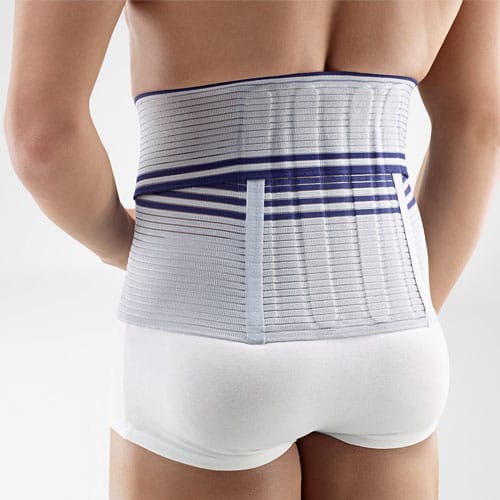
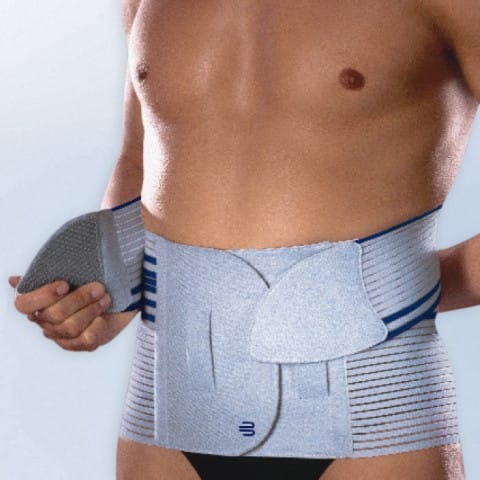
Bauerfeind LordoLoc Lower Back Brace
In Stock
$267.00



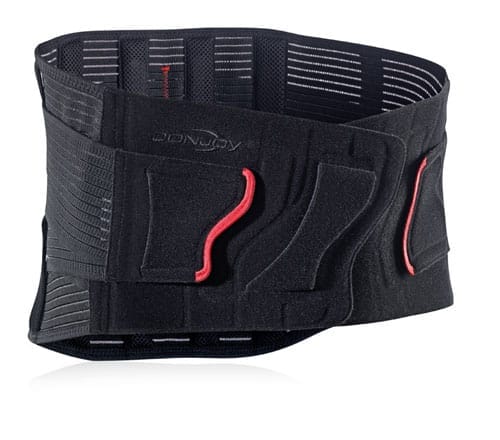
Donjoy Actistrap Back Support
In Stock
$119.95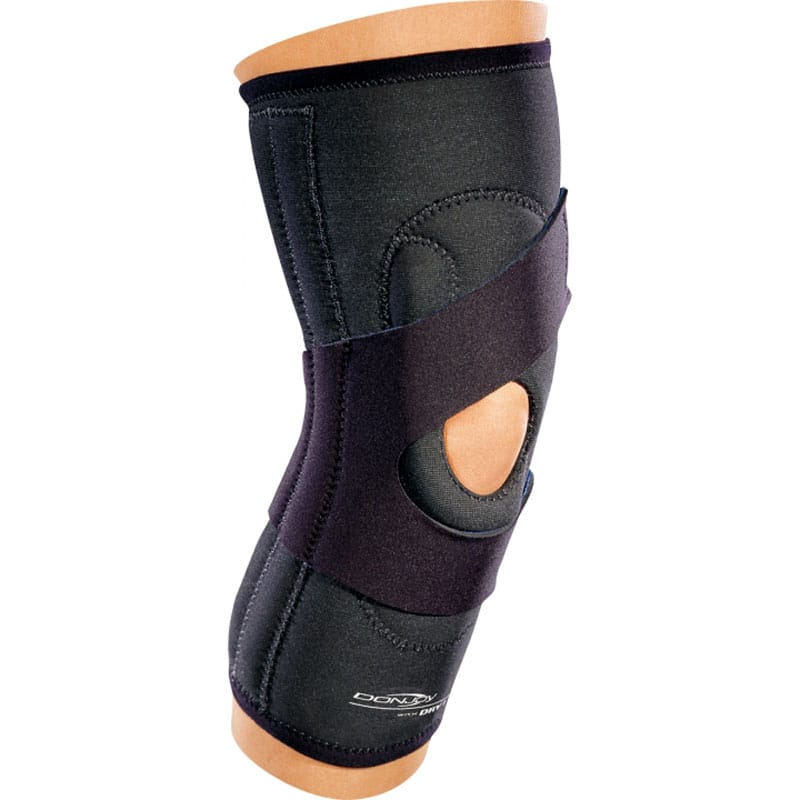

DonJoy Lateral J Patella Knee Brace
In Stock
$134.95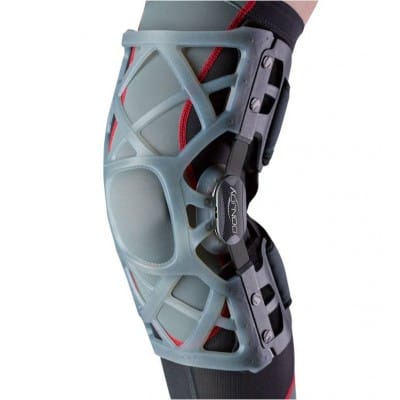
DonJoy OA Reaction Web Unloader Knee Brace
In Stock
$234.95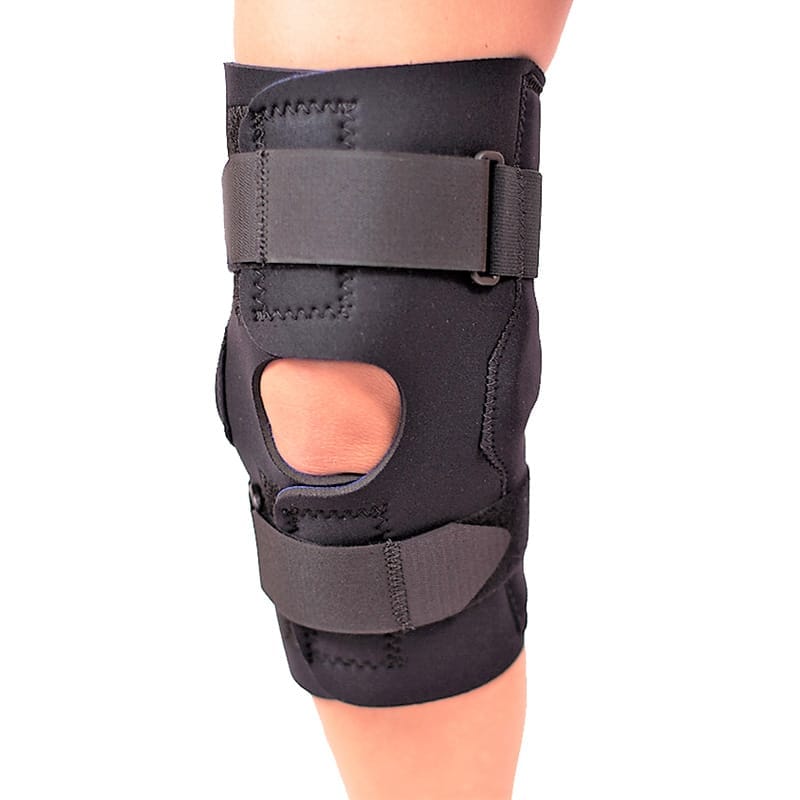
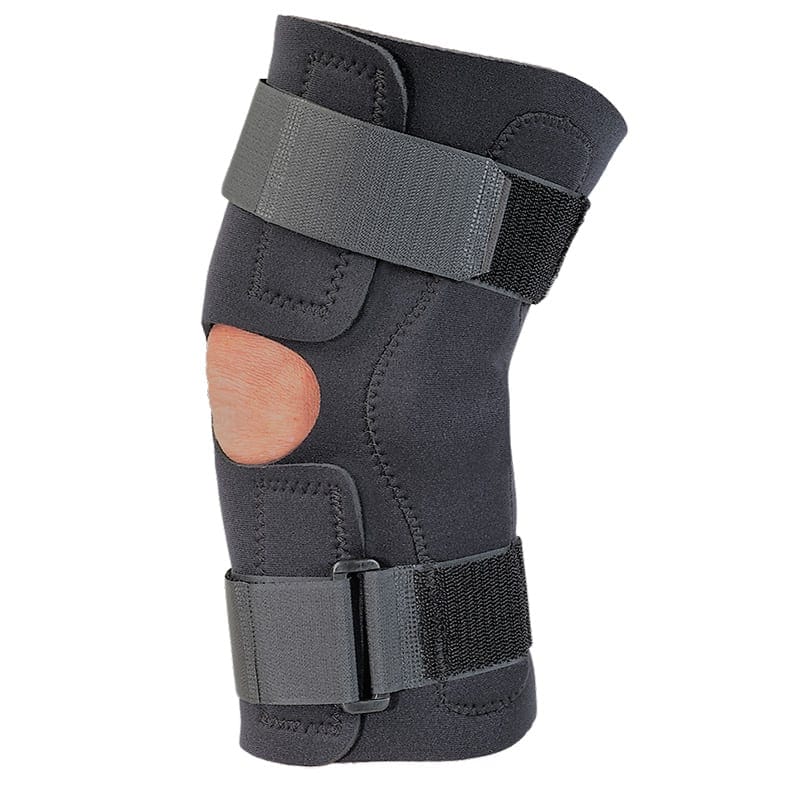
MKO Hinged Knee Wrap
In Stock
$89.99
 SUPPORT SMALL CANADIAN BUSINESS