


Bill Landry
The Art of Aging Gracefully: The Importance of Maintaining Your Balance
The Art of Aging Gracefully: Why Balance Matters
Balance is more than standing upright. As we age, good balance protects independence, confidence, and quality of life. Small, steady habits make a big difference.
What Is Balance?
Balance comes from a mix of strength, flexibility, vision, inner-ear function, sensation in your feet, and quick thinking. With age, muscles can weaken, joints stiffen, and senses dull. That’s normal—but you can train it.
Why Balance Preserves Independence
- Reduces fear of falling at home and in the community
- Makes stairs, curbs, and busy spaces safer
- Keeps you active in daily life and hobbies
Exercise: Your #1 Tool
Aim for short, regular sessions. Focus on three pillars:
- Strength: sit-to-stands, heel raises, mini squats
- Flexibility: gentle stretches for calves, hips, and ankles
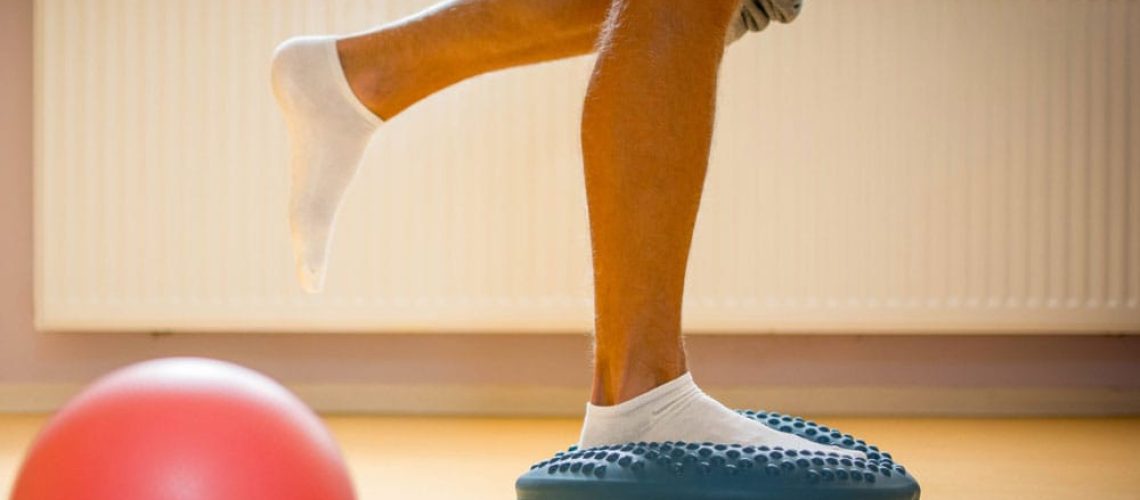
- Balance & coordination: tandem stance, single-leg stance, weight shifts, tai chi, yoga
Mental & Emotional Balance
Stress, poor sleep, and low mood affect focus and reaction time. Try simple mindfulness, breathing drills, or short walks outdoors to support brain-body balance.
Nutrition & Health Checks
- Eat protein with each meal to support muscle
- Stay hydrated; low fluids can cause dizziness
- Review meds and vision with your clinician
- Vitamin D and bone health matter for fall resilience
Quick Self-Check: Timed Up & Go (TUG)
Time yourself: stand from a chair, walk 3 m (10 ft), turn, return, and sit.
| TUG Time | What it may mean |
|---|---|
| ≤ 10 seconds | Typical for healthy adults |
| 11–20 seconds | Mild mobility/balance change |
| 21–30 seconds | Moderate change; higher fall risk |
| > 30 seconds | Severe change; seek assessment |
How to do the TUG test at home.
Printables:
Starter Balance Exercises
Ready for a Challenge? The Star Excursion Balance Test (SEBT)
SEBT trains dynamic balance using reaches in multiple directions. It’s more advanced and often used in clinics.
Overview of the SEBT.
You can also practice a home version of the SEBT designed by a team from Western University—available at The Physio Store. It helps spot early balance changes and track progress over time.
Recommended Balance Tools
For those ready to strengthen balance at home or in the clinic, these Canadian-made tools are professional favourites:
A versatile wobble board designed to improve ankle stability, coordination, and balance for all fitness levels. Proudly made in Canada.
Larger, more challenging version ideal for clinics and advanced users seeking progressive balance training. Made in Canada for durability and precision.
Conclusion
Balance quietly declines when life gets busy—but it’s highly trainable at any age. Start now with short, safe sessions, build consistency, and check your progress with simple tests like the TUG or a home SEBT system. Better balance today means more freedom tomorrow.
Share this post
More To Explore
Understanding Vagus Nerve Stimulation (VNS) — A Calming Path to Wellness
Understanding Vagus Nerve Stimulation (VNS) — A Calming Path to Wellness In recent years, vagus nerve stimulation (VNS) has gained

Why POWERbreathe Is the Gold Standard for Inspiratory Muscle Training (IMT)
Why POWERbreathe Is the “Gold Standard” for Inspiratory Muscle Training (IMT) Lung health mirrors overall health as we age. A
Subscribe To Our Newsletter
Get updates and learn from Our Experts


 SUPPORT SMALL CANADIAN BUSINESS