


Shoulder Supports
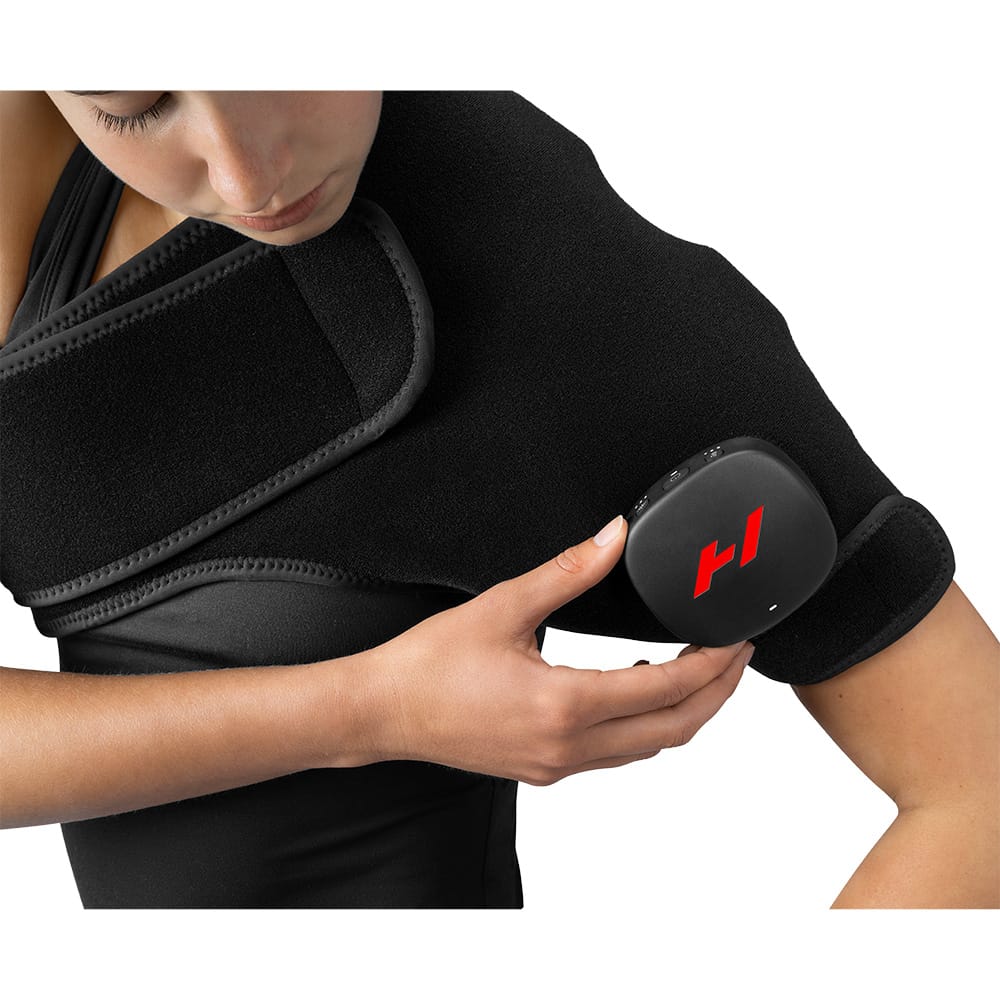
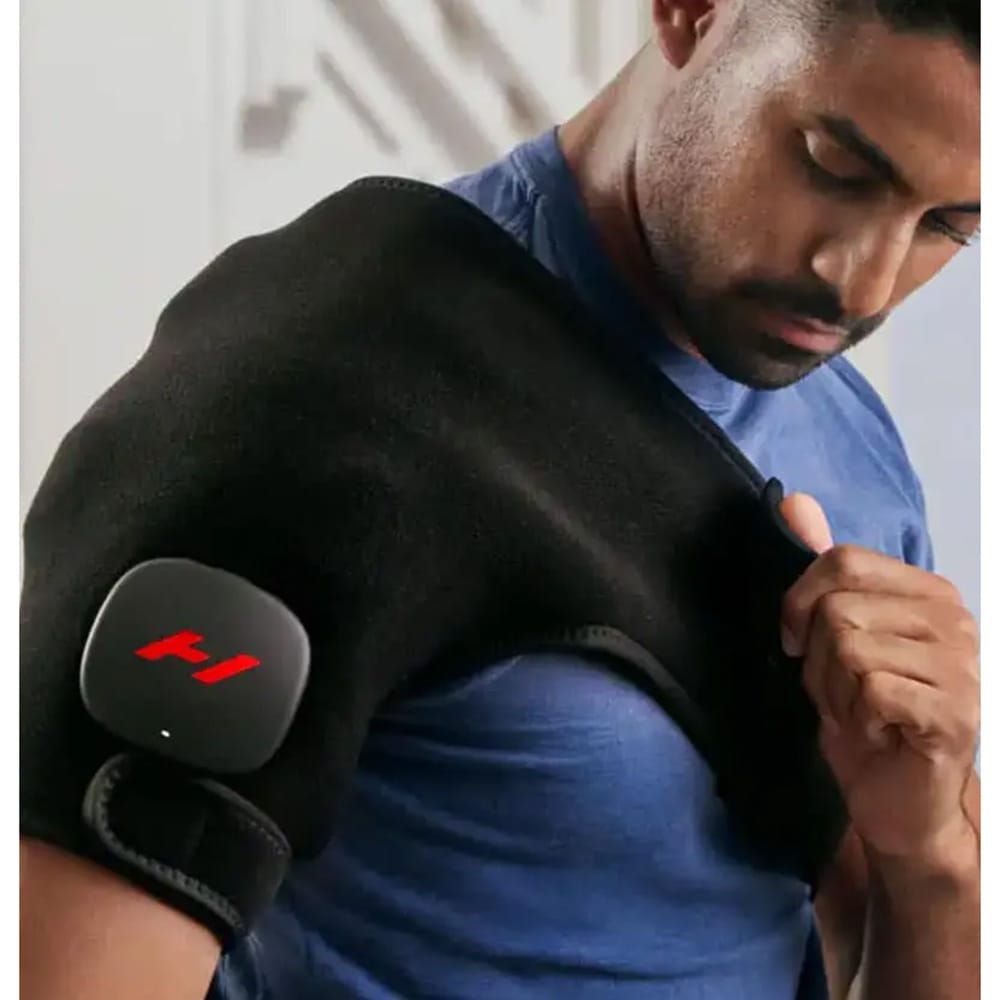
Hyperice Venom 2 Shoulder
In Stock
$349.00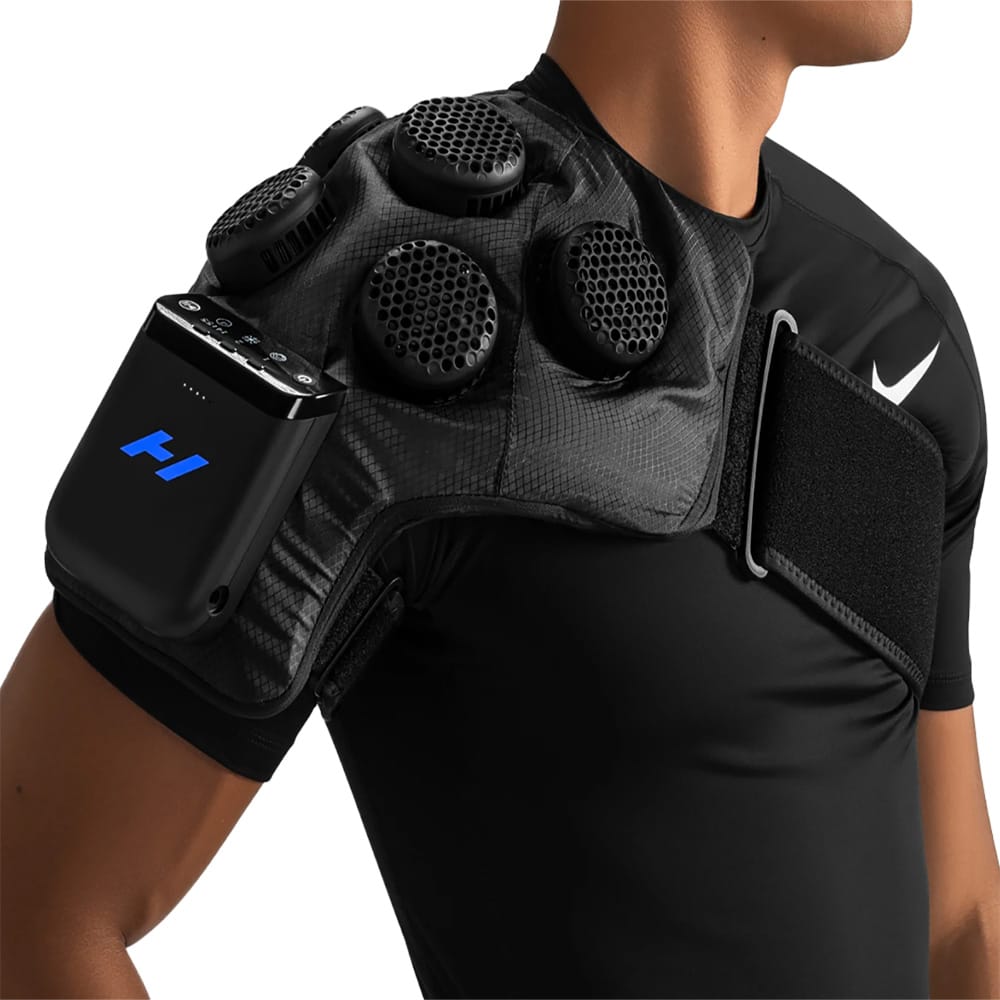
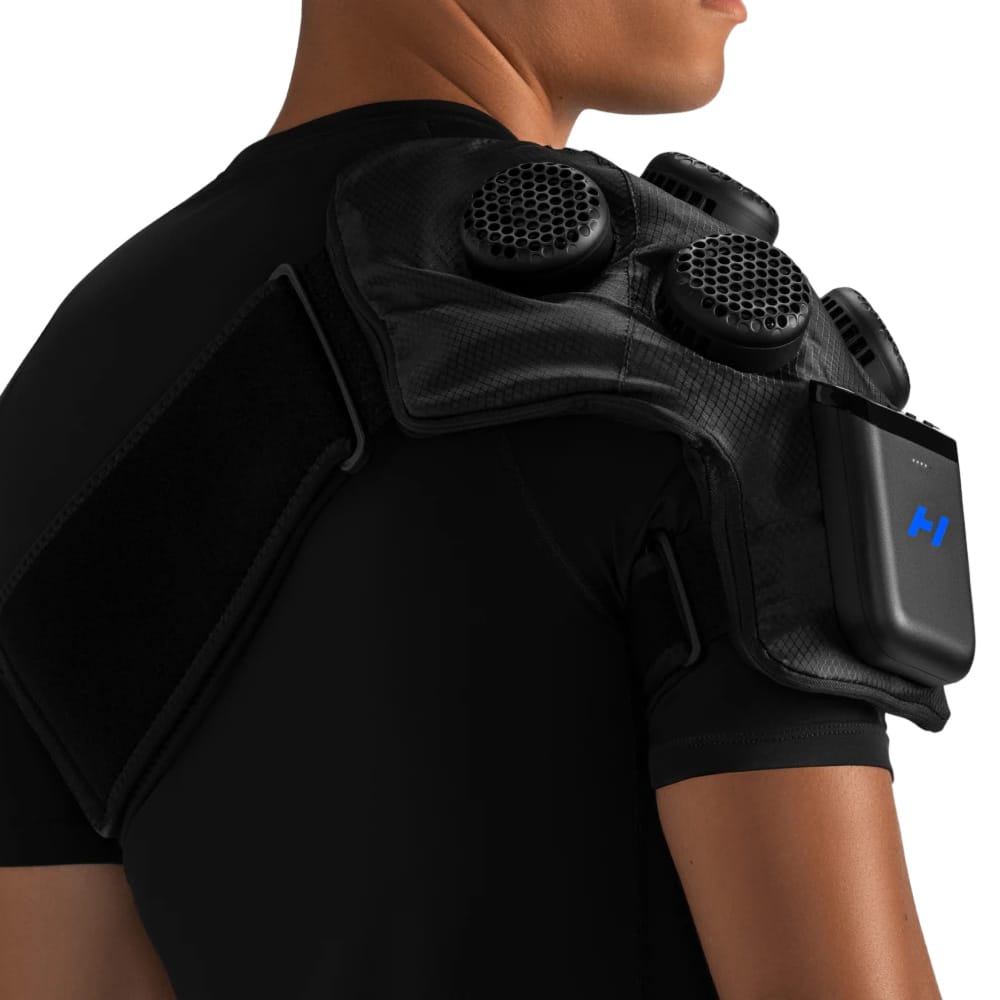
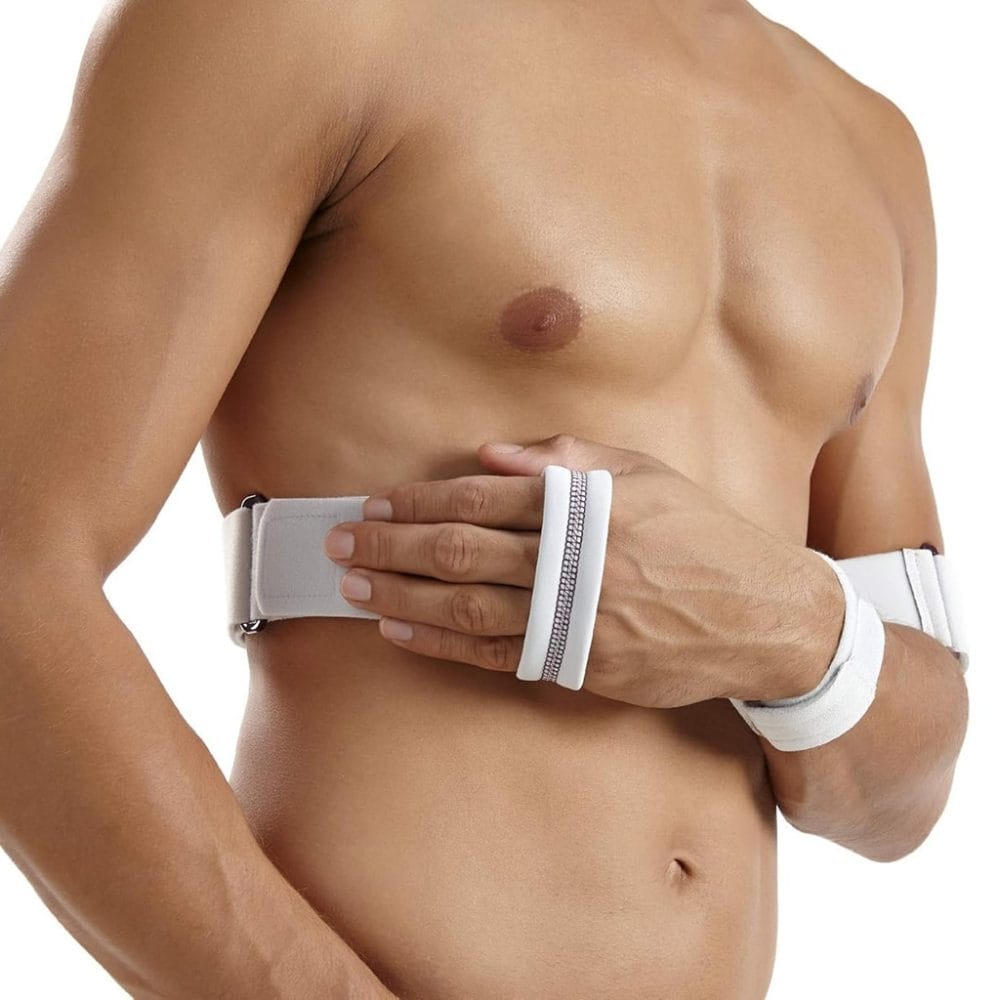
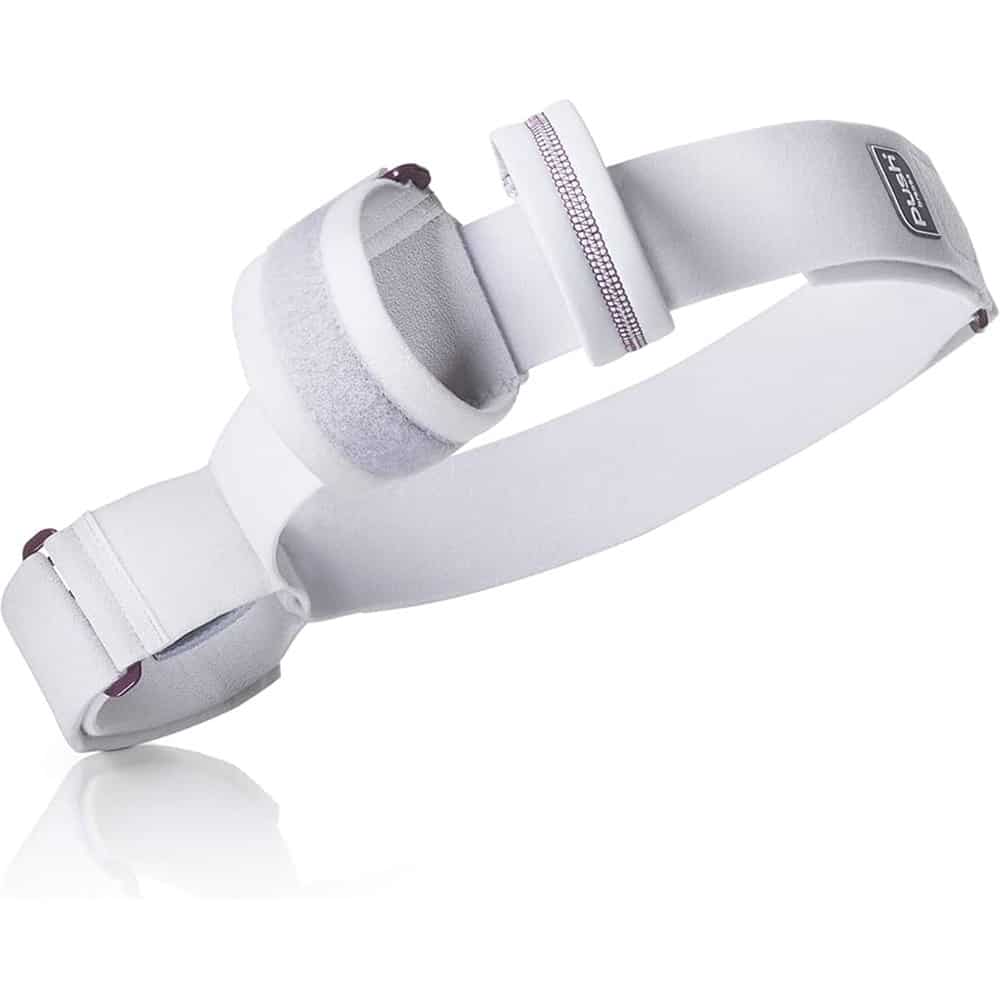
Push Med Shoulder Brace
In Stock
$102.45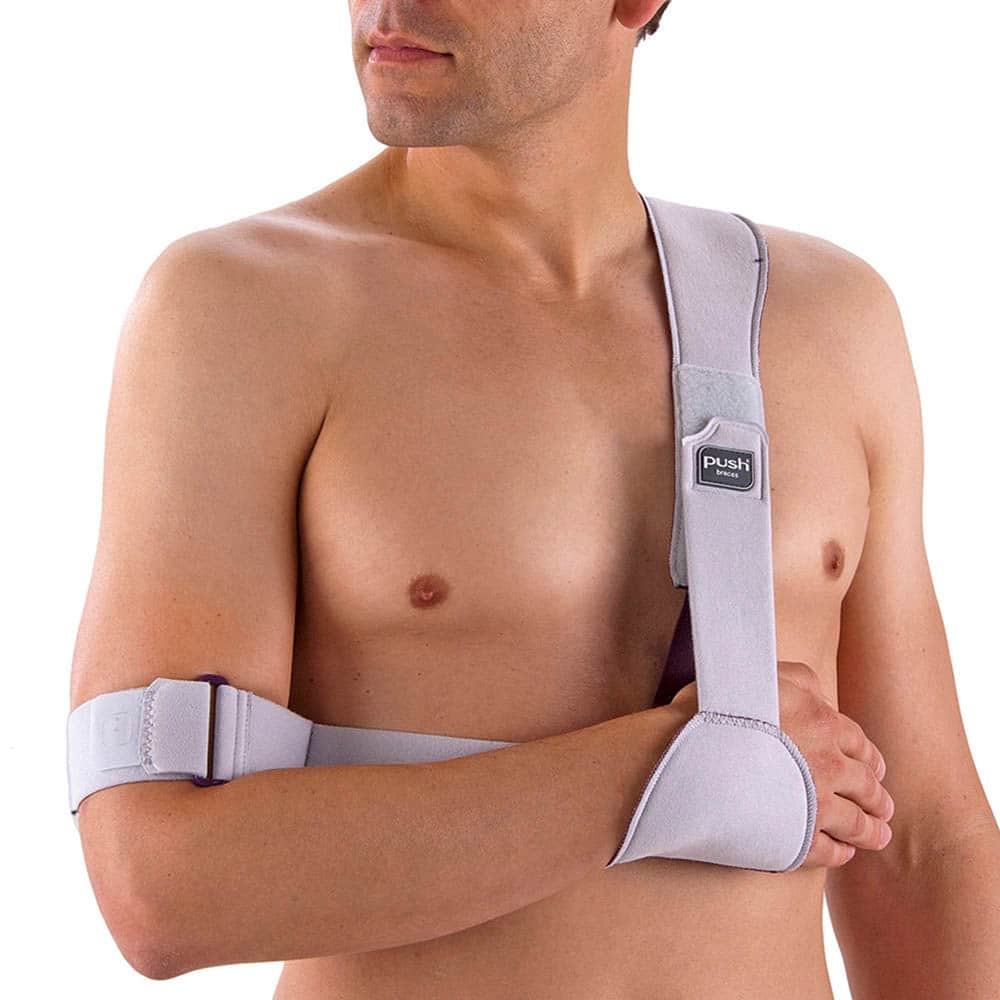
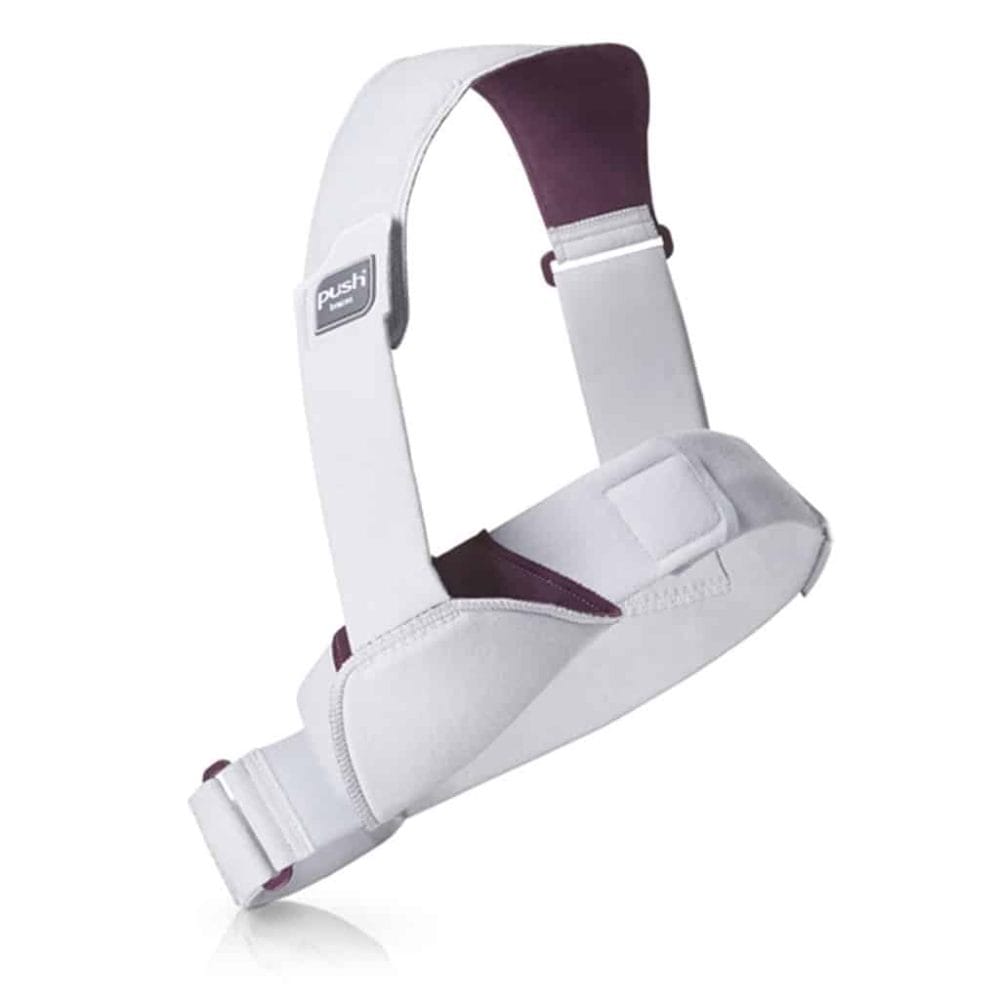
Push Med Shoulder Brace Plus
In Stock
$125.13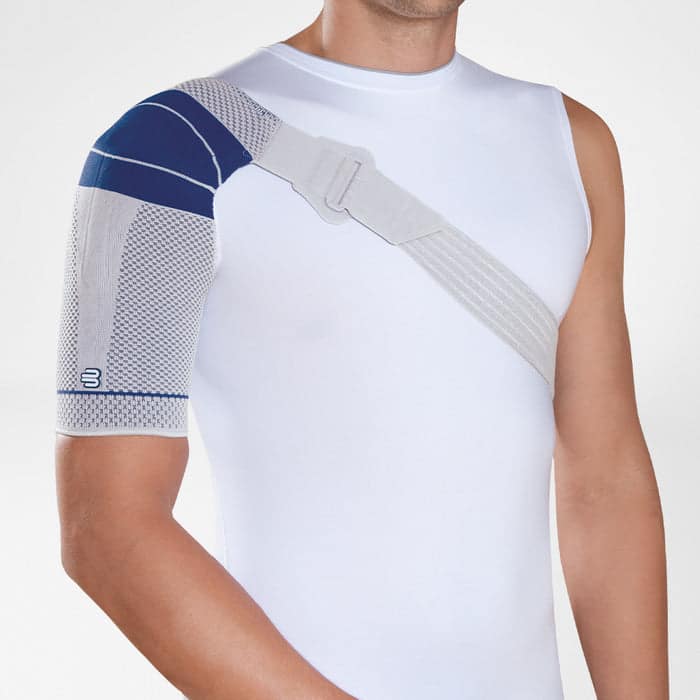
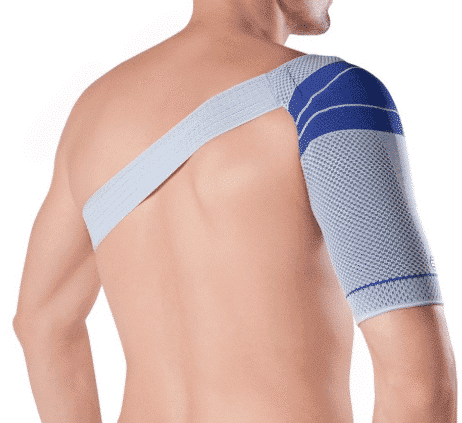
Bauerfeind OmoTrain S Shoulder Stabilizer Support Brace
In Stock
$310.00
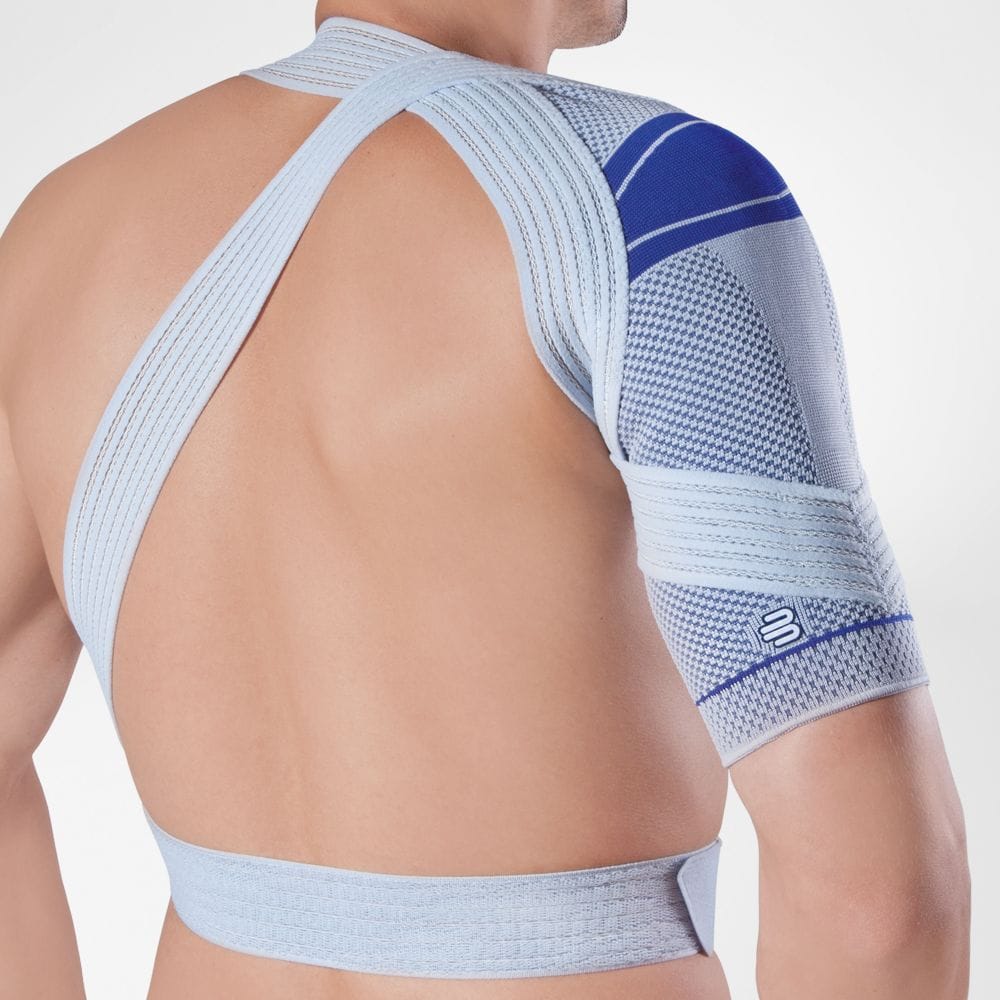
Bauerfeind OmoTrain Shoulder Stabilizer Support Brace
In Stock
$310.00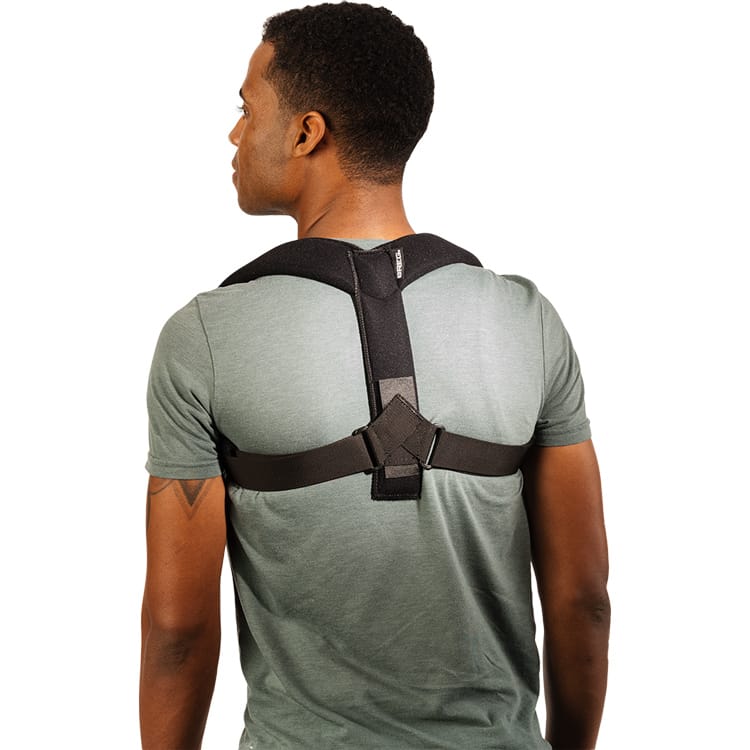
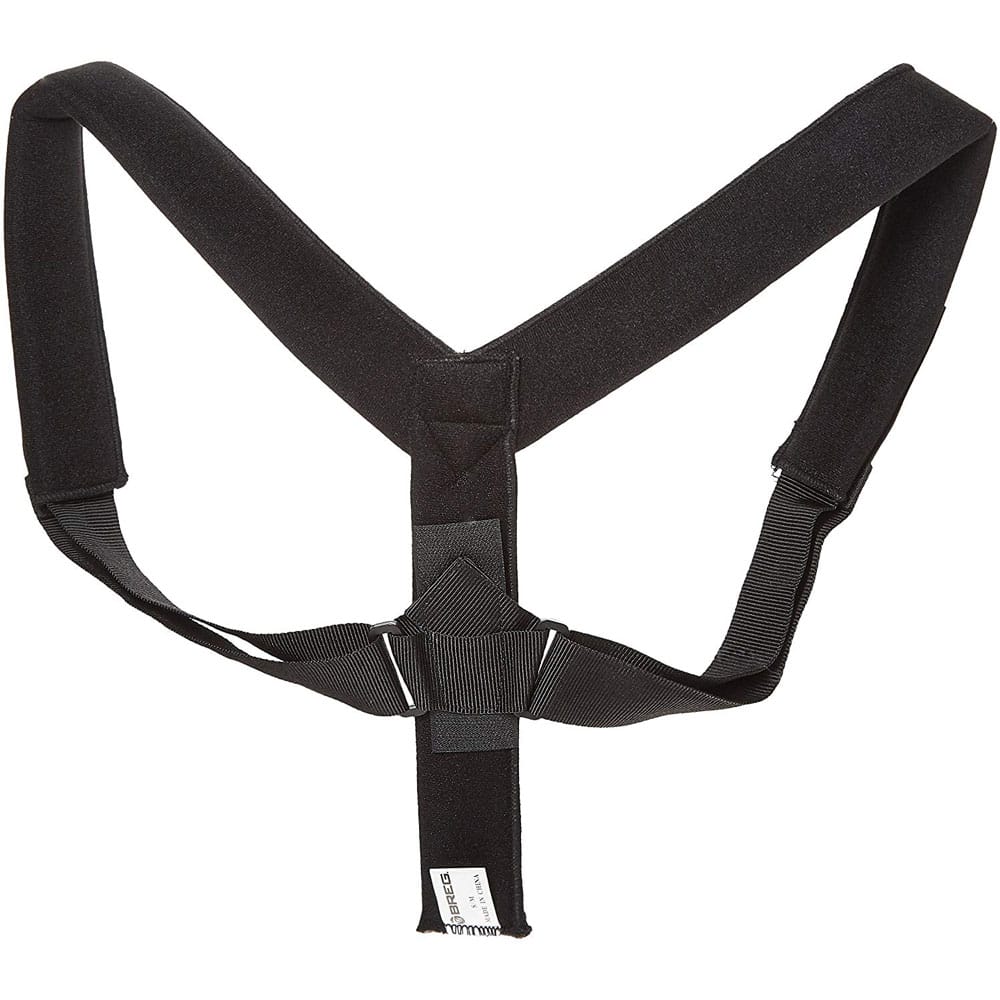
Breg Clavicle and Posture Supporter
In Stock
$55.95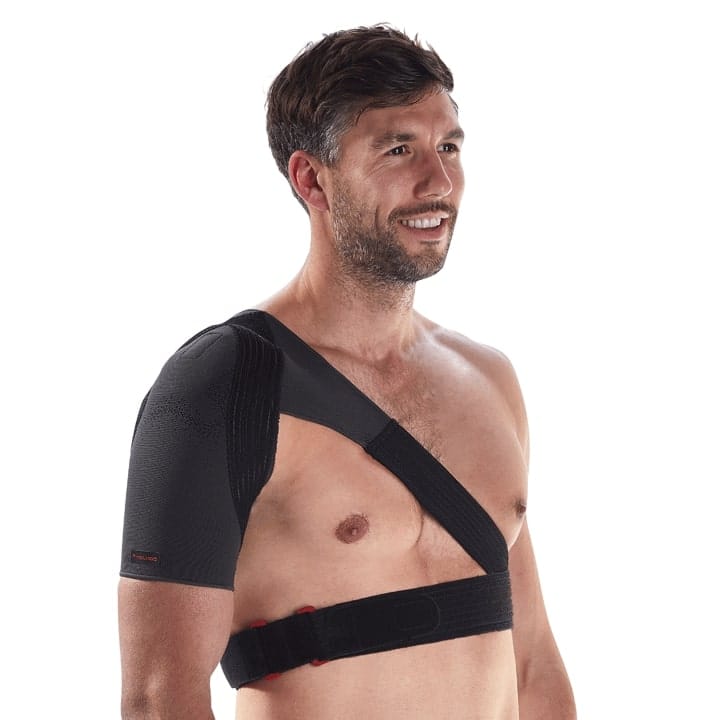
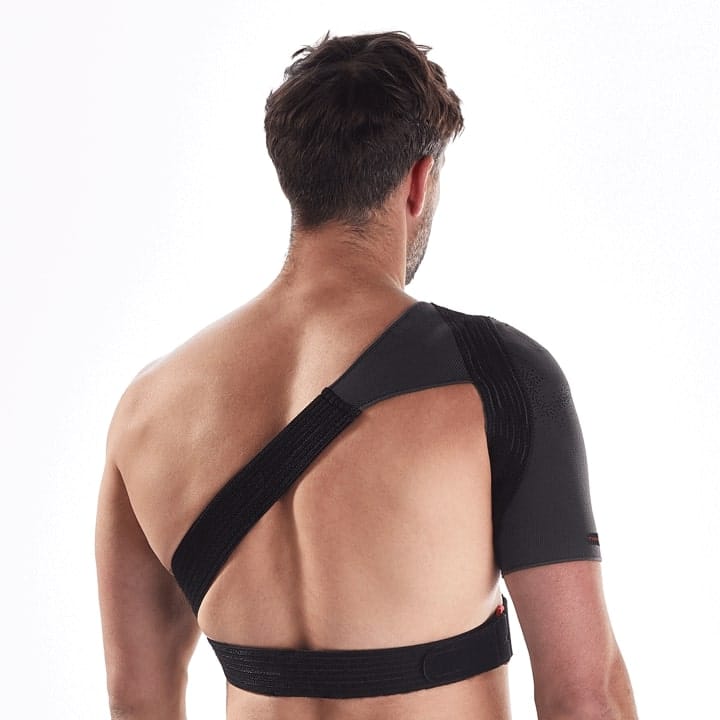
Donjoy Scapulax Shoulder Stabilizer Brace
In Stock
$159.95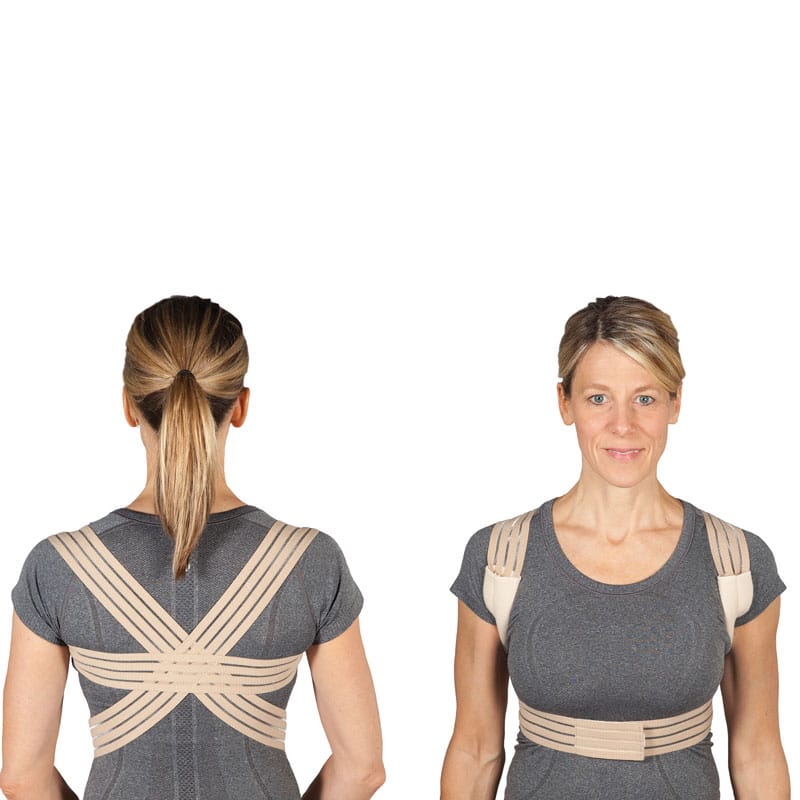
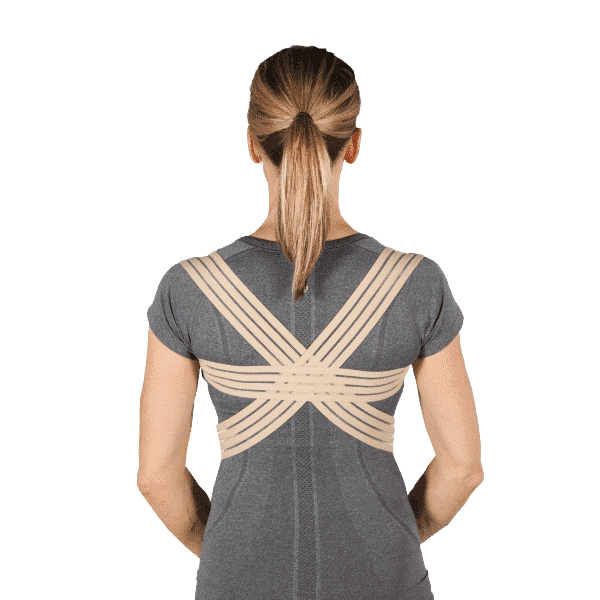
OPTP Posture Supporter
In Stock
$39.95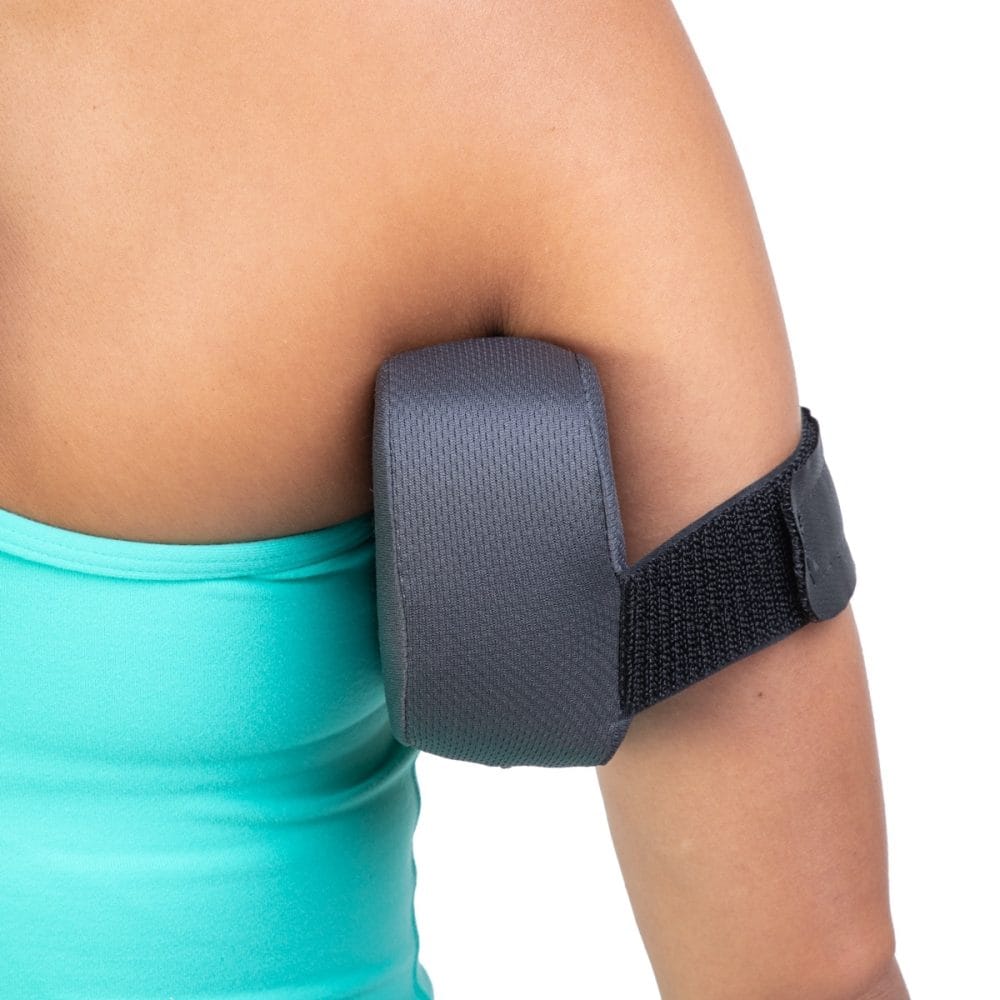
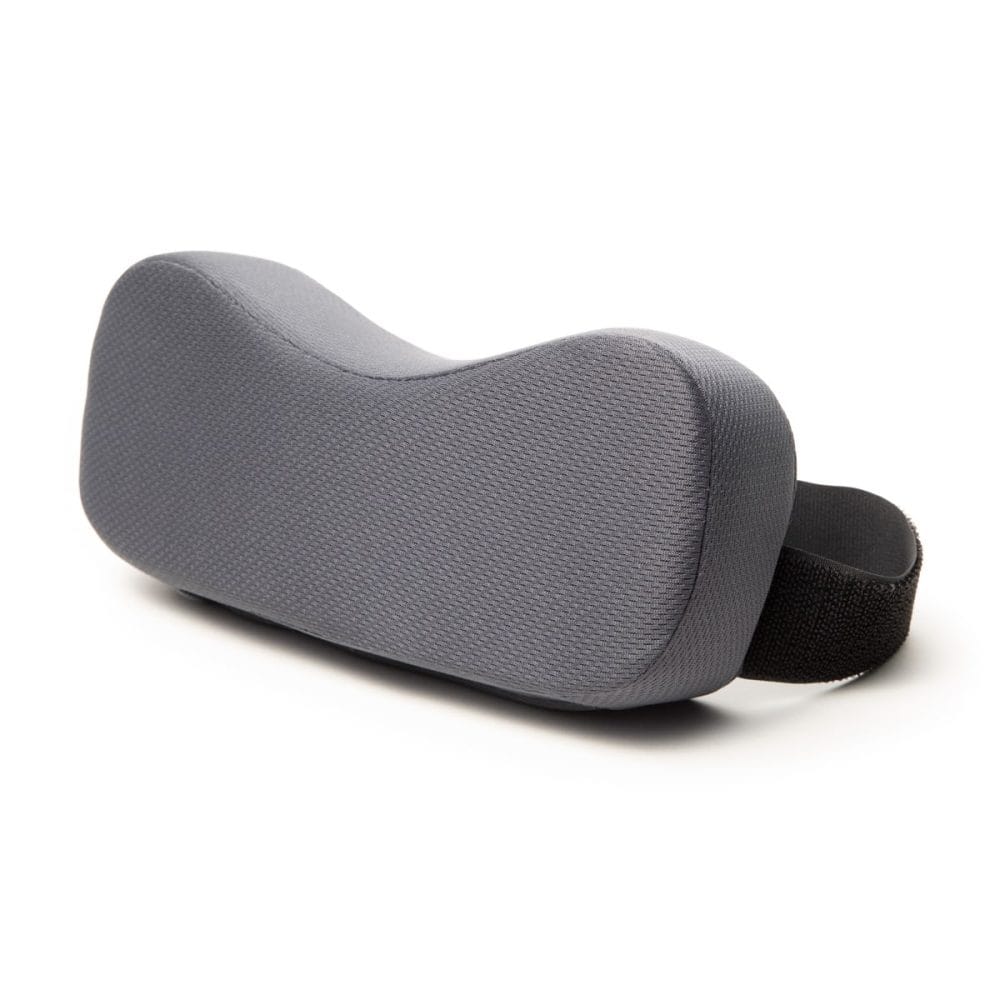
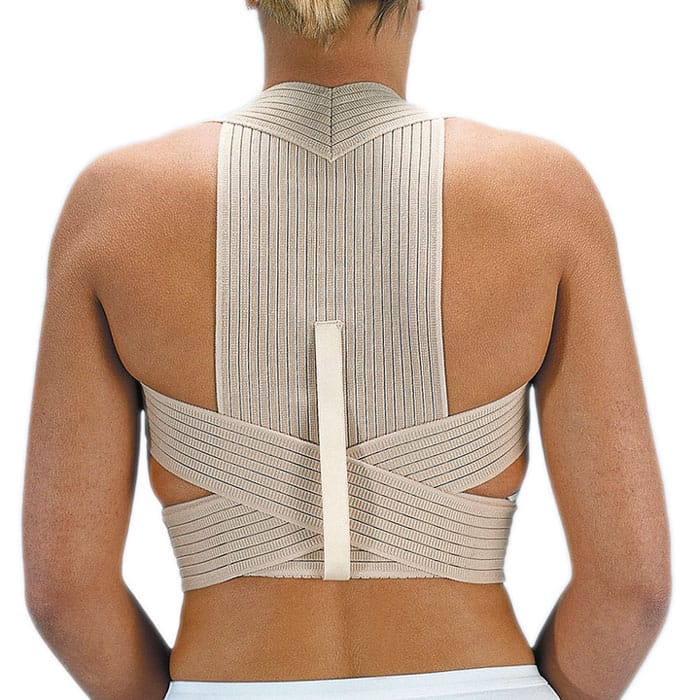
Orliman Breathable Shoulder Posture Supporter
In Stock
Original price was: $73.00.$65.00Current price is: $65.00.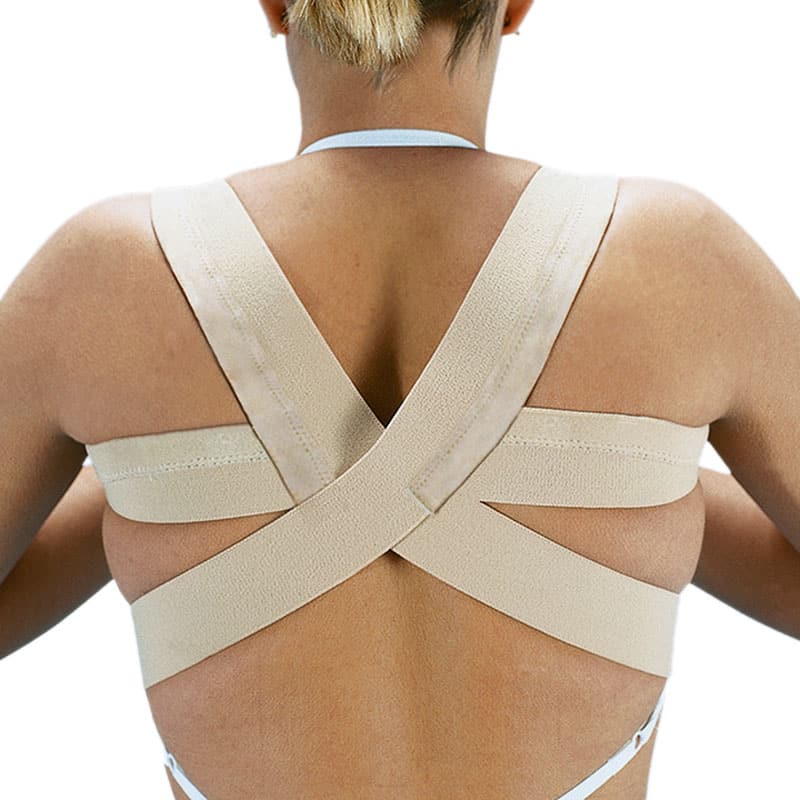
Orliman Strong Shoulder Posture Supporter
In Stock
$45.95Rotator Cuff & Tendon Support
Shoulder supports can help reduce strain on the rotator cuff muscles and surrounding tendons by providing compression and improved joint awareness during movement.
Stability During Activity
For individuals returning to sport or physically demanding work, a stabilizing brace may help limit extreme shoulder movement while still allowing functional use.
Important: Not a Replacement for Rehab
Shoulder braces support recovery but are typically part of a broader rehabilitation plan that includes strengthening and mobility exercises.
Need Help Choosing?
With over 50 years of combined healthcare and bracing expertise, our team can help you select the right shoulder support based on your symptoms, activity level, and recovery stage.
Prescription & Tax Information (Canada)
Some shoulder supports may qualify as tax-free in Canada with a valid prescription from a licensed healthcare professional. Eligibility depends on the product and proper documentation.
Proudly Canadian
We support clinics and individuals across Canada with fast shipping, trusted orthopaedic brands, and knowledgeable service before and after purchase.
Frequently Asked Questions
What does a shoulder support brace help with?
A shoulder support brace helps stabilize the shoulder joint, reduce strain, and provide compression for rotator cuff injuries, instability, tendon irritation, and recovery after minor injury.
Can a shoulder brace help with rotator cuff pain?
A shoulder brace may help reduce strain on the rotator cuff by limiting excessive motion and providing compression. It is often used alongside physiotherapy exercises.
What’s the difference between a compression shoulder brace and a stabilizer?
A compression brace provides warmth and light support, while a stabilizing brace includes straps or structural components to limit shoulder rotation and elevation.
Can a shoulder brace prevent dislocations?
Some stabilizing braces help limit extreme movement that may contribute to recurrent dislocations, but they do not replace proper rehabilitation or surgical care when required.
How tight should a shoulder brace be?
It should feel snug and supportive without causing numbness, tingling, or circulation issues. Adjustable straps allow for customized compression.
Can I exercise while wearing a shoulder support?
Light activity may be appropriate depending on the brace type and injury stage. Always follow your healthcare provider’s guidance.
Should I wear a shoulder brace all day?
Wear time depends on your condition and your healthcare provider’s recommendation. Some braces are worn only during activity, while others may be used more consistently during early recovery.
Are shoulder supports covered as tax-free in Canada?
Some shoulder supports may qualify as tax-free in Canada with a valid prescription from a licensed healthcare professional. Eligibility depends on the specific product and documentation provided.
How do I choose the right size shoulder brace?
Most shoulder supports are sized based on chest circumference or shoulder measurements. Refer to the sizing chart carefully and contact our team if you need assistance.
Can a shoulder support improve posture?
Some shoulder braces help cue improved upper-body positioning, which may reduce forward shoulder posture during daily activities.
Shoulder Supports in Canada for Stability, Compression & Recovery
Shop shoulder supports in Canada designed to reduce strain, improve stability, and support recovery from rotator cuff injuries, instability, and repetitive strain.
Answers to common questions about this category are available below.

 SUPPORT SMALL CANADIAN BUSINESS