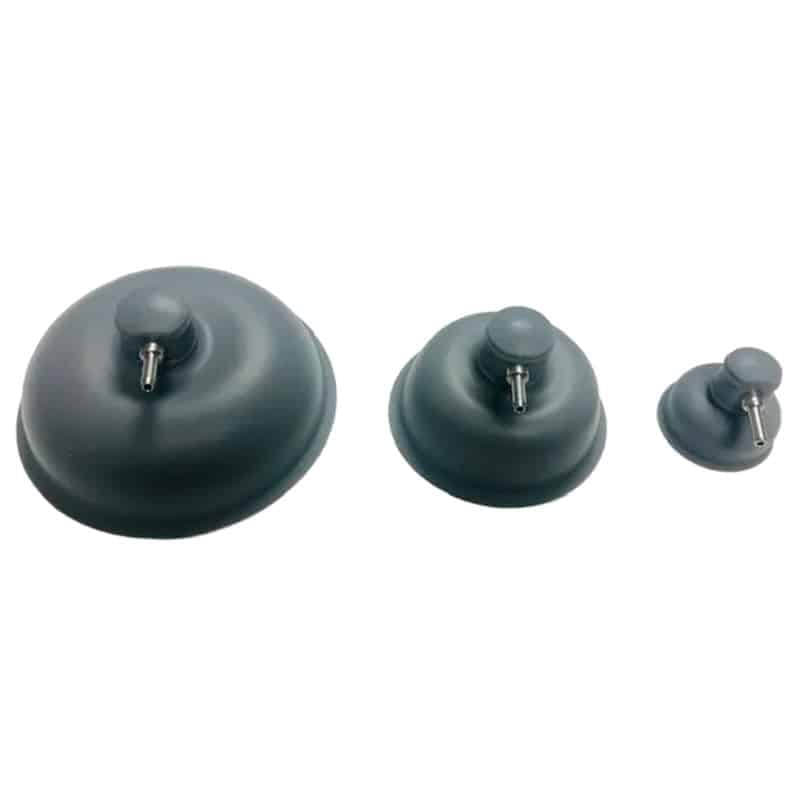
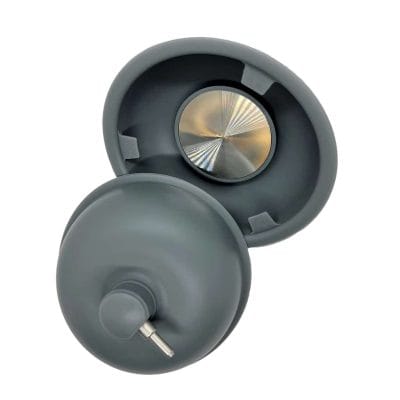
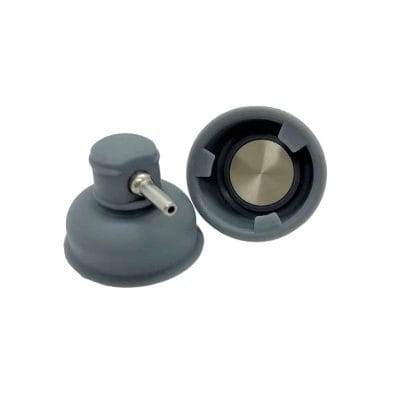
CMP Vacuum Suction Electrodes
Price range: $41.95 through $67.95
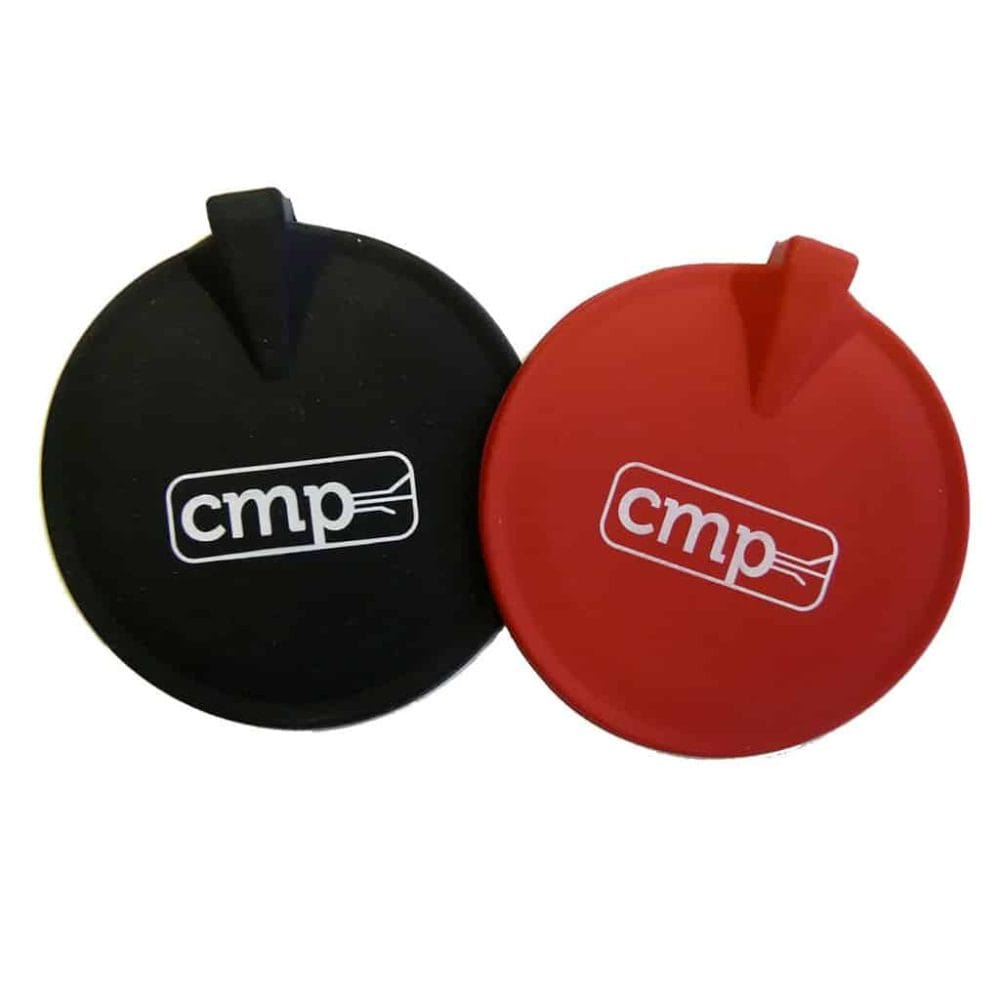
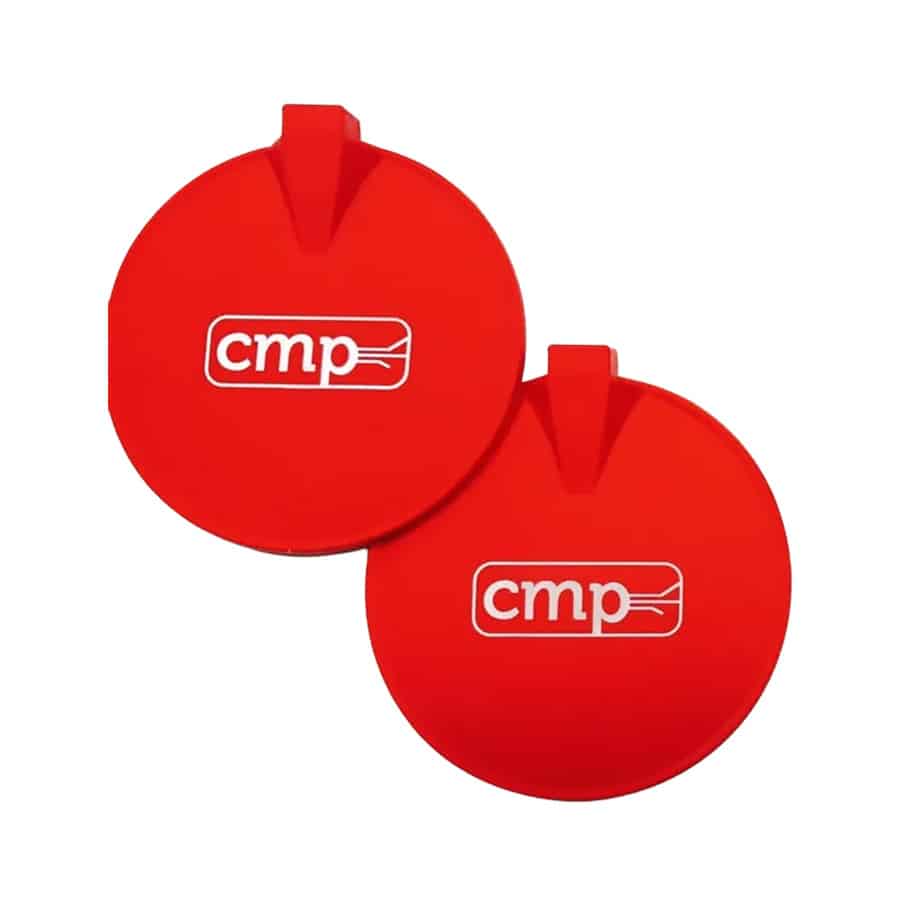
CMP Vacuum Suction Electrodes are reusable clinical-grade electrode cups designed for use with electrotherapy devices that support a vacuum port. Compatible with IFC, TENS, and EMS vacuum systems. Sold individually — 1 electrode per package.

Clinical Pricing Available!
The Physio Store is offering clinical pricing for all businesses / institutions in healthcare, healthcare professionals/students and fitness industry professionals.
We highly recommend you to sign up for our clinical pricing program, which will provide you with discounts on most of our products. We will also send out exclusive monthly specials, new ideas and new products on the market. Our company values the hard work and dedication of healthcare professionals and express gratitude by offering you special pricing and monthly deals.
Close
This Product Was Made In Canada!
Supporting locally made products is a great way to invest in quality craftsmanship while strengthening our communities.
Our selection of Canadian-made products spans multiple categories, including fitness, rehabilitation, pain relief, therapy, and recovery. These high-quality items are designed with innovation and care to support your health and well-being.
By choosing Canadian-made products, you’re not only ensuring top-tier performance but also contributing to local businesses, job creation, and sustainability.
We believe in promoting homegrown excellence, and we appreciate your support in keeping these industries thriving!
Close
Manufacturer Warranty
CloseReturn Policy
Medical & Electrical Devices — 7 Day Factory-Sealed Return Policy
Unopened returns only. Due to hygiene and safety standards, electrotherapy and personal-use medical devices may be returned only if the product remains unopened and factory sealed.
Return window: Return requests must be submitted within 7 days of confirmed delivery.
Eligible products include: TENS units, EMS units, IFC devices, and similar electrical rehabilitation or pain-management equipment.
Return requirements:
- Factory seal must remain intact
- Packaging must be complete and undamaged
- Customer is responsible for return shipping
- A return label can be provided for $14.95 + applicable taxes
- Original outbound shipping charges are non-refundable
Opened devices cannot be returned. If the factory seal is broken or the product shows signs of opening, use, or tampering, it is not eligible for return.
Insurance reimbursement notice: If this product is submitted to an insurer for reimbursement, return eligibility may be affected. We reserve the right to verify claim status prior to issuing refunds.

CMP Vacuum Suction Electrode Cup
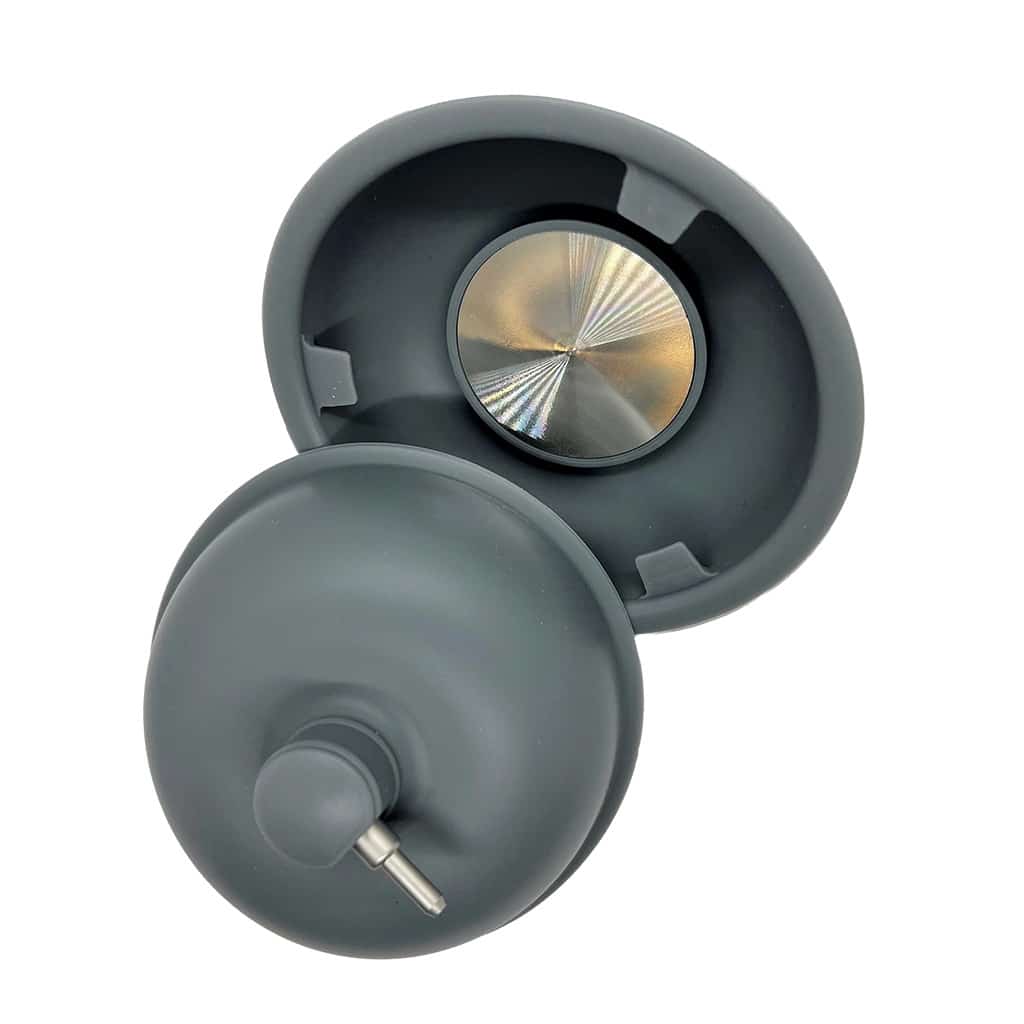
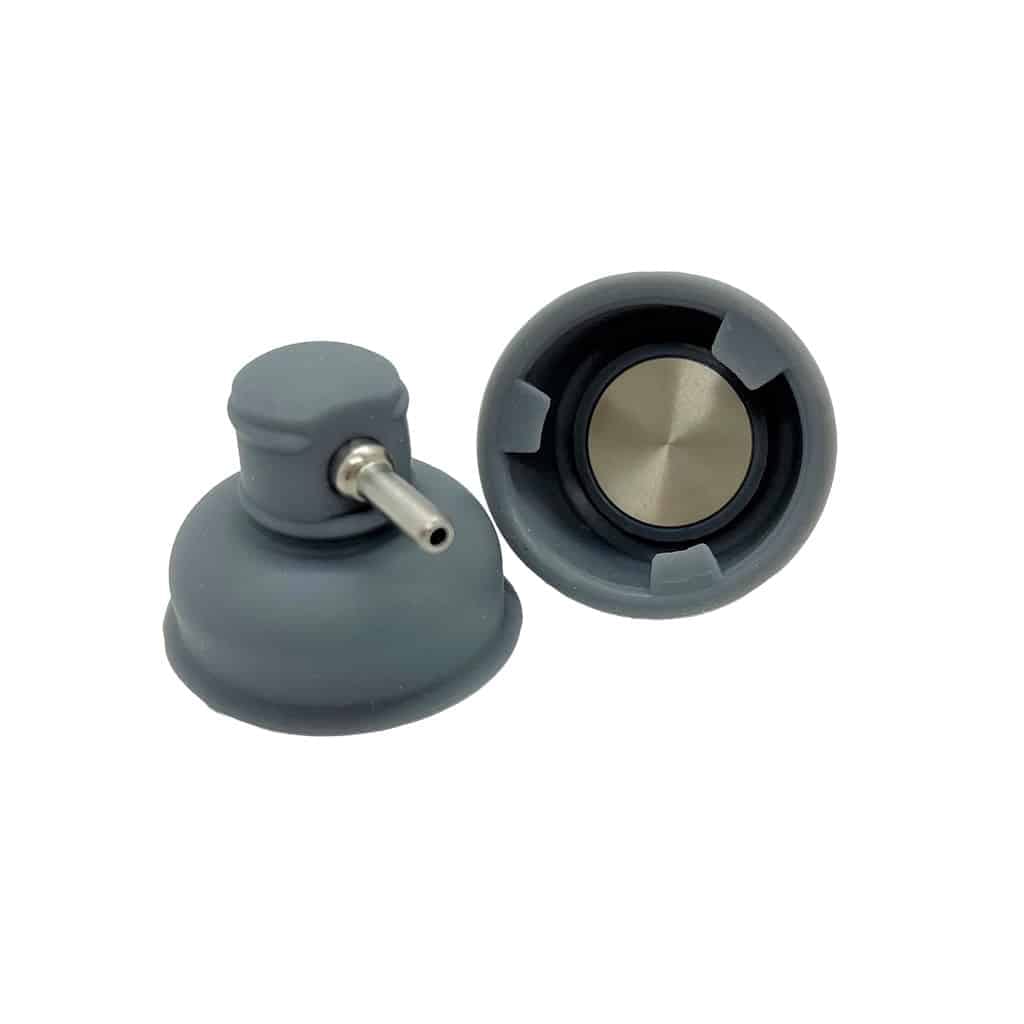
The CMP Vacuum Suction Electrode Cup is designed for professional physiotherapy and rehabilitation clinics using electrotherapy devices equipped with a vacuum port system. These durable electrode cups provide secure suction contact and consistent current delivery during IFC, TENS, and EMS treatments.
Designed for Vacuum-Based Electrotherapy Systems
These suction electrodes connect directly to electrotherapy devices that feature an integrated vacuum pump or external vacuum port system. They are compatible with most clinical IFC, TENS, and EMS units that support vacuum electrode therapy.
Clinical Applications
- Interferential Current (IFC) therapy
- Neuromuscular Electrical Stimulation (NMES / EMS)
- TENS pain modulation treatments
- Muscle re-education and circulation support
Use with Vacuum Compressed Sponges
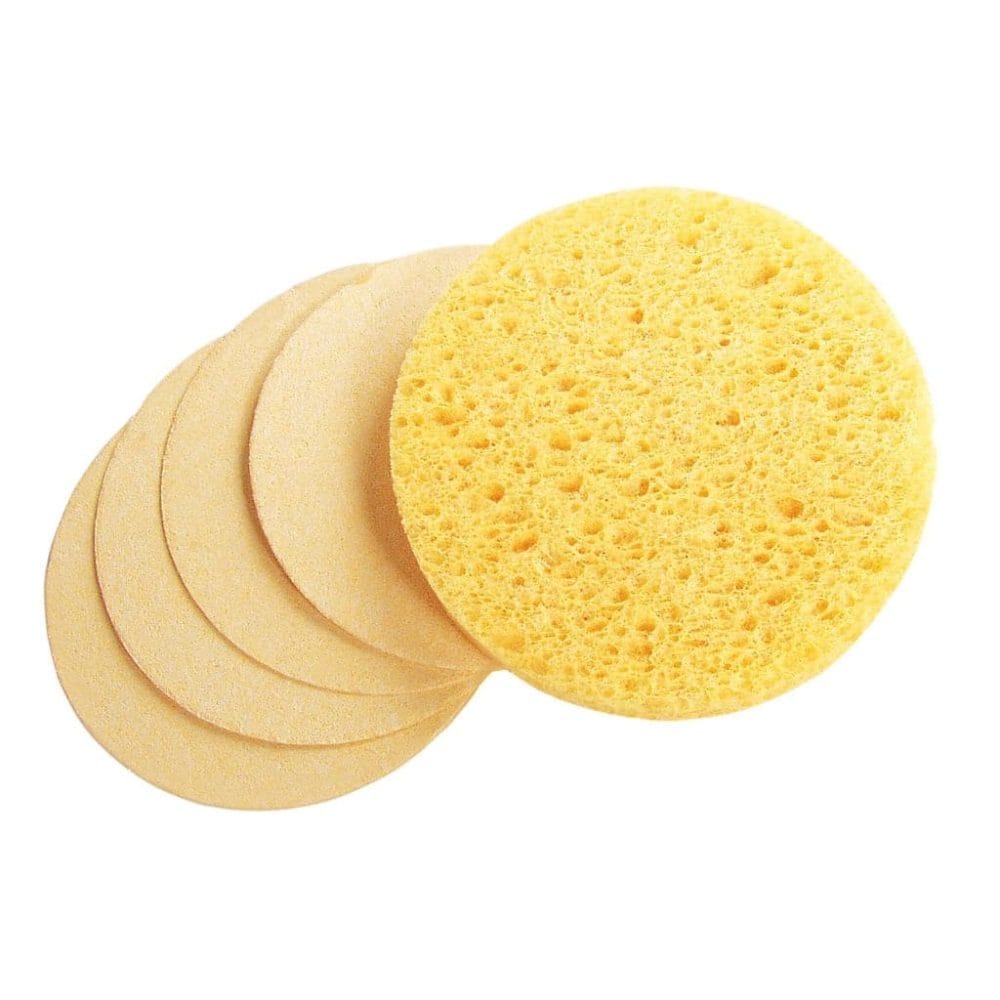
For proper conductivity and patient comfort, these electrode cups are intended to be used with compatible vacuum compressed sponges (sold separately). The sponge distributes current evenly while protecting skin integrity.
Available Sizes & Recommended Use
| Size | Typical Treatment Area | Common Clinical Use |
|---|---|---|
| 30 mm | Small joints & focal areas | Wrist, elbow, ankle, cervical region, small muscle groups |
| 60 mm | Medium muscle groups | Shoulder, forearm, calf, lateral thigh |
| 90 mm | Large muscle groups | Quadriceps, hamstrings, glutes, lumbar region |
Why Size Selection Matters
Smaller cups concentrate current density for targeted treatments. Larger cups distribute current over broader muscle areas, making them ideal for larger muscle groups and higher-intensity IFC protocols.
Construction & Durability
- High-grade conductive plastic housing
- Integrated vacuum port connection
- Designed for repeated clinical use
- Easy to disinfect between patients
Compatibility
Compatible with most professional electrotherapy systems featuring vacuum suction capability. Not compatible with standard portable TENS or EMS devices without vacuum ports.
Vacuum Electrodes vs Adhesive Snap Electrodes
Both vacuum suction electrodes and adhesive snap electrodes are used in electrotherapy, but they serve different clinical workflows.
| Feature | Vacuum Electrodes | Adhesive Snap Electrodes |
|---|---|---|
| Attachment Method | Negative pressure (vacuum suction) | Adhesive gel backing |
| Reusable | Yes (with replaceable sponges) | Limited reuse; adhesive degrades |
| Clinic Efficiency | Fast repositioning and setup | Requires peeling and reapplication |
| Best For | IFC, clinical multi-electrode treatments | Home TENS / portable EMS use |
| Long-Term Cost | Lower over time in busy clinics | Higher recurring consumable cost |
Vacuum electrode systems are commonly preferred in professional physiotherapy environments where speed, repeatability, and cost efficiency are priorities. Adhesive snap electrodes are more common in portable home-use devices.
Package Contents
- 1 CMP Vacuum Suction Electrode Cup (selected size)
Frequently Asked Questions
What are vacuum suction electrodes used for in electrotherapy?
Vacuum suction electrodes are used with electrotherapy devices that feature a vacuum pump system. They secure electrode cups to the skin using negative pressure while delivering IFC, TENS, or EMS stimulation through conductive sponges.
How do vacuum electrodes differ from adhesive snap electrodes?
Vacuum electrodes use suction and reusable sponges for conductivity, while snap electrodes rely on adhesive gel pads. Vacuum systems are preferred in clinical settings for faster application, reusable design, adjustable placement, and cost efficiency over time.
Can vacuum suction electrodes be used for interferential therapy (IFC)?
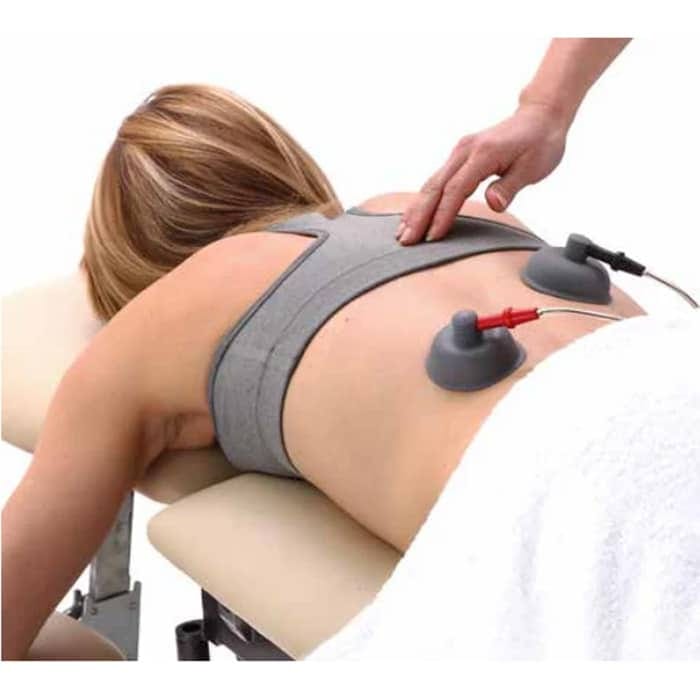
Yes. Vacuum electrodes are commonly used in 4-pole IFC setups where four suction cups are applied in a crisscross pattern to create an interferential field within the targeted tissue.
How many vacuum electrodes are required for treatment?
A minimum of two electrodes is required to complete an electrical circuit. Four electrodes are typically used for interferential current therapy.
Do these electrodes work without compressed sponges?
No. Vacuum electrode cups require compatible conductive sponges. The sponge distributes current evenly and protects the skin from concentrated current density.
What happens if the sponge is too dry?
A dry sponge can increase skin resistance and cause discomfort or uneven stimulation. Sponges should be properly moistened before each treatment session.
What size vacuum electrode should be used for large muscle groups?
Larger electrodes (such as 90 mm) are recommended for quadriceps, hamstrings, gluteal muscles, and lumbar regions to distribute current over a broader surface area.
When should a 30 mm electrode be selected?
A 30 mm electrode is ideal for small joints and localized treatment areas such as the wrist, elbow, ankle, or cervical spine.
Does electrode size affect current density?
Yes. Smaller electrodes concentrate current density over a smaller area, while larger electrodes disperse current more broadly. Proper size selection improves comfort and treatment precision.
Are CMP vacuum electrodes compatible with all electrotherapy units?
They are compatible with professional electrotherapy systems that include a vacuum suction port. They are not compatible with portable leadwire-only TENS or EMS units.
Can vacuum electrodes be disinfected between patients?
Yes. The plastic cup housing can be cleaned and disinfected according to clinic infection control protocols. Sponges should be cleaned, disinfected, or replaced per manufacturer guidelines.
How long do vacuum suction electrodes last?
With proper care, vacuum cups are designed for long-term reuse in clinical environments. Sponges will require more frequent replacement depending on usage.
What vacuum pressure is typically used in electrotherapy?
Vacuum pressure settings vary by device but are adjusted to provide secure contact without causing skin trauma. The goal is firm adhesion with patient comfort.
Can vacuum electrodes be used for muscle re-education (NMES)?
Yes. When connected to compatible NMES or EMS systems with vacuum capability, these electrodes can be used for muscle re-education and strengthening protocols.
Why do clinics prefer vacuum electrode systems?
Clinics prefer vacuum systems because they allow rapid electrode placement, reusable components, consistent suction contact, and reduced recurring adhesive pad costs.
What are common contraindications for vacuum electrotherapy?
Contraindications follow general electrotherapy guidelines, including pacemakers, active malignancy in treatment area, thrombosis, or impaired sensation. Always follow clinical protocols.
Can vacuum electrodes improve workflow efficiency in a clinic?
Yes. Because they eliminate repeated adhesive application and removal, vacuum systems can speed up setup and improve patient throughput.
Are vacuum electrodes suitable for high-frequency IFC protocols?
Yes. Vacuum electrodes are commonly used for interferential therapy where stable 4-pole placement is required.
Do vacuum electrodes reduce long-term clinic supply costs?
Yes. While the initial investment is higher than disposable pads, reusable cups and replaceable sponges reduce long-term consumable costs.
| Weight | 45 g |
|---|---|
| Dimensions | 19 × 12 × 0.5 cm |
| Size | Large (90mm), Medium (60mm), Small (30mm) |
| Availability |
Now available in-store at 22635 Komoka Road Komoka N0L1R0 Powered With Oliver Pos |
|---|
What are vacuum suction electrodes used for in electrotherapy?
Vacuum suction electrodes are used with electrotherapy devices that feature a vacuum pump system. They secure electrode cups to the skin using negative pressure while delivering IFC, TENS, or EMS stimulation through conductive sponges.
How do vacuum electrodes differ from adhesive snap electrodes?
Vacuum electrodes use suction and reusable sponges for conductivity, while snap electrodes rely on adhesive gel pads. Vacuum systems are preferred in clinical settings for faster application, reusable design, adjustable placement, and cost efficiency over time.
Can vacuum suction electrodes be used for interferential therapy (IFC)?
Yes. Vacuum electrodes are commonly used in 4-pole IFC setups where four suction cups are applied in a crisscross pattern to create an interferential field within the targeted tissue.
How many vacuum electrodes are required for treatment?
A minimum of two electrodes is required to complete an electrical circuit. Four electrodes are typically used for interferential current therapy.
Do these electrodes work without compressed sponges?
No. Vacuum electrode cups require compatible conductive sponges. The sponge distributes current evenly and protects the skin from concentrated current density.
What happens if the sponge is too dry?
A dry sponge can increase skin resistance and cause discomfort or uneven stimulation. Sponges should be properly moistened before each treatment session.
What size vacuum electrode should be used for large muscle groups?
Larger electrodes (such as 90 mm) are recommended for quadriceps, hamstrings, gluteal muscles, and lumbar regions to distribute current over a broader surface area.
When should a 30 mm electrode be selected?
A 30 mm electrode is ideal for small joints and localized treatment areas such as the wrist, elbow, ankle, or cervical spine.
Does electrode size affect current density?
Yes. Smaller electrodes concentrate current density over a smaller area, while larger electrodes disperse current more broadly. Proper size selection improves comfort and treatment precision.
Are CMP vacuum electrodes compatible with all electrotherapy units?
They are compatible with professional electrotherapy systems that include a vacuum suction port. They are not compatible with portable leadwire-only TENS or EMS units.
Can vacuum electrodes be disinfected between patients?
Yes. The plastic cup housing can be cleaned and disinfected according to clinic infection control protocols. Sponges should be cleaned, disinfected, or replaced per manufacturer guidelines.
How long do vacuum suction electrodes last?
With proper care, vacuum cups are designed for long-term reuse in clinical environments. Sponges will require more frequent replacement depending on usage.
What vacuum pressure is typically used in electrotherapy?
Vacuum pressure settings vary by device but are adjusted to provide secure contact without causing skin trauma. The goal is firm adhesion with patient comfort.
Can vacuum electrodes be used for muscle re-education (NMES)?
Yes. When connected to compatible NMES or EMS systems with vacuum capability, these electrodes can be used for muscle re-education and strengthening protocols.
Why do clinics prefer vacuum electrode systems?
Clinics prefer vacuum systems because they allow rapid electrode placement, reusable components, consistent suction contact, and reduced recurring adhesive pad costs.
What are common contraindications for vacuum electrotherapy?
Contraindications follow general electrotherapy guidelines, including pacemakers, active malignancy in treatment area, thrombosis, or impaired sensation. Always follow clinical protocols.
Can vacuum electrodes improve workflow efficiency in a clinic?
Yes. Because they eliminate repeated adhesive application and removal, vacuum systems can speed up setup and improve patient throughput.
Are vacuum electrodes suitable for high-frequency IFC protocols?
Yes. Vacuum electrodes are commonly used for interferential therapy where stable 4-pole placement is required.
Do vacuum electrodes reduce long-term clinic supply costs?
Yes. While the initial investment is higher than disposable pads, reusable cups and replaceable sponges reduce long-term consumable costs.
You may also like…
CMP ProCarbon IFC Carbon Silicone Electrodes
In Stock
Price range: $23.95 through $32.95
CMP Vacuum Compressed Sponges
In Stock
Price range: $17.95 through $51.95
Related products

 SUPPORT SMALL CANADIAN BUSINESS