



WristWidget® TFCC Wrist Brace
Original price was: $39.95.$31.96Current price is: $31.96.


Manufacturer Warranty
WristWidget® Manufacturer Lifetime Guarantee
The WristWidget® is backed by the manufacturer’s lifetime guarantee against defects in materials or workmanship.
If you receive a defective WristWidget® or experience a manufacturing-related issue, please contact us with your order number and clear photos of the concern. We will review the issue and help determine whether the item is eligible for replacement under the manufacturer’s warranty.
Warranty coverage does not apply to normal wear and tear, misuse, improper care, accidental damage, loss, or sizing/fit issues after use. Please follow the manufacturer’s care instructions and choose the correct size before wearing.
CloseReturn Policy
30-Day Return Window. Returns are accepted within 30 days of delivery for items that have been opened or tried on, provided they remain in resellable condition.
To qualify for a refund, items must be returned clean, complete, and in like-new condition with all original components, instructions, and product/identification labels intact. Please pack returns securely (ideally in a secondary shipping box) to prevent damage in transit.
Restocking fees may apply. If an item is returned used, damaged, missing packaging/instructions, or not in resellable condition, a restocking fee of up to 25% may be deducted from the refund.
International orders are final sale. Orders shipped outside of Canada are not eligible for return or exchange.
For full details and return instructions, please review our Return & Exchange Policy.

WristWidget® TFCC Wrist Brace
The WristWidget® is a slim, activity-friendly wrist support designed for people with pain on the pinky side of the wrist, often called ulnar-sided wrist pain. This type of pain is commonly associated with irritation or injury to the triangular fibrocartilage complex, better known as the TFCC.
Unlike a bulky wrist brace that limits the whole wrist and hand, the WristWidget® is designed to support the radius and ulna while allowing normal hand, thumb and finger movement. That makes it a practical option for daily use, work, sport, exercise and hand therapy programs when a clinician has recommended TFCC support.
What Is the WristWidget® Used For?
The WristWidget® is commonly used when pain is felt on the outside or pinky side of the wrist, especially during gripping, twisting or weight-bearing movements. This may include pain with push-ups, planks, yoga poses, racquet sports, weight training, turning a doorknob, opening jars, using tools or pushing up from a chair.
Which WristWidget® Size Should I Choose?
| Variant | Wrist Circumference | Best Choice For | Why Choose It? |
|---|---|---|---|
| XS / Mini | Under 14 cm | Smaller wrists, petite wrists, youth, or adults at the very small end of the size range | Choose XS if the Regular version feels loose, has too much strap overlap, or does not sit securely. |
| Regular | 14–22 cm | Most adults | Choose Regular if your wrist measurement falls in the standard range. This is the most common size. |
| Wide | Over 22 cm | Larger wrists | Choose Wide if the Regular version feels too tight or does not provide enough strap length. |
Why People Choose the WristWidget®
- Designed for TFCC-style ulnar-sided wrist pain
- Supports the radius and ulna without covering the palm
- Leaves the thumb and fingers free for normal hand use
- Can be worn on the left or right wrist
- Low-profile design for daily activities, sport and exercise
- Can be worn in water
- Latex-free and rubber-free design
- Reusable and easy to hand wash
How the WristWidget® Works
The TFCC helps stabilize the wrist on the ulnar, or pinky-finger, side. When this area is irritated or injured, many people notice pain with gripping, twisting, loading the wrist or bearing weight through the hand.
The WristWidget® is designed to bring supportive compression around the distal radius and ulna while leaving the wrist joint free to move. This is different from a traditional wrist brace that immobilizes more of the wrist and hand. For many people, that lower-profile design makes it easier to wear during normal daily activities.
Common Signs of TFCC-Style Wrist Pain
- Pain on the pinky side of the wrist
- Pain with gripping, twisting or rotating the forearm
- Pain during push-ups, planks, yoga or weight-bearing through the hand
- Clicking, catching or a feeling of wrist instability
- Weakness when lifting, carrying, opening jars or using tools
- Symptoms after a fall, sport injury, repetitive tool use or heavy wrist loading
Weight-Bearing Test for TFCC-Style Wrist Pain
WristWidget® provides educational resources on a weight-bearing test that compares how much pressure each wrist can tolerate. This can help people better understand whether their symptoms behave like a TFCC-related wrist problem. It should be used as a screening tool only, not as a final diagnosis.
How to Wear the WristWidget®
The WristWidget® is worn around the wrist, not around the hand or thumb. It should sit close to the wrist crease and feel snug enough to provide support without causing numbness, tingling, pinching or colour change in the hand.
- Slide the brace over the affected wrist.
- Position it around the wrist crease, not high up the forearm.
- Tighten the straps evenly until supportive but comfortable.
- Retest your painful activity gently to see whether support improves tolerance.
- Loosen or remove the brace if you notice numbness, tingling or increased pain.
Can I Wear It for Sports, Work or Exercise?
Many people choose the WristWidget® because it provides support while keeping the hand free. It may be useful during lower-risk daily tasks, work tasks, gym activity or sport when your healthcare provider has cleared you to continue activity.
Product Features
| Product | WristWidget® TFCC Wrist Brace |
|---|---|
| Available sizes | XS / Mini, Regular, Wide |
| Colour | Black |
| Fits | Left or right wrist |
| Common use | TFCC-style ulnar-sided wrist pain, wrist instability, pain with gripping, twisting or weight-bearing |
| Regular size range | 14–22 cm wrist circumference |
| XS size range | Under 14 cm wrist circumference |
| Wide size range | Over 22 cm wrist circumference |
| Care | Hand wash only. Do not machine wash or tumble dry. |
Why Buy WristWidget® from The Physio Store?
Canadian Availability and Support
The Physio Store carries WristWidget® in Canada with all 3 black size options available on one product page. Our team can help customers choose between XS, Regular and Wide so they are not forced into a one-size choice that may not fit properly.
Frequently Asked Questions
What is the WristWidget® used for?
The WristWidget® is used to support the wrist when pain is located on the pinky side of the wrist, often called ulnar-sided wrist pain. It is commonly used for TFCC-style wrist pain, wrist clicking, pain with gripping, twisting, push-ups, planks, yoga, racquet sports, weight training and other activities that load the wrist.
What is a TFCC injury?
A TFCC injury involves the triangular fibrocartilage complex, a group of soft tissue structures on the pinky side of the wrist. The TFCC helps stabilize the wrist, especially during gripping, twisting and weight-bearing. When irritated or injured, it can cause ulnar-sided wrist pain, clicking, weakness or a feeling of instability.
Which WristWidget® size should I choose?
Choose XS / Mini if your wrist measures under 14 cm, Regular if your wrist measures 14–22 cm, and Wide if your wrist measures over 22 cm. Measure around the wrist where the brace will sit, just above the wrist crease. A proper fit should feel secure without digging in, slipping or causing numbness.
What is the difference between WristWidget® XS, Regular and Wide?
The main difference is wrist circumference. XS is made for smaller wrists under 14 cm, Regular fits most adults from 14–22 cm, and Wide is made for larger wrists over 22 cm. The goal is to choose the version that gives secure support without being too loose or too tight.
Can the WristWidget® be worn on either wrist?
Yes. The WristWidget® can be worn on the left or right wrist. It is not side-specific, so you simply choose the correct size for your wrist circumference.
Does the WristWidget® immobilize the wrist?
No. The WristWidget® is different from a bulky immobilizing wrist brace. It is designed to support the radius and ulna while allowing the hand, thumb and fingers to move. This makes it easier to use during many daily tasks compared with a full wrist splint.
Can I wear the WristWidget® during exercise or sport?
Many people wear the WristWidget® during activity because it is low profile and does not cover the palm or thumb. However, exercise should be guided by your pain level and your healthcare provider’s advice. Avoid pushing through sharp pain, worsening symptoms or painful weight-bearing before you are ready.
Can I wear the WristWidget® in water?
Yes. The WristWidget® can be worn in water. After use in water, allow it to dry properly before prolonged wear. Hand washing is recommended; do not put it in the washer or dryer.
How tight should the WristWidget® be?
The WristWidget® should feel snug and supportive, but not so tight that it causes numbness, tingling, colour change, throbbing or increased pain. If any of these symptoms occur, loosen or remove the brace.
Can the WristWidget® help a TFCC tear heal without surgery?
Some TFCC injuries can improve with conservative treatment such as activity modification, proper support, therapy guidance and time. The WristWidget® is designed to support the wrist during this process, but it should not be viewed as a guaranteed substitute for medical care. Persistent, severe or worsening symptoms should be assessed by a qualified healthcare professional.
Is the WristWidget® good for wrist pain from push-ups or yoga?
It may help if the pain is coming from TFCC-style ulnar-sided wrist irritation, especially when weight-bearing through the wrist triggers symptoms. If pain continues during push-ups, planks or yoga even with support, reduce or stop those activities and seek clinical guidance.
What if my wrist pain is not from a TFCC injury?
The WristWidget® is designed for TFCC-style wrist support. Wrist pain can also come from tendon irritation, arthritis, sprains, fractures, nerve irritation or other causes. If your symptoms do not improve, or if the brace makes pain worse, it is best to get assessed by a healthcare professional.
| Weight | 50.00000000 g |
|---|---|
| Dimensions | 45.7 × 2.0 × 20.0 cm |
| Size | XS / Mini, Regular, Wide |
| Availability |
Now available in-store at 22635 Komoka Road Komoka N0L1R0 Powered With Oliver Pos |
|---|
6 reviews for WristWidget® TFCC Wrist Brace
| 5 star | 100% | |
| 4 star | 0% | |
| 3 star | 0% | |
| 2 star | 0% | |
| 1 star | 0% |
What is the WristWidget® used for?
The WristWidget® is used to support the wrist when pain is located on the pinky side of the wrist, often called ulnar-sided wrist pain. It is commonly used for TFCC-style wrist pain, wrist clicking, pain with gripping, twisting, push-ups, planks, yoga, racquet sports, weight training and other activities that load the wrist.
What is a TFCC injury?
A TFCC injury involves the triangular fibrocartilage complex, a group of soft tissue structures on the pinky side of the wrist. The TFCC helps stabilize the wrist, especially during gripping, twisting and weight-bearing. When irritated or injured, it can cause ulnar-sided wrist pain, clicking, weakness or a feeling of instability.
Which WristWidget® size should I choose?
Choose XS / Mini if your wrist measures under 14 cm, Regular if your wrist measures 14–22 cm, and Wide if your wrist measures over 22 cm. Measure around the wrist where the brace will sit, just above the wrist crease. A proper fit should feel secure without digging in, slipping or causing numbness.
What is the difference between WristWidget® XS, Regular and Wide?
The main difference is wrist circumference. XS is made for smaller wrists under 14 cm, Regular fits most adults from 14–22 cm, and Wide is made for larger wrists over 22 cm. The goal is to choose the version that gives secure support without being too loose or too tight.
Can the WristWidget® be worn on either wrist?
Yes. The WristWidget® can be worn on the left or right wrist. It is not side-specific, so you simply choose the correct size for your wrist circumference.
Does the WristWidget® immobilize the wrist?
No. The WristWidget® is different from a bulky immobilizing wrist brace. It is designed to support the radius and ulna while allowing the hand, thumb and fingers to move. This makes it easier to use during many daily tasks compared with a full wrist splint.
Can I wear the WristWidget® during exercise or sport?
Many people wear the WristWidget® during activity because it is low profile and does not cover the palm or thumb. However, exercise should be guided by your pain level and your healthcare provider’s advice. Avoid pushing through sharp pain, worsening symptoms or painful weight-bearing before you are ready.
Can I wear the WristWidget® in water?
Yes. The WristWidget® can be worn in water. After use in water, allow it to dry properly before prolonged wear. Hand washing is recommended; do not put it in the washer or dryer.
How tight should the WristWidget® be?
The WristWidget® should feel snug and supportive, but not so tight that it causes numbness, tingling, colour change, throbbing or increased pain. If any of these symptoms occur, loosen or remove the brace.
Can the WristWidget® help a TFCC tear heal without surgery?
Some TFCC injuries can improve with conservative treatment such as activity modification, proper support, therapy guidance and time. The WristWidget® is designed to support the wrist during this process, but it should not be viewed as a guaranteed substitute for medical care. Persistent, severe or worsening symptoms should be assessed by a qualified healthcare professional.
Is the WristWidget® good for wrist pain from push-ups or yoga?
It may help if the pain is coming from TFCC-style ulnar-sided wrist irritation, especially when weight-bearing through the wrist triggers symptoms. If pain continues during push-ups, planks or yoga even with support, reduce or stop those activities and seek clinical guidance.
What if my wrist pain is not from a TFCC injury?
The WristWidget® is designed for TFCC-style wrist support. Wrist pain can also come from tendon irritation, arthritis, sprains, fractures, nerve irritation or other causes. If your symptoms do not improve, or if the brace makes pain worse, it is best to get assessed by a healthcare professional.
You may also like…
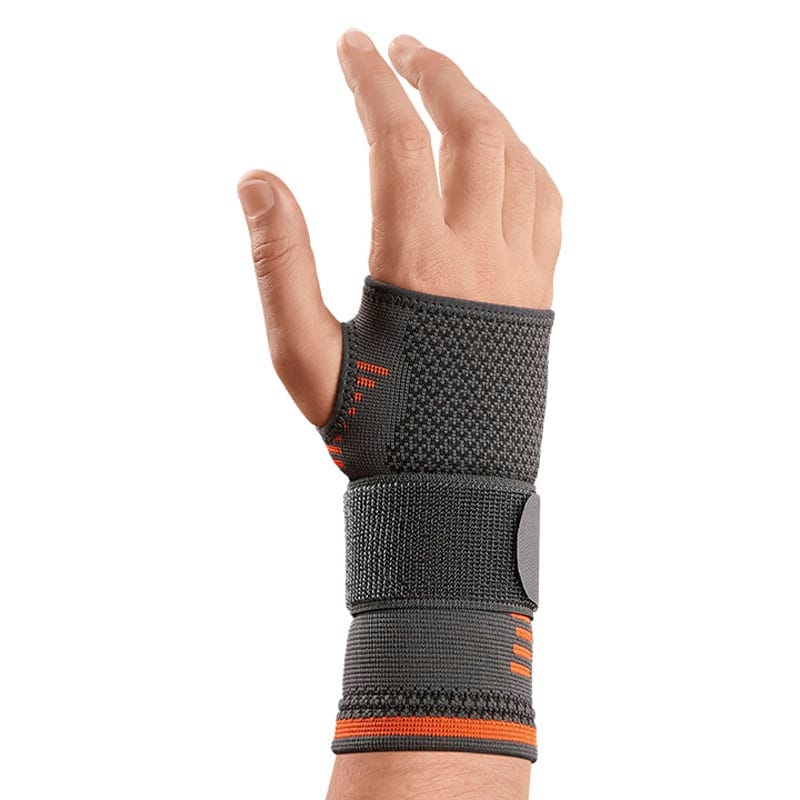
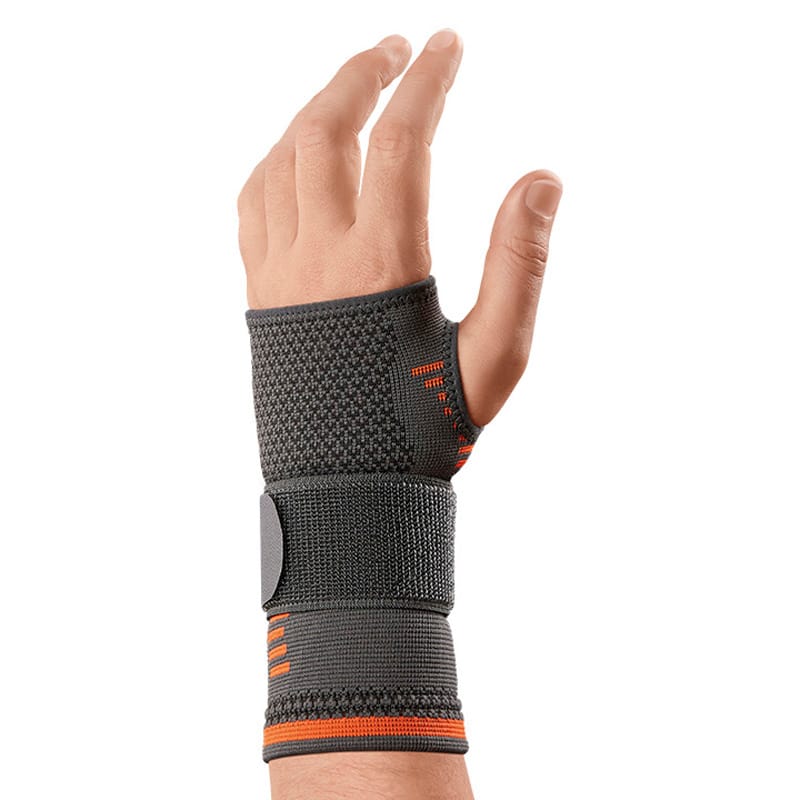
Orliman Sport Elastic Wrist Support
In Stock
Original price was: $60.16.$55.00Current price is: $55.00.
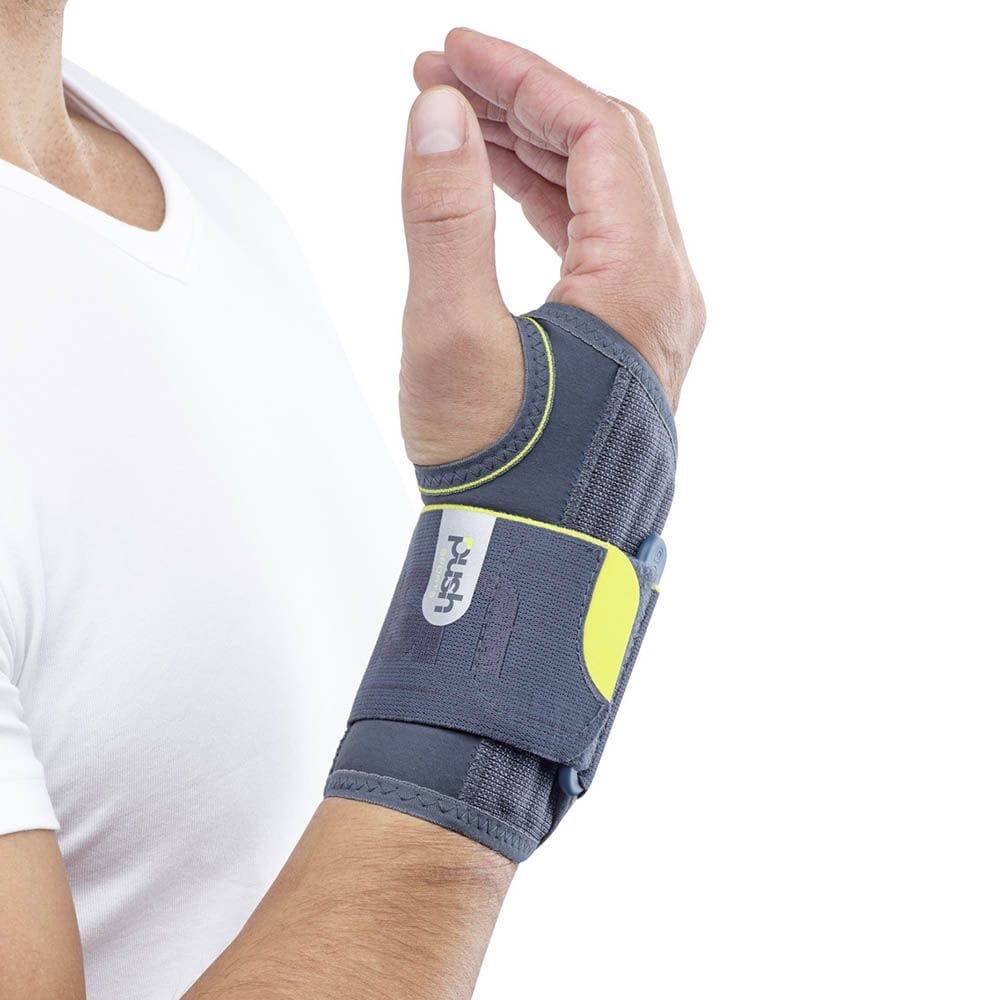
Push Sports Wrist Brace
In Stock
$80.43
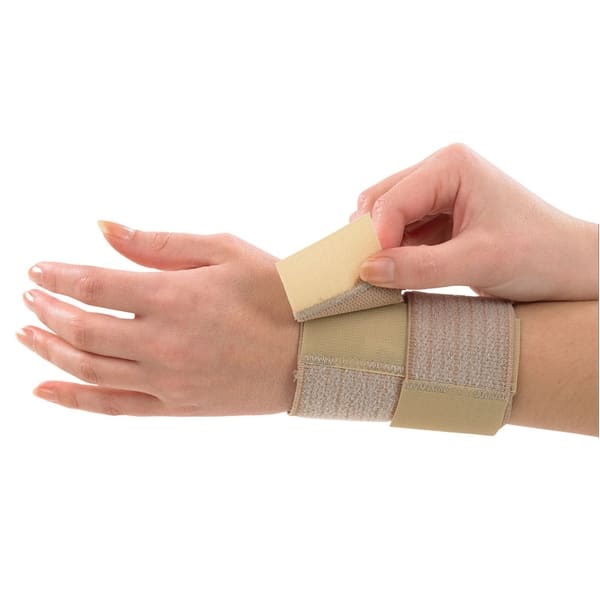
OPTP Wrist Restore Stability Wrist Support
In Stock
Price range: $41.95 through $44.95Related products
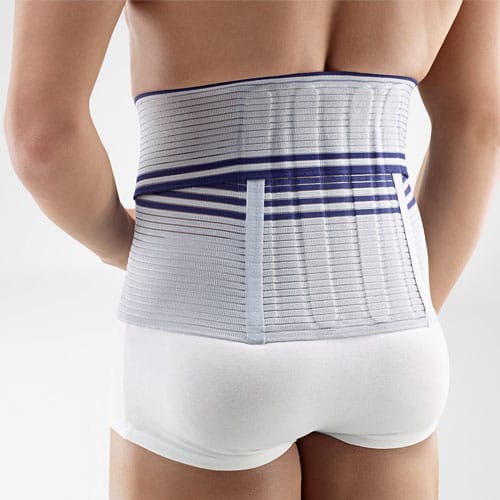
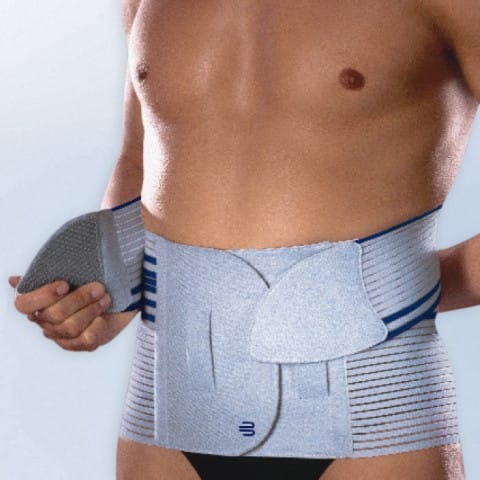
Bauerfeind LordoLoc Lower Back Brace
In Stock
$267.00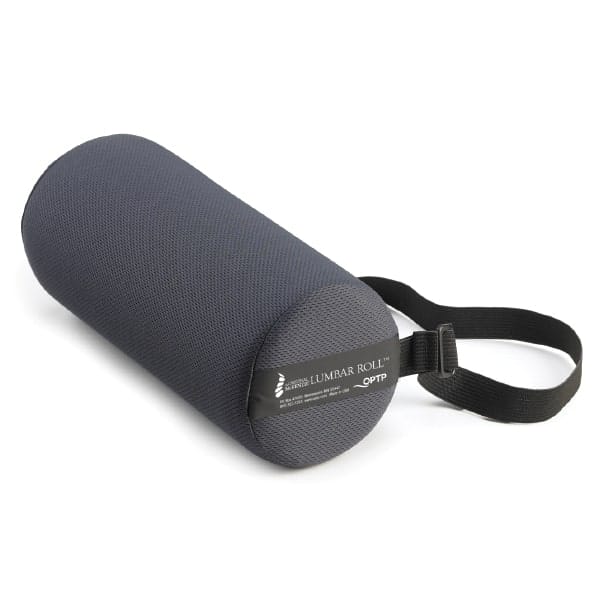
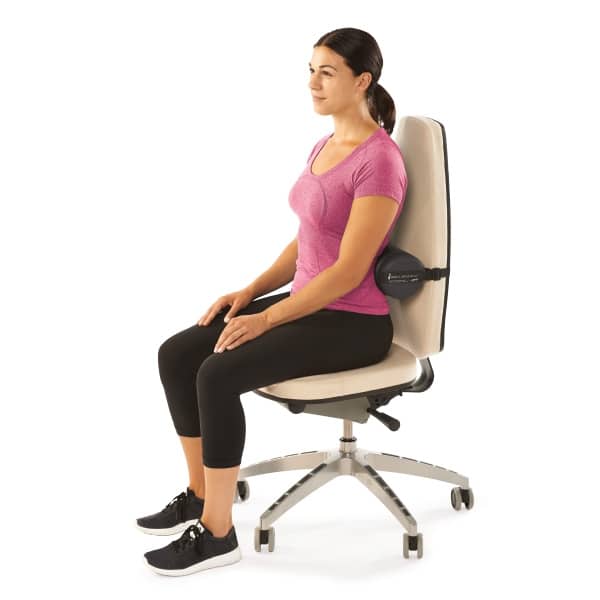
Original McKenzie Lumbar Roll – Standard Density
Available on backorder
Original price was: $43.95.$32.95Current price is: $32.95.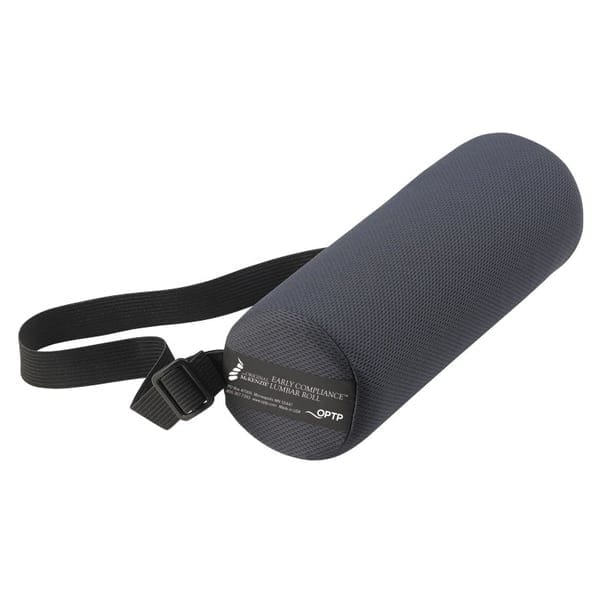
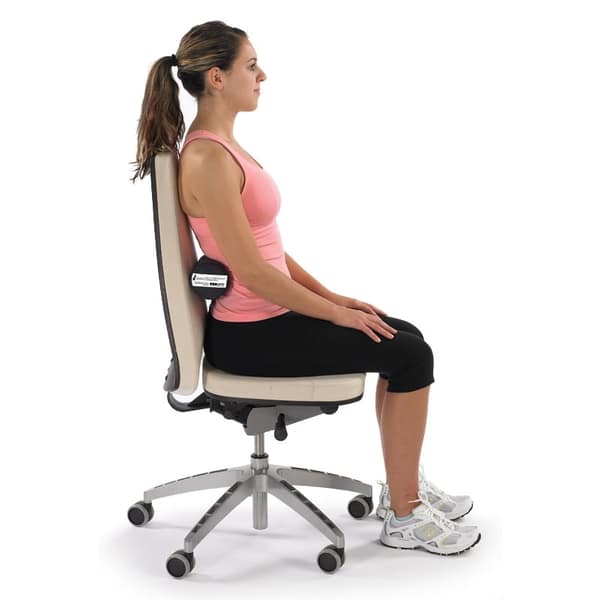
Original McKenzie Early Compliance Lumbar Roll
In Stock(25 Units)
Original price was: $39.95.$28.95Current price is: $28.95.
Original McKenzie Neck (Cervical) Roll
In Stock(15 Units)
Original price was: $37.95.$29.95Current price is: $29.95.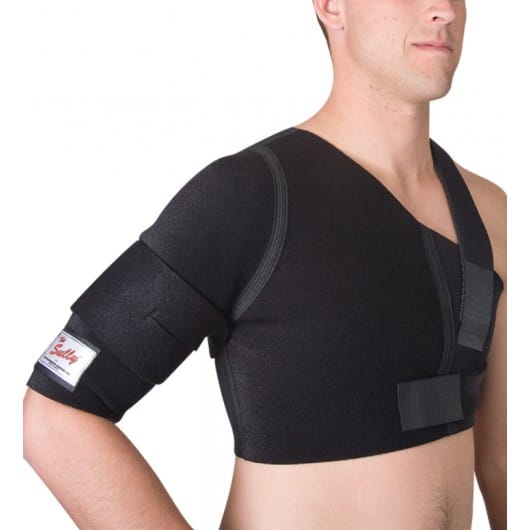
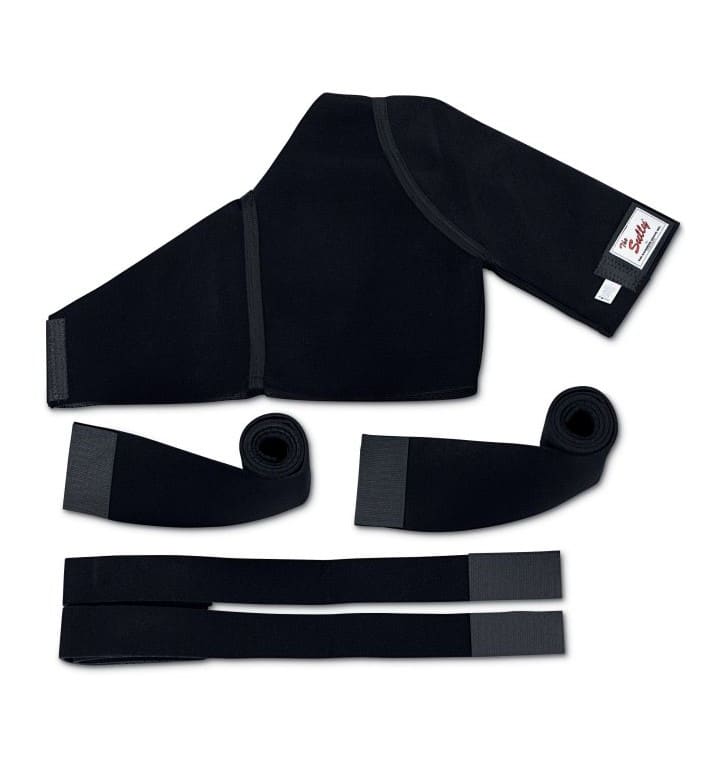
DonJoy Sully® Shoulder Stabilizer Brace
In Stock
$349.95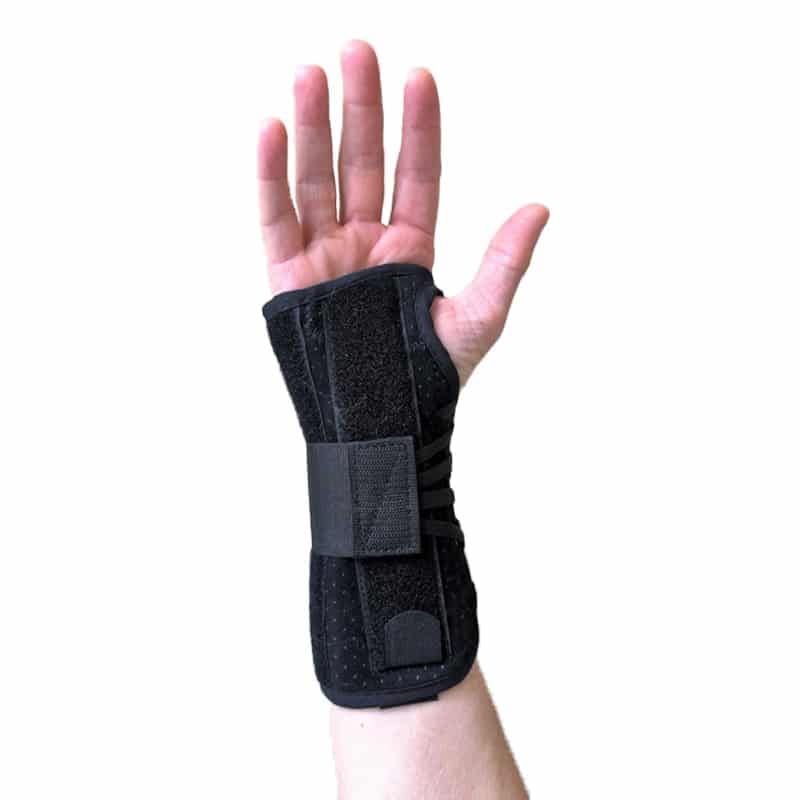
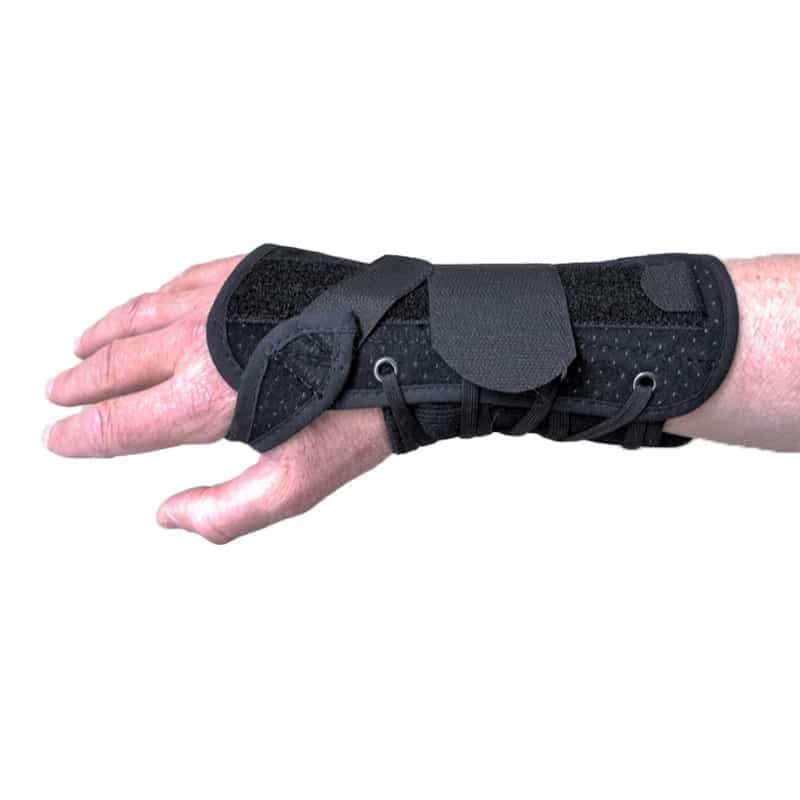
MKO 8″ Lacing Wrist Brace
In Stock
$39.99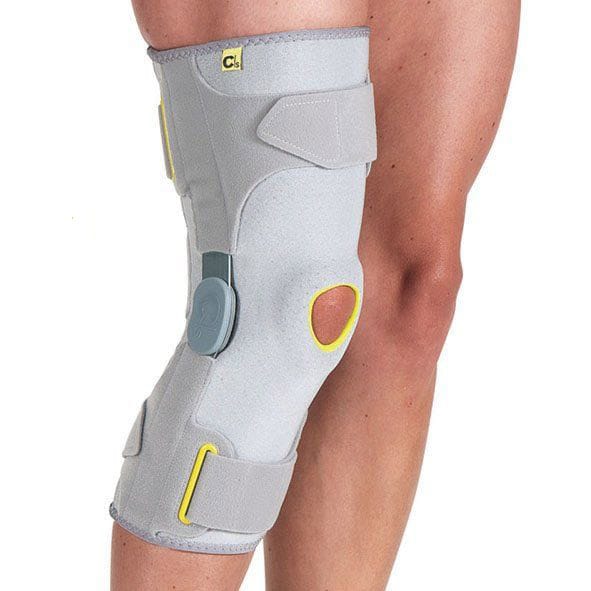
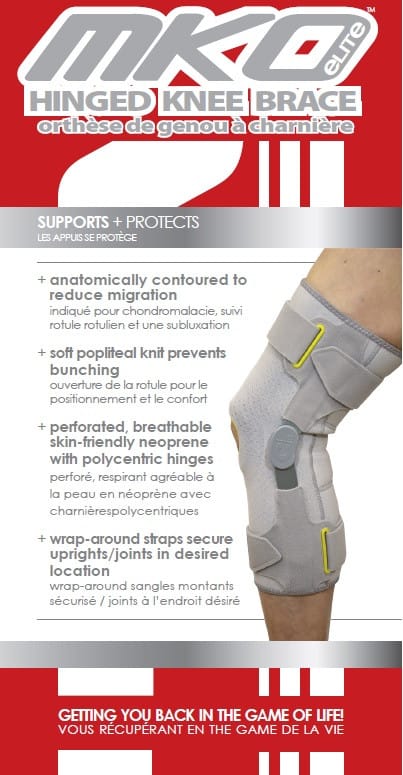
MKO Elite Hinged Knee Brace
In Stock(3 Units)
$79.95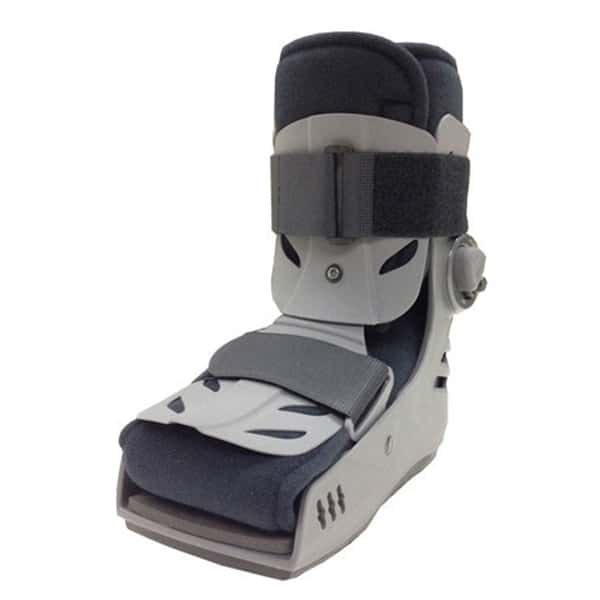
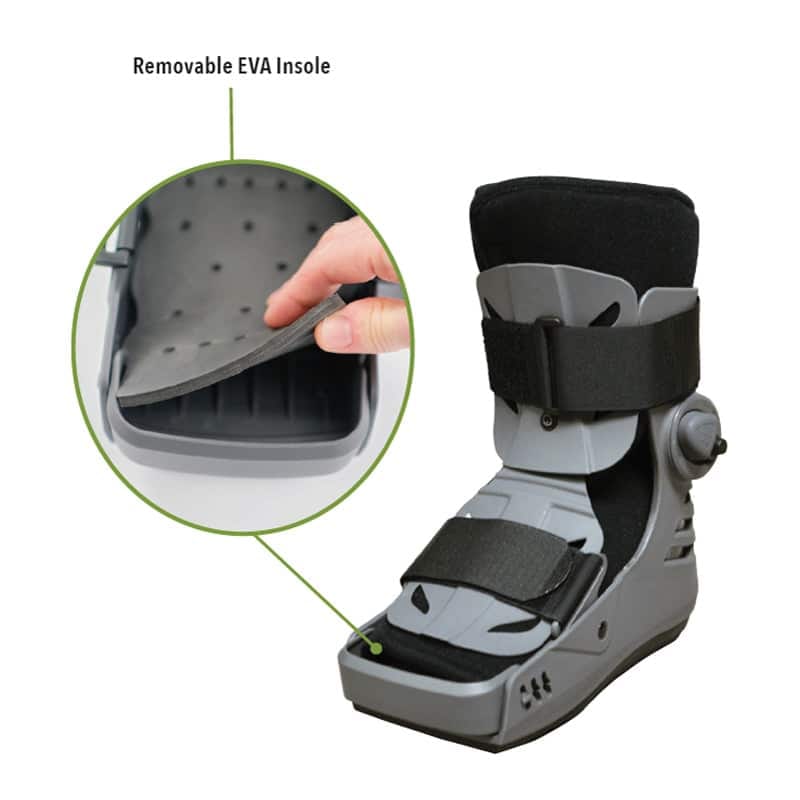
MKO Sprint Air Walker Short Walking Boot
In Stock(1 Units)
$165.95
 SUPPORT SMALL CANADIAN BUSINESS

Your service has been excellent. My patient has had difficulty since the day I fitted the wristwidget. She is at the small end for a size medium and it fit a bit looser than we wanted but important to give it a try. I have been away without internet in the interim and she has been able to get into the support group available on the packaging. The Velcro has deteriorated in just a couple weeks so that may have been the problem from the start. Manufacturing is not always perfect. Anyway a replacement is on its way. Thank you
amazing how it helps love it
This is the best wrist brace I’ve found so far! It supports my wrist enough to relieve pain and keep it stabilized, while still being comfortable and unobtrusive! Very happy with the wrist widget and glad my physiotherapist recommended it.
Seems effective, has been helping my TFCC. Packaging could have more detailed instructions. I’m aware there’s a YouTube channel, and a linked tururoial video inside the packaging. But some people will have to get this package from a post office or mail box that has to be driven to. Being able to properly fasten the widget on the drive back would be great.
Would also be nice to include resources for stretches or other treatment options somewhere. I found the wrist widget YouTube channel by searching for TFCC stretches. The channel has a lot of great resources