


Physiotherapy Treatment Tables
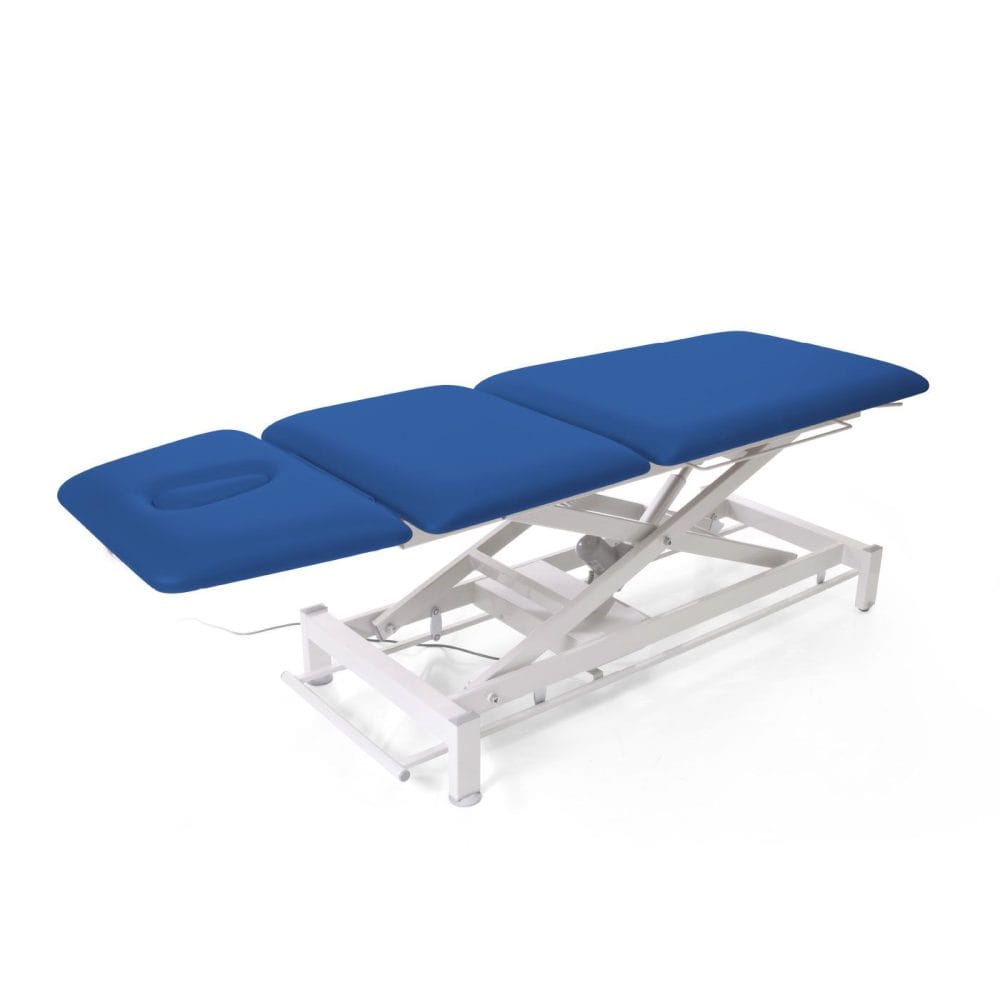
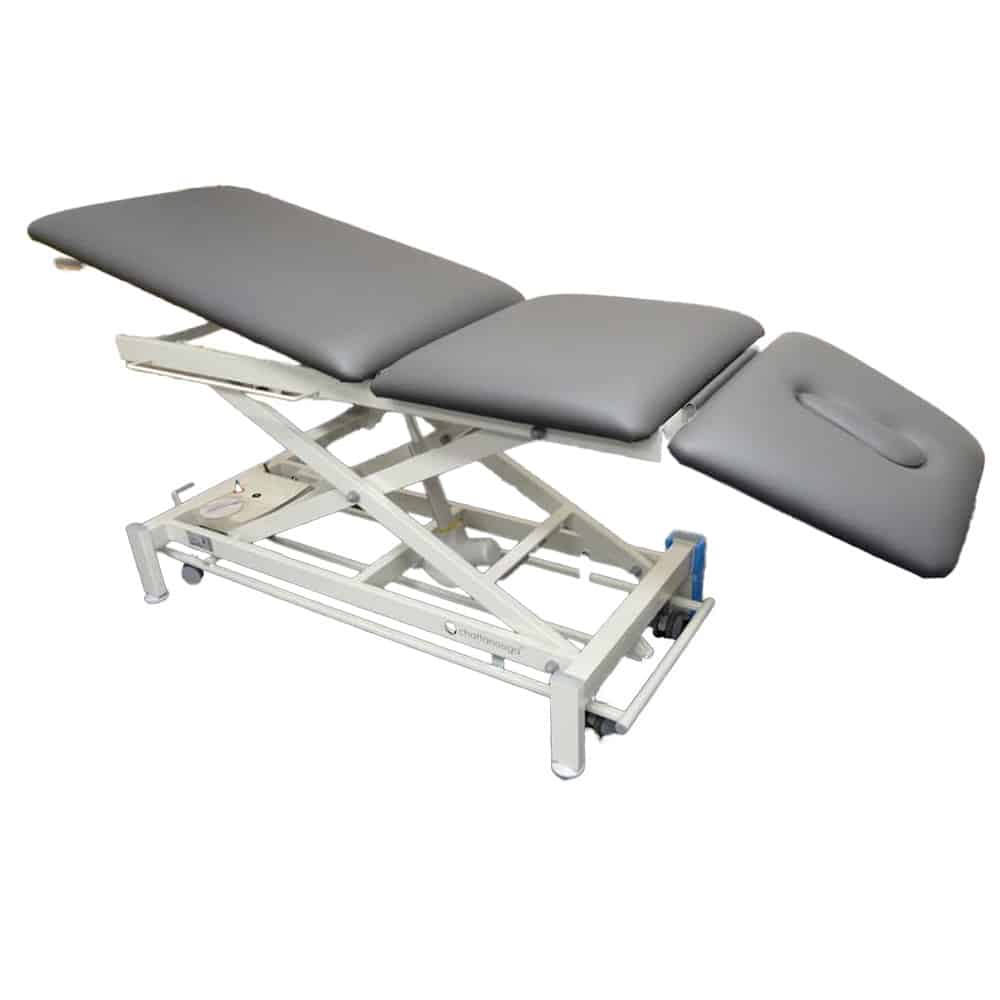
Chattanooga Galaxy 3-Section High Low Table with Wheels
Available on backorder
$3,300.00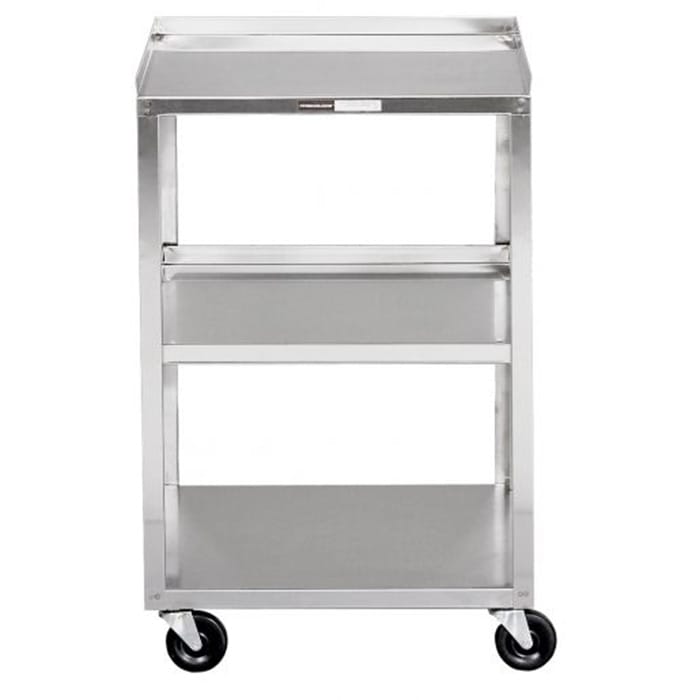
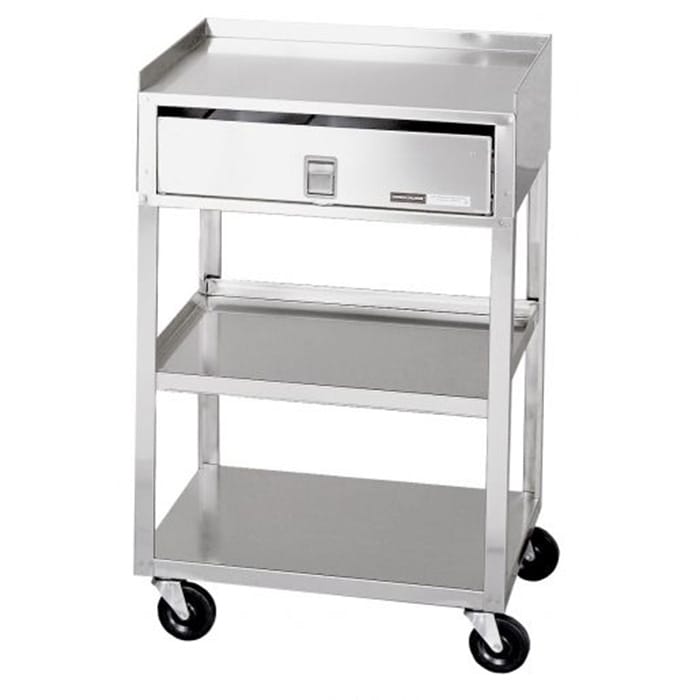


TomLand Medical Core 3 Section Electric Treatment Table
In Stock
Original price was: $2,395.95.$2,195.95Current price is: $2,195.95.Buying Physiotherapy Treatment Tables in Canada
When you’re buying a physiotherapy treatment table in Canada, consider not only features and comfort, but also durability for daily cleaning, long-term stability, and how the table supports your clinic workflow. For high-volume clinics, an electric hi-lo table can improve accessibility and speed up transfers, while multi-section designs can improve positioning for different techniques.
Related searches
Physiotherapy tables Canada, treatment tables for clinics, electric hi-lo treatment table, multi-section physio table, portable treatment table, clinic table weight capacity.
Frequently Asked Questions
What are physiotherapy treatment tables used for?
Physiotherapy treatment tables are used to support patient positioning during assessment, manual therapy, exercise therapy, massage, and rehabilitation treatments in clinical and professional healthcare settings.
What types of treatment tables are commonly used in physiotherapy clinics?
Common options include fixed-height tables, height-adjustable tables, electric hi-lo tables, hydraulic tables, and specialized tables designed for massage or rehabilitation treatments.
What is the difference between electric and hydraulic physiotherapy tables?
Electric tables use a motor to adjust height smoothly with a foot or hand control, while hydraulic tables use a pump mechanism. Electric tables are often preferred in busy clinics for speed, precision, and ease of use.
Why is height adjustability important in a treatment table?
Height adjustability helps clinicians maintain proper working posture, reduces strain during treatments, and allows safer patient transfers, especially for individuals with limited mobility.
Are physiotherapy treatment tables suitable for massage therapy and rehabilitation exercises?
Yes. Many physiotherapy treatment tables are designed to support massage therapy, manual techniques, therapeutic exercise, and patient positioning for rehabilitation programs.
What features should I look for in a physiotherapy treatment table?
Key features include weight capacity, height range, stability, padding comfort, ease of adjustment, mobility options, and durability for frequent clinical use.
Are physiotherapy treatment tables designed for heavy daily use?
Professional-grade treatment tables are built for frequent daily use in clinics, with reinforced frames, high-quality upholstery, and components designed to withstand long-term use.
Can physiotherapy treatment tables be used for patients with limited mobility?
Yes. Adjustable and low-height tables are commonly used to improve accessibility and safety for patients with mobility challenges or those requiring assisted transfers.
Do physiotherapy treatment tables sold by The Physio Store meet Canadian standards?
Yes. Physiotherapy treatment tables sold by The Physio Store are selected to meet professional clinic requirements and are suitable for use in Canadian healthcare and rehabilitation environments.
How do I choose the right physiotherapy treatment table for my clinic?
The right table depends on your clinic size, patient population, treatment style, and budget. Our team can help compare options and recommend tables that fit your workflow and space.
What is the difference between a Bobath table and a physiotherapy treatment table?
A Bobath table is a specialized type of physiotherapy treatment table designed with a wider surface and very low minimum height to support neuro-rehabilitation techniques such as Bobath or NDT therapy. Standard physiotherapy treatment tables are typically narrower and designed for general assessment, manual therapy, exercise therapy, and massage, making them suitable for a broader range of clinical treatments.
When should a clinic choose a Bobath table instead of a standard physiotherapy table?
A clinic may choose a Bobath table when treating patients who require neuro-rehabilitation, supported movement training, or assisted transfers. The wider surface and low minimum height make Bobath tables particularly useful for neurological therapy programs, pediatric rehabilitation, and patients with significant mobility challenges, while standard physiotherapy tables are typically sufficient for general outpatient and musculoskeletal care.

 SUPPORT SMALL CANADIAN BUSINESS