


Traction & Spinal Decompression
Showing all 13 results
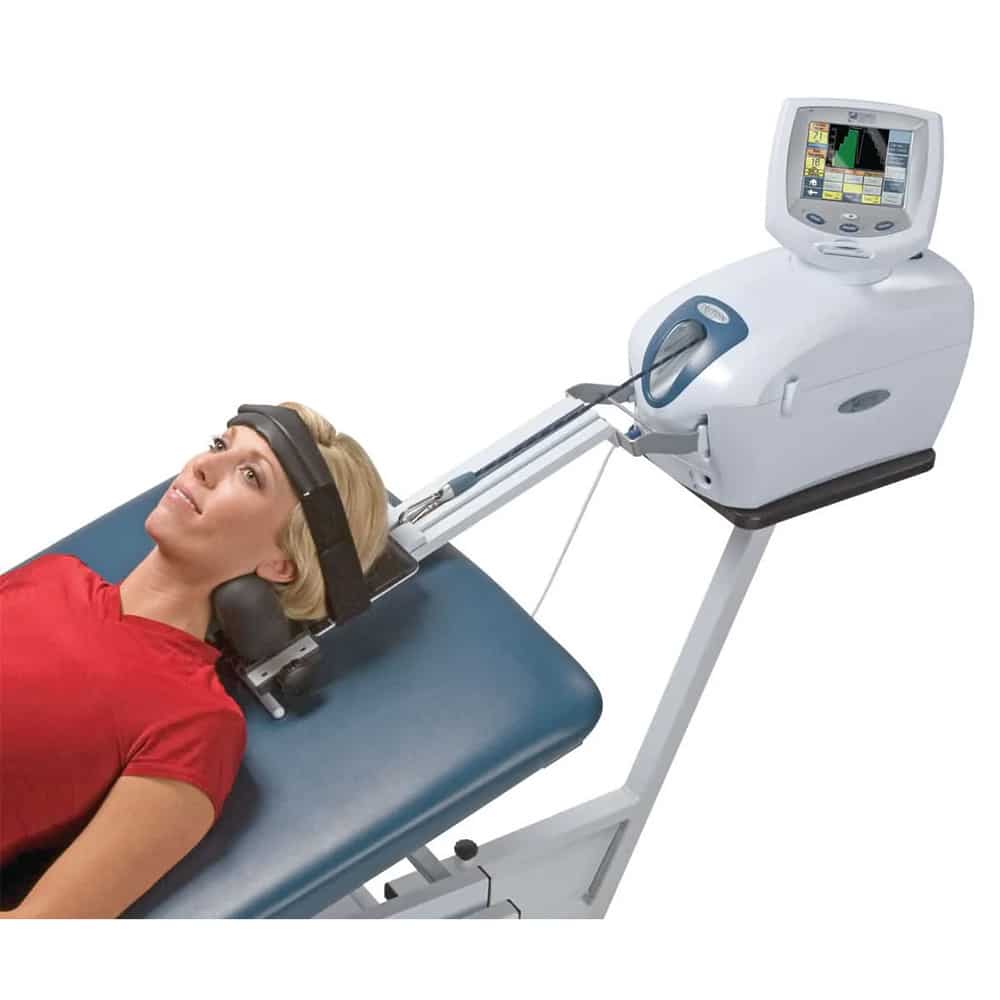
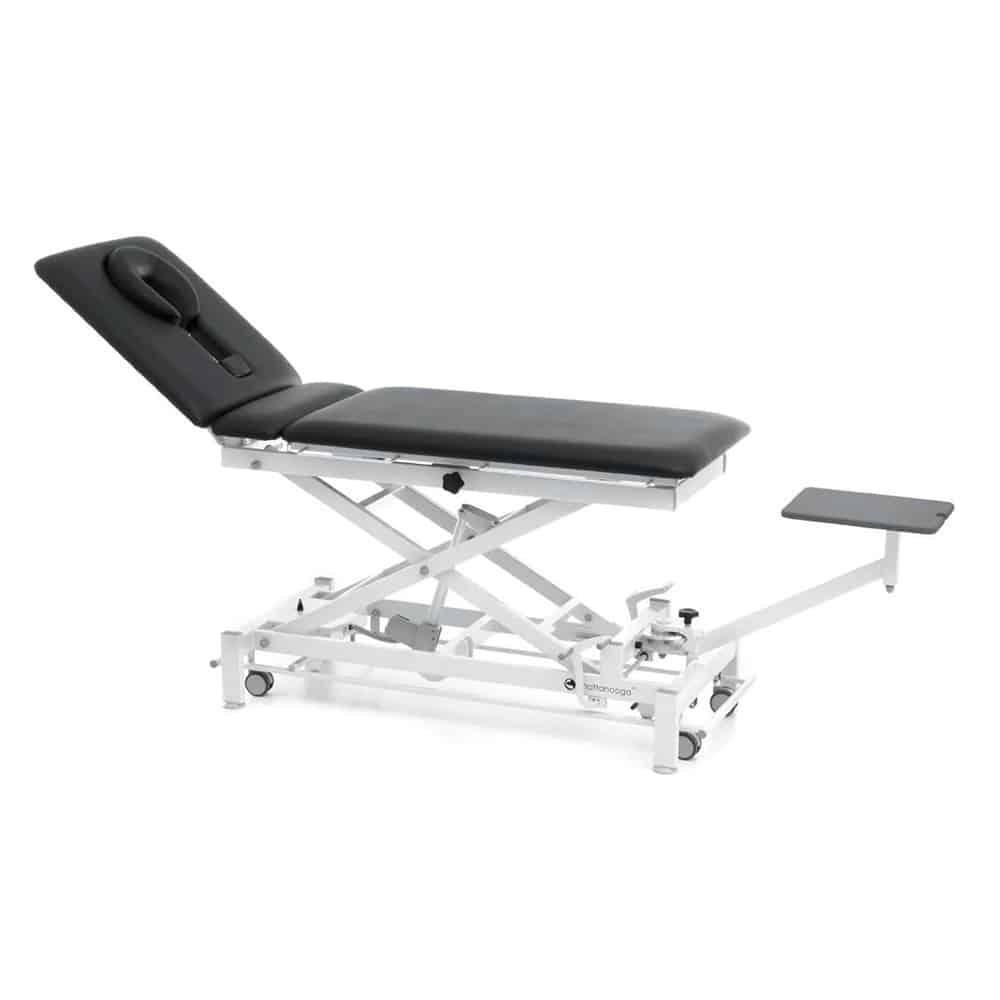
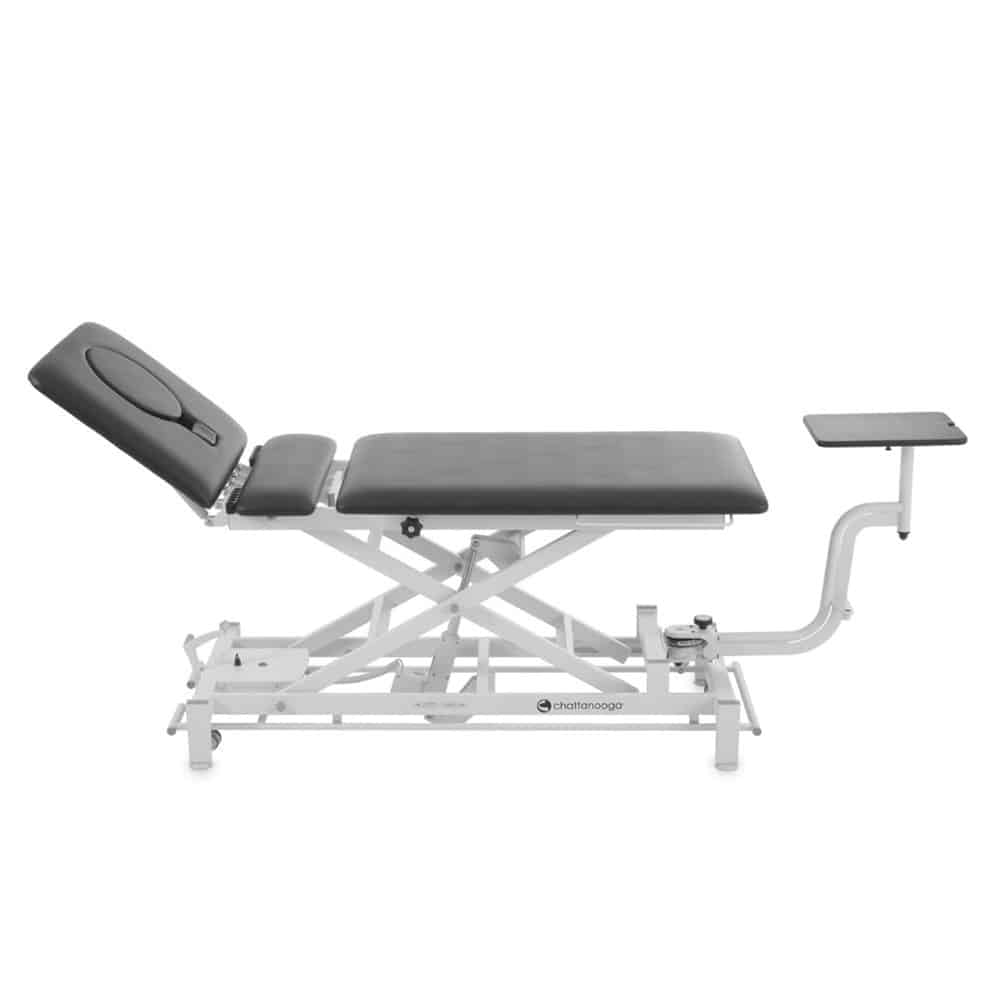
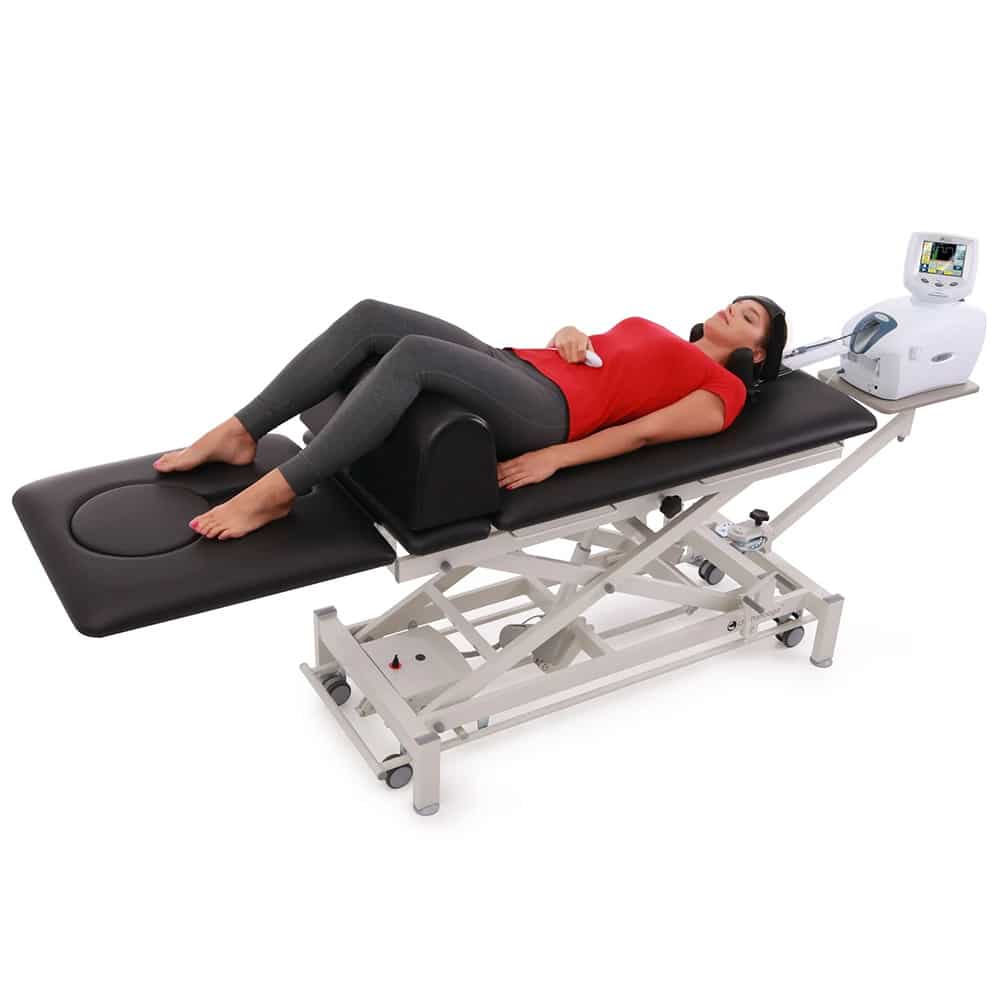
Chattanooga Galaxy TTET300 Traction Table – 3 Section
Available on backorder
$4,495.00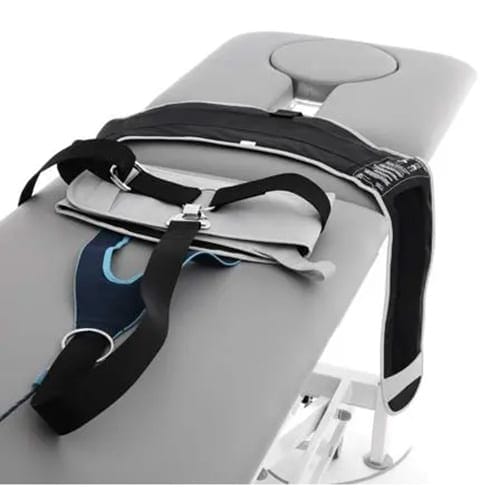
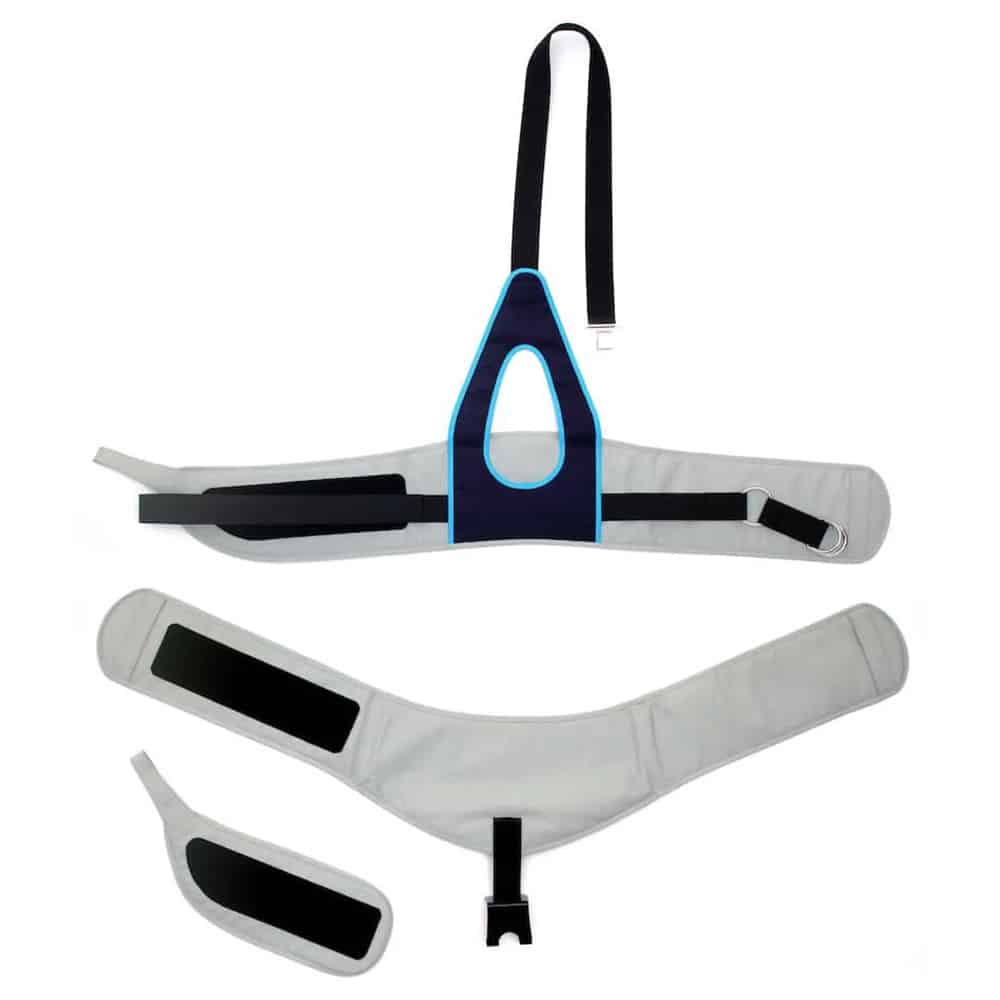
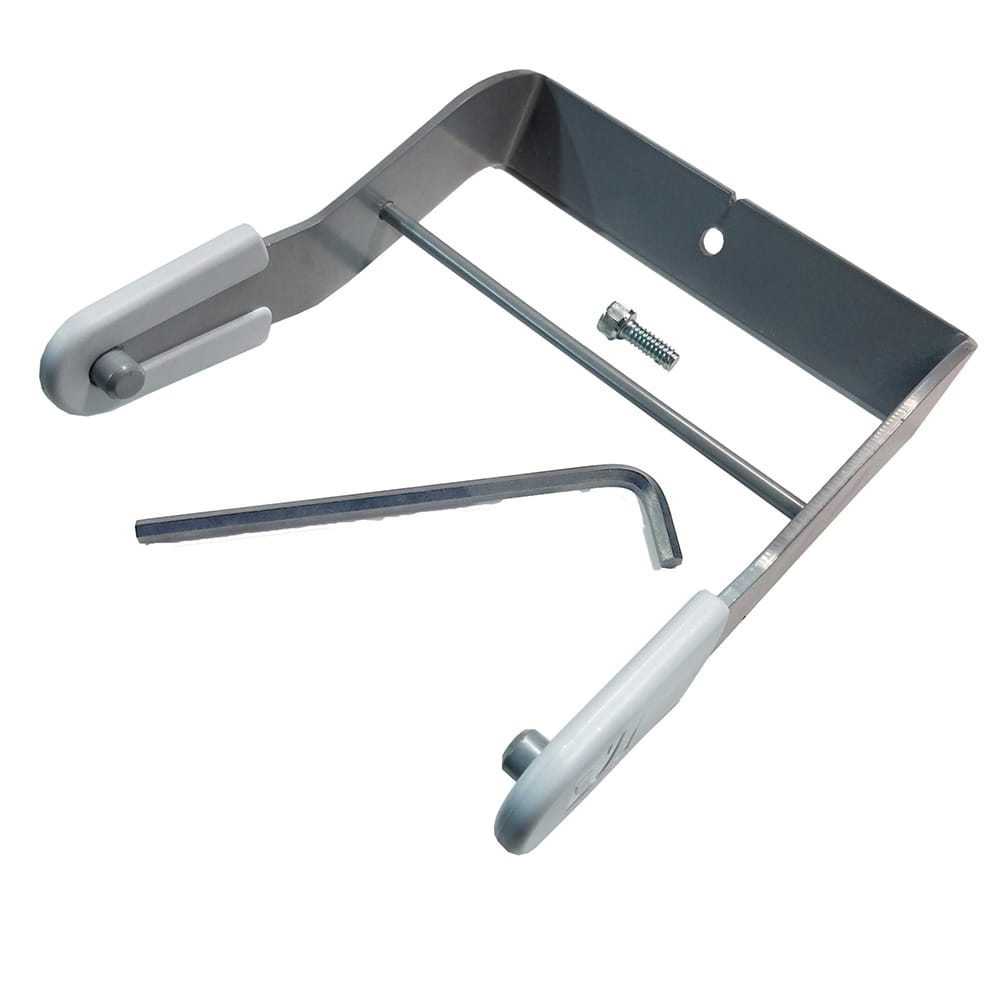
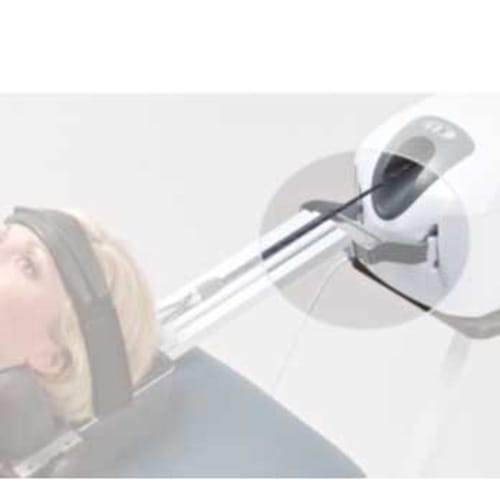
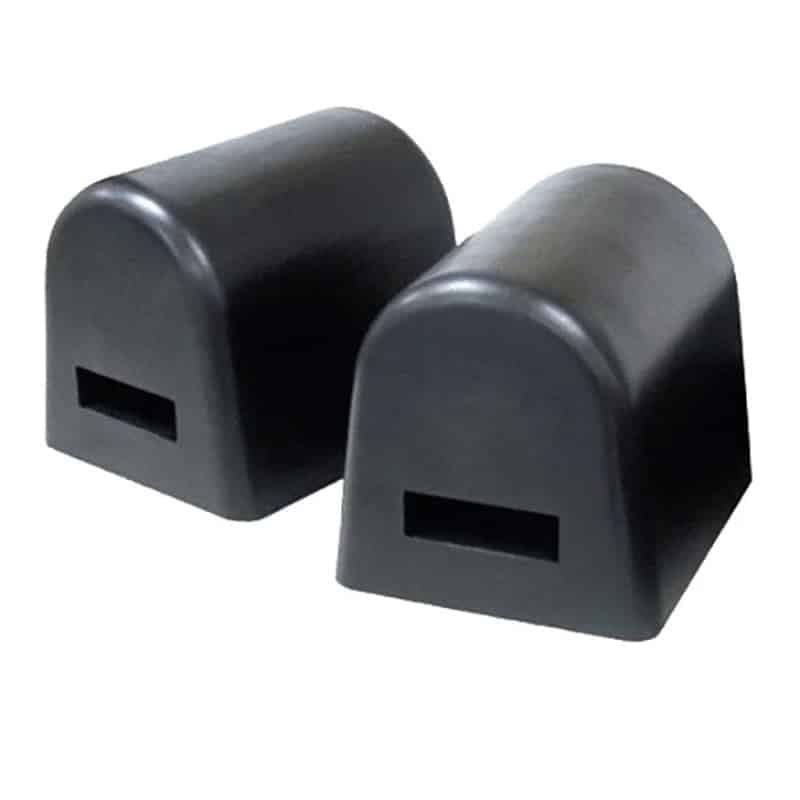
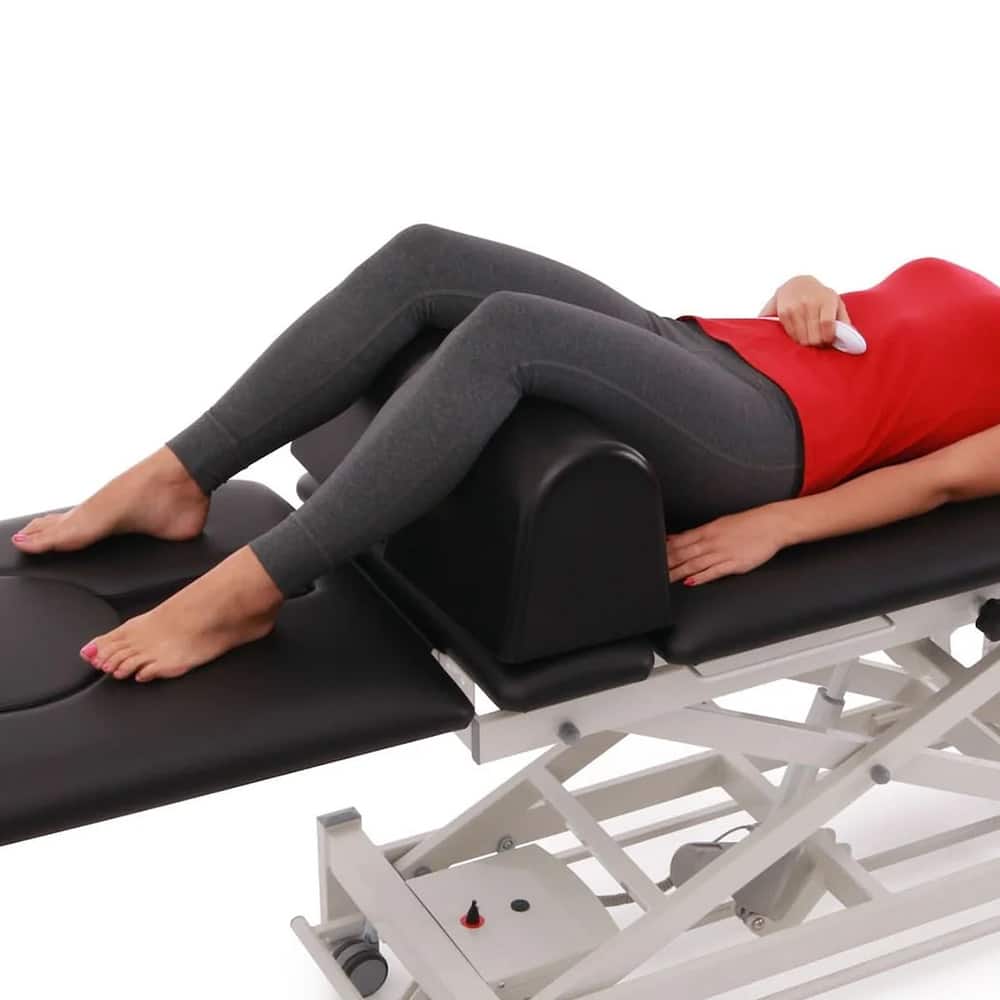
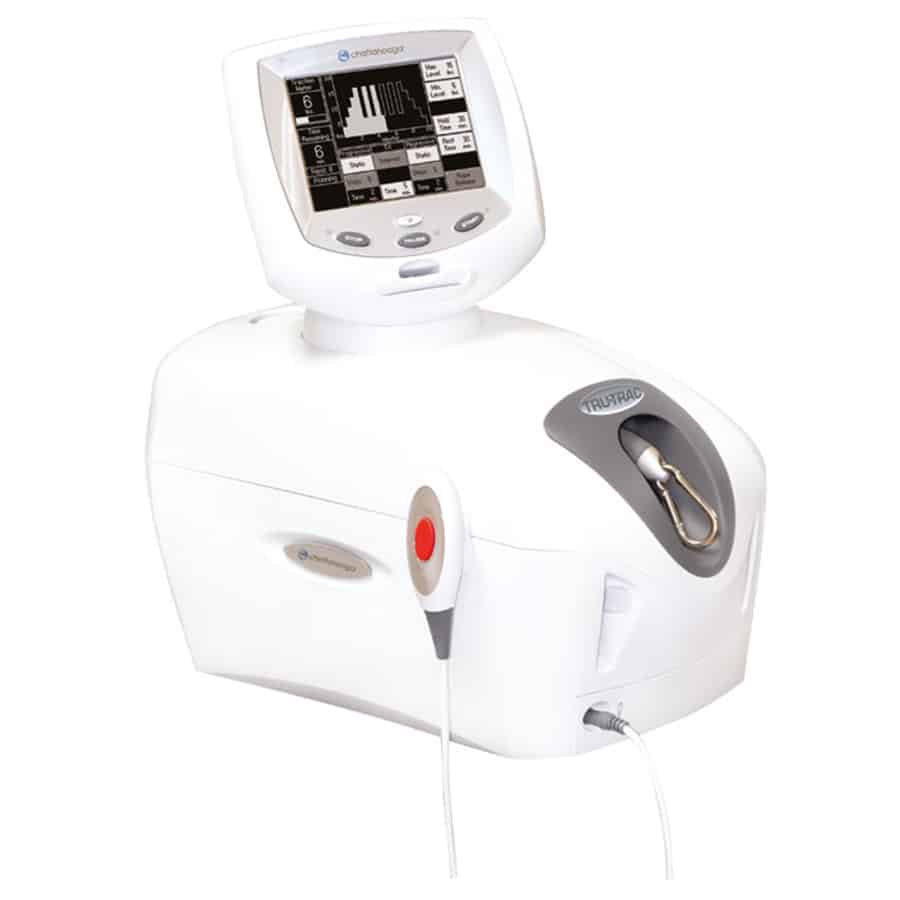
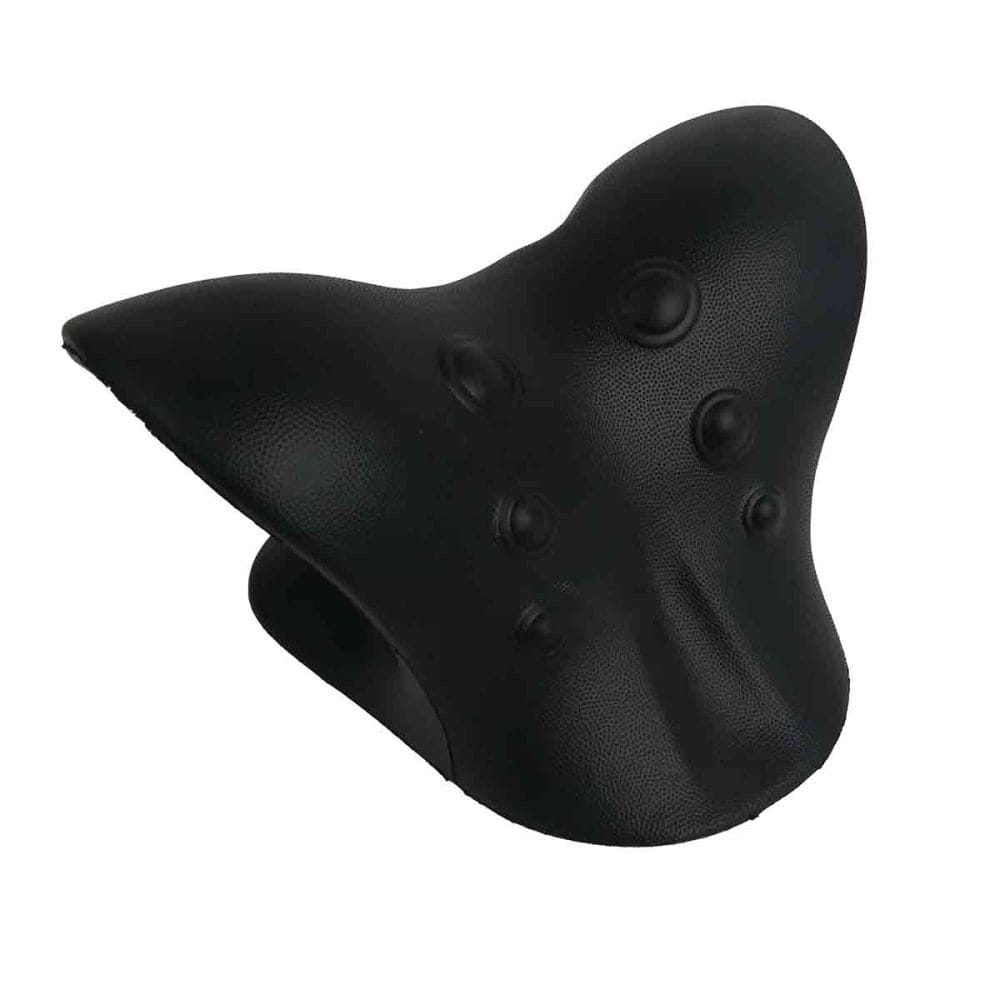
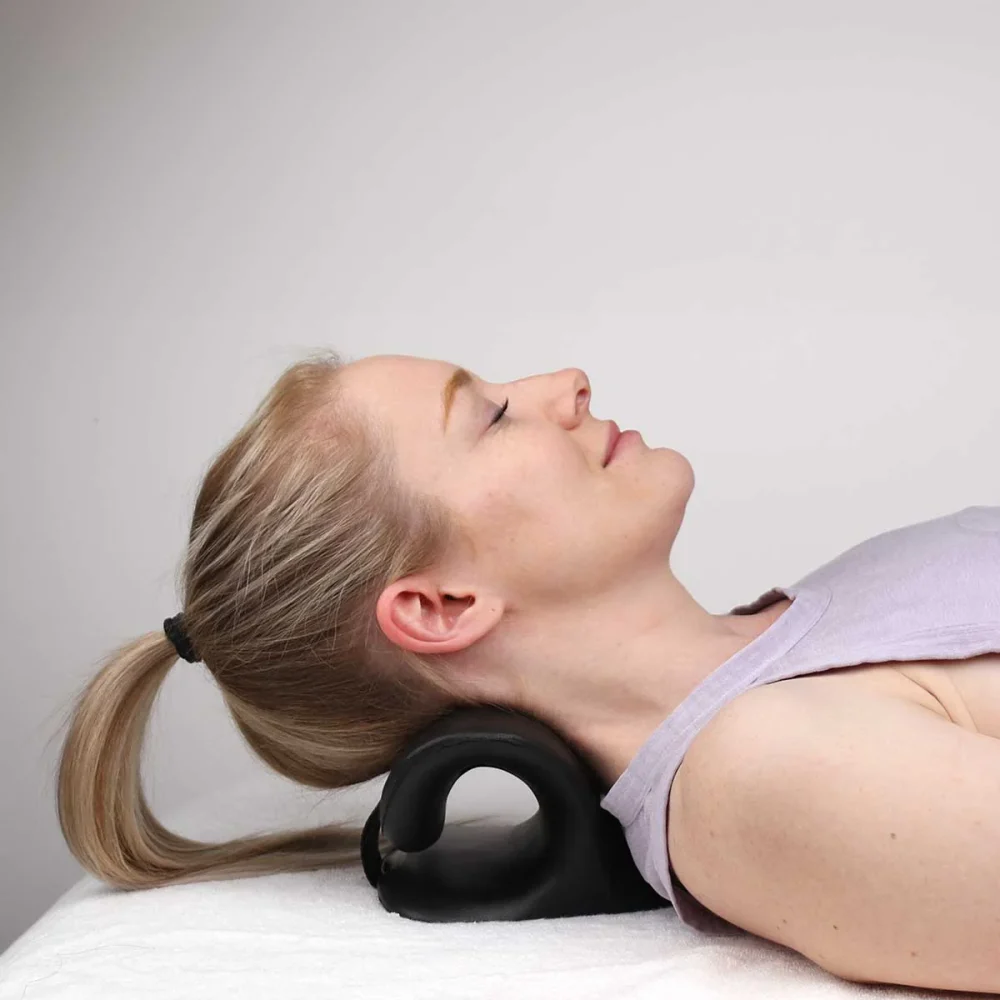
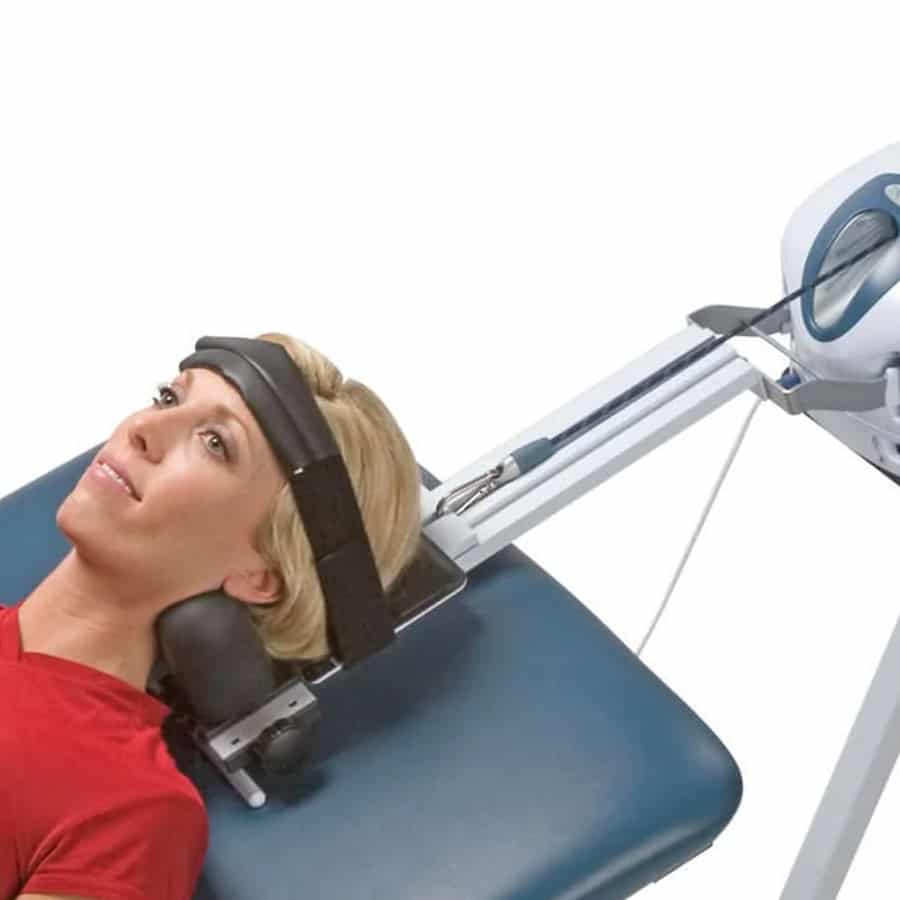
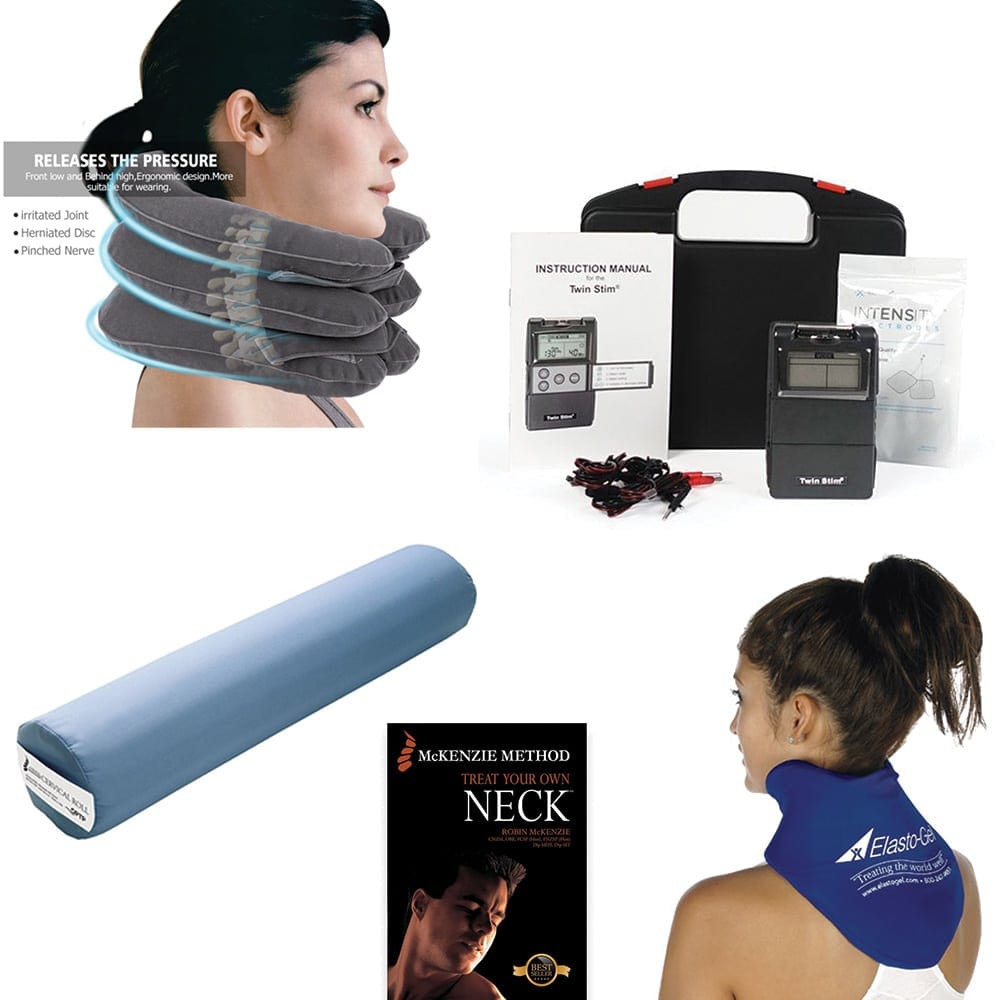
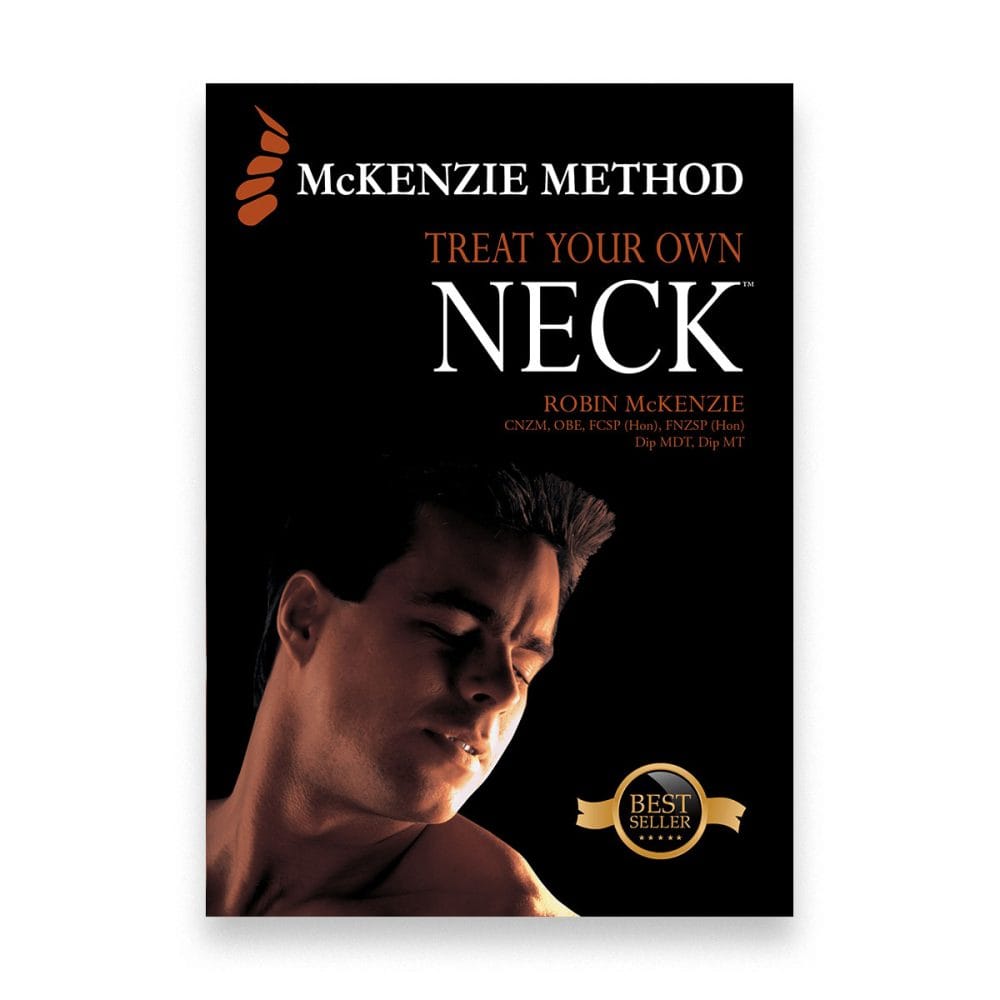
Ultimate Neck Care Bundle
In Stock(3 Units)
Original price was: $254.80.$195.34Current price is: $195.34.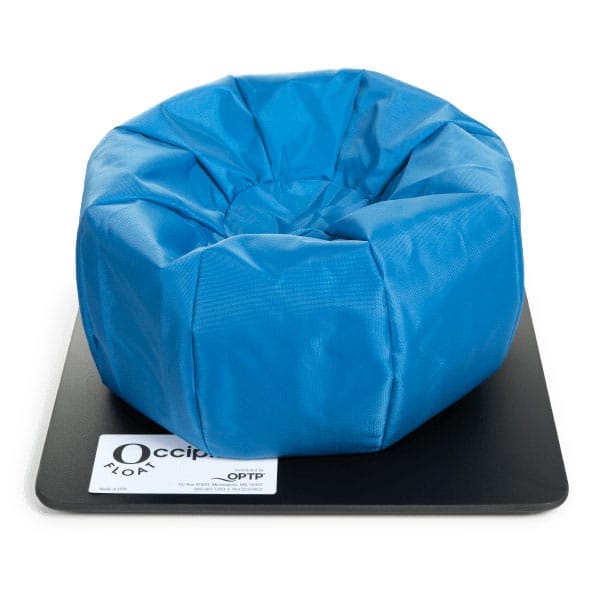
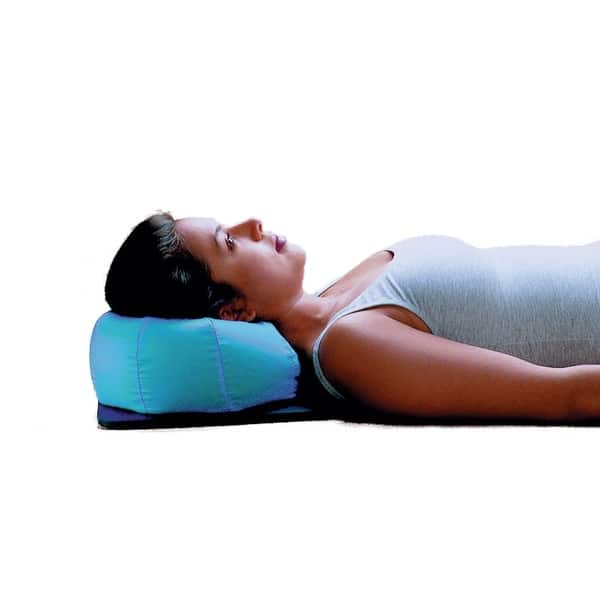
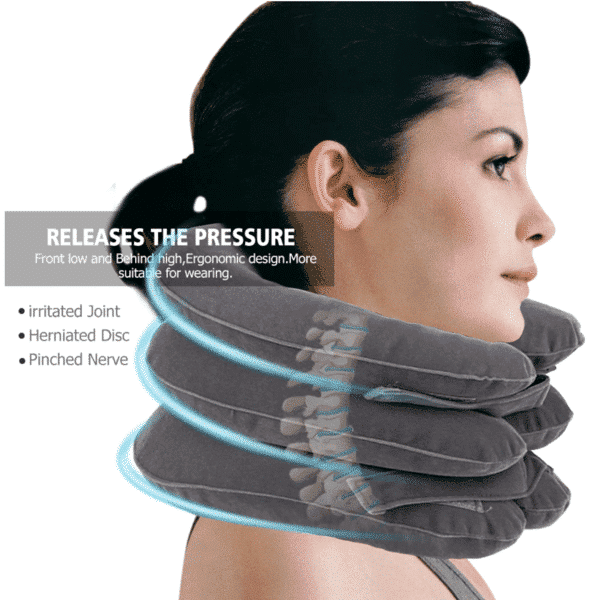
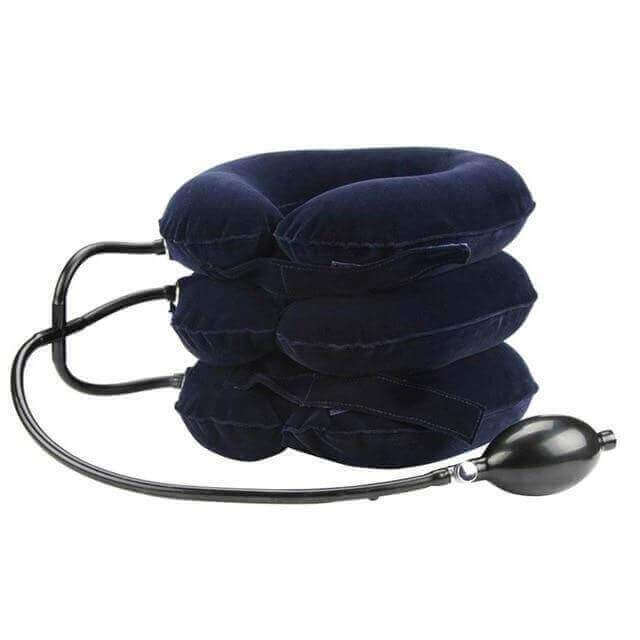
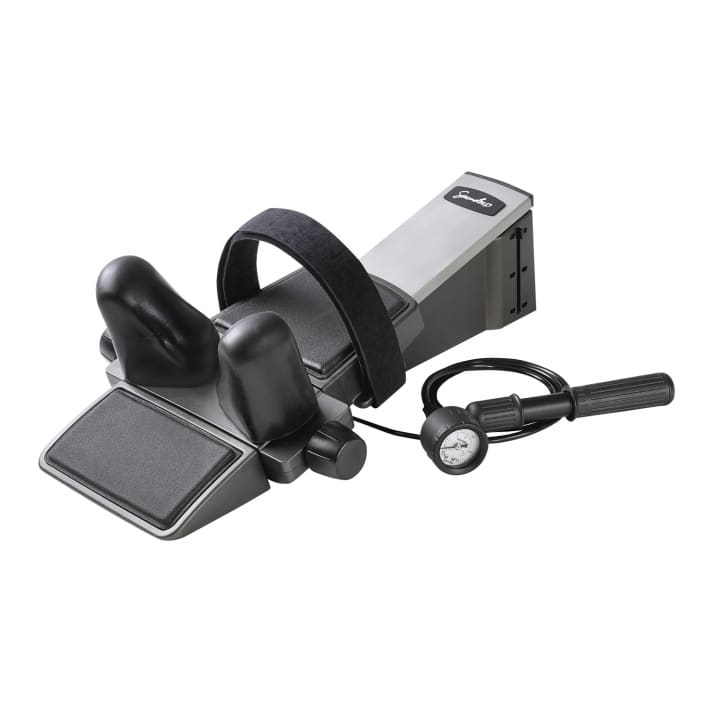
Physiotherapy Room Inflatable Home Neck Traction Device
In Stock(100 Units)
Original price was: $39.95.$29.95Current price is: $29.95.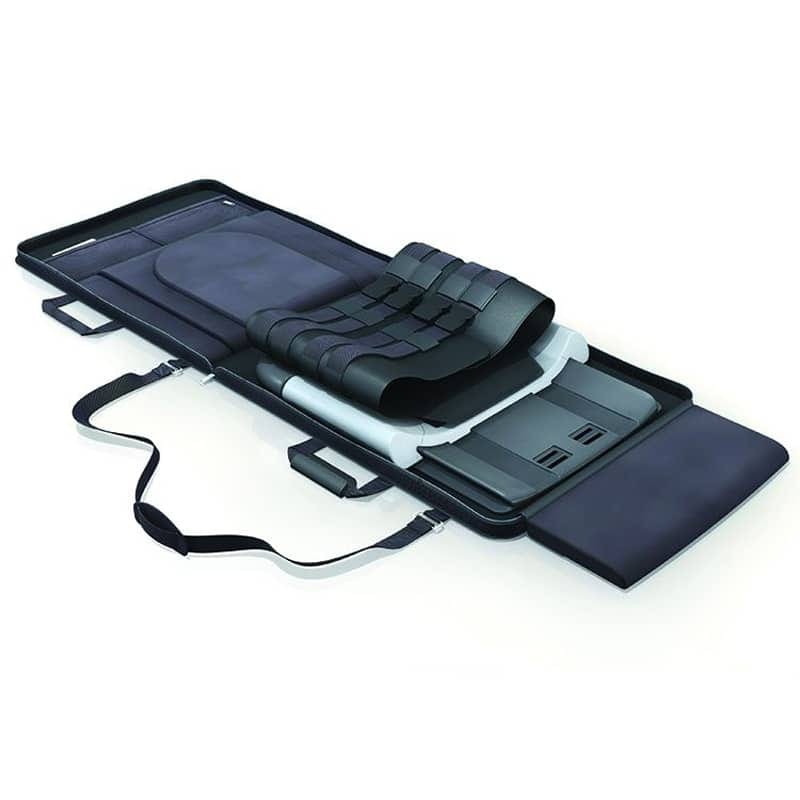
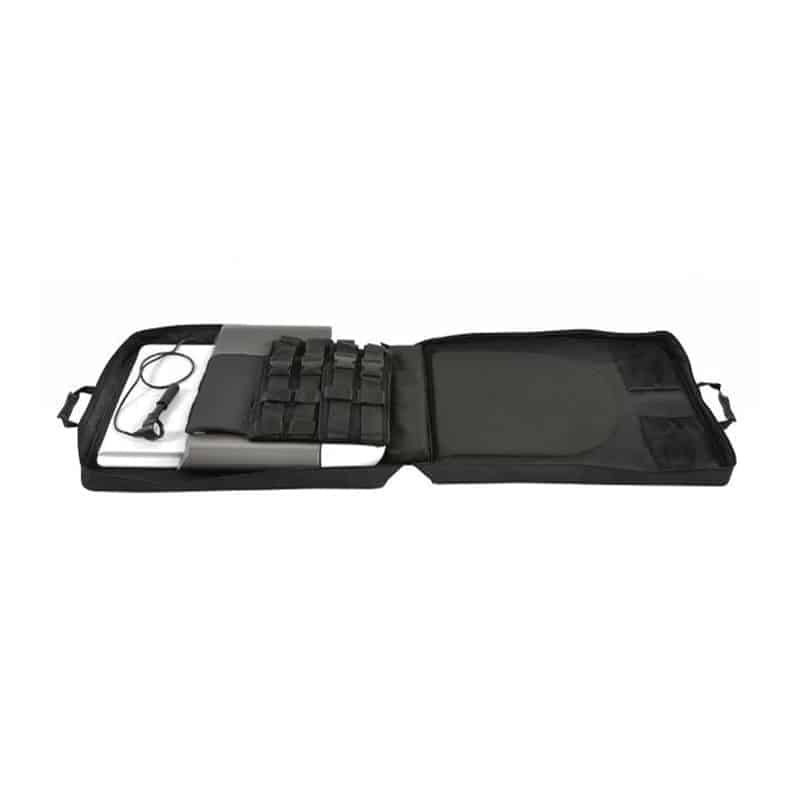
Support Spinal Decompression
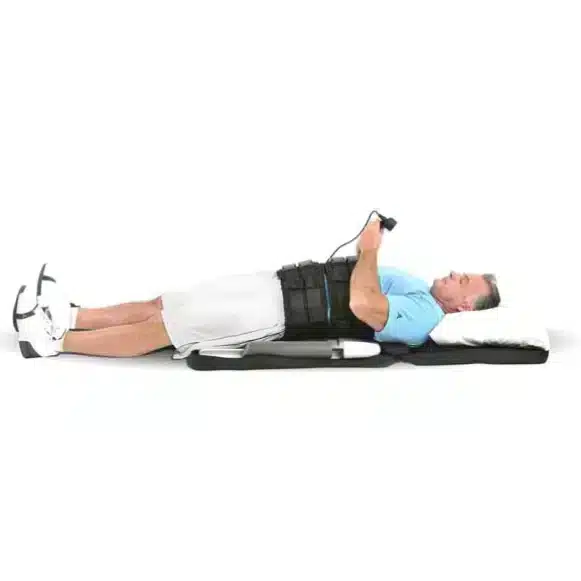
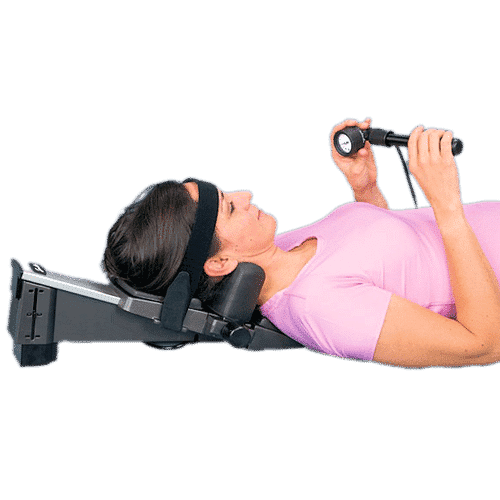
Traction devices apply gentle stretching forces to the spine, which may help reduce pressure on discs, joints, and nerves. This technique is commonly used in physiotherapy and spinal rehabilitation programs.
Used for Neck and Lower Back Conditions
Cervical traction devices focus on the neck and upper spine, while lumbar traction systems target the lower back. Both approaches are used to support spinal mobility and reduce pressure on affected structures.
Commonly Used in Rehabilitation Programs
Healthcare professionals may recommend traction therapy as part of a comprehensive rehabilitation plan that includes exercise, posture correction, and mobility training.
Need Help Choosing?
Our team has over 50 years of combined experience supplying physiotherapy and rehabilitation equipment across Canada. If you need help selecting the right cervical or lumbar traction device, we’re happy to help.
Prescription May Qualify for Tax Exemption
Some spinal traction devices may qualify as tax-exempt medical devices in Canada when purchased with a valid prescription from a healthcare professional. Please consult your healthcare provider and review applicable regulations.
Proudly Canadian
PhysioStore is a Canadian company supplying physiotherapy, rehabilitation, and clinical equipment to healthcare professionals and individuals across Canada.
Frequently Asked Questions
What is cervical traction used for?
Cervical traction is used to gently stretch the neck and upper spine. This technique may help reduce pressure on spinal discs and nerves while supporting rehabilitation for certain neck conditions.
What is lumbar traction used for?
Lumbar traction focuses on the lower back and is used to gently stretch the spine. It may help reduce pressure on discs and joints in the lumbar region.
How does spinal traction work?
Spinal traction works by applying a controlled stretching force that separates the vertebrae slightly. This may help reduce pressure on discs, nerves, and surrounding structures.
What conditions may benefit from traction therapy?
Traction therapy is sometimes used in rehabilitation programs for conditions such as herniated discs, degenerative disc conditions, nerve compression, and spinal stiffness.
Are traction devices used in physiotherapy clinics?
Yes. Cervical and lumbar traction devices are commonly used by physiotherapists and rehabilitation professionals as part of treatment programs for spinal conditions.
Can traction devices be used at home?
Some traction systems are designed for home use, often under the guidance of a healthcare professional who can recommend proper usage and treatment duration.
Is traction therapy safe?
When used appropriately and under professional guidance, traction therapy is considered a safe rehabilitation technique for many patients.
How long is traction therapy typically used?
The duration and frequency of traction therapy depend on the individual condition and the recommendation of a healthcare professional.
What is the difference between cervical and lumbar traction?
Cervical traction focuses on the neck and upper spine, while lumbar traction targets the lower back region.
Do traction devices help relieve spinal pressure?
Traction devices are designed to gently stretch the spine, which may help reduce pressure on discs and joints during rehabilitation programs.
Cervical and Lumbar Traction Devices for Spinal Decompression and Rehabilitation
Cervical and lumbar traction devices are designed to gently stretch the spine to help reduce pressure on spinal discs, nerves, and surrounding structures. These devices are commonly used in physiotherapy and rehabilitation programs to support neck and lower back conditions.

 SUPPORT SMALL CANADIAN BUSINESS